• Best Saltwater Rod and Reel Combos for SoCal Fishing

    Best Saltwater Rod and Reel Combos for SoCal Fishing

    Buying a rod and reel separately gives you the most flexibility, but a well-matched combo can save you money and get you on the water faster. The key is knowing which combos actually work for SoCal species — because a combo built for bass fishing or East Coast stripers won’t cut it when a yellowtail peels 200 yards of line off your reel at the Coronado Islands.

    This guide covers the best combos for every major SoCal application: party boat fishing, private boat offshore runs, surf fishing, and targeting specific species. If you’re not sure whether you need spinning or conventional, start there first.

    How to Choose a Saltwater Combo

    The biggest mistake people make is buying a combo rated too light for SoCal offshore fishing or too heavy for the inshore species they actually target. Here’s how to think about it.

    Match the combo to the line class. SoCal fishing breaks down into a few line class buckets. A 15–20lb setup covers bass, bonito, calico, and light yellowtail. A 25–30lb setup handles yellowtail, white seabass, and smaller tuna. A 40lb+ setup is for bluefin, big yellowfin, and anything that might run you into your backing. And a dedicated surf setup is its own category entirely.

    Rod material matters. Graphite rods are lighter and more sensitive — ideal for feeling a jig strike or a subtle bait bite. Fiberglass and composite rods are tougher and more forgiving, better for bait fishing and heavier applications. See our graphite vs fiberglass guide for the full breakdown.

    Reel quality is where you shouldn’t cut corners. The reel is the most critical component. A smooth drag system and solid gear train are non-negotiable for any fish that runs. A decent rod with a great reel will outperform a great rod with a mediocre reel every time.

    Best Combos by Application

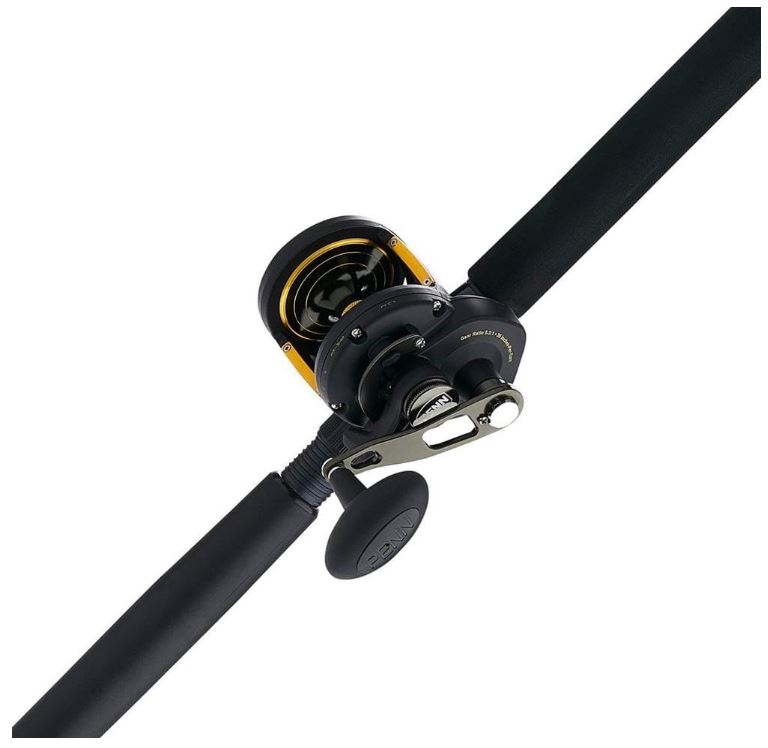
    Best Party Boat Combo: Penn Squall II / Carnage II (25–30lb class)
    Buy it on Amazon

    This is the do-everything SoCal party boat setup. The Squall II lever drag reel has smooth, reliable drag that handles yellowtail, white seabass, and bonito without breaking a sweat. The Carnage II rod is a graphite composite blank with enough backbone for big fish but enough tip sensitivity to feel your bait. Spool it with 40lb braid and a fluorocarbon leader and you’re set for 90% of what the party boats encounter. This is the setup you’ll see on the rail at every SoCal landing.

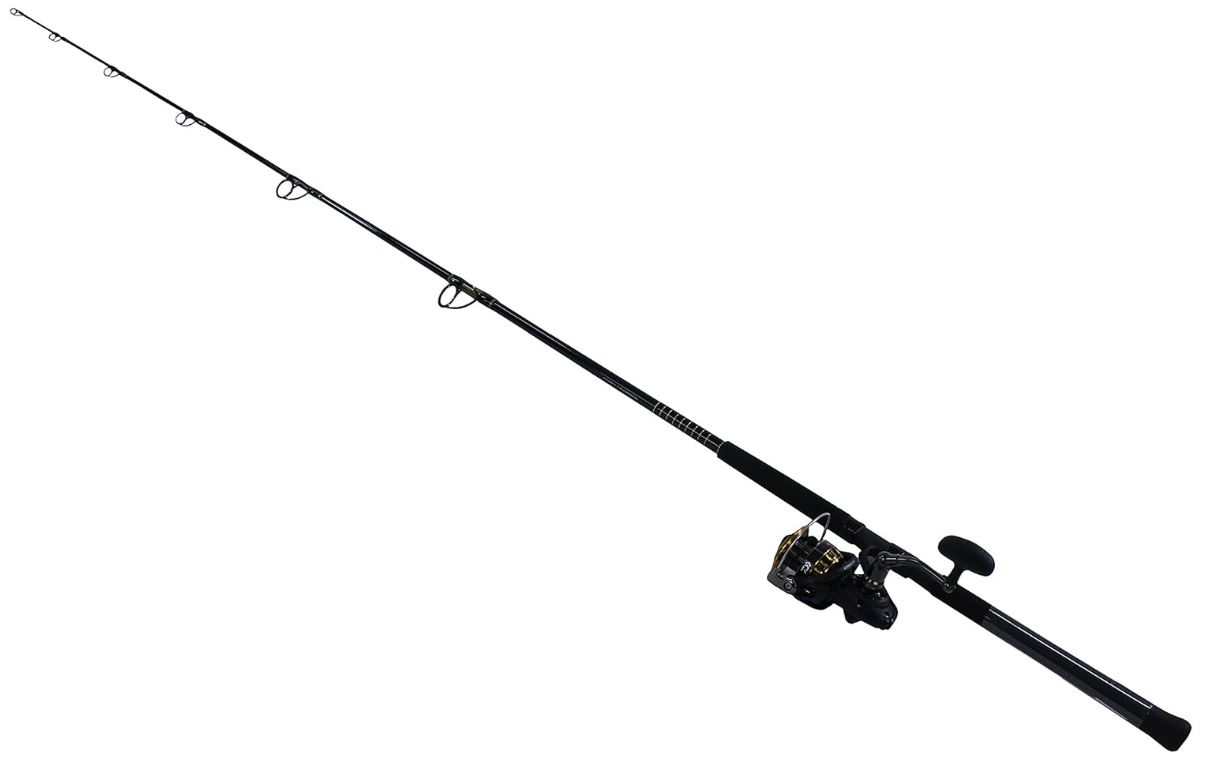
    Best Budget Party Boat Combo: Daiwa BG / BG MQ Combo (20–25lb class)
    Buy it on Amazon

    The Daiwa BG spinning reel has been the go-to budget performer in SoCal for years, and for good reason — the drag is butter smooth and the construction is tank-like for the price. Paired with a BG rod in the 7-foot medium-heavy range, this combo handles everything from calico bass to respectable yellowtail. It’s a spinning setup, so it’s easier for newer anglers to use, and the open-face design lets you cast jigs and swimbaits effectively. See our yellowtail reel guide for more options in this class.

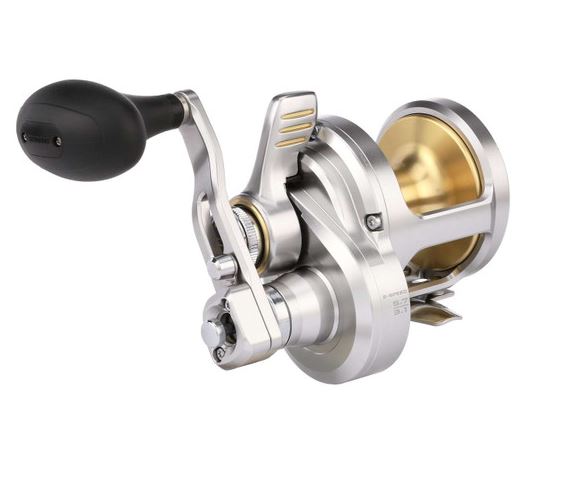
    Best Bluefin / Heavy Offshore Combo: Shimano Talica / Teramar Bluewater(40–60lb class)
    Buy reel on Amazon

    Buy rod on Amazon

    When you’re chasing bluefin tuna or dropping on cow yellowtail, you need serious gear. The Shimano Talica two-speed reel is legendary in SoCal tuna fishing — the two-speed lets you winch fish up from deep while the drag system handles brutal initial runs. Paired with a Teramar rod in the 6’6″ to 7′ heavy range, this combo has the power to stop a 100-pound fish and the quality to last for years. Not cheap, but this is the setup that lands the fish everyone else loses. Check our best reel for bluefin guide for more tuna reel options.

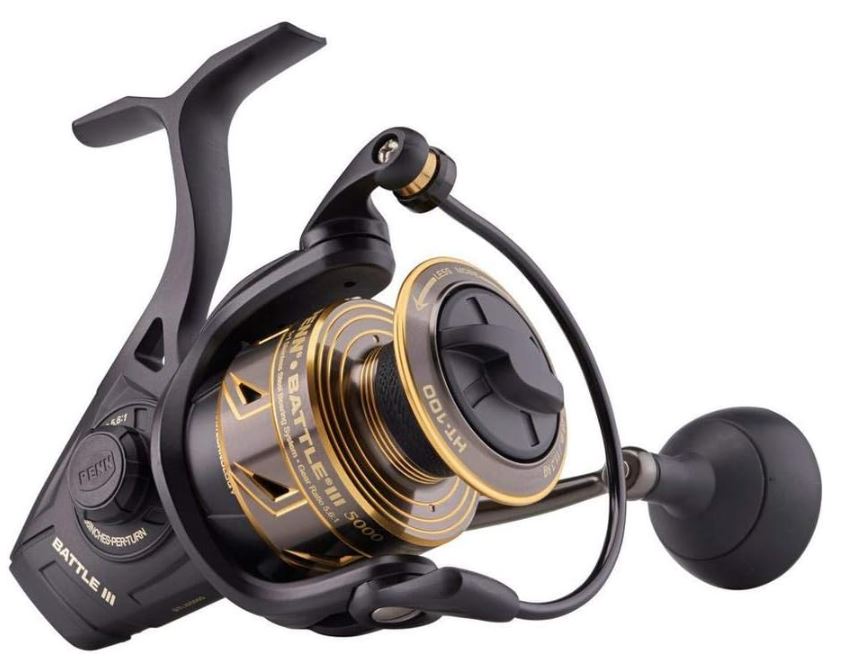
    Best Surf Combo: Penn Battle III / Prevail II (15–20lb class)
    Buy reel on Amazon

    Buy rod on Amazon

    A spinning combo is the right call for 95% of SoCal surf fishing. The Battle III in 4000–5000 size has sealed construction that handles sand and salt, smooth drag for halibut runs, and holds plenty of 20lb braid. The Prevail II rod at 10 feet gives you the casting distance you need to reach the outer sandbars. Together, this combo handles halibut, corbina, perch, and the occasional surprise bat ray. See our surf casting rod guide and surf fishing reel guide for standalone alternatives.

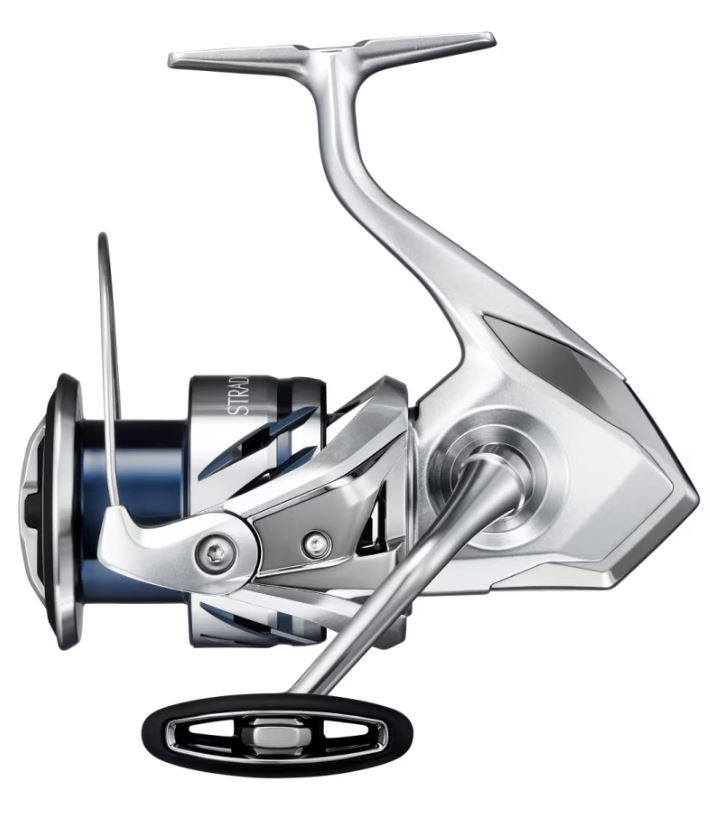
    Best Light Line / Finesse Combo: Shimano Stradic / Fenwick HMG (12–15lb class)
    Buy reel on Amazon

    Buy rod on Amazon

    For targeting calico bass in the kelp, fishing light iron for bonito, or throwing small swimbaits for spotted bay bass, you want a lighter combo with sensitivity. The Stradic is one of the smoothest spinning reels in its class with virtually zero startup inertia. The Fenwick HMG in 7-foot medium-fast gives you the sensitivity to feel every head shake and the backbone to pull fish out of structure. This is a finesse setup — don’t take it to the bluefin grounds — but for everything else, it’s a blast to fish.

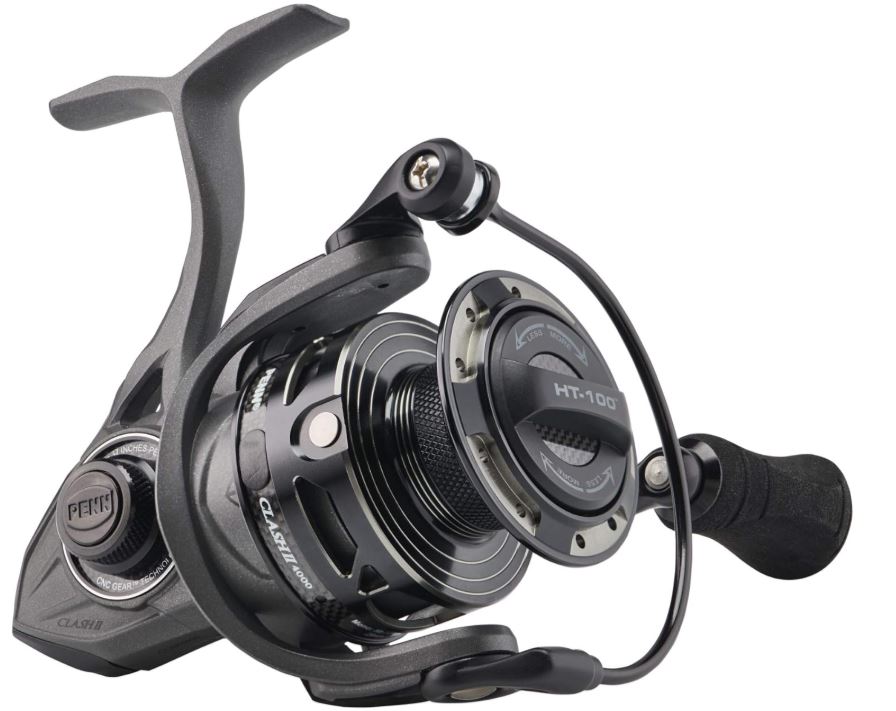
    Best “One Rod Does Everything” Combo: Penn Clash III / Carnage III (20–30lb class)
    Buy reel on Amazon

    Buy rod on Amazon

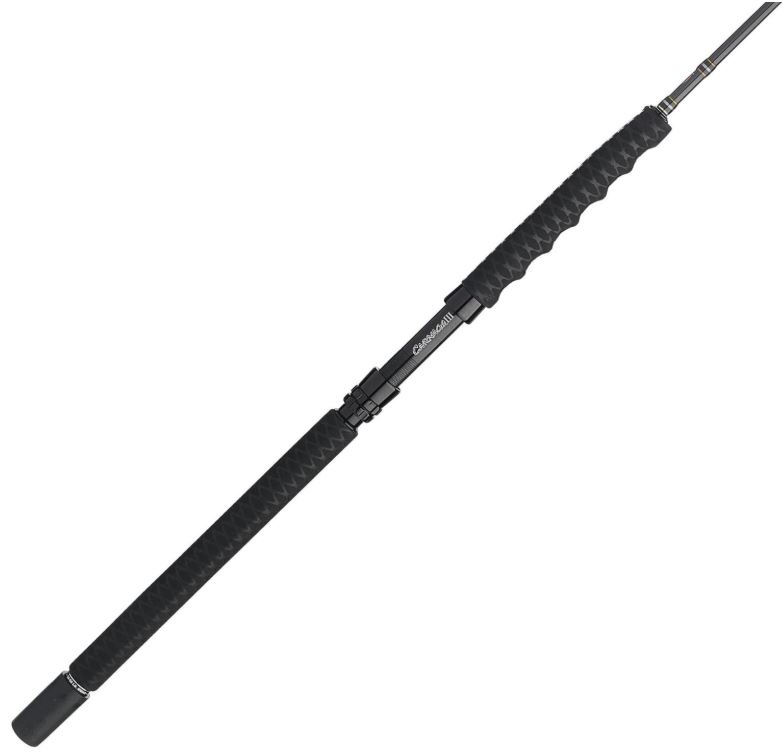
    If you can only own one combo for SoCal, this is it. The Clash III spinning reel covers the widest range of applications — light enough for casting jigs and heavy enough for live bait drops on bigger fish. The Carnage III rod in 7-foot medium-heavy gives you versatility across species. You can take this combo on a party boat for yellowtail, throw surface irons at breaking fish, soak a bait for white seabass, or even use it from the rocks. It won’t be the best tool for any single job, but it’ll handle all of them respectably.

    How to Spool Your Combo

    No matter which combo you pick, line choice is critical. For SoCal saltwater, braided line as your main line with a fluorocarbon leader is the standard. Braid gives you more line capacity, better sensitivity, and longer casts. Fluorocarbon leader provides abrasion resistance and near-invisibility in clear SoCal water.

    General line recommendations: 20–30lb braid for party boat setups, 40–65lb braid for bluefin rigs, 15–20lb braid for surf fishing. Leader should typically be 1.5–2x your braid strength in fluorocarbon.

    Plan Your Trip

    Got your combo? Check the conditions before you head out:

    Tight lines!

  • Best Reels for Bluefin Tuna — What You Actually Need

    Best Reels for Bluefin Tuna — What You Actually Need

    Bluefin tuna are the most demanding fish you’ll hook in Southern California waters. A 50-pound bluefin can run 300 yards in the first burst, fight for 30+ minutes, and put sustained pressure on your drag system that most reels simply can’t handle. When your reel fails on a bluefin, you don’t get a second chance.

    This guide covers exactly what you need in a bluefin reel — drag power, line capacity, two-speed vs. single speed, and where to put your money at every budget level.

    ⚡ Short Answer

    Most SoCal bluefin anglers need a two-speed conventional reel in the 40–50lb class with at least 25 lbs of max drag and 500+ yards of 50lb braid capacity. That covers everything from school-size 30-pounders to the occasional cow.

    👉 See our top picks: Best 40lb+ Reels for Tuna Fishing — specific models reviewed with pros, cons, and pricing.

    ⚡ Quick Picks

    Best overall: Shimano Talica 16 II — the SoCal bluefin standard. Smooth two-speed, 25+ lbs of drag.

    Best for giants: Shimano Talica 20 II — more drag, more capacity for 150+ lb fish.

    Best premium: Accurate Fury FX2 500N — smoothest drag in the business, built in California.

    Best value: Penn Fathom II 30 SD — legitimate tuna reel at a fraction of the price.

    Best spinning: Shimano Saragosa SW 14000 — for casting iron to surface bluefin.

    Now here’s everything you need to know to make the right choice.

    What a Bluefin Reel Must Have

    Drag: 25–40+ lbs of max drag. This is the single most important spec. Bluefin make long, powerful runs and you need to apply serious pressure to turn them before they spool you or reach structure. Your reel should deliver at least 25 lbs of max drag — and the drag must stay smooth and consistent under sustained load. Carbon fiber drag washers that dissipate heat are essential. Cheap drags overheat and fade, and a bluefin will exploit that instantly.

    Line capacity: 500+ yards of 50–65lb braid. A big SoCal bluefin can run 200–300 yards on the first pull. You need a minimum of 500 yards of heavy braided line (50–65lb) to survive those runs with a safety margin. Running out of line on a tuna is one of the most frustrating experiences in fishing — don’t let it happen. See our best fishing line by pound test guide for specific braid recommendations.

    Two-speed gearing. This is nearly non-negotiable for serious bluefin fishing. Two-speed reels let you switch between high gear (for fast retrieves and surface work) and low gear (for grinding power when a tuna goes deep and decides to circle). Fighting a 50+ pound fish from 200 feet deep in high gear only will destroy your back and potentially your reel gears.

    Heavy-duty construction. Machined aluminum frame, stainless steel gears, sealed bearings. Bluefin fights put extreme stress on every component. Stamped frames flex under load, weak gears strip, and unsealed bearings corrode. This is not the place to cut corners.

    Conventional vs Spinning for Bluefin

    Conventional reels are the standard for bluefin tuna. They deliver more drag power, more line capacity, and two-speed gearing — all critical advantages for this species.

    Large spinning reels (10000–18000 size) are used by some experienced anglers, particularly for casting poppers and stick baits to surface-feeding tuna. But spinning reels at this size are expensive, heavy, and their drag systems generally don’t hold up as well as conventional under prolonged stress. For the vast majority of anglers, conventional is the right choice.

    Reel Size Classes for Bluefin

    40lb class (medium conventional): The starting point for bluefin fishing. Handles fish in the 30–60lb range effectively. Good for school-size bluefin that SoCal boats encounter on day trips. Holds 500+ yards of 50lb braid with adequate drag. See our full 40lb+ reel reviews →

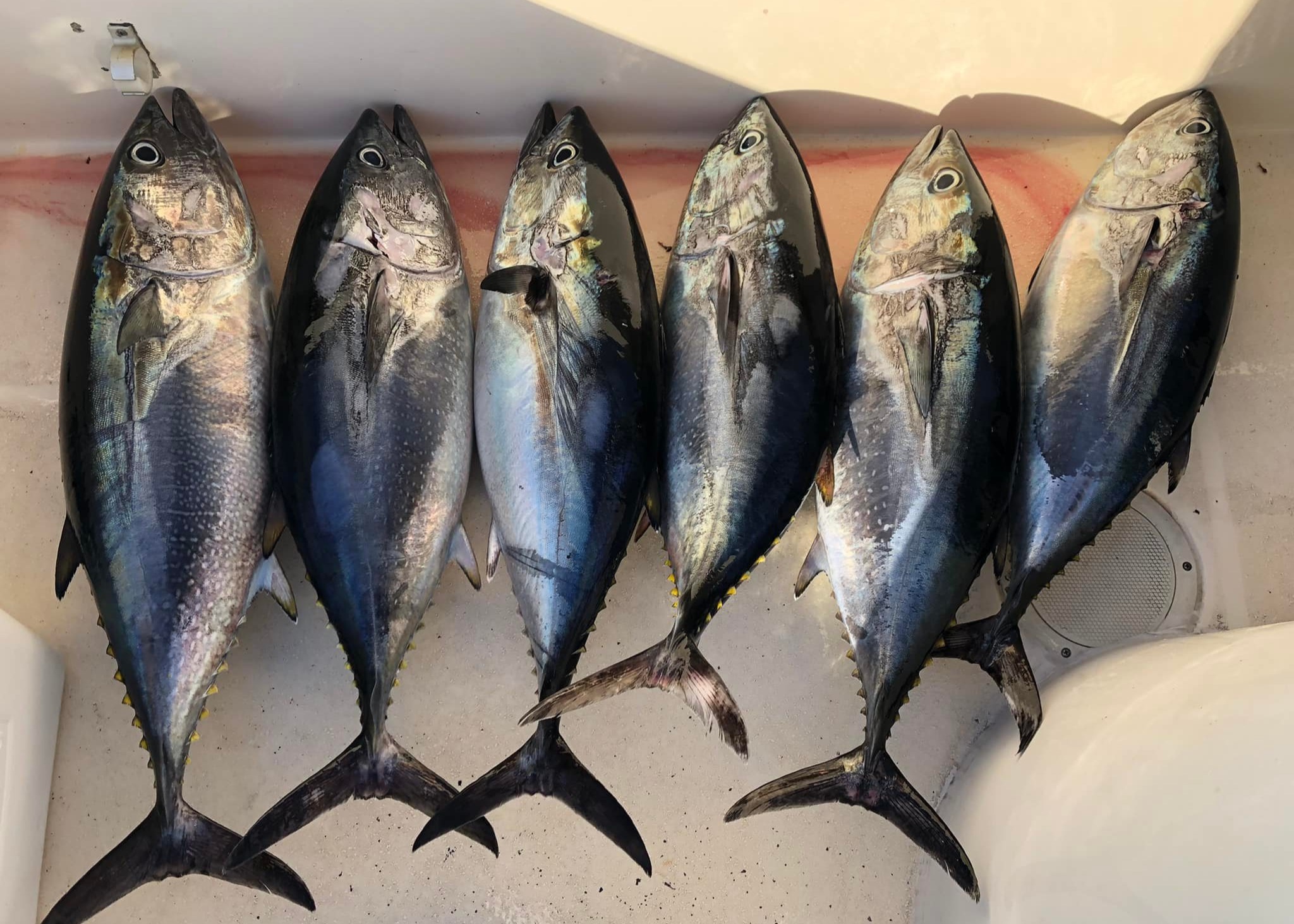
    50lb class: The sweet spot for SoCal bluefin. These reels hold 600+ yards of 65lb braid and deliver 30+ lbs of smooth drag. This is what most serious bluefin anglers run on overnight trips out of San Diego. They handle everything from 40-pound school fish to the occasional 100+ pound cow.

    60–80lb class (large conventional): For targeting trophy bluefin over 100 lbs or fishing long-range trips where you might encounter giant tuna. These are heavy, expensive reels that most anglers don’t need for typical SoCal bluefin. But if you’re making multi-day trips to Guadalupe Island or fishing known big-fish zones, stepping up makes sense.

    Not sure what class you need? If this is your first dedicated tuna reel, go with the 40–50lb class. It covers 90% of SoCal bluefin scenarios and pairs perfectly with a quality 8-foot offshore rod.

    Top Bluefin Reels by Budget

    For detailed reviews with specific models, features, and current pricing, see our Best 40lb+ Reels for Tuna Fishing guide. Here’s what to prioritize at each budget level:

    Entry level ($250–$400): At this price, you can find a solid two-speed conventional reel with 20+ lbs of drag and enough capacity for 50lb braid. These reels handle school-size bluefin (20–50 lbs) well. Look for carbon fiber drags and an aluminum frame. Penn and Shimano both offer strong options here.

    Mid-range ($400–$700): This bracket gets you into reels with 30+ lbs of max drag, larger spools for 600+ yards of heavy braid, and significantly better gear quality. Two-speed is standard at this price. These reels can handle bluefin up to 80+ lbs and are the most popular choice for SoCal overnight trips. Shimano, Daiwa, Okuma, and Penn all compete aggressively here.

    Premium ($700–$1,200+): Top-tier bluefin reels with 35–50 lbs of drag, precision machined components, and the kind of build quality that handles hundred-pound fish without breaking a sweat. Accurate, Shimano Talica/Trinidad, and Avet are the names most SoCal tuna anglers reach for at this level. These are buy-it-once reels that will last years of hard use.

    Setting Up Your Bluefin Reel

    Line: Spool with 50–65lb braid. Some anglers add a mono topshot (first 50–100 yards of mono over the braid) to provide stretch that cushions the initial strike and helps prevent pulled hooks on bait presentations. Our fishing line guide covers the best brands at every pound test.

    Leader: 40–80lb fluorocarbon, 6–15 feet long. Leader length depends on water clarity — clear water calls for longer leaders so the visible braid is farther from the fish. Connect braid to fluoro with an FG knot.

    Terminal: Circle hooks (4/0–7/0) for live bait, or various jigs and poppers for artificial presentations. Palomar knot or San Diego Jam for terminal connections — see our fishing knots guide for step-by-step instructions.

    Hooks: Check our best hooks by species guide for specific hook sizes and styles matched to bluefin presentations.

    Drag setting: Set your strike drag at about 1/3 of your weakest connection (usually the leader). For 60lb fluoro leader, that’s about 20 lbs of strike drag. Set it at home with a scale — don’t guess on the water. You can bump drag up during the fight once the fish is hooked and the line is already under tension.

    Rod Pairing

    A bluefin reel needs to be matched with the right rod:

    Bait fishing: An 8-foot medium-heavy to heavy rod with moderate action. The length provides lifting leverage and the moderate flex cushions the line during surges. Fiberglass or composite blanks are preferred for their shock absorption.

    Jigging: A shorter 5.5–6.5 foot heavy-action rod with a fast tip. These are stiffer for working jigs and have the backbone to fight fish vertically. Graphite or composite blanks work well here.

    Casting poppers/iron: A 7-foot to 8-foot heavy-action rod with a fast tip for launching heavy poppers and surface irons. This is where graphite rods excel — lighter weight for repeated casting.

    For complete rod and reel pairing advice, see our best rod and reel combo guide.

    Common Mistakes

    Underspending on the reel. Bluefin is the one species where a cheap reel will cost you fish. A $150 reel that “works fine for yellowtail” will fail when a 60-pound bluefin tests the drag for 20 straight minutes. Budget at least $300+ for a dedicated bluefin reel.

    Not enough line capacity. If you can’t hold 500+ yards of 50lb braid, you’re gambling every time a big fish takes a long run. Don’t put yourself in a position where you’re staring at a spool with 20 yards left and a fish still running.

    Single-speed for big fish. A single-speed reel can catch bluefin, but you’ll work three times as hard during the fight. When a tuna goes deep and starts circling, you need low gear. Paying the premium for two-speed is one of the best investments in tuna fishing.

    Not testing drag before the trip. Set your drag at home with a scale. Most anglers run their drag too loose because they’re afraid of breaking off. On bluefin, you need serious drag pressure to control the fight. Know your numbers before you leave the dock.

    Frequently Asked Questions

    What size reel do I need for bluefin tuna?

    A 40–50lb class two-speed conventional reel covers most SoCal bluefin scenarios. For school-size fish (30–60 lbs), the 40lb class is ideal. For targeting larger fish on overnight or multi-day trips, step up to a 50lb class for extra line capacity and drag power.

    Can I use a spinning reel for bluefin?

    You can, but conventional reels are strongly preferred. Spinning reels in the 10000–18000 size work for casting poppers to surface fish, but they lack the two-speed gearing and sustained drag performance that conventional reels provide for extended bluefin fights.

    How much drag do I need for bluefin tuna?

    At least 25 lbs of max drag for school-size bluefin, and 30–40+ lbs for larger fish. The drag must be smooth and heat-resistant — carbon fiber drag washers are essential. Set your strike drag at 1/3 of your weakest connection.

    What line should I use for bluefin tuna?

    50–65lb braided line with a 40–80lb fluorocarbon leader. You need at least 500 yards of braid on the spool. See our best fishing line guide for specific brand recommendations at every pound test.

    What’s the best rod to pair with a bluefin reel?

    An 8-foot medium-heavy to heavy rod is the most versatile choice. Fiberglass or composite blanks absorb shock better during long fights. See our combo guide for matched pairings.

    Plan Your Bluefin Trip

    Related Guides

    Tight lines!

  • Best Water Temperature for Wahoo Fishing

    Best Water Temperature for Wahoo Fishing

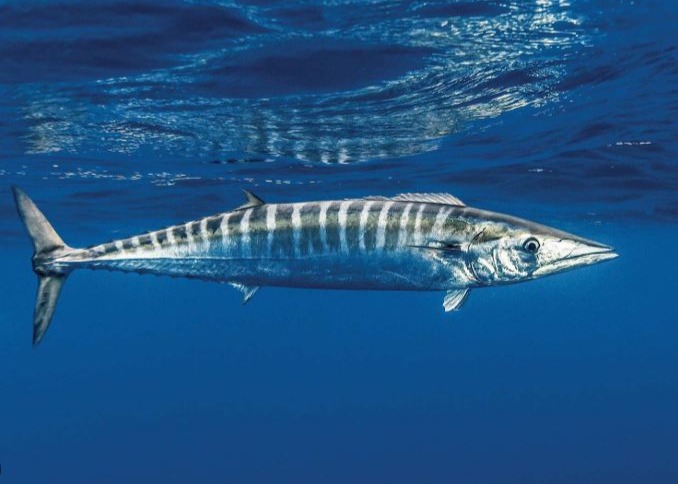
    Wahoo are one of the fastest fish in the ocean — and they demand the warmest water of any species you’ll target from a Southern California sportfishing boat. If you’re not fishing in 72–82°F water, you’re probably not fishing for wahoo.

    These fish are creatures of tropical and subtropical currents. Off our coast, that means long-range trips to Baja California banks, or the rare warm-water years when wahoo push north into SoCal waters. Either way, water temperature is the single best indicator of whether wahoo are in the area.

    The Wahoo Temperature Window

    Temperature Range Activity Level Notes
    Below 70°F Very low Wahoo are rarely found — too cold for this species
    70–72°F Low–moderate Fringe water; possible but not reliable
    72–76°F High Active feeding, especially near structure and current edges
    76–82°F Peak Prime wahoo water — this is the sweet spot
    Above 82°F Moderate Still fishable but wahoo may go deep to find cooler water

    The 76–80°F range is where wahoo fishing is at its best. This is significantly warmer than bluefin tuna (60–68°F) or yellowtail (62–72°F), which is why wahoo are primarily a long-range target for SoCal anglers.

    Where to Find Wahoo Water

    From a Southern California port, you’ll typically need to head south to find consistent 72–82°F water. Here are the primary wahoo grounds:

    Guadalupe Island. Located about 150 miles southwest of Ensenada, Guadalupe sits at the intersection of warm currents from the south and cooler California Current water. When the warm side pushes in, wahoo stack up around the island’s structure. Check the SST charts for a defined warm-water edge near the island.

    Hurricane Bank (Banco Hurricane). One of the premier wahoo spots in the Pacific, located roughly 250 miles south of Cabo. Long-range boats out of San Diego run here during late summer and fall. Water temps consistently hold in the 78–82°F range.

    San Benedicto and the Revillagigedo Islands. Deep offshore seamounts surrounded by warm tropical water. These are multi-day long-range destinations that produce wahoo alongside yellowfin tuna and giant trevally.

    Outer banks off Baja. Seamounts and ridges like Uncle Sam Bank, Thetis Bank, and the Finger Bank can hold wahoo when warm currents push through. Use chlorophyll maps to identify productive edges where warm, clear water meets nutrient-rich upwelling zones.

    SoCal (rare years). During El Niño events or exceptionally warm seasons, wahoo occasionally push as far north as the Coronado Islands, San Clemente Island, or even Catalina. These events are unpredictable — but when you see 74°F+ water at the offshore islands on the SST chart, it’s worth paying attention to fish reports. You may also find dorado and yellowfin in the same warm-water push.

    How to Use SST Charts for Wahoo

    Wahoo fishing and SST charts go hand in hand. Here’s what to look for:

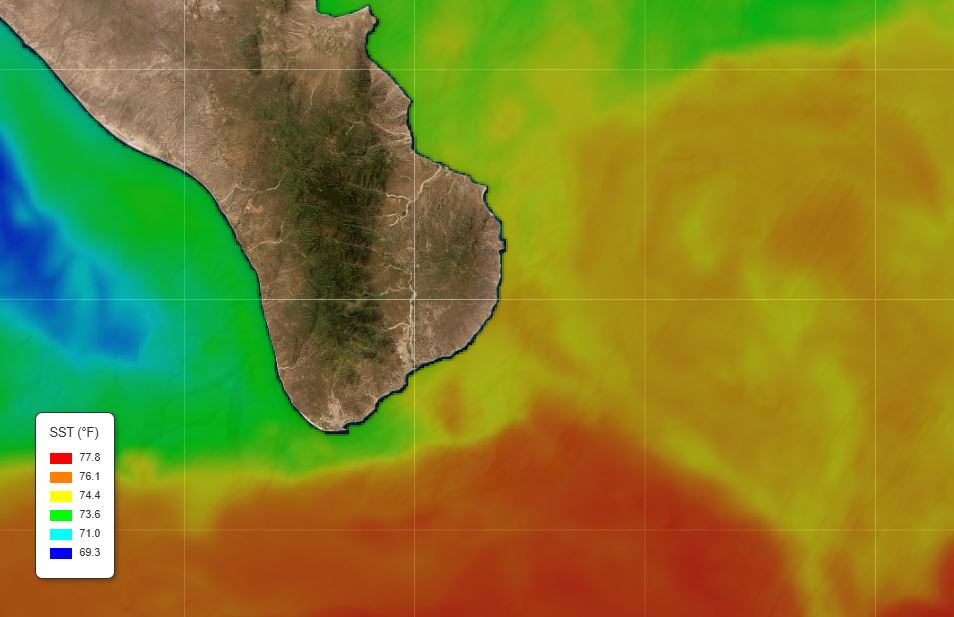
    Find the 74–80°F contour line. Pull up the SST chart and look for where this temperature range intersects with underwater structure — seamounts, banks, island drop-offs, and ridges.

    Look for temperature breaks. Wahoo love edges. A sharp transition from 72°F to 78°F over a short distance concentrates bait and predators. These temperature breaks are where you want to focus your trolling passes.

    Watch for warm-water intrusions. Tongues of warm water pushing north or onshore can bring wahoo into areas they don’t normally inhabit. Track these intrusions day by day on the SST chart — if the warm water is expanding and holding, wahoo may follow it in.

    Cross-reference with chlorophyll. Wahoo prefer clean, blue, low-chlorophyll water. If you see high chlorophyll (green water) at the right temperature, that’s more likely yellowfin tuna or dorado water. Wahoo want warm AND clear. The chlorophyll map makes this easy to check — see our chlorophyll map guide for how to read the edges.

    Wahoo Fishing Techniques

    High-speed trolling is the primary method. Wahoo are built for speed — they can hit 60 mph in short bursts. Trolling at 8–14 knots with skirted lures, Rapala X-Rap Magnums, or rigged ballyhoo behind wire leaders is the standard approach. This is similar to trolling for tuna but at significantly higher speeds — wahoo want the lure moving fast.

    Wire leaders are essential. Wahoo have razor-sharp teeth that will slice through even heavy fluorocarbon in a fraction of a second. Use single-strand wire or braided wire leaders in the 60–90lb range. This is the one species where fluorocarbon leader alone won’t cut it — literally.

    Vertical jigging over structure produces big wahoo. Drop a heavy speed jig (200–400g) to the bottom over a seamount or bank, then work it back up with fast, aggressive retrieves. Knife jigs and heavy flat-falls in chrome or blue/silver work well. This is where a quality 40lb+ conventional reel earns its keep — you need both speed to work the jig and stopping power when a wahoo screams back toward the structure.

    Live bait on the drift. When wahoo are in the area but not responding to trolling, slow-drifting live mackerel or skipjack on a wire leader can trigger strikes. Fish them at mid-depth using a slider rig with a wire bite leader. Use a J hook rather than a circle — wahoo hit and run fast, and you need the instant hookset.

    Wahoo Gear and Lure Guides

    Wahoo require stout tackle. Their initial run is explosive and their teeth will destroy anything that isn’t purpose-built for the job. Here’s the setup plus links to our detailed guides:

    Reel: A quality conventional reel in the 30–50lb class with a smooth drag and at least 400 yards of capacity. Two-speed reels are ideal for switching between high-speed retrieves and grinding power. The Shimano Talica 12 is a proven wahoo reel.

    Rod: A 6–7 foot heavy-action rod with fast tip for trolling, or an 8-foot rod for jigging applications. See our rod and reel combo guide for complete pairings.

    Line: 50–65lb braided line with a heavy fluorocarbon wind-on leader, topped with wire. See our fishing line guide for specific braid recommendations.

    Terminal: Always wire leader for wahoo. Palomar knots for the fluoro sections and haywire twists for wire connections. For the hook, see our hooks by species guide — J hooks on trolling lures, assist hooks on vertical jigs.

    Plan Your Trip

    Wahoo trips require planning — you need to know the water is right before committing to a long-range voyage. Start with the data:

    Related Guides

    Tight lines!

  • Best Water Temperature for Yellowfin Tuna Fishing

    Best Water Temperature for Yellowfin Tuna Fishing

    Yellowfin tuna are warm-water predators that follow temperature and bait across vast stretches of ocean. Off Southern California and into Baja, finding yellowfin means finding the right water — and that starts with understanding their temperature preferences.

    In this guide, we’ll break down the ideal water temperatures for yellowfin tuna, how they differ from bluefin tuna, and how to use SST charts to plan your trips.

    The Ideal Temperature Range

    Yellowfin tuna thrive in water between 68°F and 78°F (20–26°C). They’re significantly warmer-water fish than bluefin, which is why SoCal anglers typically encounter them farther south and later in the season. The sweet spot is around 72–76°F — that’s where you’ll find the most consistent concentrations.

    Below 65°F, yellowfin become scarce. They won’t tolerate cold water the way bluefin will. Above 82°F, they tend to go deeper during the day, feeding near the surface only in low-light conditions.

    Seasonal Patterns for SoCal and Baja

    Spring (March–May): Yellowfin are typically south of the border, concentrated around the Baja banks — Hurricane Bank, the Ridge, and the high spots south of Cedros. Water temps at these locations hit the upper 60s and 70s well before SoCal waters warm up. Long-range boats run these trips with trolling spreads of cedar plugs and feathers to cover ground between stops.

    Summer (June–August): This is when things get exciting for SoCal boats. As warm currents push north, yellowfin follow. During El Niño years or strong warm-water intrusions, yellowfin can show up as close as the Coronado Islands or even the 302/371/425 spots. Check the fleet tracker — when the long-range boats start running shorter trips, that’s a sign yellowfin have moved within range. Have your tuna setup rigged with 50–65lb braid and ready.

    Fall (September–November): Peak season for SoCal yellowfin. Water temps are at their annual high, and the fish that have been pushing north all summer are now in full feeding mode. September and October can produce incredible fishing within range of overnight and 1.5-day trips. Surface iron and poppers are at their most effective when yellowfin are boiling on the surface. See our fishing season calendar for specifics.

    Winter (December–February): Yellowfin retreat south as water cools. They’re still available on multi-day Baja trips, but you won’t find them in SoCal waters. This is the season to focus on bluefin instead.

    Using SST Charts for Yellowfin

    Yellowfin tuna relate strongly to temperature breaks. They patrol the edges where warm and cool water meet, using the convergence zone as a feeding highway. On the SST chart, look for sharp color transitions where water jumps 2–4°F over a short distance. See our fishing the edges guide for how to work these boundaries once you’re on the water.

    The warm side of the break is where you want to focus. Yellowfin cruise the warm edge, diving into cooler water to ambush bait that gets pushed along the break. Combine the SST chart with the chlorophyll map — high chlorophyll on the cool side of a break means bait, and bait on a temperature break means tuna.

    Warm-water intrusions are especially productive. When tongues of 72°F+ water push inshore from the open Pacific, yellowfin ride them in. The edges of these intrusions collect kelp paddies and debris that also hold dorado — making mixed-bag trips common when you find the right intrusion.

    Yellowfin vs. Bluefin Temperature Preferences

    FactorYellowfinBluefin
    Ideal temp range68–78°F60–72°F
    Sweet spot72–76°F62–68°F
    Cold toleranceLow — won’t go below 65°FHigh — comfortable in upper 50s
    SoCal peakSeptember–OctoberJune–November
    Where to find themWarm side of breaksEither side of breaks

    This is why SoCal boats can have both species on the same trip — bluefin on the cool side of a break and yellowfin on the warm side, sometimes only miles apart. Size up your gear for the bigger fish — a 40lb+ class setup handles both species.

    Yellowfin Gear and Lure Guides

    Yellowfin are pound-for-pound one of the hardest fighting tuna. They run fast and deep, and a big yellowfin (40lb+) will test your tackle. Here are our complete guides:

    Casting and jigging: Surface iron (Tady 45) and poppers are devastating on surface-feeding yellowfin. When fish are deep on the meter, flat-fall jigs get down to where they’re holding. See our surface iron guide for casting technique and our jigs vs irons vs poppers comparison for when to throw each.

    Trolling: Cedar plugs, feathers, and Rapala X-Rap Magnums in a staggered spread cover ground along temperature breaks. See our tuna trolling guide for the complete spread setup.

    Live bait: A fly-line rig with live sardine or mackerel is the bread-and-butter technique when the boat is stopped on a school. Use a 2/0–4/0 circle hook for jaw-corner hookups — see our hooks guide and circle vs J hooks guide for specifics.

    Rod and reel: A 40lb+ class setup for big yellowfin — Shimano Talica 12 or similar on an 8-foot rod. Spool with 50–65lb braid and a 30–40lb fluorocarbon leader connected with an FG knot. See our rod and reel combo guide for complete pairings.

    Hooks: Replace factory trebles on all iron and poppers with Owner ST-66 trebles — factory hooks straighten on yellowfin. Owner Mutu Light Circle (5114) in 2/0–4/0 for fly-lining. See our hooks by species guide for the full breakdown.

    Yellowfin Temperature Quick Reference

    ConditionTemp RangeWhat to Expect
    No yellowfinBelow 65°FToo cold — fish are farther south
    Possible65–68°FOccasional fish on temp breaks
    Prime zone68–78°FActive feeding, surface boils
    Sweet spot72–76°FBest concentrations, most aggressive
    Still good78–82°FFish deeper during midday

    Plan Your Trip

    Check today’s conditions before you head out:

    Related Guides

    Tight lines!