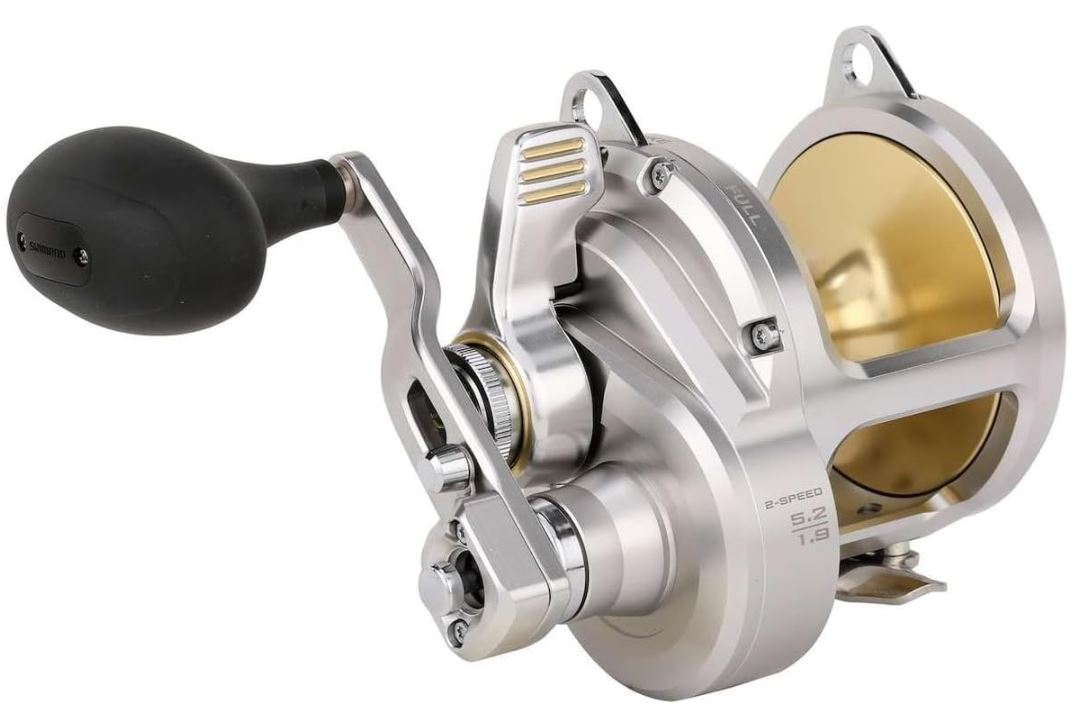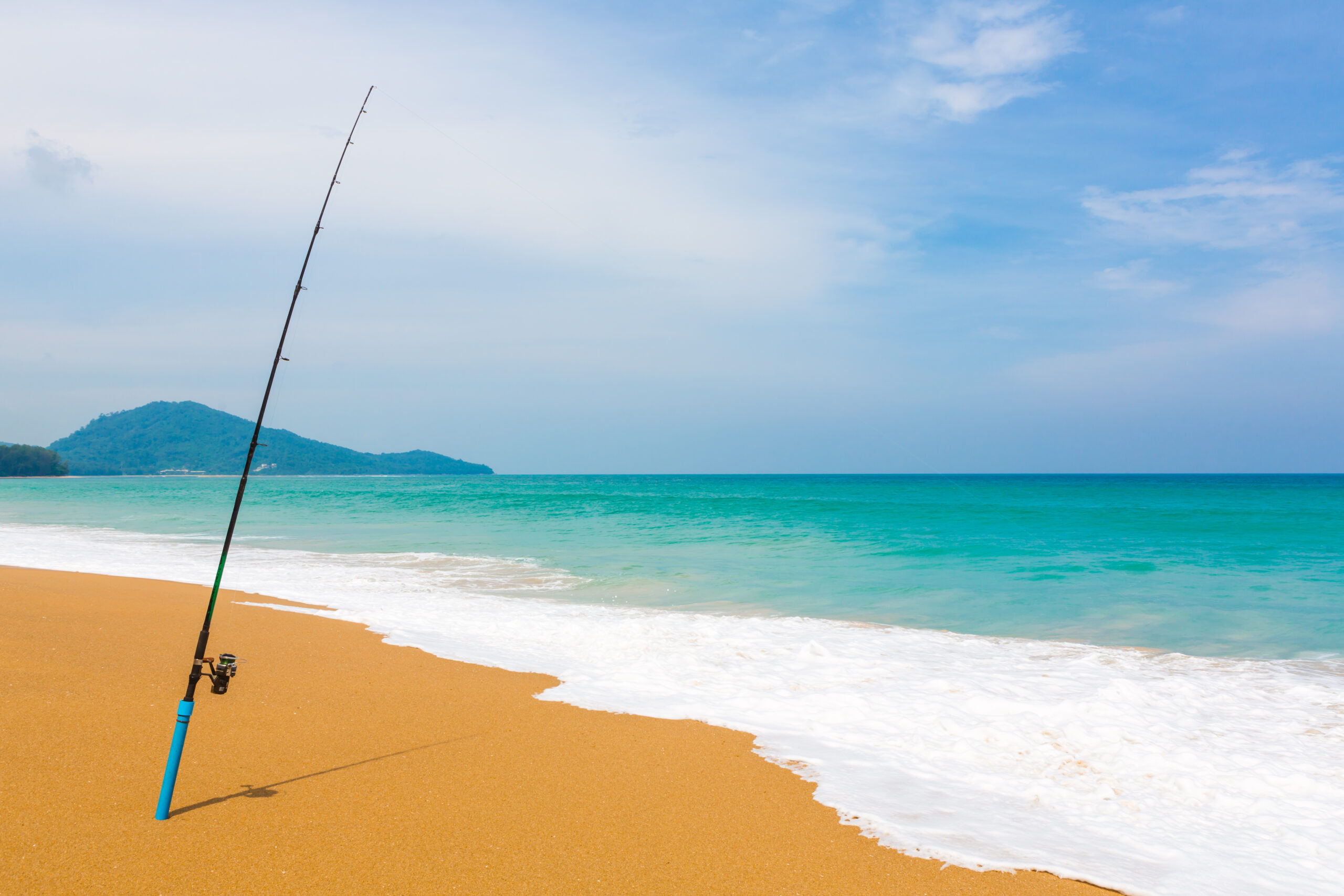
Surf fishing in Southern California puts unique demands on your reel. You need casting distance to reach beyond the breakers, drag power to handle halibut, white seabass, and corbina, plus corrosion resistance to survive constant sand and salt spray. The wrong reel will corrode in weeks, seize up with sand, and leave you fighting your equipment instead of fish.
The right surf reel is a spinning reel — specifically a 4000–6000 size with sealed bearings, smooth drag, and enough capacity for 200+ yards of 20lb braid. Here are the reels that survive the surf and catch fish.
⚡ Quick Picks
Best overall: Penn Spinfisher VII 4500 — IPX5 sealed, 20 lbs of drag, built for the surf.
Best budget: Daiwa BG MQ 4000 — rigid Monocoque body, punches way above its price.
Best for big fish: Shimano Saragosa SW 5000 — 20 lbs of waterproof drag for halibut and white seabass.
Best long cast:Penn Spinfisher VII 5500 Long Cast — shallow spool designed for maximum distance.
Best premium: Shimano Twin Power SW 6000 — silky smooth, bomb-proof, the last surf reel you’ll buy.
Why Spinning for Surf Fishing?
Spinning reels are the clear choice for surf fishing for three reasons:
Casting distance. Surf fishing requires long casts to reach the sand bars, troughs, and channels where fish feed. Spinning reels cast lighter weights farther than conventional, and they don’t backlash in the wind — a constant factor on SoCal beaches.
Ease of use. When you’re standing in surf up to your waist, dealing with waves, sand, and running fish, you need a reel that works without fuss. Spinning reels have a simpler operating motion — flip the bail, cast, close the bail, retrieve.
Light line performance. Most surf fishing uses 15–25lb braid with a fluorocarbon leader. Spinning reels handle these lighter line classes better than conventional, giving you better casting performance and more natural bait presentations. See our line guide for specific braid and fluoro recommendations.
What to Look for in a Surf Reel
Size: 4000–6000. This is the sweet spot for SoCal surf. A 4000 is lighter and better for long casting sessions targeting perch and corbina. A 5000–6000 gives you more drag and capacity for halibut, white seabass, and larger sharks. For most anglers, a 4500–5000 size is the best all-around choice.
Sealed bearings and body. This is the most important feature for a surf reel. Sand and saltwater destroy open bearings in weeks. Look for reels with IPX-rated water resistance (IPX5 or higher). The Penn Spinfisher VII (IPX5) and Shimano Saragosa (X-Shield/X-Protect) both offer genuine sealed protection. Sealed bearings are the difference between a reel that lasts one season and one that lasts five years.
Drag: 15–25 lbs. A 15-pound halibut in the surf fights harder than one on a boat because the waves and current are working against you. A good surf reel should deliver at least 15 lbs of smooth drag — 20+ lbs if you’re targeting white seabass from shore.
Line capacity: 200+ yards of 20lb braid. You need extra capacity for long casts (which eat up 50–80 yards per cast) plus fighting room. Most of the reels below hold 300+ yards — plenty of margin.
Gear ratio: 5:1–6:1. A medium-to-high gear ratio lets you pick up slack quickly when waves push a fish toward you, and retrieve your rig at a reasonable speed between casts. Avoid ultra-high ratios (7:1+) as they sacrifice cranking power.
Best Surf Fishing Reels
Best Overall: Penn Spinfisher VII 4500
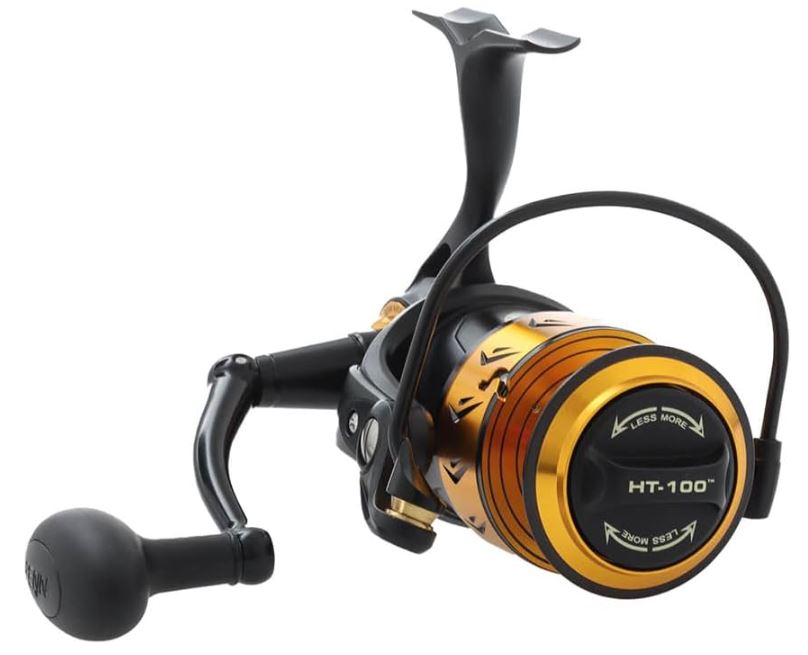
The Spinfisher has been the go-to surf reel for decades, and the VII is the best version yet. IPX5 sealing on both the body and spool means you can dunk it in a wave and keep fishing — sand and salt don’t get in. Full metal body with CNC brass gears, 20 lbs of HT-100 carbon fiber drag, and 320 yards of 20lb braid capacity. The 4500 size weighs just 12.5 oz — light enough for all-day casting. At roughly $130, it’s the best value sealed surf reel on the market. The 6.2:1 gear ratio retrieves fast enough to pick up slack in the surf without sacrificing cranking power. This is the reel that SoCal surf anglers buy when they’re serious about fishing the beach regularly.
Best Budget: Daiwa BG MQ 4000
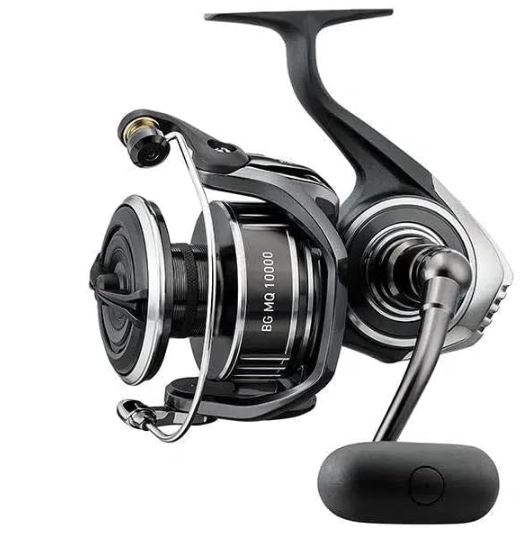
Daiwa’s BG MQ punches way above its price. The Monocoque one-piece body is far more rigid than typical reels at this price point — it doesn’t flex under load, which keeps the gears aligned and the retrieve smooth. 17.6 lbs of max drag handles any SoCal surf species, and the body is corrosion-resistant enough for regular beach use (though not as sealed as the Spinfisher or Saragosa). If you’re building your first dedicated surf setup and don’t want to spend $150+ on a reel, this is where to start. Pairs great with a budget surf rod for a complete setup under $250. Also does double duty as a yellowtail reel on the party boat.
Best for Big Fish: Shimano Saragosa SW 5000
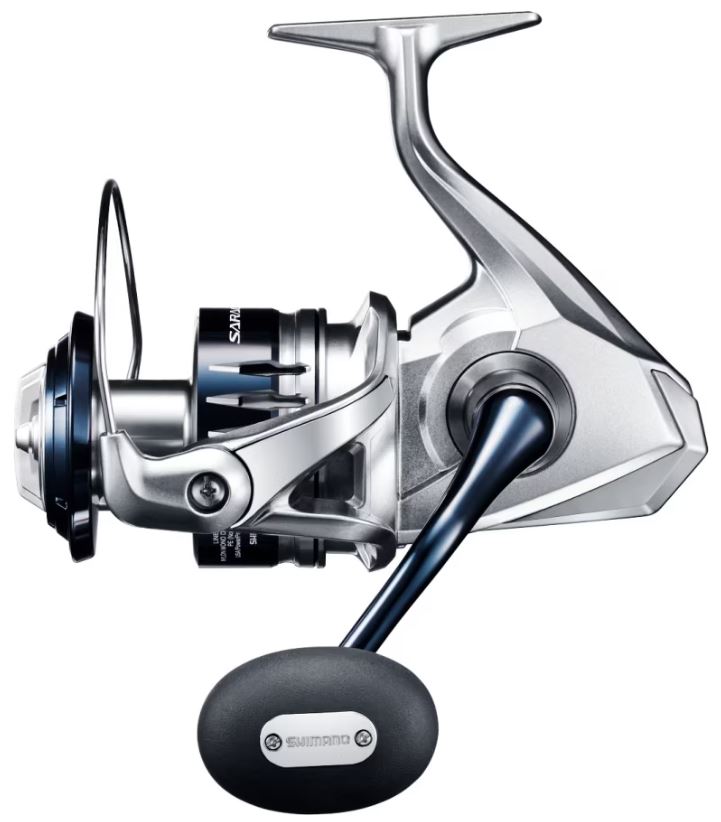
If you’re targeting halibut and white seabass from shore — fish that run hard and require serious drag — the Saragosa SW 5000 is the better choice over the Spinfisher. 20 lbs of Shimano’s Cross Carbon drag is noticeably smoother than Penn’s HT-100, especially at low drag settings where halibut bites happen. The X-Shield and X-Protect sealing is comparable to IPX5, and the Hagane body doesn’t flex. More expensive than the Spinfisher, but the drag quality justifies it when you’re fighting a 20-pound halibut in the wash. Also doubles as your light iron and dorado reel offshore.
Best Long Cast: Penn Spinfisher VII 5500 Long Cast
Penn makes a dedicated Long Cast version of the Spinfisher with a shallow, wide spool designed to shed line with less friction. The result is 10–15% more casting distance compared to the standard spool — and in surf fishing, that extra distance often means reaching the trough or sandbar where the fish are. The 5500 size gives you 25 lbs of drag and 380 yards of 30lb braid — serious capacity for bigger surf species and long runs. Heavier at 18.5 oz, so it’s not ideal for all-day light-tackle sessions, but for dedicated halibut and white seabass surf fishing, the extra casting distance and power are worth the weight.
Best Premium: Shimano Twin Power SW 6000
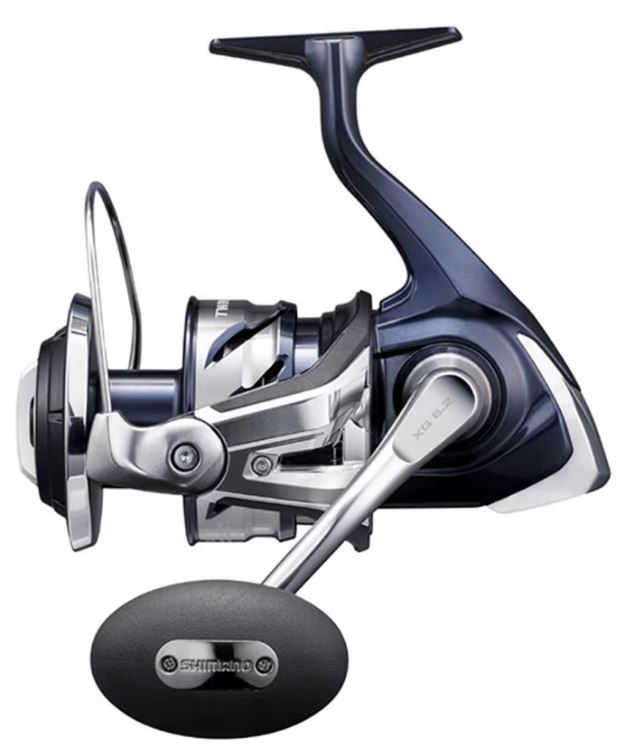
The Twin Power is overkill for casual surf fishing — and that’s exactly why serious surf anglers love it. Infinity Drive reduces rotational resistance under load, so retrieves stay smooth even when you’re cranking against surf current with a fish on. The drag is the smoothest in this lineup, the sealing is bomb-proof, and the build quality means it will outlast multiple cheaper reels. At 6000 size, it handles anything the SoCal surf throws at you — halibut, white seabass, bat rays, sharks, whatever. It’s also your premium popper and iron reel when you’re not on the beach. A buy-once reel.
Also Consider: Shimano Saragosa SW 6000
The 6000 version of the Saragosa for anglers who want more capacity and drag than the 5000 but don’t want to spend Twin Power money. Same sealed construction, same smooth drag system, just bigger. Best for surf anglers who regularly encounter white seabass, large bat rays, or sharks that demand more line capacity and drag. Also the standard yellowtail iron reel, so it does double duty if you fish both surf and offshore.
Which Reel for Which Situation
| Situation | Best Reel Size | Top Pick |
|---|---|---|
| Perch, corbina, light surf | 4000 | BG MQ 4000 |
| All-around SoCal surf | 4500 | Spinfisher VII 4500 |
| Halibut focused | 5000 | Saragosa 5000 |
| Maximum casting distance | 5500 LC | Spinfisher VII 5500 Long Cast |
| White seabass from shore | 5000–6000 | Saragosa 5000 or 6000 |
| Big sharks / bat rays | 6000 | Saragosa 6000 |
| Premium / buy-once | 6000 | Twin Power 6000 |
| Budget first setup | 4000 | BG MQ 4000 |
Matching Your Reel to a Surf Rod
Your reel and rod need to balance. A heavy reel on a light rod is fatiguing; a light reel on a heavy rod feels unbalanced. Here are the standard pairings:
| Setup | Reel | Rod | Target |
|---|---|---|---|
| Light surf | BG MQ 4000 or Spinfisher 4500 | 9′ medium | Perch, corbina, small halibut |
| All-around | Saragosa 5000 or Spinfisher 4500 | 10′ medium-heavy | Halibut, white seabass, guitarfish |
| Heavy surf | Saragosa 6000 or Twin Power 6000 | 10–11′ heavy | Big halibut, WSB, sharks, bat rays |
For complete rod and reel pairing recommendations across all fishing styles, see our best rod and reel combo guide.
Best Surf Reel Setup (Line and Terminal)
Mainline: 15–20lb braided line. Braid gives you casting distance (thinner diameter = less air resistance), sensitivity to feel bites through the long rod, and zero stretch for solid hooksets at distance. PowerPro Super Slick V2 in 20lb or Daiwa J-Braid Grand for maximum casting distance — see our line guide for more options.
Leader: 12–20lb fluorocarbon, 3–4 feet. Berkley Vanish is the best value for surf leaders — you go through leader material fast in the sand and rocks. Seaguar Blue Label for premium. Connect to braid with an FG knot.
Rig options:
The Carolina rig is the most versatile surf rig — a sliding egg sinker above a swivel, then 2–3 feet of fluoro leader to your hook. Works for halibut, croaker, perch, corbina, and white seabass.
A dropper loop rig is effective for fishing multiple baits at different depths — great for prospecting when you’re not sure what’s in the area.
Swimbaits on jigheads are deadly for halibut when the surf is calm enough to work them properly.
Hooks: 2/0–4/0 circle hooks for bait fishing — they self-set in the surf, which is a huge advantage when you can’t always hold the rod. See our hooks guide for specific sizes by species.
Surf Reel Maintenance
Surf reels take more abuse than any other type. Sand, salt, and wave impacts hammer the internal components. Here’s how to keep yours running:
Rinse immediately after every session. Not when you get home — at the beach, if possible. Dunk the reel in a bucket of fresh water or rinse under a hose. Salt crystallizes as it dries and grinds into the bearings and drag.
Open the bail and spin the rotor while rinsing. This flushes sand from the line roller area — the most common failure point on surf reels.
Dry before storing. Leave the reel out to air dry completely before putting it in a bag or tackle box. Storing wet reels accelerates corrosion.
Don’t set the drag when storing. Back the drag off completely when you’re done fishing. Storing a reel with the drag compressed wears out the washers faster.
Deep clean 2–3 times per season. Remove the spool, clean the drag washers, re-grease if needed. If your reel feels gritty or the drag starts sticking, it’s time for a deep clean or professional service.
Frequently Asked Questions
What is the best all-around surf fishing reel?
The Penn Spinfisher VII 4500. IPX5 sealed body and spool, 20 lbs of drag, 320 yards of 20lb braid, and it weighs just 12.5 oz. At roughly $130, it’s the best value sealed surf reel available. If you want smoother drag and are willing to spend more, the Shimano Saragosa 5000 is the premium alternative.
What size reel for surf fishing?
4000–4500 for light surf (perch, corbina, small halibut). 5000 for all-around use including larger halibut and white seabass. 6000 only if you regularly target large species (big halibut, sharks, bat rays) or need maximum casting distance and line capacity.
Do I need a sealed reel for surf fishing?
Strongly recommended. Sand and salt spray destroy unsealed bearings within weeks of regular surf use. A sealed reel (IPX5 rated like the Spinfisher or X-Shield like the Saragosa) lasts years instead of months. The extra $30–50 for sealed construction pays for itself many times over.
Can I use my offshore spinning reel for surf?
Yes — reels like the Saragosa 5000, Saragosa 6000, and Twin Power 6000 all work great in the surf. They’re sealed, have plenty of drag, and the 5000–6000 sizes are the right capacity. Just rinse thoroughly after surf sessions since the sand exposure is harsher than boat fishing.
What line should I use for surf fishing?
15–20lb braid (PowerPro or J-Braid Grand) with a 12–20lb fluorocarbon leader (Berkley Vanish). Connect with an FG knot. See our complete line guide for more detail.
What’s the best budget surf reel?
The Daiwa BG MQ 4000. The Monocoque body is more rigid than anything else at this price, and 17.6 lbs of drag handles all SoCal surf species. It’s not fully sealed like the Spinfisher, so rinse it thoroughly after every session, but at well under $150 it’s an excellent entry-level surf reel.
Penn Spinfisher or Shimano Saragosa for surf?
Spinfisher if budget matters — the 4500 costs significantly less than the Saragosa 5000 and the IPX5 sealing is excellent for surf use. Saragosa if drag quality matters — Shimano’s Cross Carbon drag is noticeably smoother, which helps with finicky halibut bites at low drag settings. Both are excellent surf reels that will last years with proper care.
Plan Your Surf Trip
- SST Charts — Check nearshore temps for halibut (55–65°F) and white seabass (58–66°F) windows
- Chlorophyll Maps — Find bait concentrations near your beach
- Fleet Tracker — See nearshore activity
- Marine Weather — Wind, swell, and tide (critical for surf fishing)
- AI Fishing Predictions — Data-driven surf fishing forecasts
- SD Fishing Season Calendar — What’s biting from shore this month
Related Guides
- Best Surf Casting Rods
- Surf Fishing at Doheny State Beach
- How to Find Halibut Surf Fishing
- White Sea Bass Surf Fishing
- Best Swimbaits for Halibut
- Best Water Temp for Halibut
- Best Water Temp for White Seabass
- Best Reel for Yellowtail
- Best 20lb Reels
- Spinning vs Conventional Reels
- Braid vs Mono vs Fluorocarbon
- Best Fishing Line by Pound Test
- Best Fishing Knots
- Carolina Rig Setup
- Dropper Loop Rig
- Circle Hooks vs J Hooks
- Best Hooks by Species
- Best Rod & Reel Combos for SoCal
- Overnight Trip Packing List
Tight lines!