• Best Swimbaits for Halibut Fishing

    Best Swimbaits for Halibut Fishing

    Swimbaits have become the most popular artificial lure for targeting California halibut, and for good reason. A well-presented soft plastic swimbait imitates the small baitfish and sand-dwelling prey that halibut eat every day. Unlike live bait, you can fish swimbaits all day without worrying about your bait dying, you can cover more ground with active retrieves, and you can fish water that’s hard to reach with bait — sandy pockets between rocks, shallow flats, and narrow troughs in the surf.

    This guide covers the best swimbaits for halibut, how to rig them, and the techniques that consistently produce fish from boats, kayaks, and the beach.

    ⚡ Quick Picks

    Best overall: Big Hammer 4″ — the SoCal halibut standard. Strong paddle tail, proven colors, catches everywhere.

    Best for surf (hard body): Lucky Craft FlashMinnow 110 — suspends 1–2 ft deep, killer jerkbait action for halibut in the troughs.

    Best for clear water: Berkley Gulp! 4″ Swimming Mullet — scent-infused, draws cautious fish that won’t commit to unscented plastic.

    Best for surf (soft plastic): Z-Man MinnowZ 3″ — nearly indestructible ElaZtech survives rocks and dozens of fish.

    Best for deep water: Keitech Swing Impact FAT 4.8″ — oversized profile triggers bigger halibut at depth.

    Best hard body: Lucky Craft Gunfish — tight natural action for shallow bays and flats.

    When to Throw What

    SituationBest SwimbaitJig HeadWhy
    Surf troughsLucky Craft FlashMinnow 110N/A (hard body)Suspends 1–2 ft deep, jerk-and-pause triggers halibut in shallow troughs
    Surf (sandy bottom)Z-Man MinnowZ 3″1/4–1/2 oz roundIndestructible in rocks, buoyant tail kicks at slow bottom-drag speeds
    Heavy surf / currentBig Hammer 4″1/2–3/4 oz footballStrong vibration cuts through turbulence
    Clear calm waterGulp! Swimming Mullet1/4–3/8 oz roundScent draws cautious fish in high-visibility conditions
    Bay flats (5–15′)Lucky Craft GunfishN/A (hard body)Consistent depth, lifelike action, excellent hookup ratio
    Boat drift (20–40′)Big Hammer 4″1/2–3/4 oz roundProven all-around producer at moderate depth
    Deep structure (40–60′)Keitech 4.8″3/4–1 oz footballOversized profile draws big halibut, strong flutter on fall
    Slow bite / finickyGulp! Swimming Mullet1/4 oz round (dead stick)Scent trail converts followers, dead-stick patience
    Rock / reef transitionsZ-Man MinnowZ 3″3/8 oz dartSurvives snags, dart head triggers staged fish

    Best Soft Plastic Swimbaits

    Best Overall: Big Hammer 4″ Swimbait
    Buy it on Amazon

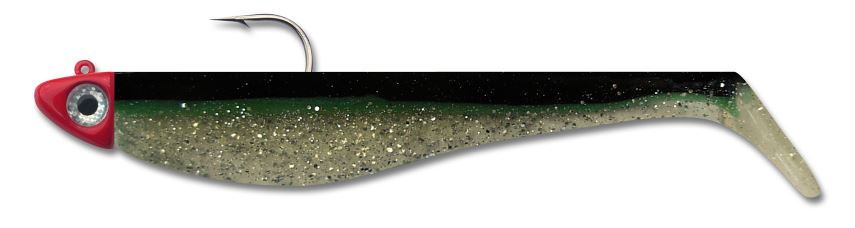
    The Big Hammer has been catching SoCal halibut for years and remains the benchmark. The wide paddle tail creates a strong, thumping vibration that halibut can detect from distance — important because halibut use their lateral line to sense prey movement in low-visibility conditions. The 4-inch size matches the small smelt and gobies that halibut feed on along sandy bottom. Smelt, sardine, and glow/chartreuse are the money colors. Rig on a 1/2 oz round jig head with a 4/0 wide-gap hook and drag it across sandy bottom — this is the setup that consistently produces from party boats, drift boats, and the surf. If you only buy one halibut swimbait, this is it.

    Best Hard Body for Surf: Lucky Craft FlashMinnow 110
    Buy it on Amazon

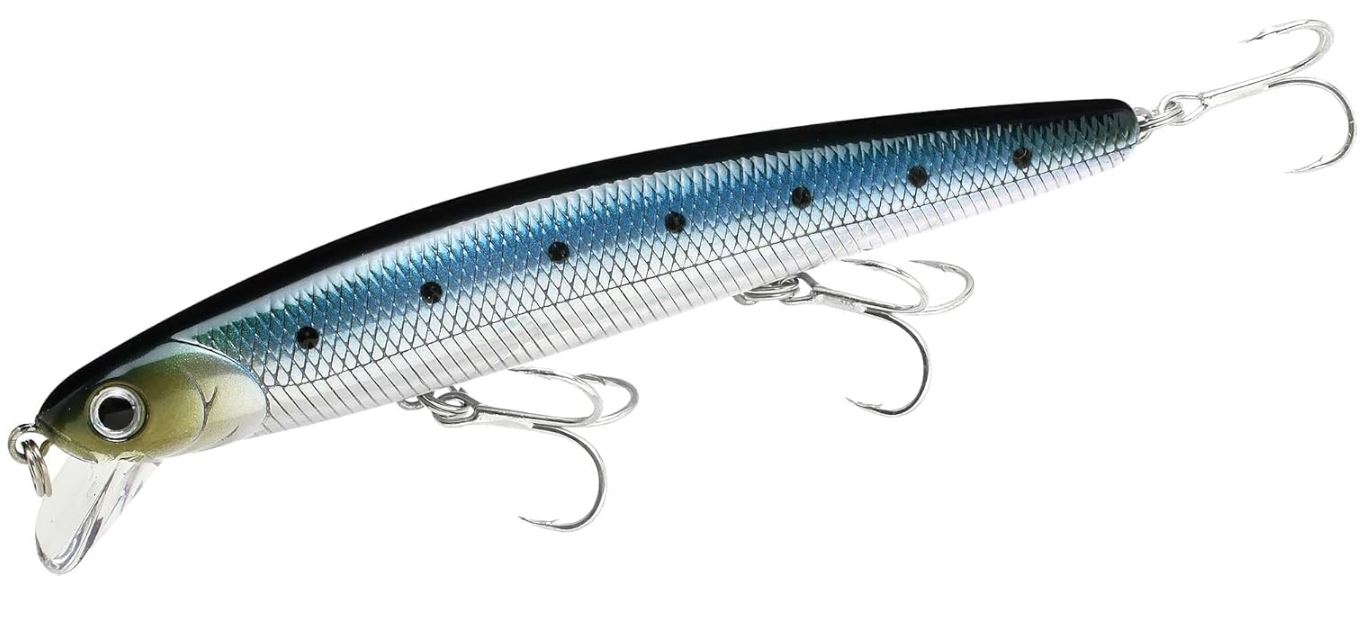
    The FlashMinnow 110 is the lure that changed SoCal surf halibut fishing. Part of Lucky Craft’s California Inshore Fishing (CIF) series, this 4.5-inch suspending jerkbait runs just 1–2 feet below the surface — right where halibut are looking up for prey in the troughs. The weight-shift system launches it well past the breakers, and the tight side-to-side action on a jerk-and-pause retrieve is irresistible. When you stop reeling, the FlashMinnow suspends in place and wobbles — that pause is when halibut strike. Corrosion-resistant VMC treble hooks come standard, and the hookup ratio is excellent since halibut commit hard on the pause. Metallic sardine and pearl white are the go-to colors. Fish it on a 7’6″–8′ medium to medium-heavy rod with 15–20lb braid and 12–15lb fluoro leader. Where soft plastics drag the bottom, the FlashMinnow covers the upper water column — carry both and you have the entire strike zone covered.

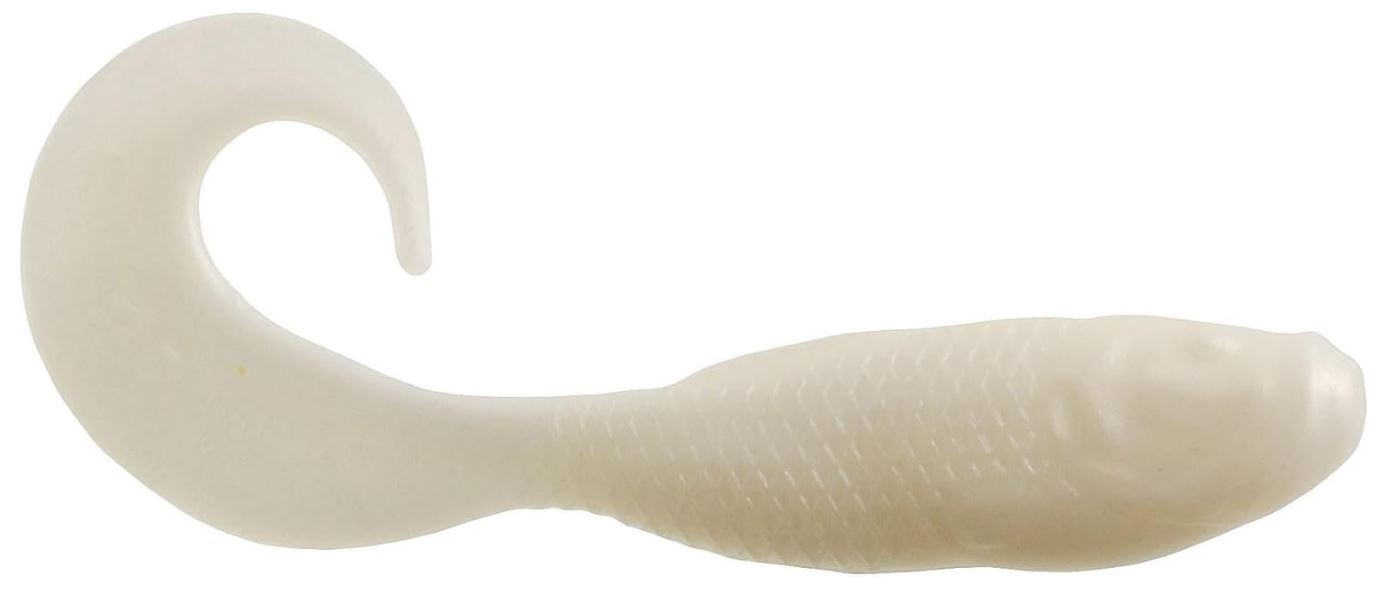
    Best for Clear Water: Berkley Gulp! 4″ Swimming Mullet
    Buy it on Amazon

    The Gulp! line infuses scent into the soft plastic, which gives you an edge in clear water where halibut can be cautious. The swimming mullet profile is a natural match for SoCal forage species, and the scent trail draws fish that might shy away from an unscented lure. Especially effective when halibut are in ambush mode and not actively chasing — the scent encourages them to commit when the visual alone wouldn’t. Pearl white and new penny are top producers. Also the best choice for the dead-stick technique — let the Gulp! sit on the bottom and the scent does the work while you wait. Keep them in their original bag juice when not in use; they dry out and lose effectiveness if stored improperly.

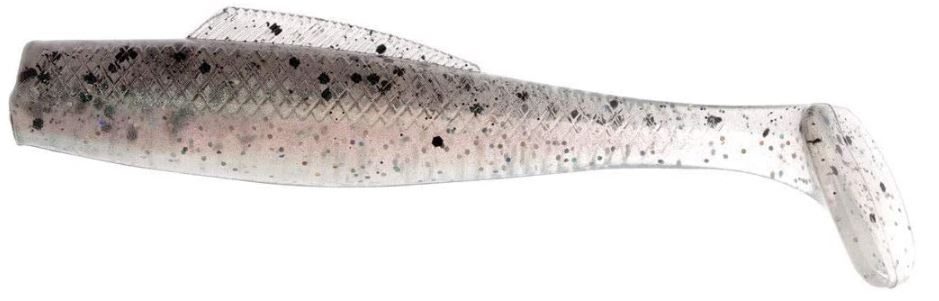
    Best for the Surf: Z-Man MinnowZ 3″
    Buy it on Amazon

    The Z-Man’s ElaZtech material is nearly indestructible — it survives dozens of fish, rocky bottom, and the abuse of surf casting without tearing. The smaller 3-inch profile matches the sand crabs and small baitfish that halibut eat in the surf zone. Rig it on a light jig head (1/4–1/2 oz) and work it through the troughs on a slow, bottom-bouncing retrieve. The material’s buoyancy keeps the tail kicking even at very slow speeds — critical in the surf where you need to creep the bait along the sand. Pair with a 4000–5000 spinning reel and 15–20lb braid for a deadly surf halibut setup.

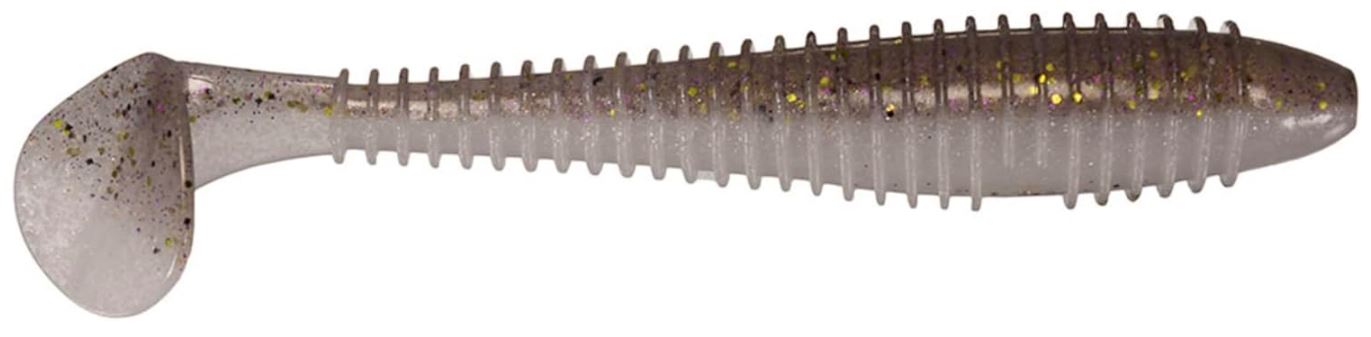
    Best for Deep Water: Keitech Swing Impact FAT 4.8″
    Buy it on Amazon

    When you’re fishing halibut from a boat in 30–60 feet of water, you need a swimbait with enough size and action to draw attention at depth. The Keitech’s ribbed body creates subtle vibrations on the fall, and the fat paddle tail thumps hard even on a slow retrieve. The 4.8-inch size stands out on the bottom and triggers strikes from bigger halibut that won’t bother with a 3-inch bait. Sexy shad and bluegill are the standard colors. Rig on a 3/4–1 oz football head to maintain bottom contact in current — the football shape keeps it tracking upright instead of rolling over.

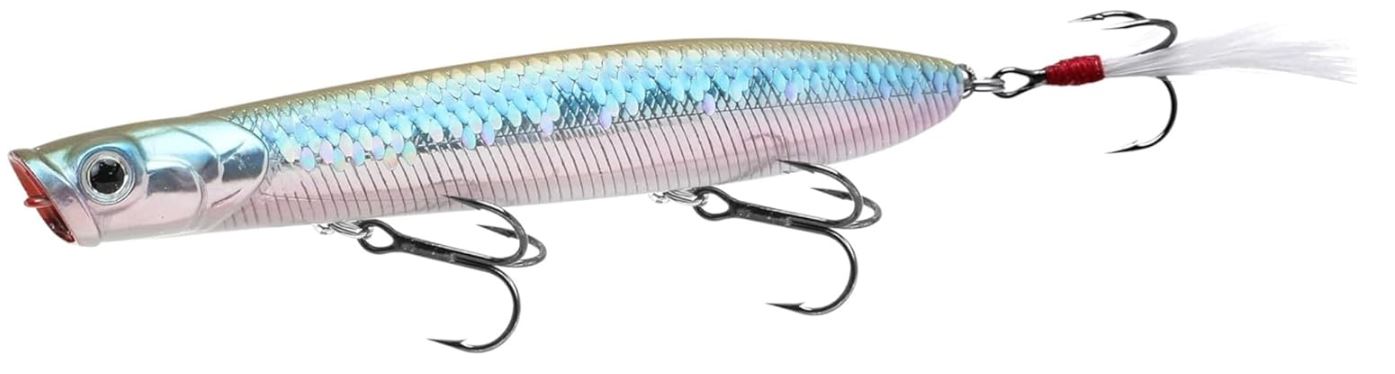
    Best for Flats and Bays: Lucky Craft Gunfish
    Buy it on Amazon

    In shallow bays and over sand flats where halibut cruise in 5–15 feet of water, a hard-body swimbait with a tight, natural action excels. These lures swim at a consistent depth on a steady retrieve and look incredibly lifelike. They’re more expensive than soft plastics and you risk losing them to snags, but the hookup ratio is excellent because the treble hooks catch fish that swipe at the lure. Trout and sardine patterns are most effective. Best fished in San Diego Bay, Mission Bay, and Newport Back Bay on calm days when you can see the sandy bottom. A medium-fast 7-foot rod gives you the accuracy to cast these into tight sandy pockets.

    Jig Heads

    The jig head is as important as the swimbait itself. Weight, hook size, and head shape all affect how your swimbait fishes.

    Weight

    Match to depth and current. Use the lightest weight that maintains bottom contact — halibut eat prey that moves naturally, not lures that plummet to the sand.

    ScenarioWeightWhy
    Surf fishing1/4–3/4 ozStays near bottom in wash without sinking too fast
    Bay / flats1/4–1/2 ozLight weight for natural drift in calm, shallow water
    Boat (20–40′)1/2–3/4 ozReaches bottom on drift, holds during slow retrieve
    Boat deep (40–60′)3/4–1 ozGets to bottom fast in deeper water and current
    Heavy current1–1.5 ozMaintains bottom contact in strong tidal flow

    Hook Size

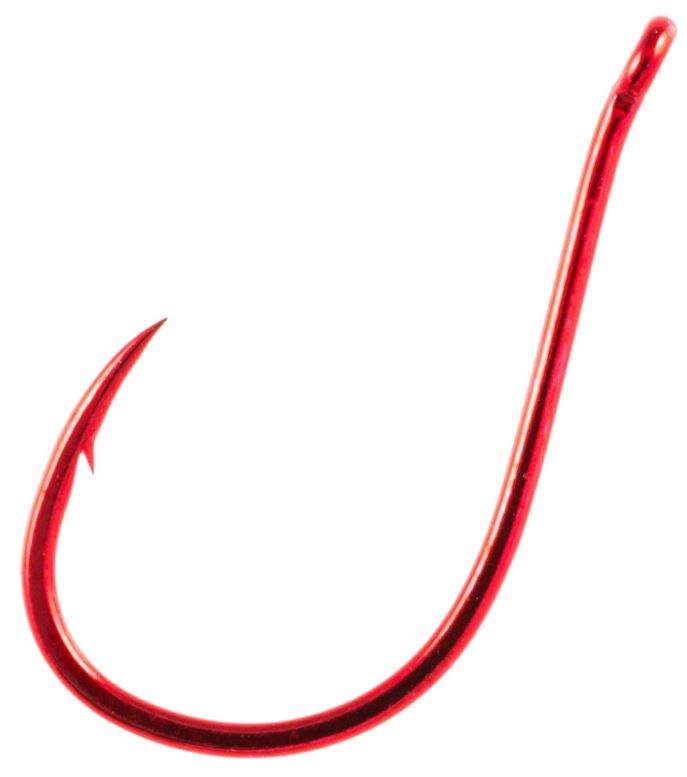
    3/0–5/0 wide-gap for most 3–5 inch swimbaits. The hook point should exit the swimbait cleanly with a wide enough gap to penetrate the halibut’s bony jaw. Cheap jig heads with thin-wire hooks bend on big halibut — invest in quality heads with forged, sharp hooks. See our hooks guide for specific hook recommendations.

    Head Shape

    Round: Works everywhere and is the default choice. Best for general slow drag retrieves over sand.

    Football: More bottom stability in current — doesn’t roll on its side as easily. Best for boat drifts and the hop technique over sand-to-rock transitions.

    Dart: Creates an erratic, darting action that can trigger strikes from following fish. Best for reef edges and structure transitions where halibut stage.

    How to Fish Swimbaits for Halibut

    The Slow Drag (Best All-Around Technique)

    Cast out, let the swimbait sink to the bottom, and retrieve with a slow, steady pace — just fast enough to keep the tail kicking. You want the jig head to tick the bottom every few feet, kicking up little puffs of sand. Halibut ambush from the bottom, and a swimbait dragging along at their eye level is irresistible. This is the technique to start with every session. Works with every swimbait on this list — the Big Hammer and Keitech are particularly effective because their strong paddle tails generate vibration even at crawling speeds.

    The Hop

    When the slow drag isn’t producing, try short, sharp rod lifts that hop the swimbait off the bottom 6–12 inches, then let it flutter back down. The falling action often triggers a strike from a halibut that was watching but not committed. Especially effective over sand-to-rock transitions where halibut stage. Use a football jig head for this — it lands upright after each hop instead of falling on its side. The Keitech 4.8″ excels here because the ribbed body creates extra flutter on the fall.

    The Jerk and Pause (Best for Hard Bodies in the Surf)

    This is the FlashMinnow 110 technique. Cast into or parallel to the trough, give two or three sharp rod twitches to make the lure dart side-to-side, then pause for 2–3 seconds. The FlashMinnow suspends at 1–2 feet and wobbles in place during the pause — that wobble is what triggers the strike. Halibut will follow the lure during the jerks and eat it on the stop. Vary your pause length until you find what they want. On some days a quick one-second pause produces; on others, a long 4–5 second pause is the key. This technique covers the upper water column that bottom-dragging soft plastics miss.

    The Dead Stick

    Cast out, let the swimbait sit on the bottom, and wait. Give it an occasional twitch — just enough to make the tail flutter — then let it sit again. This sounds boring, but halibut will sometimes sit and stare at a swimbait for 30+ seconds before finally eating it. Patience pays. Works best with scented soft plastics like the Gulp! — the scent trail does the selling while you wait. Most effective in bays and calm surf conditions where halibut are holding in ambush positions.

    Where to Fish Swimbaits for Halibut

    Surf: Work the troughs between sandbars — these channels are halibut highways. For soft plastics, cast parallel to the beach and drag the swimbait through the trough. For hard bodies, throw a FlashMinnow 110 into the trough and work it with a jerk-and-pause retrieve — the 1–2 foot running depth keeps it right in the strike zone without snagging the bottom. Read our Doheny surf fishing guide and halibut surf fishing guide for how to find these features. A light Carolina rig with a trailing swimbait is also deadly in the surf.

    Bays: San Diego Bay, Mission Bay, Newport Back Bay — all hold halibut year-round. Target the sandy flats adjacent to channels where halibut move with the tide. Fish the last two hours of incoming tide for best results. The Lucky Craft is the top choice here — steady retrieve over clean sand flats.

    Boats: Drift over sandy bottom in 20–60 feet along the coast. Watch your SST chart for water in the optimal halibut temperature range (58–68°F), and fish sandy bottom near structure transitions. The Big Hammer on a 1/2–3/4 oz head is the standard boat swimbait, with the Keitech 4.8″ for deeper water and bigger fish.

    Gear for Halibut Swimbaits

    ScenarioReelRodLineLeader
    SurfSaragosa 5000 or Spinfisher 45009–10′ mediumPowerPro 20lbVanish 15lb
    Surf (FlashMinnow)Saragosa 5000 or Spinfisher 45007’6″–8′ med-heavy fastPowerPro 15–20lbBlue Label 12–15lb
    Bay / flatsBG MQ 40007′ medium-fastPowerPro 15lbBlue Label 12lb
    BoatSaragosa 5000 or BG MQ 40007′ mediumPowerPro 20lbBlue Label 15lb

    A spinning reel in the 3000–5000 class is the standard halibut swimbait setup. Braided line in 15–20lb gives you the sensitivity to feel the bite, and a 12–15lb fluorocarbon leader provides the invisibility to fool wary halibut in clear water. Connect braid to leader with an FG knot. See our surf reel guide for beach-specific options, our 20lb reel guide for boat use, and our combo guide for complete pairings.

    Color Selection Guide

    ConditionBest ColorsWhy
    Clear water / sunnyPearl white, natural smelt, sardineMatches natural forage in high visibility
    Murky / overcastChartreuse, glow, new pennyHigh contrast makes the bait visible
    Dawn / duskDark purple, motor oil, black/redSilhouette against fading light
    Sandy bottomSand, smelt, brown/goldBlends with surroundings (match the hatch)
    Bay over grass/rockBluegill, sexy shad, troutMatches gobies and small bass

    When in doubt, start with smelt or pearl white in clear conditions, chartreuse in dirty water. If the bite is slow, switch to something dramatically different — the color change alone can trigger a following fish to commit.

    Frequently Asked Questions

    What is the best swimbait for California halibut?

    For soft plastics, the Big Hammer 4″ in smelt or sardine on a 1/2 oz round jig head is the all-around best producer — it’s the swimbait that more SoCal halibut have been caught on than any other. For the surf specifically, the Lucky Craft FlashMinnow 110 is a game-changer — the suspending jerkbait action triggers aggressive strikes in the troughs. For clear water, add the Gulp! Swimming Mullet to your bag — the scent converts followers.

    What size swimbait for halibut?

    3–4 inches covers 90% of SoCal halibut fishing. Use 3″ (Z-Man MinnowZ) in the surf and shallow bays, 4″ (Big Hammer) from boats and in deeper water, and 4.8″ (Keitech) when targeting bigger halibut at depth. Larger swimbaits generally draw larger fish but get fewer total bites.

    How do you rig a swimbait for halibut?

    Thread the swimbait onto a round or football jig head (1/4–1 oz depending on depth). The hook point should exit cleanly from the back of the bait with plenty of gap between the hook point and the body. Make sure the swimbait hangs straight on the hook — a crooked bait spins instead of swimming, which kills the action and spooks fish.

    Can I use swimbaits for halibut in the surf?

    Absolutely — swimbaits are one of the most effective surf halibut techniques. For soft plastics, use a Z-Man MinnowZ 3″ or Big Hammer 4″ on a 1/4–3/4 oz jig head and slow-drag the bottom. For hard bodies, the Lucky Craft FlashMinnow 110 is deadly — it suspends 1–2 feet deep and the jerk-and-pause retrieve triggers aggressive strikes in the troughs. A 4500–5000 spinning reel on a 9–10 foot medium surf rod gives you the casting distance to reach productive water. See our halibut surf guide for finding the right spots.

    FlashMinnow or soft plastics — which should I throw in the surf?

    Both, but they cover different zones. The FlashMinnow 110 runs 1–2 feet below the surface and excels when halibut are actively looking up for baitfish in the troughs — work it with a jerk-and-pause retrieve. Soft plastics like the Big Hammer and Z-Man drag the bottom and target halibut in ambush mode on the sand. Start with the FlashMinnow to cover water quickly, then switch to soft plastics if the bite is slow or conditions are murky.

    What retrieve speed for halibut?

    Slow. Painfully slow. The #1 mistake anglers make is fishing swimbaits too fast. Halibut are ambush predators — they want prey that’s easy to catch. Retrieve just fast enough to keep the paddle tail kicking, letting the jig head tick the bottom every few feet. If you think you’re going slow enough, slow down more.

    What’s the best jig head weight for halibut?

    Use the lightest head that maintains bottom contact: 1/4–1/2 oz for surf and bays, 1/2–3/4 oz for boat fishing in 20–40 feet, 3/4–1 oz for 40–60 feet or heavy current. If you can’t feel the bottom, go heavier. If the bait is plummeting and sitting dead, go lighter.

    Gulp! or Big Hammer — which should I carry?

    Both. Start with the Big Hammer for its strong vibration and proven fish-catching ability. Switch to the Gulp! when the bite slows down or in clear calm conditions where the scent gives you an edge. The Gulp! is also better for dead-sticking since the scent trail attracts fish while the bait sits still. Carry both and you’re covered for any condition.

    Plan Your Trip

    Check conditions before targeting halibut:

    Related Guides

    Tight lines!

  • Best Hook Sizes for Every SoCal Species

    Best Hook Sizes for Every SoCal Species

    Using the wrong hook size is one of the easiest ways to miss fish. Too large and the bait looks unnatural, the fish feels the weight, or the hook won’t fit in a smaller mouth. Too small and you can’t get a solid hookset, the hook bends out under pressure, or it gets buried in the bait and never reaches the fish’s jaw. Matching hook size and style to your target species and bait is a fundamental that pays off on every trip.

    This guide covers the best hook choices for every major SoCal saltwater species, organized by target — with specific Owner hook recommendations throughout, because Owner makes the best saltwater hooks on the market and it’s what most serious SoCal anglers use. For a deep dive on hook style, read our circle hooks vs J hooks comparison.

    ⚡ Quick Picks — The Owner Hooks You Need

    Live bait (tuna/yellowtail): Owner Mutu Light Circle 5114 — light wire for lively bait, jaw-hooks 90% of the time.

    General saltwater circle: Owner Mutu Circle 5163 — medium wire, the all-around SoCal circle hook.

    Big fish / chunk bait: Owner Super Mutu Circle — XX-strong wire for bluefin chunks and big white seabass.

    Surface iron trebles: Owner ST-66 Treble — saltwater-grade 4X strong, the upgrade every iron needs.

    Surf / light tackle: Owner Mutu Light Circle 5114 in #2–1/0 — light wire for corbina and perch.

    The Owner Hooks You Need to Know

    Owner makes a lot of hooks. Here are the 8 specific models that cover every SoCal saltwater situation — with a breakdown of what each one does and when to use it.

    HookModel #WireBest ForBuy
    Mutu Light Circle5114LightLive bait fly-lining, light tackle, surfAmazon
    Mutu Circle5163MediumGeneral bait fishing, yellowtail, WSBAmazon
    Super Mutu Circle5127HeavyChunk bait, big bluefin, sharksAmazon
    SSW Circle5178MediumSnelling rigs, dropper loopsAmazon
    SSW Inline Circle5179MediumTournament-legal live baitAmazon
    Cutting Point J Hook5180MediumCalico bass, rockfish, active hooksetsAmazon
    ST-66 TrebleST-66TN4X StrongSurface iron, poppersAmazon
    Mosquito Hook5177LightCorbina, perch, finesse surfAmazon

    Owner Mutu Light Circle (5114) — Best Live Bait Hook

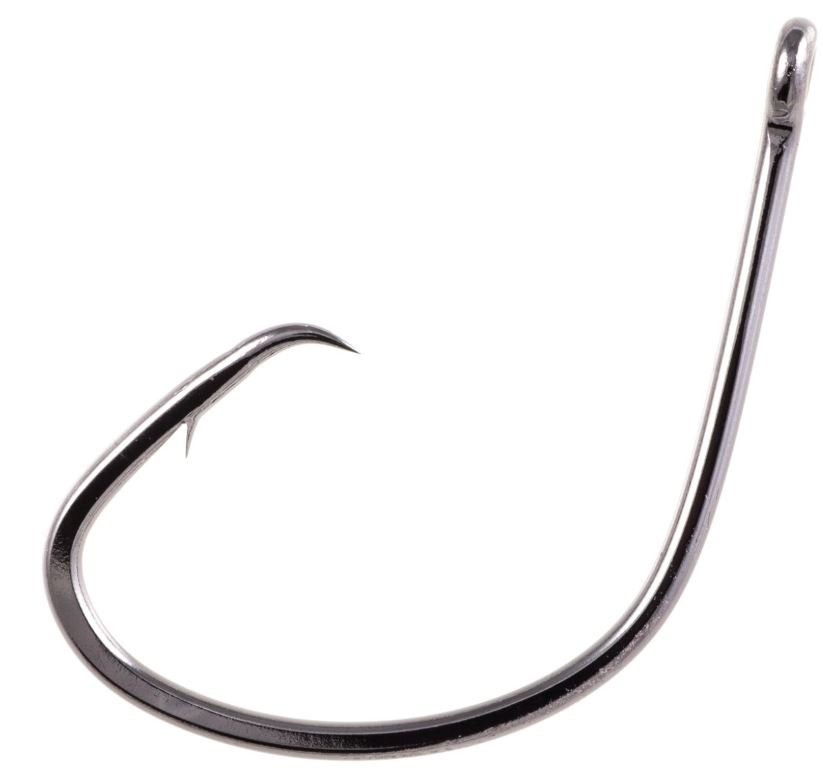
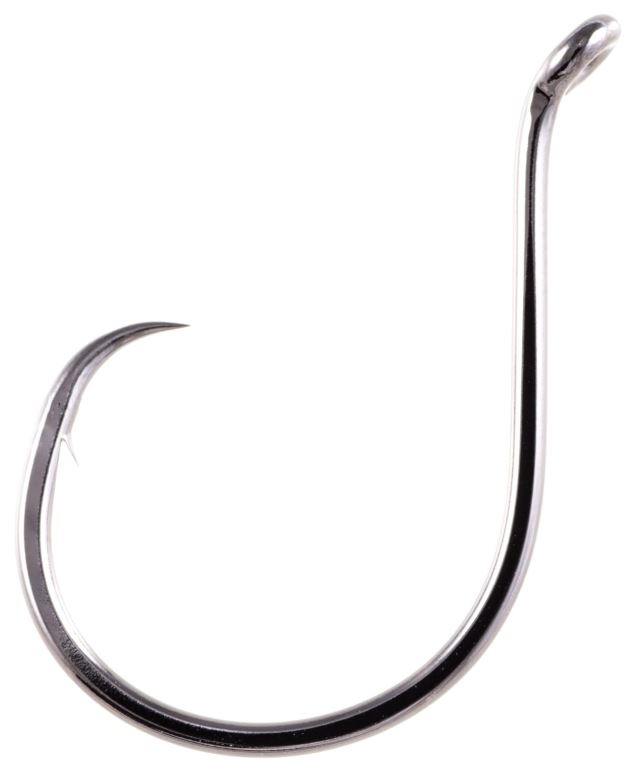
    Owner Mutu Light Circle Hook 5114

    ➜ Buy on Amazon

    The Mutu Light is the #1 hook on SoCal party boats and the single hook that covers more fishing situations than any other. The light wire keeps live baits — sardines, mackerel, smelt — swimming naturally without killing them, and the offset “hangnail” point rotates into the jaw corner about 90% of the time. That means fewer gut-hooks, cleaner releases, and more solid hookups. Corrosion-resistant black chrome finish holds up in salt. Available in sizes #1 through 5/0, with pocket packs (5114) and pro packs (5314) for the sizes you burn through. If you only own one hook, this is it.

    Sizes for SoCal: 2/0–4/0 for tuna and yellowtail live bait. 1/0–3/0 for halibut on a Carolina rig. #2–1/0 for surf species.

    Wire: Light  |  Point: Hangnail offset circle  |  Finish: Black chrome


    Owner Mutu Circle (5163) — Best All-Around Circle Hook

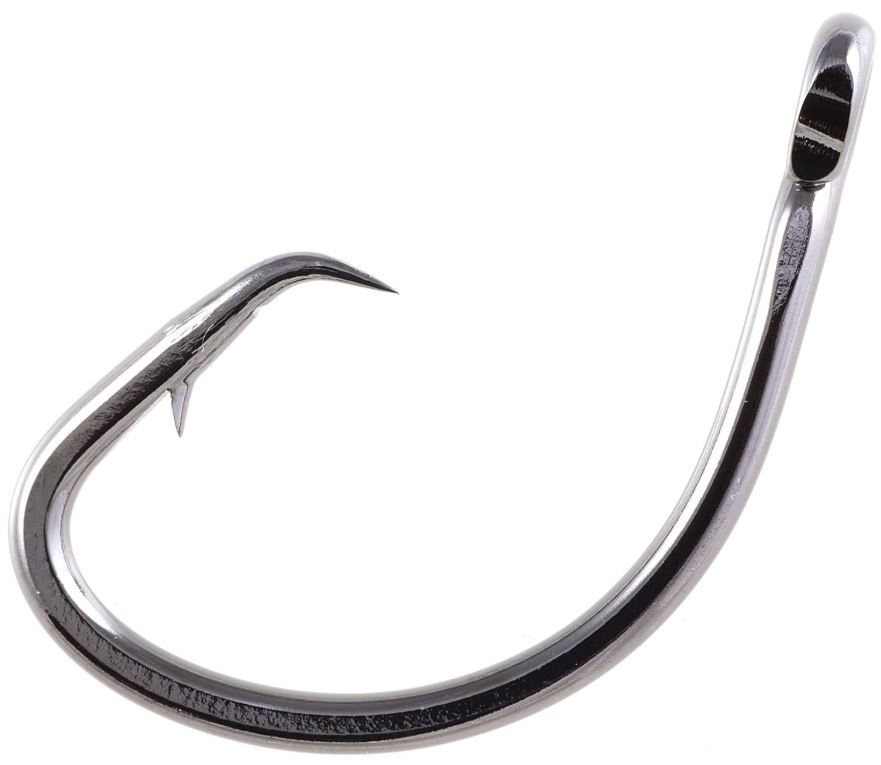
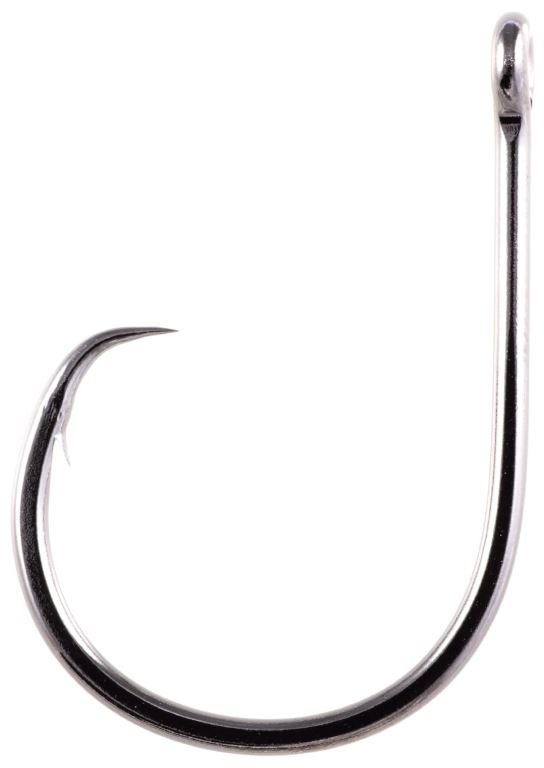
    Owner Mutu Circle Hook 5163

    ➜ Buy on Amazon

    The standard Mutu is the medium-wire step up from the Mutu Light. Same hangnail circle point, same jaw-hooking performance, but with enough wire gauge to handle bigger fish on heavier gear without bending out. This is the hook for white seabass on squid, dorado on live bait, big bluefin on 40lb+ line, and any situation where you need more backbone than the Mutu Light provides. Recommended for use up to 50lb test.

    Sizes for SoCal: 4/0–6/0 for white seabass on slider rigs. 4/0–5/0 for big bluefin. 2/0–4/0 for dorado and yellowtail.

    Wire: Medium  |  Point: Hangnail offset circle  |  Finish: Black chrome


    Owner Super Mutu Circle (5127) — Best for Big Fish & Chunk Bait

    Owner Super Mutu Circle Hook 5127

    ➜ Buy on Amazon

    The Super Mutu is the heavy-duty version — XX-strong wire that won’t open up on a 150-pound bluefin or a big shark. This is the chunking hook. When you’re anchored up and dropping sardine or squid chunks for tuna, the bait doesn’t need to swim, so the heavy wire is an advantage, not a liability. Forged construction adds even more strength. Same proven circle point geometry as the rest of the Mutu line, just built to survive the hardest-pulling fish in SoCal waters.

    Sizes for SoCal: 5/0–7/0 for bluefin chunking. 6/0–8/0 for sharks.

    Wire: XX-Heavy  |  Point: Hangnail offset circle  |  Finish: Black chrome


    Owner SSW Circle (5178) — Best for Dropper Loops & Snelling

    Owner SSW Circle Hook 5178

    ➜ Buy on Amazon

    The SSW is designed with an up-turned eye specifically for snelling — which makes it the ideal dropper loop hook. When you snell a hook onto a dropper loop, the up-eye keeps the hook standing out from the leader at the right angle for clean bait presentation. Medium wire with a slightly offset point (4°) for reliable hookups. The go-to for rockfish rigs, cut squid for white seabass, and any bottom rig where you’re tying directly to the hook.

    Sizes for SoCal: 3/0–5/0 for cut squid WSB rigs. 2/0–4/0 for rockfish dropper loops.

    Wire: Medium  |  Point: Super needle, 4° offset  |  Eye: Up-eye (for snelling)  |  Finish: Black chrome


    Owner SSW Inline Circle (5179) — Best Tournament-Legal Hook

    Owner SSW Inline Circle Hook 5179

    ➜ Buy on Amazon

    The inline version of the SSW — straight eye with the hook point perfectly aligned with the shank. This qualifies as tournament-legal in competitions that require non-offset circle hooks. Same SSW quality and construction, just with an inline point that satisfies the rules. Use this when fishing tournaments or any regulated fishery that mandates inline circles. For everyday fishing where rules aren’t a factor, the standard Mutu or SSW offset hooks give slightly better hookup rates.

    Sizes for SoCal: 2/0–4/0 for tournament live bait fishing.

    Wire: Medium  |  Point: Inline circle (tournament-legal)  |  Eye: Straight  |  Finish: Black chrome


    Owner ST-66 Saltwater Treble — Best Treble Upgrade for Lures

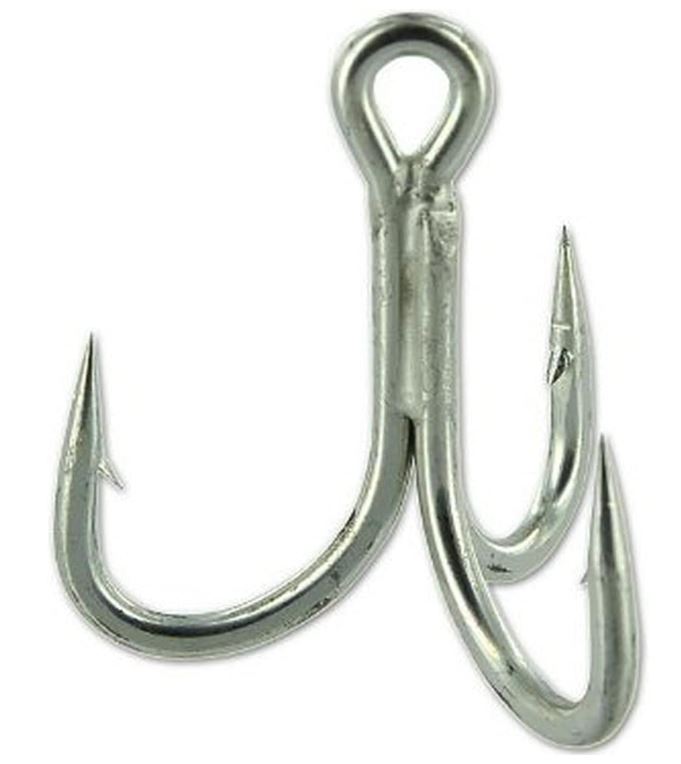
    Owner ST-66 Saltwater Treble Hook

    ➜ Buy on Amazon

    The ST-66 is the treble hook upgrade that every surface iron, popper, and saltwater hard bait needs. 4X strong construction means these trebles won’t bend open or snap on yellowtail or tuna — unlike the soft factory trebles that come on most lures. Tin finish resists saltwater corrosion. Swap the factory hooks on every iron jig you own — it takes 2 minutes with split-ring pliers and it’s the single biggest improvement you can make to any lure. This is the standard treble on SoCal long-range and party boats.

    Sizes for SoCal: 2/0 for small jigs (Tady 4/0). 3/0 for medium jigs (Tady 45). 4/0 for heavy jigs and poppers.

    Wire: 4X Strong  |  Point: Cutting point treble  |  Finish: Tin (anti-corrosion)


    Owner Cutting Point J Hook (5180) — Best J Hook for Kelp & Structure

    ➜ Buy on Amazon

    Owner Cutting Point J Hook 5180

    When you need a J hook for an aggressive hookset — calico bass in the kelp, sheephead on the bottom — the Cutting Point is the one. The triple-edge blade point (three cutting edges instead of the standard conical point) penetrates faster and deeper, which matters when you’re setting into a tough calico mouth or punching through sheephead jaws. Medium-heavy forged wire resists bending even under heavy drag. Use this any time you need to swing on the bite immediately and can’t let the fish run — the opposite of a circle hook situation.

    Sizes for SoCal: 1/0–2/0 for calico bass in the kelp. 2/0–3/0 for sheephead on dropper loops.

    Wire: Medium-Heavy (forged)  |  Point: Triple-edge cutting point  |  Finish: Black chrome


    Owner Mosquito Hook (5177) — Best Finesse Surf Hook

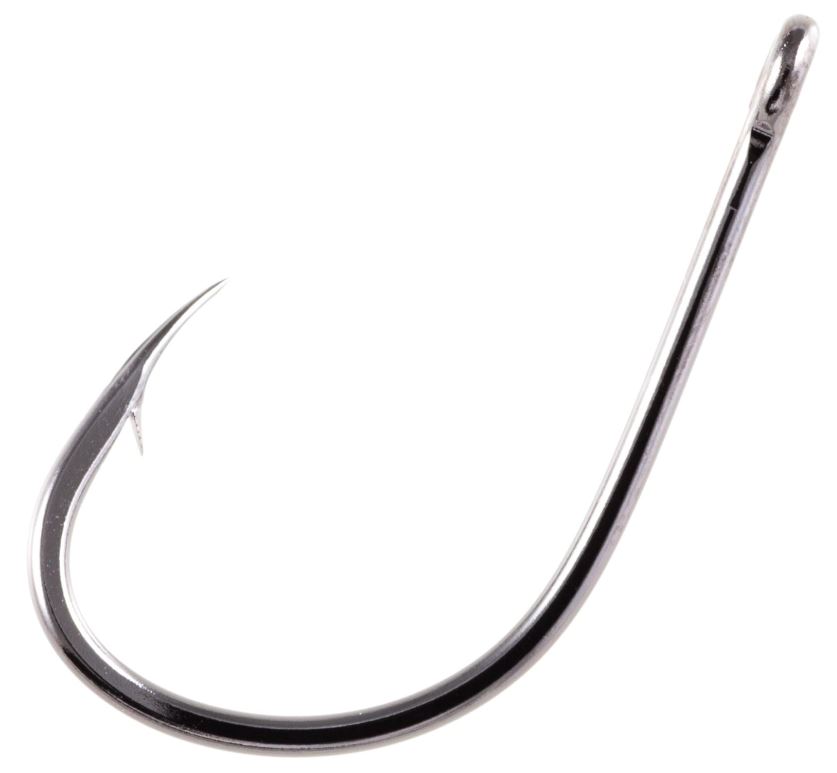
    Owner Mosquito Hook 5177

    ➜ Buy on Amazon

    The Mosquito is Owner’s lightest wire hook — ultra-thin with a super needle point that penetrates with almost no pressure. This is the finesse hook for corbina, barred perch, and smaller croaker in the surf where you’re fishing size 4–2 hooks with sand crabs and bloodworms. The light wire means sand crabs stay alive longer on the hook and the tiny profile doesn’t spook wary surf fish rooting in shallow water. Not built for big fish — this is purpose-made for light-line surf fishing on finesse surf rods.

    Sizes for SoCal: #4–#2 for small sand crabs targeting barred perch. #2–1/0 for corbina on Carolina rigs.

    Wire: Ultra-Light  |  Point: Super needle point  |  Finish: Black chrome

    If you stock Mutu Light Circles in 1/0–4/0, Mutu Circles in 3/0–6/0, and ST-66 trebles in 2/0–4/0, you’re covered for 90% of SoCal fishing. Add the Super Mutu in 5/0–7/0 for tuna chunking and you’ve got it all.


    Bluefin Tuna

    Bluefin are SoCal’s apex gamefish, and hook selection is critical because these fish are line-shy in clear water. Light-wire hooks let the bait swim more naturally, but they risk bending out on a big fish. Heavy-wire hooks hold up but can kill a delicate sardine quickly.

    Live bait (fly-line): 2/0–4/0 Owner Mutu Light Circle (5114), light to medium wire. Ringed circle hooks are preferred for fly-lining because they allow the bait maximum freedom. The Mutu Light’s “hangnail” point jaw-hooks fish about 90% of the time, which means more clean hookups and fewer gut-hooks on expensive bluefin. Match the hook to the bait — 2/0 for sardines, 3/0 for small mackerel, 4/0 for larger mackerel. For big bluefin over 100 pounds, step up to the Owner Mutu Circle (5163) in 4/0–5/0 — medium wire that won’t bend out during a 30-minute fight on a locked-down Talica.

    Chunk bait: 5/0–7/0 Owner Super Mutu Circle, heavy wire. When chunking sardine or squid for bluefin on anchor, the XX-strong wire handles the bigger fish that tend to eat chunks. The bait doesn’t need to swim, so the heavier wire gauge isn’t a concern — and it means the hook won’t open up when a 150-pounder eats.

    Jigs and poppers: Assist hooks (single) in 3/0–5/0 on flat-fall jigs. Owner ST-66 trebles in 2/0–3/0 on poppers — replace the factory trebles on your Chug Norris and Rock Pop immediately. Freshwater-grade trebles straighten instantly on tuna. See our bluefin gear guide for complete setups.


    Yellowtail

    Yellowtail aren’t as hook-shy as tuna, but they hit hard and fight dirty — heading straight for kelp and structure. The hook needs to hold through violent head shakes and sustained runs against drag on your yellowtail reel.

    Live bait: 1/0–3/0 Owner Mutu Light Circle (5114) or Owner Cutting Point J Hook (5180). Circle hooks are great for bait soaking; J hooks give you more control when actively fishing a live bait and watching for the bite. Nose-hook sardines with 1/0–2/0, collar-hook mackerel with 2/0–3/0. The Mutu Light in 2/0 is the single most popular yellowtail hook on SoCal party boats.

    Surface iron: Owner ST-66 trebles in 2/0–4/0. This is the #1 upgrade on any surface iron — factory trebles are too soft for yellowtail and will bend open or break. The ST-66 is 4X strong with a tin finish for corrosion resistance. Match treble size to jig size: 2/0 for Tady 4/0, 3/0 for Tady 45, 4/0 for heavier jigs. See our surface iron guide for rigging details.

    Yo-yo jigs: Single assist hooks in 3/0–5/0. Single hooks get better penetration and fewer tangles than trebles on vertical presentations. Rig them on the top of the jig — yellowtail hit the head on the fall. Owner’s assist hooks with Kevlar cord are the standard. Check our yellowtail jigs guide for specifics.


    Yellowfin Tuna

    Similar to bluefin but generally more aggressive and less leader-shy. You can get away with slightly larger hooks and heavier wire.

    Live bait: 2/0–3/0 Owner Mutu Light Circle (5114) or Owner Mutu Circle (5163). Same technique as bluefin fly-lining but you can go with the medium-wire Mutu (5163) without worrying about spooking fish. Yellowfin are more forgiving of hardware.

    Trolling: 7/0–9/0 J hooks rigged in trolling feathers and cedar plugs. These come pre-rigged, but check the hook points before every trip — dull trolling hooks miss fish. A quick touch-up with a hook file makes the difference between a solid hookup and a bump at 7 knots. See our yellowfin temperature guide and trolling lures guide.


    White Seabass

    White seabass have soft mouths, and hooks pull easily if you horse them. Use hooks that penetrate quickly and hold without tearing.

    Live bait (squid or sardine): 4/0–6/0 Owner Mutu Circle (5163), medium wire. The larger hook matches the bigger baits (especially squid) and the larger mouth of white seabass. Circle hooks are strongly preferred — they set gently in the jaw corner without tearing. When a white seabass picks up a squid on a slider rig, just reel tight and the circle does its job. The Mutu’s medium wire is strong enough to hold a 40-pound WSB without being so heavy it kills the bait.

    Cut squid: 3/0–5/0 Owner SSW Circle (5178). The SSW’s up-eye design is ideal for dropper loop snelling when soaking cut squid strips in the kelp. The wide gap holds cut bait well and the medium wire provides solid hookups without tearing the WSB’s soft mouth. See our white seabass temperature guide and WSB surf fishing guide.


    California Halibut

    Halibut are ambush feeders that inhale bait in one gulp. They have a wide mouth and relatively soft tissue, so the hook needs to find purchase in the jaw rather than pulling through cheek flesh.

    Live bait / cut bait on Carolina rig: 2/0–4/0 Owner Mutu Light Circle (5114). The Carolina rig is the classic halibut setup, and circle hooks are the ideal pairing. When the halibut picks up the bait and moves off, the circle rotates and catches in the jaw. No hookset needed — just reel tight. The Mutu Light’s light wire allows smaller baits (sardines, smelt) to swim more naturally, and the hangnail point means solid jaw hookups.

    Swimbaits: Built-in jig head hooks, typically 4/0–6/0 wide-gap. When fishing soft plastics like the Big Hammer or Keitech (see our halibut swimbait guide), the hook is integrated into the jig head. Choose heads with premium, sharp hooks — cheap jig heads have soft hooks that bend on big halibut.

    Surf fishing: 1/0–3/0 Owner Mutu Light Circle (5114) for beach fishing. Slightly smaller than boat hooks because surf baits tend to be smaller (sand crabs, small sardines). Pair with a surf rod and surf reel.


    Calico Bass (Kelp Bass)

    Calico bass have tough mouths and live in the kelp, so you need a hook that penetrates hard tissue and holds through a drag-and-stop fight in heavy cover.

    Live bait: 1/0–2/0 Owner Cutting Point J Hook (5180), medium-heavy wire. J hooks are preferred for calico because you need an immediate hookset to keep the fish out of the kelp. The moment you feel the bite, you swing and start cranking to pull the fish clear of structure. The Cutting Point’s triple-edge blade point penetrates hard calico mouths better than standard hooks.

    Swimbaits: 3/0–5/0 wide-gap weedless hook. Weedless rigging is essential in the kelp — an exposed hook point fouls on every cast. Texas-rig your soft plastic on a wide-gap hook and fish it through the canopy.


    Dorado (Mahi-Mahi)

    Dorado have hard, bony mouths and aggressive strikes. They’re not leader-shy, so you can use heavier wire without concern.

    Live bait: 2/0–4/0 Owner Mutu Circle (5163). Medium wire handles dorado easily. Dorado often swallow bait aggressively, so circle hooks are ideal — they jaw-hook instead of gut-hooking, which means quicker releases and less damage to the fish.

    Trolling lures: Pre-rigged hooks in cedar plugs and feather jigs. Treble hooks on casting lures like the Rapala X-Rap. See our dorado lures guide for complete setups.


    Rockfish & Sheephead

    Rockfish: 2/0–4/0 Owner Mutu Circle (5163) or SSW Circle (5178) on a dropper loop rig. Circle hooks reduce gut-hooking, which improves survival for rockfish released due to depth limits. The SSW’s up-eye is purpose-built for snelling on dropper loops. Barotrauma is a bigger concern than hook damage for deep rockfish, but every bit helps.

    Sheephead: 2/0–3/0 Owner Cutting Point J Hook (5180), heavy wire. Sheephead have crushing teeth and powerful jaws — they will bend light-wire hooks. The Cutting Point’s forged construction resists bending, and the triple-edge blade point punches through tough sheephead mouths. Set it hard when you feel the bite. Shrimp on a dropper loop is the classic sheephead setup.


    Surf Species (Corbina, Perch, Croaker)

    Corbina: Size 2–1/0 Owner Mutu Light Circle (5114) or Owner Mosquito Hook (5177). Corbina have small, delicate mouths and feed by rooting in the sand. A small, sharp circle hook on a light Carolina rig with sand crabs is the proven method. The Mosquito’s super-light wire is ideal when fishing size 4–2 hooks for smaller corbina. Pair with a St. Croix Mojo Surf for the ultimate finesse setup.

    Barred perch: Size 4–1/0 Owner Mutu Light Circle (5114) or bait-holder hook. Match the hook to the bait — tiny hooks (size 4–2) for sand crabs, larger (1/0) for mussels or bloodworms. For soft baits that slide off standard hooks, use Owner’s bait-holder hooks with barbs on the shank. See our surf rod guide and surf reel guide for complete surf setups.


    Master Reference Table

    SpeciesTechniqueOwner HookModelSizeWire
    Bluefin (live bait)Fly-lineMutu Light Circle51142/0–4/0Light
    Bluefin (chunk)Anchor / chunkSuper Mutu Circle51275/0–7/0XX-Heavy
    Bluefin (big fish)Live bait 40lb+Mutu Circle51634/0–5/0Medium
    Yellowtail (live bait)Bait / sliderMutu Light Circle51141/0–3/0Light
    Yellowtail (iron)Surface ironST-66 TrebleST-66TN2/0–4/04X Strong
    Yellowtail (yo-yo)JigsAssist hook (single)3/0–5/0Heavy
    Yellowfin (live bait)Fly-lineMutu Light / Mutu5114 / 51632/0–3/0Light–Med
    Yellowfin (trolling)Feathers / plugsPre-rigged J hook7/0–9/0Heavy
    White seabass (live)Slider rigMutu Circle51634/0–6/0Medium
    White seabass (cut squid)Dropper loopSSW Circle51783/0–5/0Medium
    Halibut (bait)Carolina rigMutu Light Circle51142/0–4/0Light
    Halibut (swimbait)Jig headJig head (built-in)4/0–6/0Heavy
    Halibut (surf)SurfMutu Light Circle51141/0–3/0Light
    Dorado (live bait)Bait / fly-lineMutu Circle51632/0–4/0Medium
    Calico bass (live bait)Kelp fishingCutting Point J51801/0–2/0Med-Heavy
    Calico bass (swimbait)Texas rigWide-gap weedless3/0–5/0Medium
    RockfishDropper loopSSW Circle / Mutu5178 / 51632/0–4/0Medium
    SheepheadDropper loopCutting Point J51802/0–3/0Heavy
    CorbinaCarolina rigMutu Light / Mosquito5114 / 5177#2–1/0Light
    Barred perchSurf baitMutu Light Circle5114#4–1/0Light

    Hook Maintenance Tips

    Check sharpness before every use. Drag the hook point across your thumbnail — if it slides, it’s dull. A sharp hook should dig in immediately. Carry a small hook file and touch up points between fish. Owner hooks come razor-sharp out of the pack, but they dull after contact with rocks, bone, and jig heads.

    Rinse after saltwater use. Even Owner’s corrosion-resistant black chrome finish will eventually rust if you leave salt on the hooks. A quick freshwater rinse extends hook life significantly.

    Replace trebles on new lures. This applies to every surface iron, popper, and trolling lure you buy. Factory trebles are almost always softer and duller than aftermarket Owner ST-66s. Five minutes with split-ring pliers and your lure goes from “might hook the fish” to “definitely hooks the fish.”

    Match hook to line strength. A heavy-wire 6/0 hook makes no sense on 20lb gear — you’ll never generate enough force to set it. Conversely, a light-wire 1/0 on 40lb+ gear will bend open on a big fish. Match your hook wire gauge to your line class and target species.

    Frequently Asked Questions

    What is the best all-around saltwater hook?

    The Owner Mutu Light Circle (5114) in 2/0 covers more SoCal fishing situations than any other single hook. It works for yellowtail live bait, halibut on a Carolina rig, tuna fly-lining, and general party boat bait fishing. The light wire keeps baits lively, and the hangnail circle point jaw-hooks fish 90% of the time. If you only buy one pack of hooks, make it this one.

    Circle hooks or J hooks?

    Circle hooks for any situation where you’re bait soaking or can’t actively watch the rod — the hook self-sets when the fish moves away. J hooks when you need an immediate, aggressive hookset — primarily calico bass fishing in the kelp where you can’t let the fish run. See our full circle hooks vs J hooks comparison for the detailed breakdown.

    What hook for bluefin tuna live bait?

    Owner Mutu Light Circle (5114) in 2/0 for sardines, 3/0 for small mackerel, 4/0 for large mackerel. Step up to the Mutu Circle (5163) in 4/0–5/0 for fish over 100 lbs where you need medium wire to survive a long fight. Fly-line on 40–65lb braid with 25–40lb Grand Max fluoro leader connected by an FG knot.

    What treble hooks for surface iron?

    Owner ST-66 trebles — the only answer. 4X strong construction won’t bend or break on yellowtail or tuna. Replace the factory trebles on every iron jig you own. Match treble size to jig size (2/0 for small jigs, 3/0–4/0 for larger). Use split-ring pliers to swap — takes 2 minutes and doubles your hookup rate.

    What hook for halibut on a Carolina rig?

    2/0–4/0 Owner Mutu Light Circle (5114). The light wire lets the bait (sardine, smelt, sand crab) move naturally, and the circle point rotates into the halibut’s jaw when it picks up the bait and moves off. No hookset needed — just reel tight until you feel weight, then fight the fish. Pair with a Carolina rig on 15–20lb braid with 12–15lb Vanish fluoro leader.

    What size hooks for surf fishing?

    Size 4–1/0 depending on target and bait. #4–#2 for sand crabs targeting barred perch. #2–1/0 for corbina on sand crabs or bloodworms. 1/0–3/0 for halibut on sardines or cut bait. The Owner Mutu Light Circle (5114) covers most surf situations — go down to the Owner Mosquito (5177) for the smallest sizes. See our surf rod and surf reel guides for complete beach setups.

    How often should I replace hooks?

    Check sharpness before every trip and after every fish. Replace any hook that’s been straightened (even if bent back), shows visible corrosion, or won’t hold an edge after filing. Trebles on iron jigs and poppers should be replaced after any significant tuna or yellowtail trip — one hard fight can weaken the metal even if it looks fine. Hooks are the cheapest part of your setup and the most important — never skimp.

    Plan Your Trip

    Hooks sharpened and rigs tied? Check conditions:

    Related Guides

    Tight lines!

  • Best Water Temperature for Halibut Fishing in California

    Best Water Temperature for Halibut Fishing in California

    California halibut are one of the most accessible and rewarding species along the Southern California coast. They’re available year-round from both shore and boat, and they respond strongly to water temperature changes — making your SST chart one of the best tools for finding them.

    Halibut prefer water between 56°F and 68°F, with peak activity in the 59–65°F range. They’re a cooler-water species compared to pelagics like dorado or yellowfin tuna, which means the best halibut fishing often happens in spring and early summer before the offshore species show up.

    The Halibut Temperature Window

    Temperature Range Activity Level Notes
    Below 54°F Low Fish are sluggish, holding in deeper sand channels
    54–56°F Moderate Fish beginning to move toward shallower flats
    56–60°F High Active feeding, especially in bays and harbors
    60–65°F Peak Prime bite — fish are shallow and aggressive
    65–68°F Good Still active but may shift to deeper or cooler areas
    Above 68°F Declining Fish move to deeper, cooler sand flats

    The 60–65°F range is the money zone. When nearshore water hits this window in spring, halibut move onto shallow sandy flats to feed aggressively — from bays and harbors to the open surf zone.

    Seasonal Patterns in Southern California

    January–February: Water temps are at their lowest (54–58°F). Halibut hold in deeper water — sand channels in 40–80 feet, harbor entrances, and deep structure adjacent to sandy flats. Slow presentations like Carolina rigs with live bait work best.

    March–April: The spring warm-up begins. As nearshore water pushes into the upper 50s and low 60s, halibut start migrating to shallower flats for spawning. This is when surf fishing picks up dramatically. Watch the SST chart for the first bays and beaches to cross 58°F.

    May–June: Peak season. Water temps settle into the 60–66°F sweet spot. Halibut are on the shallow flats in force — the surf zone, bay mouths, jetties, and sandy points. Both shore anglers and boat fishermen see consistent action. This is the best window for halibut surf fishing — a swimbait in smelt or sardine pattern on a slow bottom retrieve is the go-to.

    July–August: Water temps push into the upper 60s and low 70s. Halibut shift from the shallowest flats to slightly deeper water (15–40 feet), but fishing remains productive, especially in areas with current flow that keeps water cooler. As the offshore water warms up, this is also when dorado and yellowfin start showing, so many anglers shift focus offshore.

    September–December: As water cools back through the 60s, there’s often a strong fall bite. Halibut feed heavily before winter, and the cooling water triggers aggressive feeding behavior. Don’t overlook fall halibut fishing — it can be as good as spring.

    How Temperature Affects Where Halibut Hold

    California halibut are ambush predators that lie flat on sandy bottoms waiting for baitfish to swim overhead. Water temperature doesn’t just affect their activity level — it determines where in the water column they position themselves.

    In cool water (54–58°F), halibut hold in deeper sand channels, often 40–80 feet, near structure that provides current breaks. They’re less willing to chase bait and prefer slow presentations dragged past their faces.

    In the sweet spot (59–65°F), halibut push into shallow water — 3–20 feet in the surf zone, bay flats, and nearshore sand bars. They’re actively hunting and will chase swimbaits, live bait, and even surface lures.

    In warm water (66–70°F+), halibut seek out areas with cooler water influence — deeper flats, areas near cold upwelling, river mouths, and harbor channels where tidal exchange brings cooler water.

    Using SST Charts for Halibut

    Unlike pelagic species where you’re scanning hundreds of miles of open ocean, halibut fishing is about finding the right nearshore conditions. Here’s how to use the SST chart:

    Find the 59–65°F band along the coast. Zoom into the nearshore zone and look for where your target beaches, bays, and harbors fall within this window.

    Look for warming trends. A beach that was 56°F last week and is now 60°F is more productive than one that’s been sitting at 62°F for a month. Rising temperatures trigger halibut to move shallow and feed aggressively.

    Compare nearby areas. South-facing beaches warm faster than north-facing ones. Bays and harbors warm faster than open coast. Use the SST chart to identify which specific areas are first to hit the sweet spot each spring.

    Check chlorophyll for bait. Chlorophyll maps show where bait is concentrated nearshore. Halibut follow the bait — if you find 60°F water with high chlorophyll (meaning lots of baitfish), that’s a prime halibut zone.

    Best Halibut Techniques by Temperature

    Cool water (54–58°F) — go slow:

    Use a Carolina rig with live bait (anchovy, smelt, or small perch) bounced slowly along the bottom. Dropper loop rigs with cut squid strips also produce in cold water. Fish deeper sand channels near structure.

    Sweet spot (59–65°F) — go active:

    This is swimbait time. A 4–6 inch swimbait in smelt or sardine pattern retrieved slowly along the bottom is the most effective halibut method in warm spring water. Fish the surf zone sandbars, bay flats, and jetty edges. Live bait under a bobber in 4–10 feet of water is deadly in bays.

    Warm water (66°F+) — go deep:

    Drop to deeper flats (30–60 feet) using Carolina rigs or swimbaits on heavier jigheads. Focus on areas with current flow — halibut will concentrate where tidal movement keeps water temperatures manageable.

    Shore vs. Boat Fishing

    Surf fishing is most productive when nearshore water is 59–65°F. Cast swimbaits or Carolina rigs past the first sand bar and work them back slowly. Dawn and dusk are prime. See our complete Doheny surf fishing guide and halibut surf fishing guide for specific techniques and locations.

    Bay and harbor fishing can be productive even when the open coast is too cold. Enclosed waters warm faster, so check the SST chart for bays that are running 2–4°F warmer than the nearby coast. Mission Bay, Newport Bay, and Dana Point Harbor are all productive halibut spots.

    Boat fishing lets you cover more ground and dial into specific bottom contours. Drift across sandy flats in 20–60 feet, using your electronics to find sand-to-rock transitions where halibut ambush bait.

    Halibut Gear and Lure Guides

    Once you’ve found the right water temperature, you need the right gear to capitalize. Here are our complete halibut guides:

    Tackle Setup

    Halibut don’t require heavy gear, but you need sensitivity to detect their subtle bites:

    Rod: A 7-foot medium to medium-heavy rod for boat fishing, or a 9–11 foot surf rod for shore casting. Graphite rods are preferred for their sensitivity — halibut bites are often just a slight “tick.”

    Reel: A 3000–5000 size spinning reel for surf and bay, or a 20lb conventional for boat fishing. See our spinning vs conventional guide if you’re deciding between the two.

    Line: 15–20lb braid with a 15–20lb fluorocarbon leader. The light leader is important — halibut have good eyesight and can be line-shy in clear water.

    Hooks: 2/0–4/0 circle hooks for live bait, or 3/0–5/0 jigheads for swimbaits. Connect everything with a Palomar knot. See our hooks by species guide for specific sizes.

    Plan Your Trip

    Related Guides

    Tight lines!

  • Surf Fishing at Doheny State Beach — A Hidden Gem for Families

    If you’ve ever taken the kids to Doheny State Beach in Dana Point, you know the magic of those tide pools — watching little ones discover crabs, octopus, and sea stars tucked into the rocks. My daughter loves going there. But did you know Doheny is also a fantastic spot for surf fishing?

    I recently came across this great video showing just how productive the surf fishing can be here:

    What Can You Catch at Doheny?

    Doheny’s beach offers a nice mix of sand and rocky structure, with kelp beds just offshore. The variety of habitat means a surprisingly diverse catch list for a single stretch of beach:

    • Corbina — the prized catch for SoCal surf anglers. They feed in the wash zone on sand crabs and are notoriously picky biters.
    • Spotfin & Yellowfin Croaker — great fighters on light tackle, especially during incoming tides in the early morning.
    • Surfperch — including barred, walleye, and rubberlip. Consistent biters year-round and perfect for beginners.
    • California Halibut — especially during spring when flatfish move into the shallows to ambush bait. The halibut surf fishing guide covers exactly how to target them from the sand, and the halibut temperature guide tells you when they’re close enough to reach.
    • Leopard Shark — commonly caught in summer when water temps climb into the mid-60s. A blast on light gear.
    • Mackerel — when they’re running close to shore in the warmer months.

    Tips for Fishing Doheny

    Best times: Early morning and around sunset produce the best bites. The beach can get crowded midday, especially on weekends. If you can fish a weekday morning, you’ll often have long stretches of sand to yourself.

    Bait and lures that work: Sand crabs (fresh from the beach) are king for corbina and croaker — dig them out of the wet sand at low tide right before you fish. Gulp sandworms and small plastics work well for surfperch. For halibut, a 4–6 inch paddle tail swimbait worked slowly through the troughs is your best option — see our best swimbaits for halibut guide for the specific models and jig head weights that work in SoCal surf conditions.

    Where to fish: Walk the beach before you rig up and look for troughs and cuts in the sand — fish feed in these depressions where water churns up sand crabs and prey. The water looks slightly darker and choppier over a trough than the flat sand on either side. The rocky areas near the harbor jetty can also produce calico bass and an occasional sheephead.

    What rod and reel to bring: A 9–10 foot medium spinning rod and a 4000–6000 class reel handles everything Doheny throws at you — corbina and croaker on light bait rigs, halibut on swimbaits, the occasional leopard shark on heavier tackle. Our surf casting rod guide and surf fishing reel guide cover the specific setups worth owning for SoCal surf fishing, including what to pair for lighter finesse work vs. bigger bait rigs.

    Check conditions first: Water temperature matters even from shore. Use the SST chart to check nearshore temps before you go — corbina and halibut get active when water hits the low-to-mid 60s°F. The marine weather page will tell you if wind or swell will make casting difficult. A 1–3 foot incoming tide is the ideal setup; anything over 4–5 feet makes the troughs hard to read and the casts hard to control.

    Perfect for Families

    What makes Doheny special is that it’s a complete family destination. The kids can explore tide pools at the visitor center, play on the five-acre lawn, and watch surfers ride the famous Doheny break — all while you soak a line in the surf.

    The park has fire rings for evening bonfires (first-come, first-served), picnic areas, and a small aquarium at the visitor center. It’s the kind of place where you can introduce kids to fishing without anyone getting bored.

    Good to Know

    • Parking: Day use fee applies ($15 as of 2026)
    • License: California fishing license required for ages 16+
    • Location: 25300 Dana Point Harbor Drive, Dana Point, CA 92629
    • Hours: 6:00 AM – 10:00 PM daily

    Plan Your Trip

    Next time you’re heading to Doheny for a beach day, throw a rod in the car. You might be surprised what you pull out of the surf. Check today’s conditions before you go:

    Related Guides

    Tight lines!

  • How to Find Halibut Surf Fishing in SoCal

    I really love this video, makes me want to get up early and head to the beach to catch some halibut.

    I like his breakdown of reading the surf for halibut. Key takeaways: Start at river mouths or jetties, look for sandy areas near structure, fish the incoming tide, work your bait/lure in patterned areas, put in the time and enjoy.

    Those five points are the whole game. Everything below is the full breakdown of how to execute each one — with the specific spots, gear, and technique that put halibut on the sand.

    Why Halibut Live in the Surf Zone

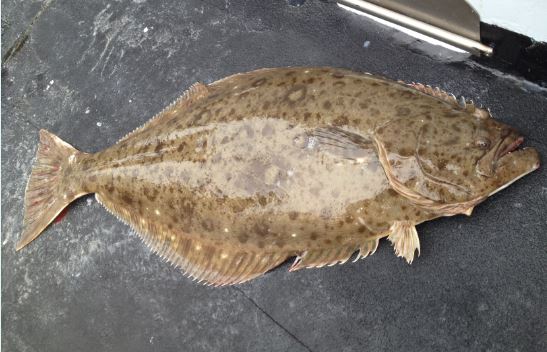
    California halibut (Paralichthys californicus) are ambush predators that spend most of their lives flat on sandy bottom, camouflaged and waiting for bait to pass overhead. The surf zone is prime habitat because wave action concentrates baitfish — smelt, anchovies, sardines, small perch — in shallow water where halibut can pick them off easily. Add an incoming tide pushing bait toward shore and you’ve got a feeding conveyor belt running right to your feet.

    The challenge is that halibut don’t roam. They pick a spot, dig in slightly, and wait. Finding that combination of sandy bottom, depth change, and bait presence is 80% of the work. Presentation fills in the other 20%.

    When to Go

    Season: April through October is the core halibut surf season in SoCal. May, June, and July are the peak months — water temps are climbing into the 58–65°F range that halibut prefer, bait schools are moving inshore, and fish are actively feeding. The full halibut temperature guide covers the seasonal breakdown in detail, but the short version is: when the inshore water on the SST chart climbs out of the low 50s in spring, the surf bite turns on.

    Best time of day: First light is consistently best — the hour before and after sunrise. Low light triggers active feeding, surf is typically calmer, and bait schools push into the shallows as the sky brightens. Evening tides around sunset are the close second. Midday during summer is the slowest period.

    Tide: Incoming tide is the trigger, exactly as the video covers. Moving water activates halibut feeding — current pushes bait toward shore and creates the ambush conditions halibut are built for. The last two hours of the incoming and the first hour of the high are the prime window. Dead low and outgoing tides are slow.

    Surf height: 1–3 feet of clean surf is ideal. Enough wave action to churn up sand crabs and push bait around, not so much that your lure can’t work properly. Check the marine weather forecast before heading out — big surf (5+ feet) moves fish off the shallows entirely.

    Where to Find Halibut in the Surf

    This is the core skill from the video and the one that separates anglers who catch halibut from those who don’t. Halibut stack in specific spots, and those spots are predictable once you know what to look for.

    River Mouths and Lagoon Entrances

    The #1 halibut surf location in SoCal, and the first place the video points you. River mouths create constant baitfish flow, concentrate nutrients, and form deep troughs adjacent to shallow sandy flats — exactly the depth change halibut use to ambush prey. Even small drainage outlets are worth a few casts. Top SoCal spots: San Diego River mouth, San Luis Rey River mouth at Oceanside, Santa Margarita River mouth at San Onofre, Malibu Creek outlet, Mugu Lagoon outlet, and Santa Clara River mouth at Ventura.

    Jetties and Breakwaters

    Rock structure creates habitat that sand alone doesn’t — bait schools orient to jetty walls, current eddies form on the downcurrent side, and the sandy bottom adjacent to the rocks gives halibut an ambush lane. Fish the sandy bottom within 20–30 feet of a jetty rather than right against the rocks. The Oceanside Harbor jetty, Dana Point jetty, and Mission Bay entrance are consistent producers. Cast parallel to the jetty along the sandy transition zone.

    Troughs and Gutters

    A trough is a deeper channel running parallel to the beach between sandbars. You can read them visually — the water is slightly darker and choppier than adjacent flats. Halibut sit in troughs because the depth gives them cover and current concentrates bait. Walk the beach before fishing and look for darker water lines — those are your target lanes. This is exactly the “patterned areas” approach the video walks through.

    Sandbar Drop-Offs

    The edge where a sandbar drops into deeper water is a classic halibut ambush point. Bait holds on the shallow bar; halibut sit on the edge waiting for stragglers. Cast to the bar and work your lure off the edge — the drop-off is where the bite happens.

    Sandy Pockets Adjacent to Kelp

    Where kelp or rocky reef meets a sandy flat, halibut often position on the sandy side. The kelp concentrates bait; the sand gives them their preferred hunting ground. La Jolla Shores and sandy stretches near Laguna Beach access points have this structure.

    Reading the Surf Before You Cast

    Spend 10 minutes walking the beach before you rig up — low-angle morning light shows bottom features through the water that are invisible midday.

    • Darker water = deeper water = potential trough
    • Foam lines and current seams = where bait concentrates
    • Birds working low over the water = bait present, likely halibut below
    • Rippled vs. flat water at the same distance from shore = trough edge
    • Sand color changes during calm moments between sets = bottom composition change

    Fish the darker lanes, foam lines, and transitions — not the open flat sandy sections between them. This is the “patterned areas” point from the video in practice.

    Lures and Bait

    Swimbaits — The Go-To Artificial

    A 4–6 inch paddle tail swimbait on a 3/4 to 1-1/2 oz jig head is the most versatile halibut lure in the surf. Retrieve it slowly enough that it’s ticking the bottom on every pull — the pause between pulls is when halibut eat. White, chart/white, and sardine patterns are the consistent producers. Our best swimbaits for halibut guide covers the specific models, jig head weights for different surf depths, and how to rig them — it’s the full breakdown of what to throw and when.

    Live Bait — Most Effective Overall

    A live queenfish, smelt, or small sardine on a circle hook in 2/0–3/0, fished on a slider rig or Carolina rig, is the most effective halibut presentation when you can get it. The live bait swims naturally near the bottom where halibut hunt. Let the fish run a beat before reeling down — halibut often pick up and hold before committing fully.

    Soft Plastic Grubs

    A 3–4 inch curl tail grub on a 1/2 oz jig head in white or chartreuse is a good secondary option when fish are being picky or bait is running small. More compact than a full swimbait, which sometimes matches the forage better. Keep a few in your bag alongside the larger swimbaits.

    Strip Bait

    Fresh squid strips or a mackerel belly strip on a 2/0–3/0 hook on a dropper loop or Carolina rig is a reliable fallback when live bait isn’t available. Change it every 20–30 minutes — halibut find it by scent and stale bait loses its pull quickly.

    Gear Setup

    The right gear matters for halibut specifically because of the soft-mouthed bite — you need sensitivity to detect subtle pickups and a smooth drag that won’t pop the hook on a headshake. Here’s what to run:

    Rod: A 9–10 foot medium to medium-heavy spinning rod. Long enough to cast past the break, sensitive enough to feel the halibut pickup through rolling surf. Our best surf casting rod guide has the specific models that work well for halibut — including lighter options that give you the feel you need for slow swimbait work, and heavier builds for casting live bait rigs into bigger surf.

    Reel: A 4000–6000 class spinning reel with a smooth drag is the right match. Halibut don’t make long runs but they thrash on the surface and a rough drag pops the hook. Our best surf fishing reel guide covers the specific reels worth running for SoCal surf halibut — including which size makes sense for different rod setups and how much line capacity you actually need.

    Line: 20–30 lb braid with a 15–20 lb fluorocarbon leader of 2–3 feet. Braid for sensitivity and casting distance; fluoro for invisibility in the clear water halibut feed in. Keep the leader short — long leaders tangle constantly in breaking waves.

    Hooks: Circle hooks in 2/0–3/0 for live bait and strip bait. J hooks in 1/0–2/0 for swimbaits. See our hooks by species guide for the full size breakdown.

    Technique: Working the Pattern

    The video’s “work your bait in patterned areas” point is the key technique insight. Here’s what that looks like in practice:

    Grid the trough. Don’t cast to the middle of a trough and call it done. Start at the near edge, fan your casts across progressively, cover the full depth range. Halibut may be tight to either edge or anywhere in between.

    Walk and cast. Cover 50–100 yards during a session. Cast, work the zone, take 10 steps down the beach, repeat. You’re hitting different micro-features — slight depth changes, variations in bottom composition — with every new position.

    Slow your retrieve way down. The lure should tick the bottom on every pull. Count to two on every pause before pulling again. Most halibut bites come on the pause — the lure stops and the halibut that’s been following it tips forward and inhales it.

    Feel for bottom changes. When your lure suddenly drops — loses contact then catches again — that’s a drop-off edge. Mark that spot in your head and work it repeatedly. Halibut stack on those transitions.

    Don’t set the hook too early. Wait until you feel the weight of the fish before setting. On circle hooks with live bait, don’t set at all — reel down until you feel weight, let the circle do its job. One full second of patience saves fish.

    Regulations

    Always verify current regulations at CDFW before fishing:

    • Minimum size: 22 inches total length
    • Bag limit: 5 fish per day
    • Season: Open year-round in most zones
    • License: California sport fishing license required

    Frequently Asked Questions

    What is the best time of year for halibut surf fishing in SoCal?

    May through July is the peak, with April and August as productive shoulder months. The halibut temperature guide covers the full seasonal breakdown — the short answer is 58–65°F water on the SST chart is your trigger.

    What lures work best for surf halibut?

    A 4–6 inch white paddle tail swimbait retrieved slowly along the bottom is the most consistent artificial. See our swimbaits for halibut guide for specific models, weights, and rigging details.

    What tide is best for surf halibut?

    Incoming tide — specifically the last two hours of the incoming through the first hour of the high. Moving water activates feeding and pushes bait toward shore. Outgoing and dead low are slow.

    Where are the best halibut surf spots in SoCal?

    River mouths top the list — San Diego River, Oceanside, San Onofre, Malibu Creek, and Ventura are all consistent. Jetty shoulders and sandy troughs at harbor entrances are reliable year-round backups.

    What rod and reel do I need?

    A 9–10 foot medium spinning rod and a 4000–6000 class reel. Our surf rod guide and surf reel guide have the specific recommendations — including which setups work best for throwing swimbaits vs. fishing live bait rigs.

    How do I know if I have a halibut bite?

    On a swimbait you’ll feel a thump or the rod tip will load — wait a beat before setting. On live bait with a circle hook, wait until the line comes tight as the fish moves off, then reel down. Don’t react instantly — halibut often pick up and hold before committing.

    Plan Your Trip

    Related Guides

    Tight lines.