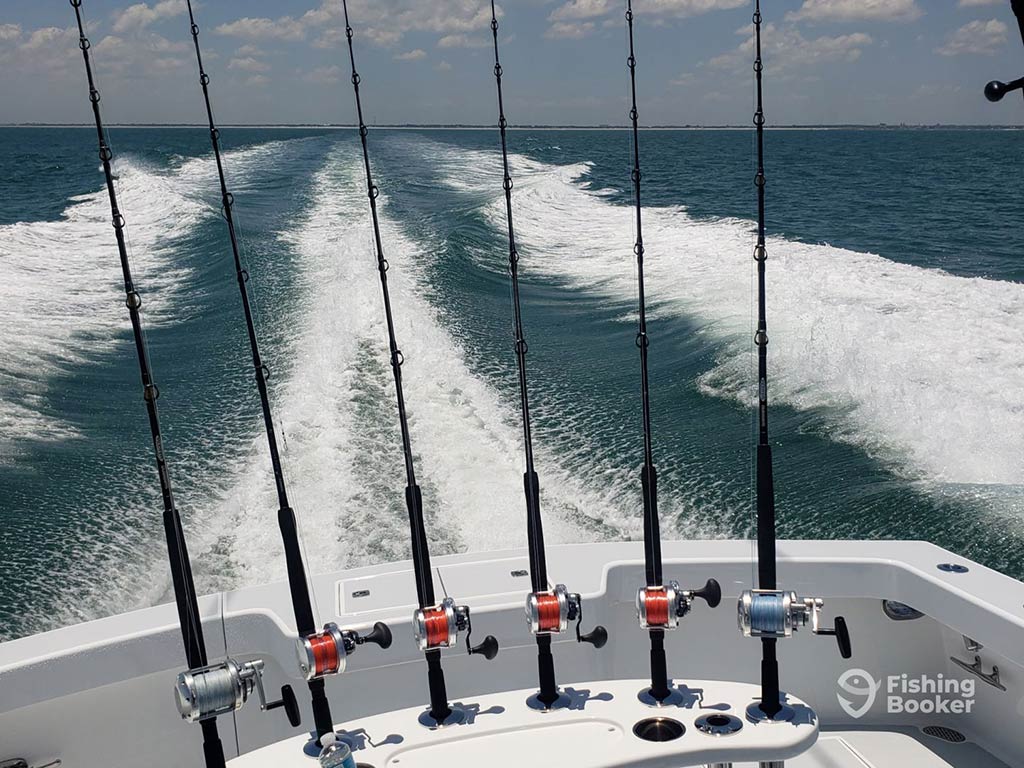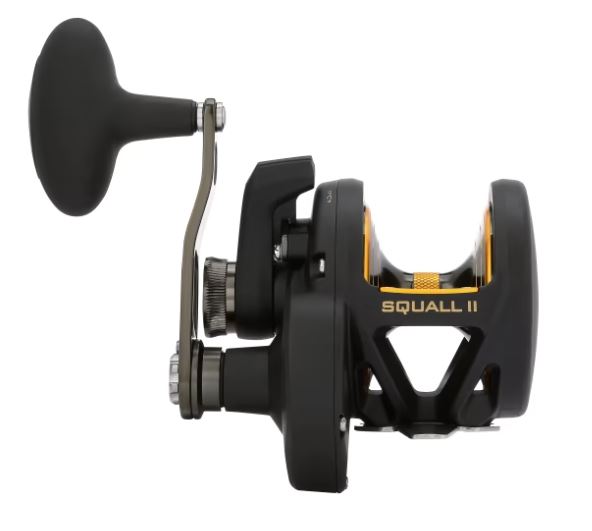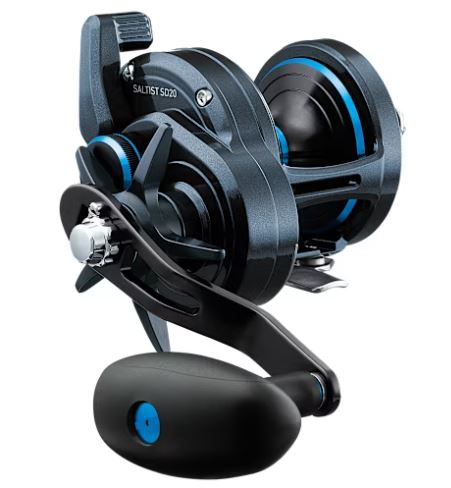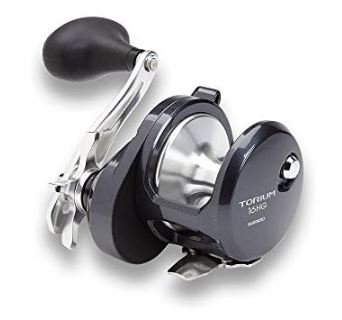
When bluefin show up off San Diego, and they’ve been showing up hard the last few seasons, you need gear that can stop them. A 100-pound bluefin will make a 30lb reel look like a toy. The drag can’t keep up, the gears grind under pressure, and the line capacity runs out before the fish does. The 40lb+ class exists for exactly these moments, when the fish are bigger, stronger, and meaner than anything else in SoCal waters.
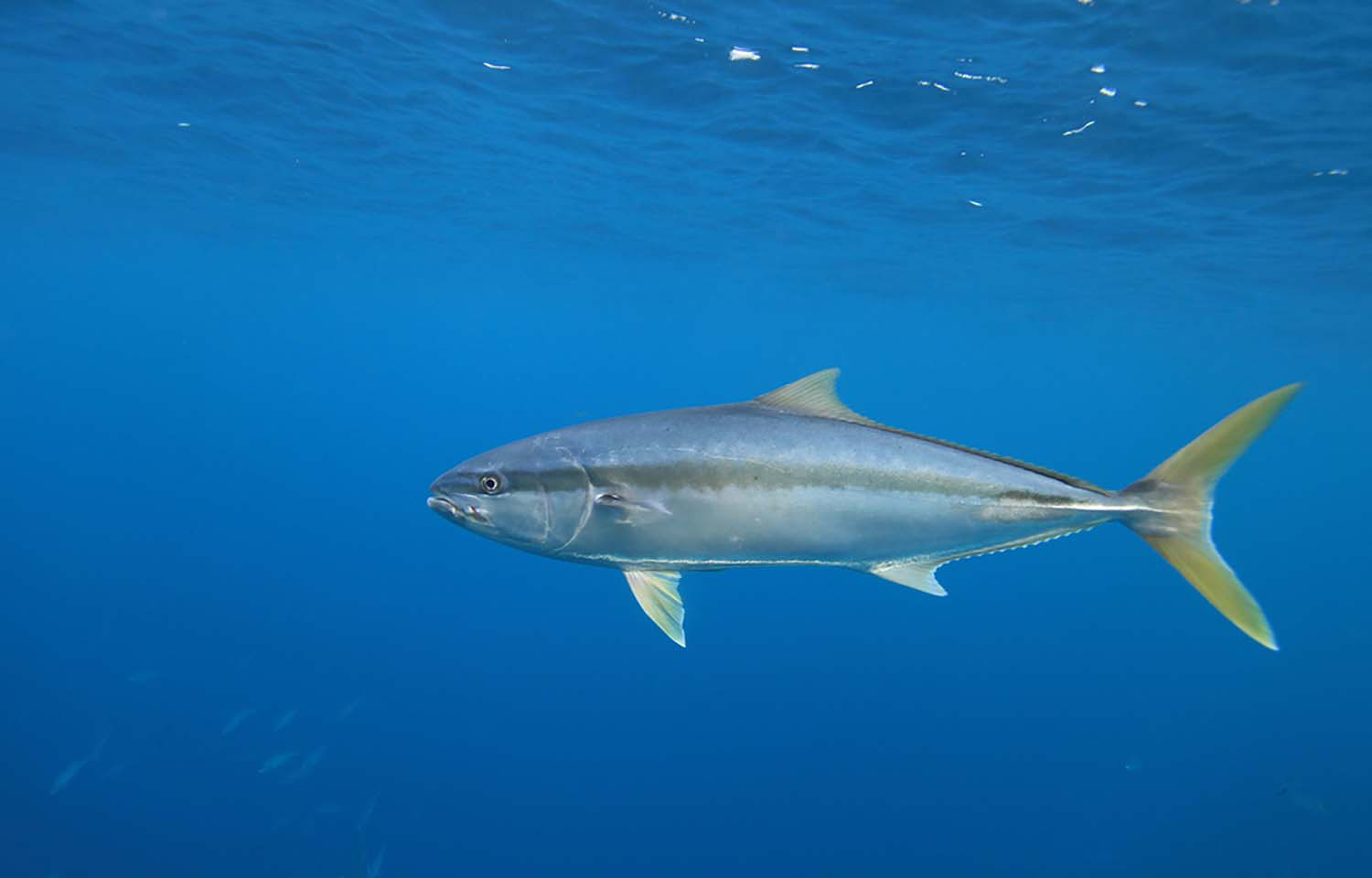
This class also covers cow yellowtail (30–50 lb fish on deep structure), big yellowfin, and the occasional wahoo that wanders north in warm-water years. If you’re stepping up from a 30lb setup, here’s where to put your money.
⚡ Quick Picks
Best overall: Shimano Talica 16 II — the SoCal bluefin standard. Smooth two-speed, 25+ lbs of drag.
Best for giants: Shimano Talica 20 II — more drag, more capacity for 150+ lb fish.
Best premium: Accurate Fury FX2 500N — smoothest drag in the business, built in California.
Best value: Penn Fathom II 30 SD — legitimate tuna reel at a fraction of the price.
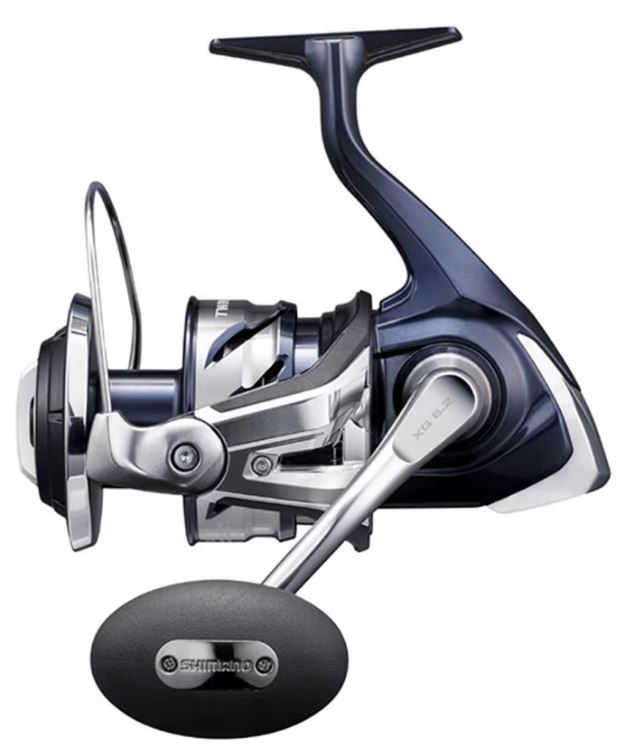
Best spinning: Shimano Saragosa SW 14000 — for casting iron to surface bluefin.
For a deeper look at what makes a bluefin-worthy reel and how to pick the right size class, see the complete bluefin reel guide.
Powered by FishingBooker
What the 40lb+ Class Demands
At this level, reel quality isn’t optional. A bluefin’s initial run can strip 200 yards of line in seconds. The drag needs to deliver 20–30+ pounds of smooth, consistent pressure without sticking, surging, or overheating. The gears need to handle sustained winching against a fish that might fight 30 minutes to over an hour. And the frame needs to stay rigid when everything is under maximum load.
Line capacity matters more than most anglers realize. You want at least 400 yards of 65–80lb braid. A big bluefin can take 300 yards on the first run. If you’re starting with less than 400, you’re gambling on getting spooled.
Best Two-Speed Conventional Reels
Two-speed reels dominate this class. High gear gets line back fast when the fish turns toward you. Low gear gives you the mechanical advantage to winch when a fish digs deep and won’t budge. If you’re not sure about conventional vs spinning, conventional is the right call for 90% of tuna fishing.
Best Overall: Shimano Talica 16 II
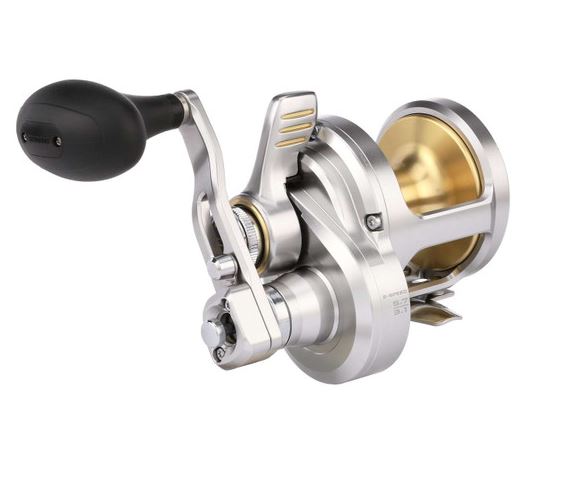
The Talica 16 has landed more SoCal bluefin in the last decade than probably any other reel. It’s the default recommendation from deckhands at H&M Landing, Fisherman’s Landing, and Point Loma Sportfishing. The reasons are consistent: the drag delivers 25+ lbs of smooth, heat-dissipating pressure, the two-speed shift is seamless under load, and it holds over 500 yards of 65lb braid. Pair it with a 5’6″ to 6’6″ heavy rod and you’re ready for anything SoCal throws at you. The smaller Talica 12 handles 30lb class work if you need a lighter option.
Best for Giant Bluefin: Shimano Talica 20 II
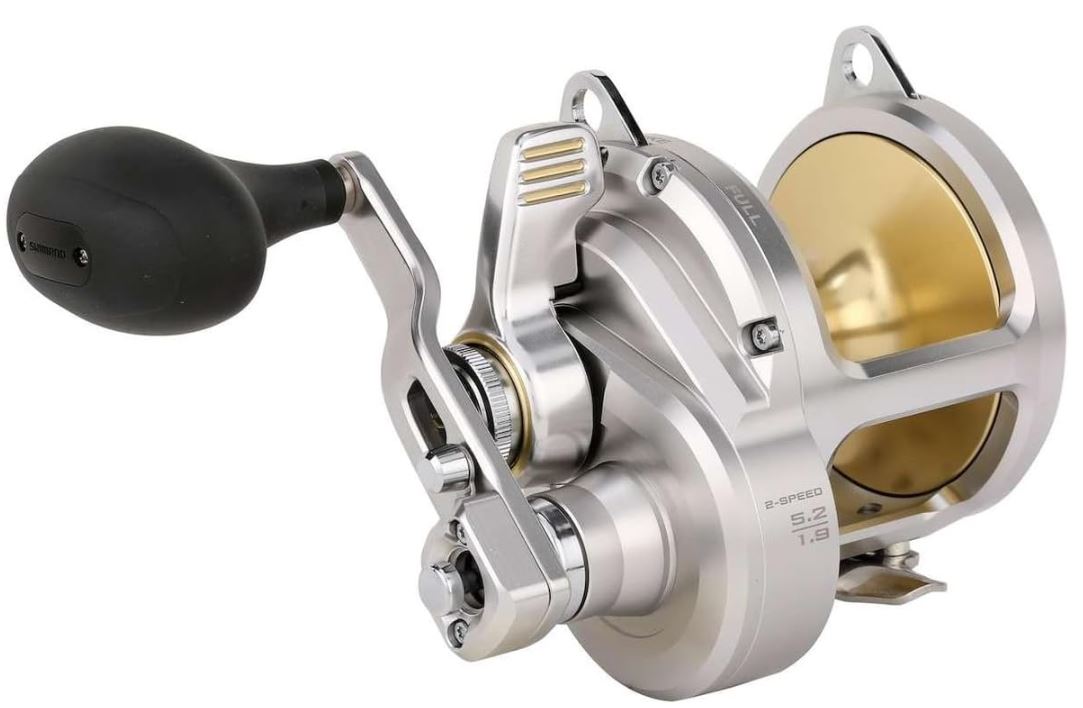
When fish are pushing 150+ pounds and you need every possible advantage, the Talica 20 steps up with more drag pressure, more line capacity, and more frame rigidity. Heavier and bulkier than the 16, so it’s not the reel for all-day casual fishing. But when a cow bluefin shows on the sonar and everybody else is tied into fish, this is the reel you want in your hand. Some trips specifically target these giants at the outer banks or on long-range runs to Guadalupe, and the Talica 20 is built for that mission.
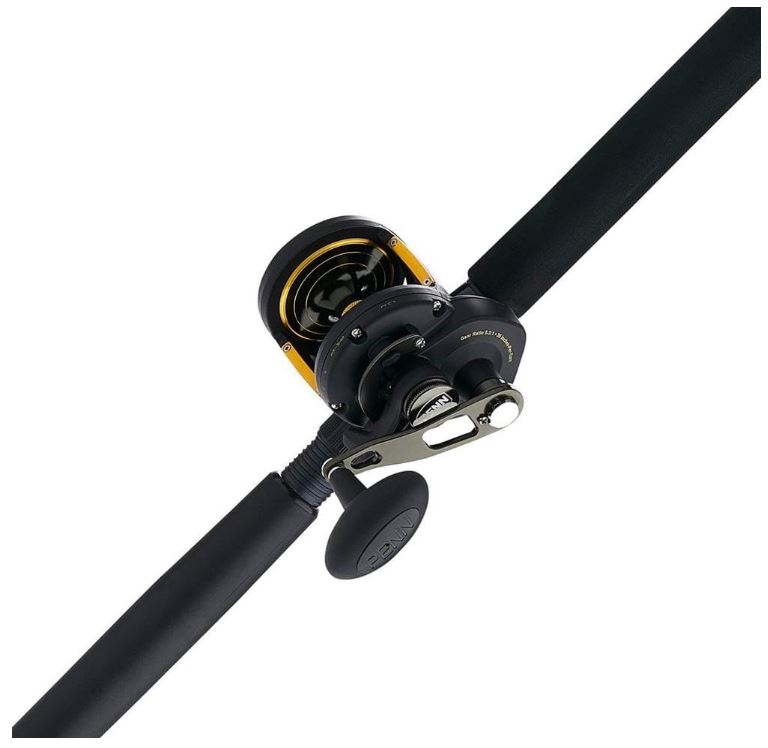
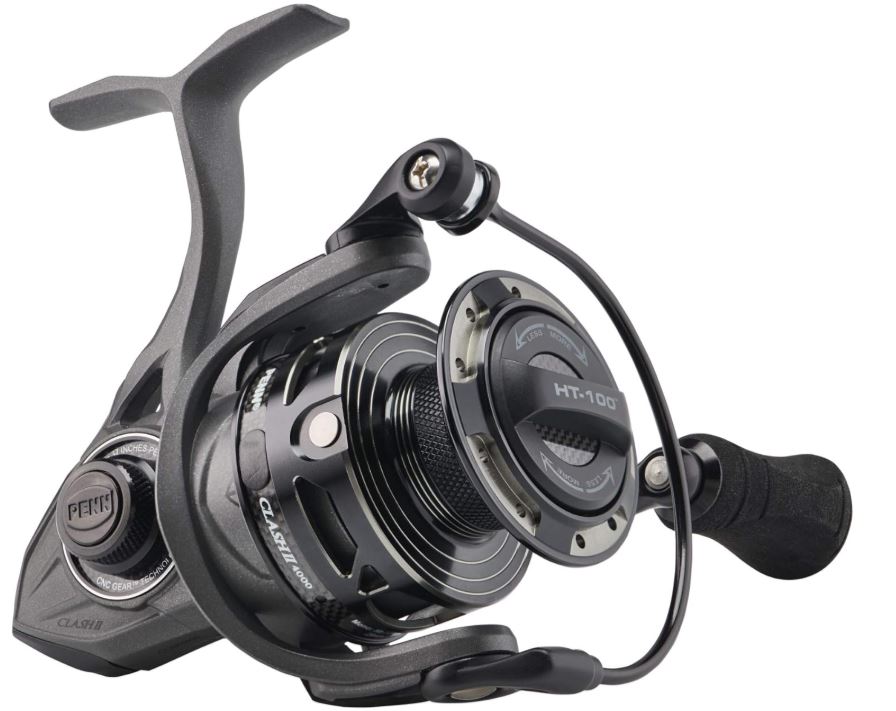
Best Value: Penn Fathom II 30 SD (Two-Speed)
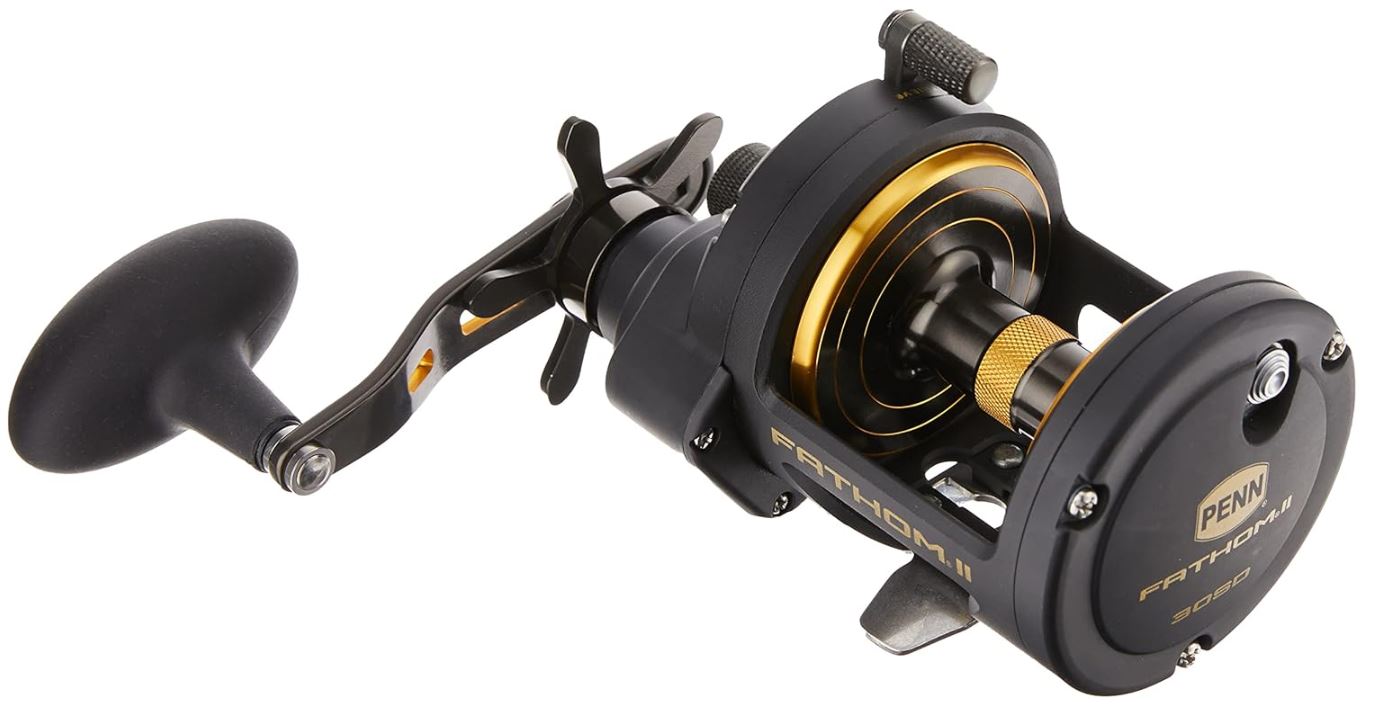
If the Shimano prices make you blink, the Fathom II is a legitimate alternative at significantly less money. The gear shift isn’t as buttery as the Talica’s and the drag isn’t quite as silky, but it has the raw power and line capacity to land big tuna. Plenty of SoCal anglers fish the Fathom as their primary tuna reel and do just fine. A great entry into the 40lb+ class without the sticker shock.
Best Premium: Accurate Fury FX2 500N
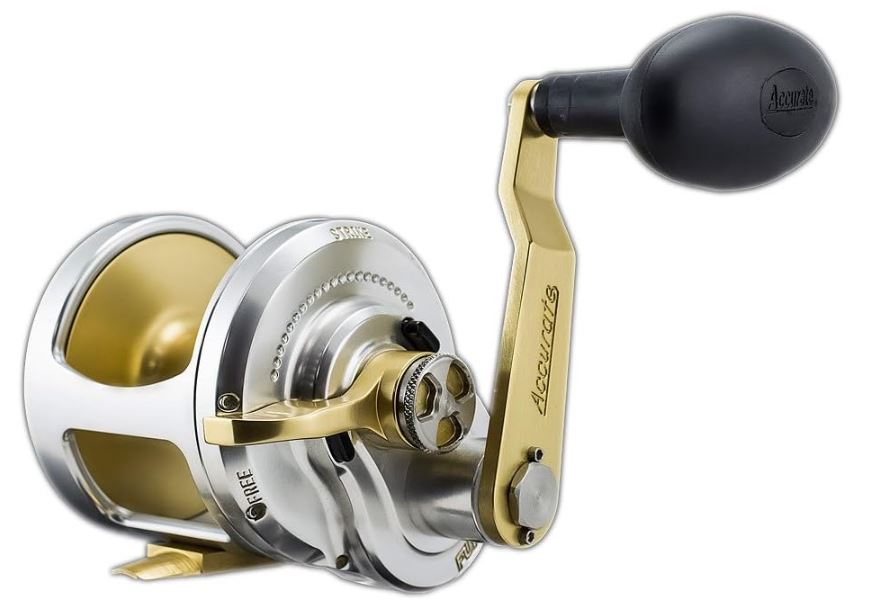
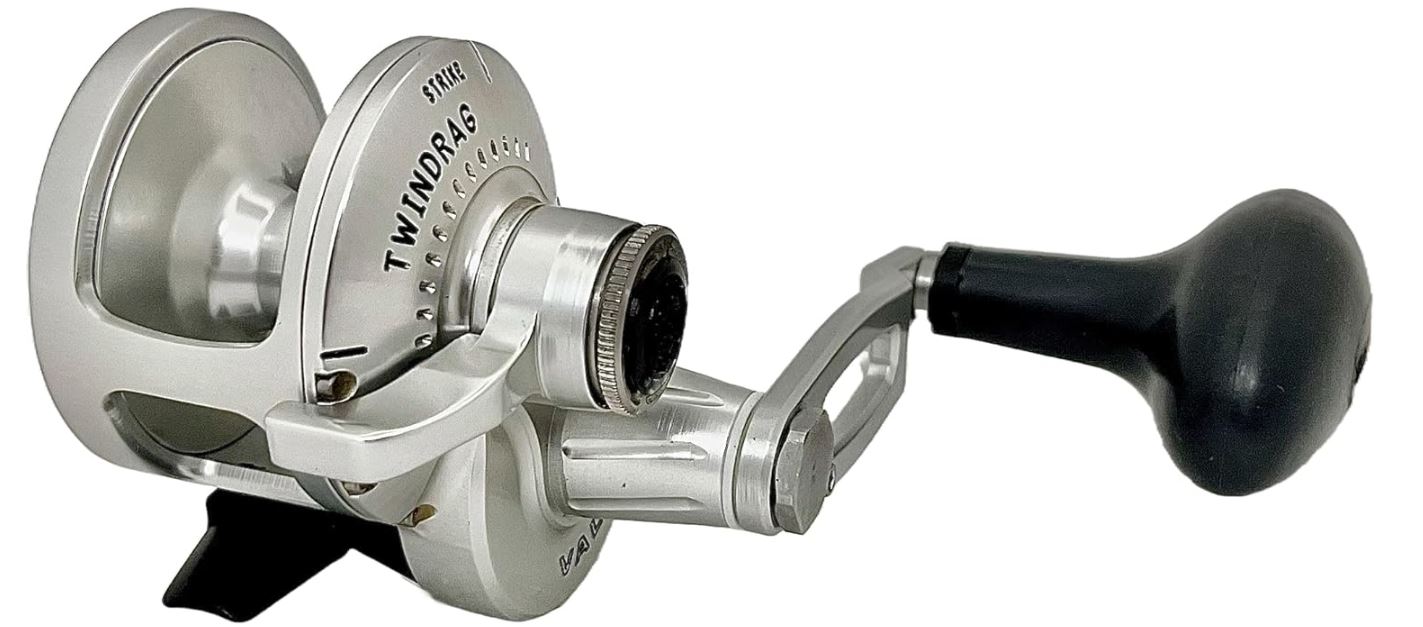
Built in California. The Accurate Fury features their twin-drag system that delivers the smoothest drag in the business. When a bluefin changes direction and the drag needs to respond instantly without sticking or surging, the Fury does it better than anything else. Build quality is impeccable, CNC-machined from solid aluminum. This is the reel serious SoCal tuna anglers save up for. If you fish 20+ tuna trips a year, it pays for itself in fish landed that lesser reels would have lost.
Best Heavy Spinning Reels
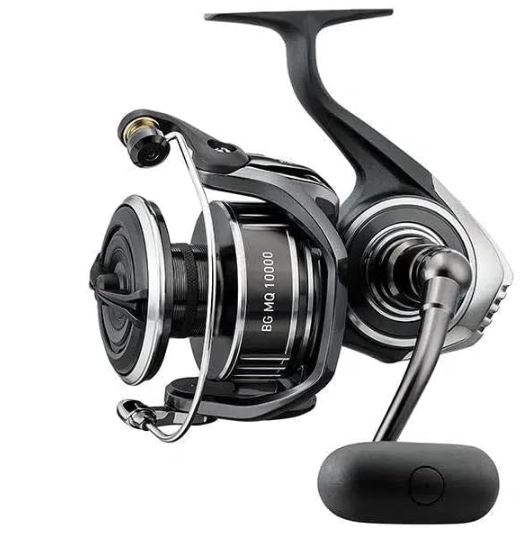
Spinning reels in the 40lb+ class serve a specific role: casting heavy surface irons and poppers at tuna that are crashing on the surface. You won’t use them for bait drops, but when bluefin are boiling and you need to put a jig 100 yards out, a heavy spinner is the tool. See the jigs vs irons vs poppers guide to know which lure to throw.
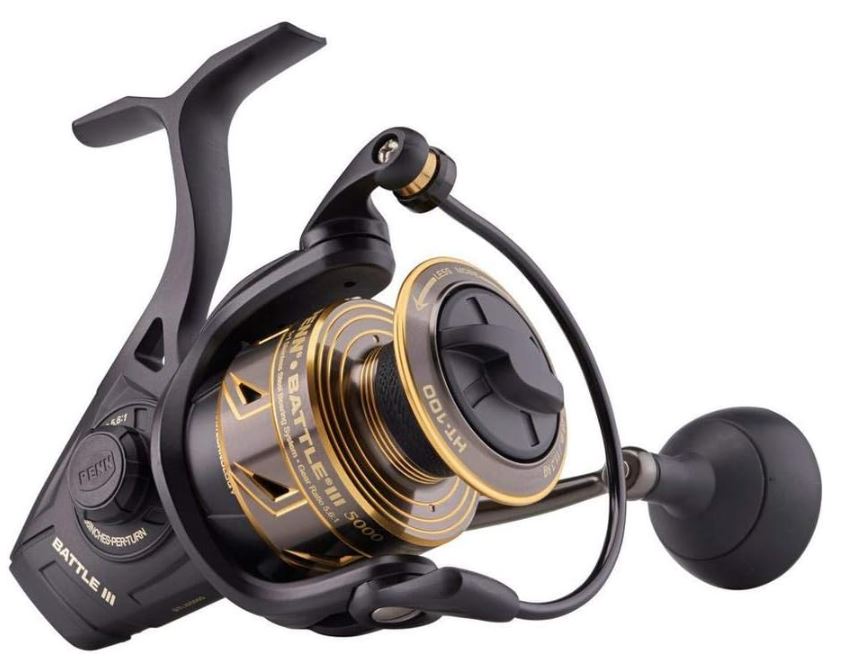
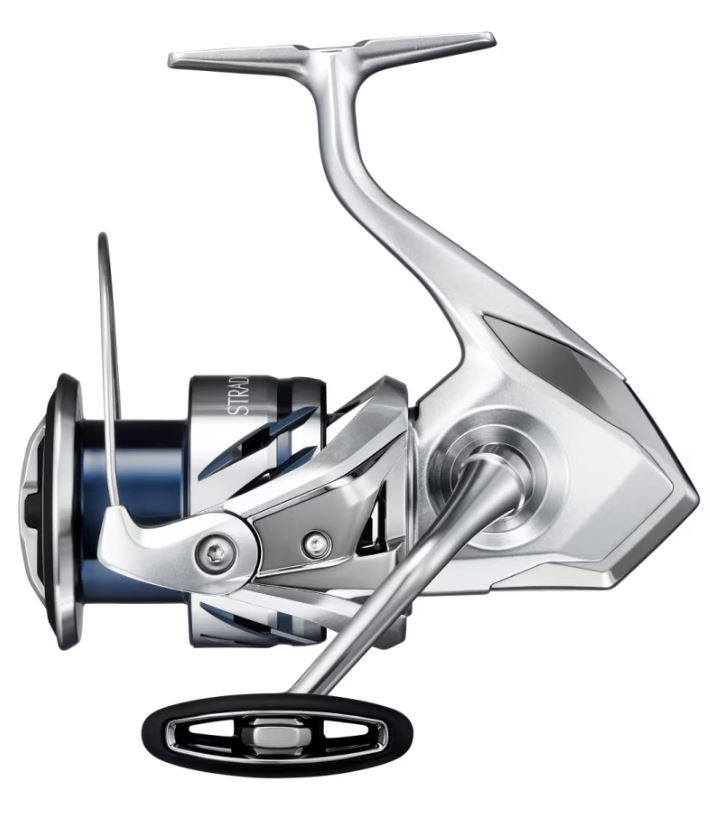
Best Overall: Shimano Saragosa SW 14000
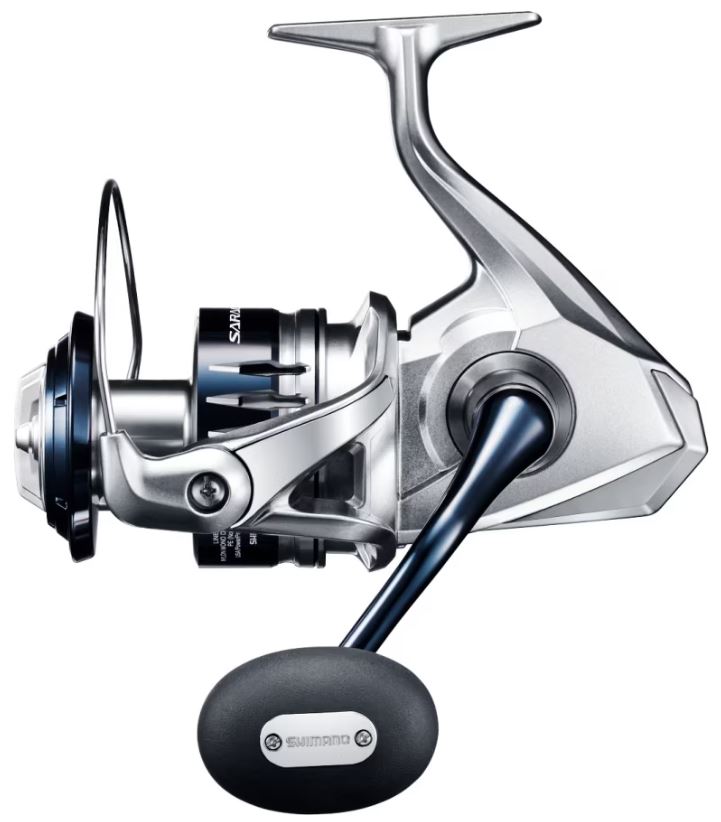
The biggest Saragosa has the drag power (29 lbs) and line capacity to tangle with tuna while keeping the casting ability that makes spinning reels essential for iron fishing. It’s a big, heavy reel and casting it all day is a workout. But when tuna are on the surface, nothing else puts the jig where it needs to go. Spool with 65lb braid and no leader for maximum distance.
Best Premium: Shimano Stella SW 10000
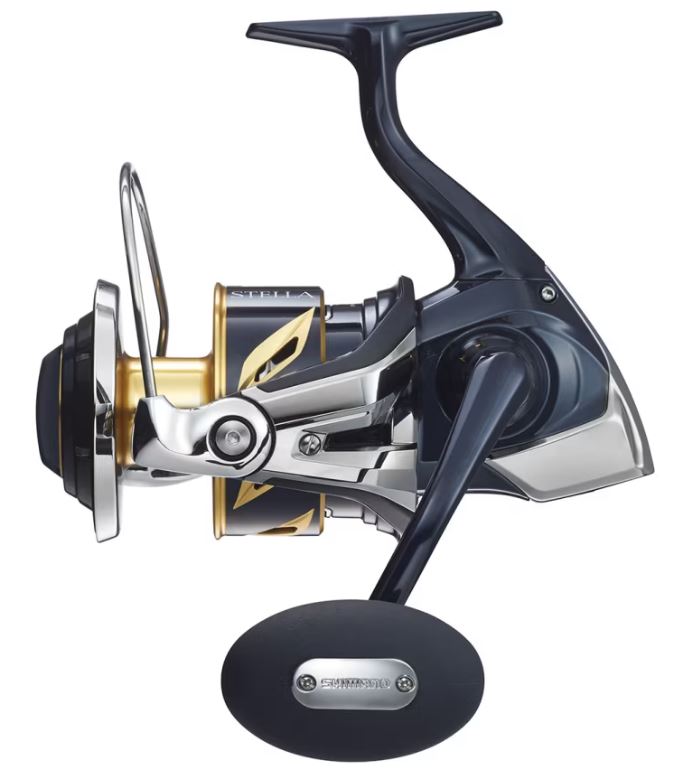
The ultimate tuna spinning reel. Lighter than the Saragosa with the same power, glass-smooth drag, and a silky retrieve that makes your tenth cast feel like your first. The price is eye-watering. Anglers who cast iron often consider it an investment, and after a 12-hour day on the deck your arm will thank you.
Matching Your Setup
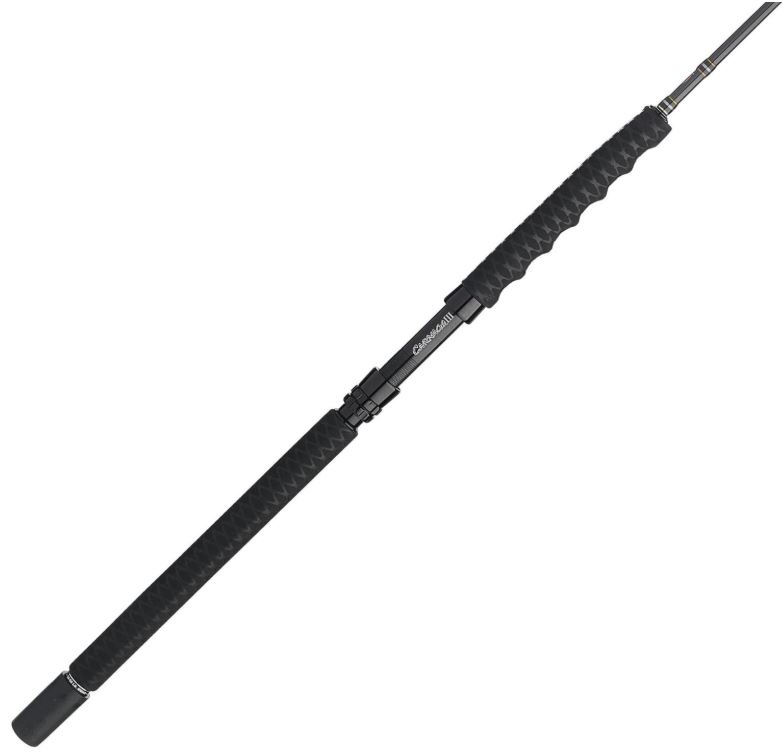
Conventional setups: A 5’6″ to 6’6″ rod in heavy to extra-heavy power. Short rods give you leverage against deep-pulling tuna. A long rod works against you when a fish is straight below the boat. Composite or fiberglass blanks are preferred for durability under extreme loads. Graphite can fail catastrophically. Composite absorbs punishment.
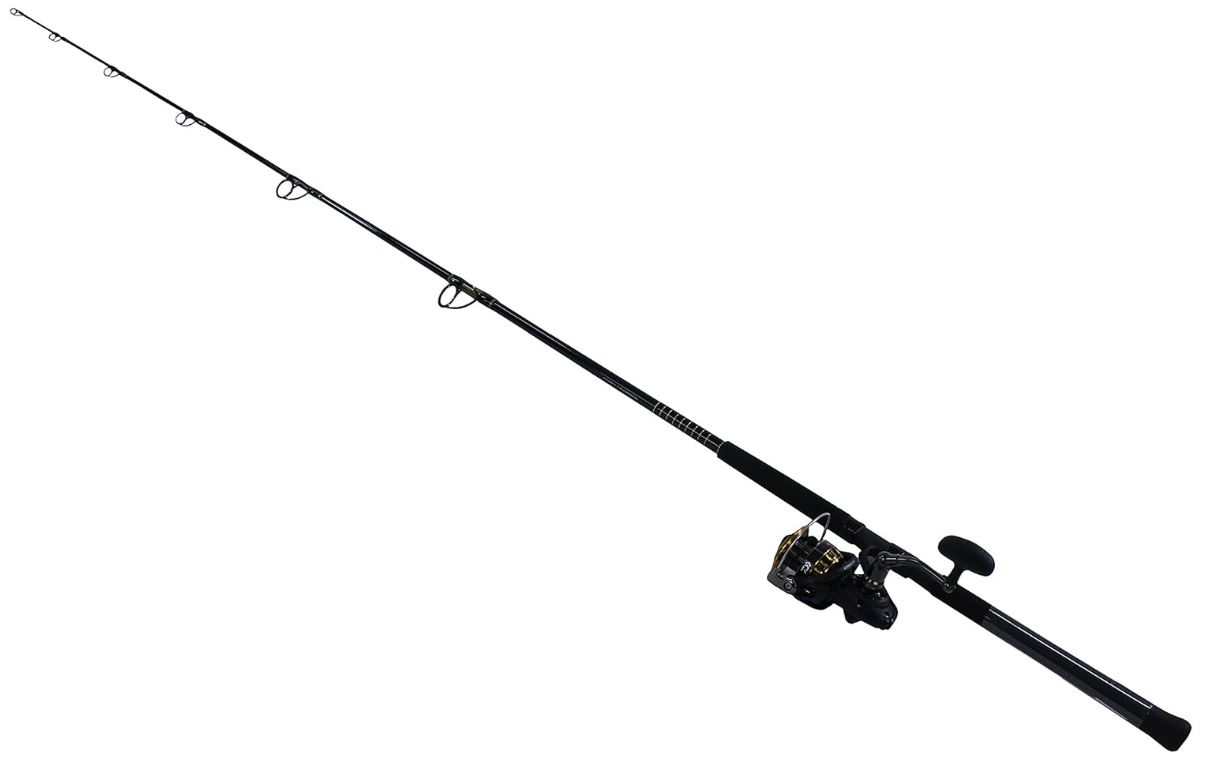
Spinning setups: A 7-foot to 8-foot rod in heavy power for casting irons and poppers. Needs enough backbone to fight tuna but enough tip to load and launch heavy jigs. Graphite is acceptable here because the fishing is more active and the rod sees different stresses than bait fishing.
Line: 65–80lb braid for main line. Leader depends on technique: 40–60lb fluorocarbon for fly-lining live bait, 80–100lb fluoro for chunking or kite fishing, no leader for surface iron. Connect braid to leader with an FG knot. See the line guide for specific brand picks.
Hooks: Circle hooks in 4/0–7/0 for live bait presentations. Check the hooks by species guide for exact sizes matched to bluefin techniques.
For complete rod and reel pairing advice, see the rod and reel combo guide.
When You Need 40lb+ Gear
Bluefin season in SoCal runs from late spring through fall, with the biggest fish showing up in summer and early fall when water temps reach 62–68°F. The fish move through predictable temperature corridors that you can track on the SST chart. Use the chlorophyll map to find where bait is stacking up. Tuna follow the food. When the long-range boats start posting bluefin counts and the fleet tracker shows boats converging offshore, that’s when you dust off the 40lb+ gear.
Check the San Diego fishing season calendar for a month-by-month breakdown, and the overnight trip packing list if you’re booking a multi-day run.
Frequently Asked Questions
What size reel do I need for bluefin tuna?
For school-size bluefin (30–80 lbs), the Talica 16 or equivalent 40lb class reel is ideal. For fish over 100 lbs, step up to the Talica 20 or 50lb+ class. See the complete bluefin reel guide for a full size breakdown.
Is the Talica 16 or 20 better for SoCal bluefin?
The Talica 16 covers 90% of SoCal bluefin scenarios and is significantly lighter and more comfortable to fish all day. Get the 20 only if you’re specifically targeting trophy fish over 100 lbs on multi-day trips to the outer banks or Guadalupe.
Can I use a 40lb reel for yellowtail too?
Yes. A 40lb reel handles big yellowtail with ease, especially cow yellows on deep structure. It’s just heavier than you need for everyday yellowtail fishing. A 30lb class reel is the better all-around yellowtail choice, with the 40lb as your step-up when big fish are in the mix. See the yellowtail reel guide for species-specific picks.
Do I need a spinning reel for tuna?
Only if you’re casting surface iron or poppers to breaking fish. For bait fishing, jigging, and most overnight trip scenarios, conventional is the way. Many serious tuna anglers carry both.
What line should I use on a 40lb+ reel?
65–80lb braid with a 40–80lb fluorocarbon leader depending on technique and water clarity. Fill the spool completely. Every yard matters when a big bluefin runs. See the line guide for top brand picks.
What’s the best rod for a 40lb tuna reel?
A 5’6″ to 6’6″ heavy rod with a composite or fiberglass blank for bait fishing. For casting iron, a 7-foot to 8-foot heavy rod paired with a spinning reel. See the combo guide for matched pairings.
Plan Your Trip
- SST Chart — Bluefin bite best in 62–68°F water
- Chlorophyll Map — Find the bait that attracts tuna schools
- Marine Weather — Wind, swell, and sea conditions for the offshore run
- Fleet Tracker — See where the fleet is finding tuna
- AI Fishing Predictions — Data-driven forecasts for SoCal
- SD Fishing Season Calendar — When the bluefin arrive
- Overnight Trip Packing List
Related Guides
- Best Reel for Bluefin Tuna — size class breakdown and what to look for
- Best 30lb Reels — step down for yellowtail and lighter tuna
- Best 20lb Reels — light line class for bass and inshore
- Best Reel for Yellowtail
- Best 8ft Offshore Rods
- Best 7ft Offshore Rods
- Best Rod & Reel Combos for SoCal
- Best Poppers for Tuna
- Fly-Line Rig for Tuna
- Surface Iron Fishing Guide
- Jigs vs Irons vs Poppers
- Best Jigs and Irons for Yellowtail
Tight lines!