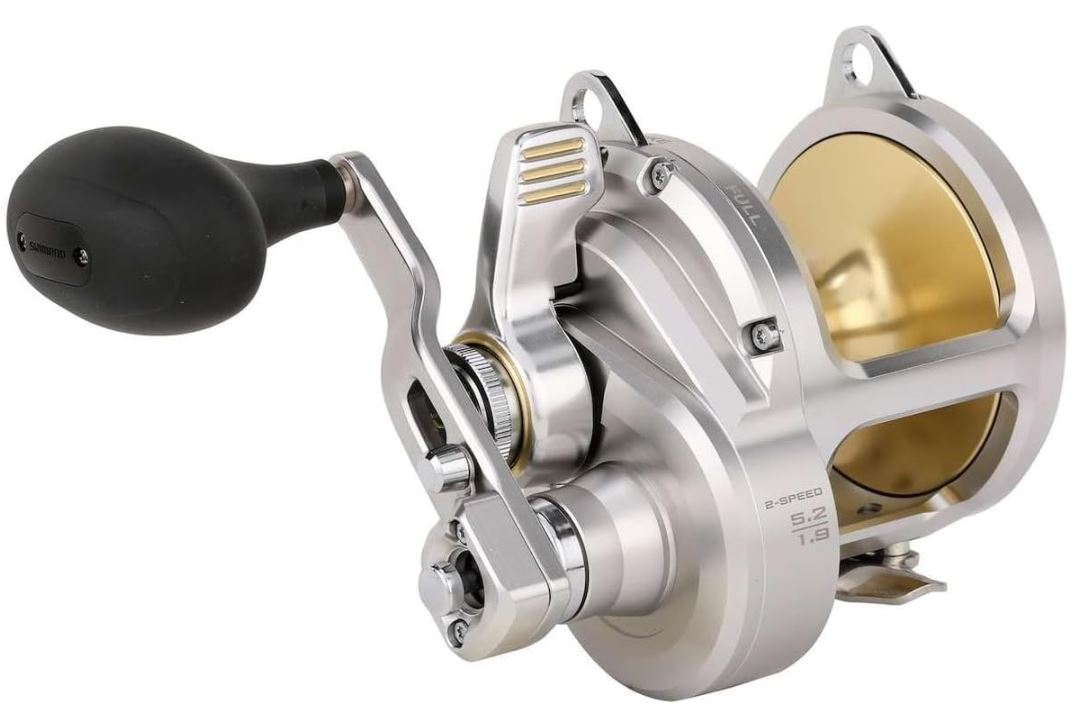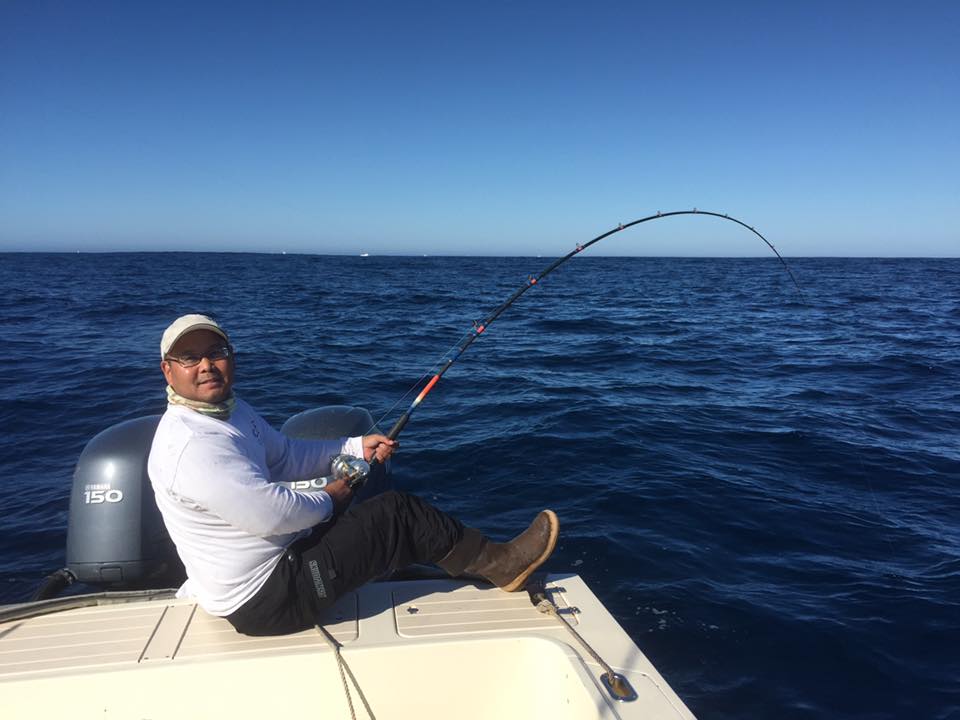
• Best 30lb Reels for Saltwater Fishing

    Best 30lb Reels for Saltwater Fishing

    The 30lb class is the workhorse line class for SoCal offshore fishing. It’s the reel you grab when the party boat heads to the Coronado Islands for yellowtail, when white seabass are in the kelp, or when school-sized tuna show up on the offshore banks. Heavy enough to stop serious fish, light enough to fish all day without burning out — this is the line class that sees more action on SoCal boats than any other.

    If you already have a 20lb setup for lighter work, a 30lb reel is the logical next step up. And if you’re chasing bigger bluefin, check our 40lb+ reel guide for the next class up.

    ⚡ Quick Picks

    Best overall: Penn Squall II 25N — lever drag, smooth, and the most common 30lb reel on SoCal party boats.

    Best two-speed: Shimano Talica 12 II — high/low gearing for grinding deep yellowtail.

    Best premium: Daiwa Saltiga SASD35HA — bulletproof build, tournament-grade drag.

    Best value: Daiwa Saltist 30 — 80% of the performance at half the price.

    What the 30lb Class Covers

    A 30lb class reel is designed for 30lb monofilament or its braid equivalent — typically 40–50lb braided line. You want at least 15–20 pounds of max drag, 300+ yards of line capacity, and gearing that can handle extended battles with powerful fish.

    In SoCal, this class handles: yellowtail (the primary target — 15–40lb fish that fight like freight trains), white seabass, school bluefin tuna (15–40lb), yellowfin tuna, lingcod on heavy structure, and calico bass when big models are in the kelp and you need to horse them out. It’s also the right class for heavy yo-yo jigging and surface iron on bigger fish.

    Best Conventional Reels — 30lb Class

    Conventional reels dominate this class because most 30lb fishing involves bait drops, vertical jigging, or situations where line capacity and drag power matter more than casting distance.

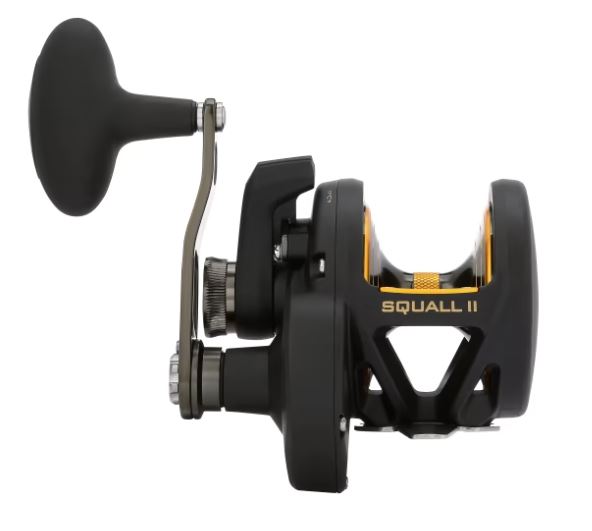
    Best Overall: Penn Squall II 25N (Lever Drag)
    Buy it on Amazon

    The Squall II in the 25 narrow size is the most popular 30lb class reel on SoCal party boats, and for good reason. The lever drag gives you precise control during the fight — critical when a yellowtail decides to dive into the kelp. It holds plenty of 40lb braid, the drag is smooth and consistent, and the price won’t make you flinch when salt spray is hitting it all day. This is the reel you’ll see on nearly every rail from San Diego to Ventura.

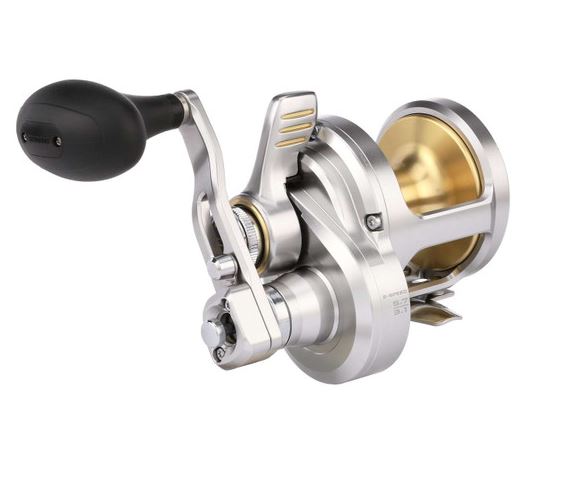
    Best Two-Speed: Shimano Talica 12 II
    Buy it on Amazon

    When you need to winch yellowtail up from deep structure or grind on a stubborn white seabass, a two-speed reel is worth its weight. The Talica 12 gives you a high gear for fast retrieves and line pickup, then a low gear that nearly doubles your cranking power for the toughest moments of the fight. It’s the same reel family that SoCal tuna anglers swear by (the larger Talica 16 and 20 handle bluefin), just sized down for the 30lb class. Premium price, but a lifetime reel if maintained.

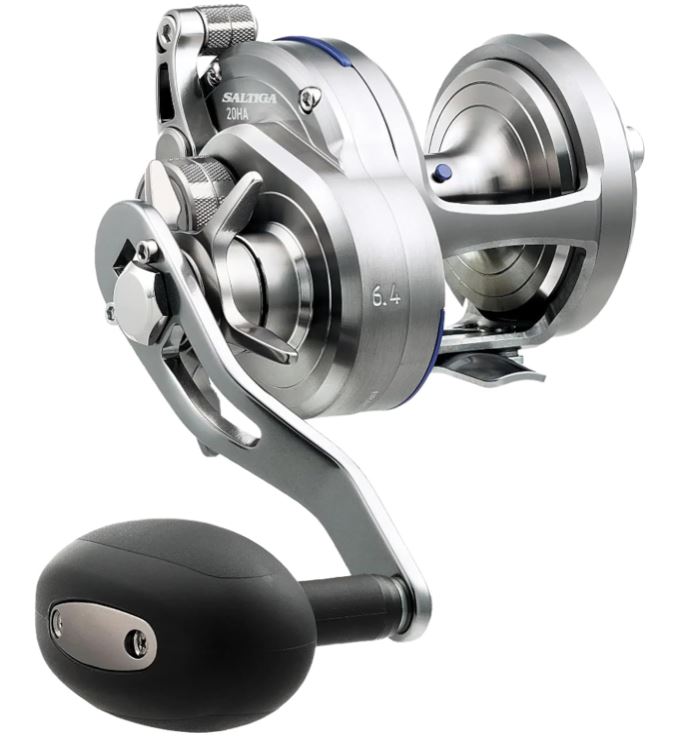
    Best Premium: Daiwa Saltiga SASD35HA
    Buy it on Amazon

    The Saltiga is the reel you buy when you’re done upgrading. Daiwa’s flagship conventional is built to an absurd standard — fully machined aluminum frame, Magsealed bearings that lock out saltwater, and a carbon drag system that delivers smooth, fade-free pressure even on long yellowtail and tuna runs. The SASD35HA gives you a high-speed retrieve ratio that picks up line fast when fish run toward you, while still having the cranking torque to pull big yellows off the bottom. It’s overkill for the 30lb class in the best possible way. If you fish 30+ times a year and demand zero compromises, this is it.

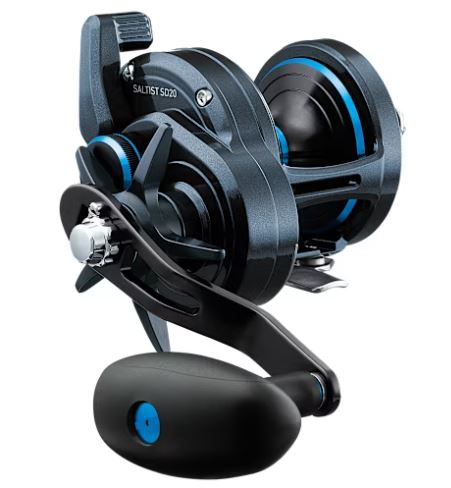
    Best Value: Daiwa Saltist 30
    Buy it on Amazon

    A solid star-drag conventional that gives you 80% of the Talica’s performance at half the price. The drag system is smooth and reliable, the frame is rigid under load, and it handles the abuse of SoCal fishing without issue. Star drag is simpler than lever drag — less to adjust during the fight — which some anglers prefer. A great second reel or a smart choice for anglers who don’t want to invest in lever drag.

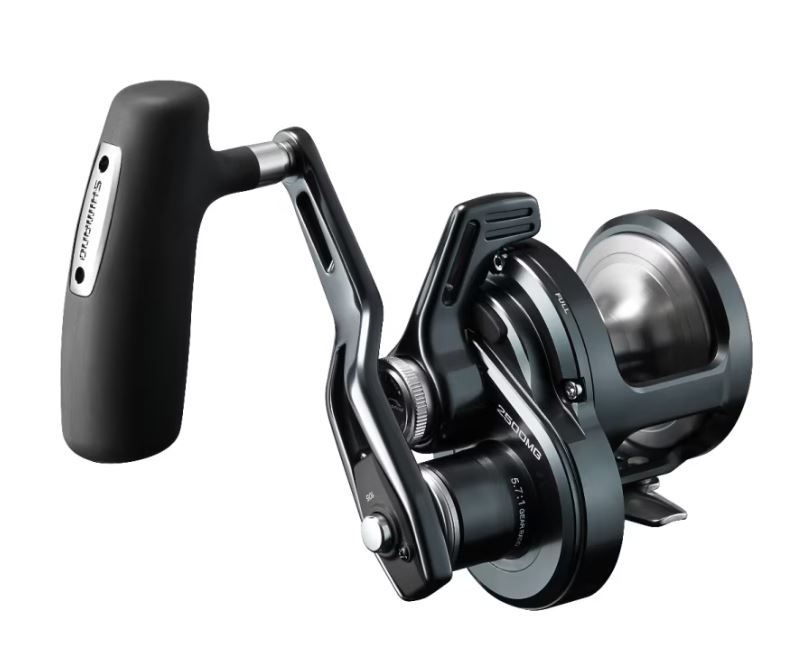
    Best for Jigging: Shimano Ocea Jigger
    Buy it on Amazon

    Purpose-built for vertical jigging, the Ocea Jigger has a narrow spool profile that reduces line friction during drops, and a gear system optimized for the repeated pump-and-wind motion of yo-yo jigging. If vertical jigging is your primary technique — especially at the islands or kelp paddies — this reel’s ergonomics and performance are a clear step above general-purpose conventionals. Pairs with a dedicated jig rod for maximum effectiveness.

    Best Spinning Reels — 30lb Class

    When you need casting distance — throwing surface iron, casting swimbaits, or pitching live bait to breaking fish — spinning reels have the edge.

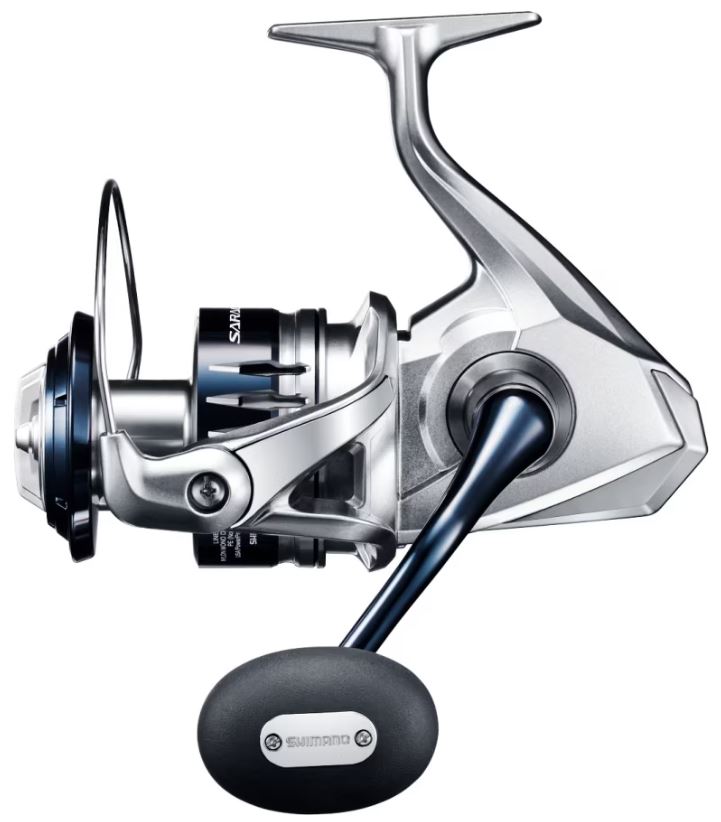
    Best Overall: Shimano Saragosa SW 6000
    Buy it on Amazon

    When you need casting ability in the 30lb class — throwing heavy iron, casting swimbaits, or pitching live bait — a spinning reel is the way to go. The Saragosa 6000 has the drag power (25+ lbs) and line capacity to handle this class while maintaining the casting advantages of an open spool. Waterproof, durable, and field-proven on SoCal boats for years.

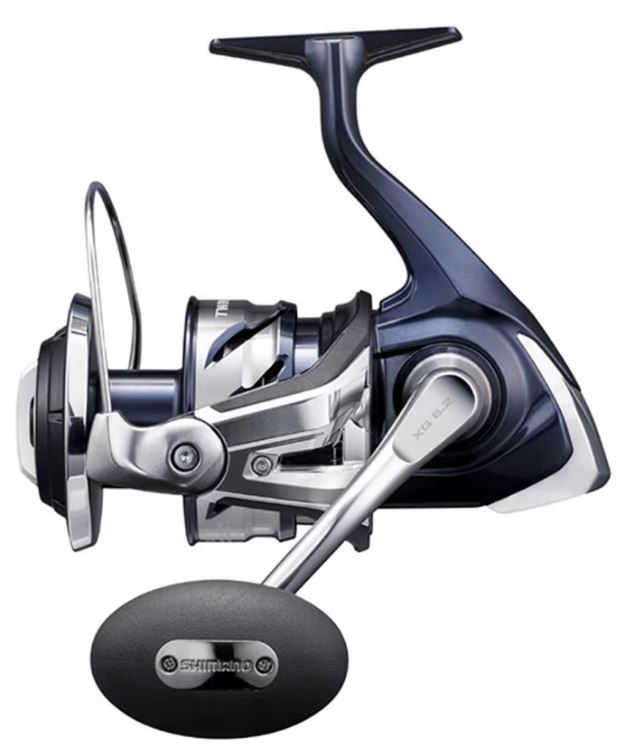
    Best Premium: Shimano Twin Power SW 6000
    Buy it on Amazon

    A step up from the Saragosa in smoothness and weight, the Twin Power SW is the choice for anglers who cast iron all day and need a reel that’s both powerful and light. The infinite anti-reverse is flawless, the drag startup is instant, and it handles big yellowtail without flinching. More than most people need, but it’s hard to go back to lesser reels once you’ve fished one.

    Pairing Your 30lb Reel

    For conventional reels in this class, a 7-foot rod in medium-heavy to heavy power with a fast action is standard. Graphite blanks keep the weight down for long days. For spinning reels, a 7′ to 7’6″ medium-heavy fast rod gives you casting distance for iron work. An 8-foot rod is worth considering if you’re primarily casting surface iron and need maximum distance.

    Line: 40–50lb braid main line, 30–40lb fluorocarbon leader. The braid maximizes capacity and sensitivity; the fluoro leader handles abrasion from structure, kelp, and toothy fish. Connect them with an FG or Alberto knot for a slim, guide-friendly connection. See our best fishing line by pound test guide for specific brand picks.

    Hooks: Circle hooks (2/0–4/0) for live bait on yellowtail and white seabass, or match hook size to your target species.

    Rigs: A slider rig is the go-to for live bait presentations in the 30lb class. For bottom fishing, a dropper loop puts your bait right in the zone.

    See our best rod and reel combo guide for complete pairing recommendations at every budget.

    Frequently Asked Questions

    What is a 30lb class reel used for?

    The 30lb class covers most SoCal offshore fishing: yellowtail, white seabass, school-size bluefin and yellowfin tuna, lingcod, and big calico bass. It’s the standard party boat reel for trips to the Coronado Islands, Catalina, and San Clemente.

    Should I get a conventional or spinning reel for 30lb?

    Conventional is the default for most 30lb fishing — it gives you more line capacity, better drag, and lever/star drag control for bait fishing and jigging. Get a spinning reel if you primarily cast surface iron or swimbaits and need distance.

    What’s the difference between lever drag and star drag?

    Lever drag lets you adjust drag pressure precisely during the fight with a sliding lever — ideal for yellowtail that make surging runs near structure. Star drag uses a wheel behind the handle and is simpler but less precise. Lever drag costs more but gives you better control when it matters.

    Do I need a two-speed reel?

    Not always, but it helps. Two-speed gives you low gear for grinding deep fish and high gear for fast retrieves. If you fish deep structure regularly or target white seabass and tuna alongside yellowtail, two-speed is worth the upgrade. For pure surface work and kelp fishing, single-speed is fine.

    What line should I put on a 30lb reel?

    40–50lb braided line with a 30–40lb fluorocarbon leader. Braid gives you capacity and sensitivity; fluoro gives you abrasion resistance and invisibility. See our line guide for specific brands.

    What’s the best rod to pair with a 30lb reel?

    A 7-foot medium-heavy rod is the most versatile choice for conventional. For spinning and iron casting, consider a 7’6″ to 8-foot rod. See our combo guide for matched pairings.

    Plan Your Trip

    Check conditions before heading out:

    Related Guides

    Tight lines!

  • Best 20lb Reels for SoCal Saltwater Fishing

    Best 20lb Reels for SoCal Saltwater Fishing

    The 20lb class is the sweet spot for a huge chunk of SoCal fishing. It’s heavy enough to handle yellowtail in open water, light enough for calico bass in the kelp, and versatile enough that one reel in this class can cover most of what a party boat or private boat throws at you. If you’re building your SoCal tackle arsenal and need one reel that does the most, this is the line class to start with.

    This guide covers both spinning and conventional reels in the 20lb class, because both have their place depending on what you’re doing. When you’re ready to step up to heavier fish, see our 30lb reel guide.

    ⚡ Quick Picks

    Best spinning: Shimano Saragosa SW 5000 — the SoCal workhorse. Bulletproof, smooth, handles everything.

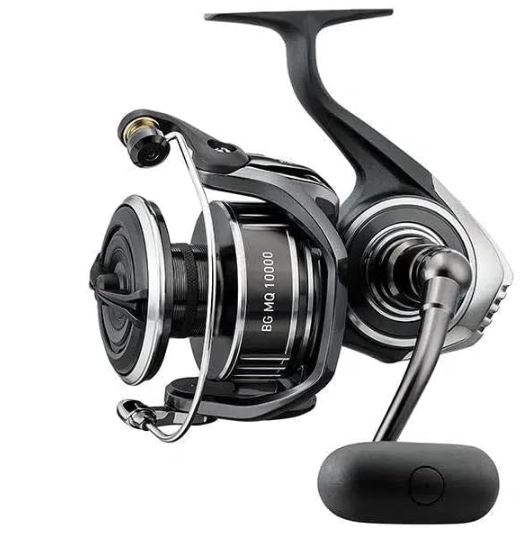
    Best value spinning: Daiwa BG MQ 4000 — 80% of the Saragosa at half the price.

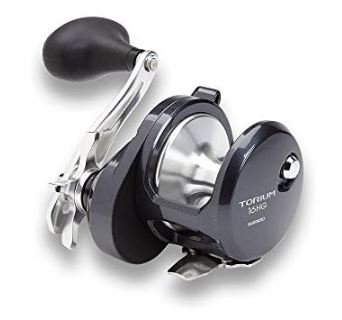
    Best conventional: Shimano Torium 16 — compact, smooth, perfect for party boat bait fishing.

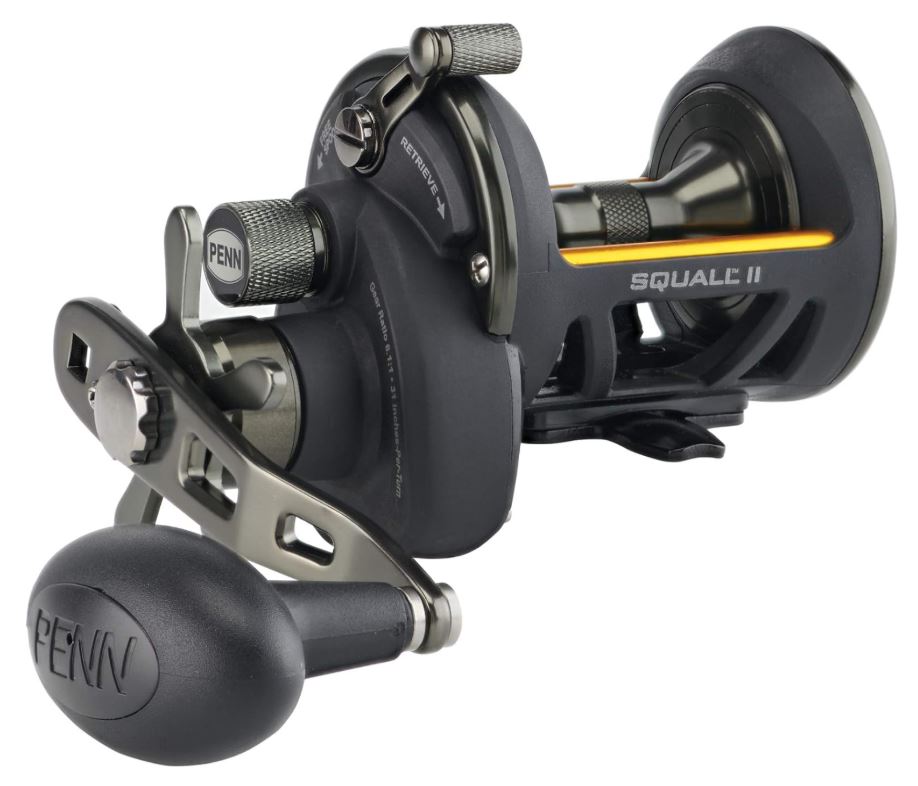
    Best value conventional: Penn Squall II 15 — reliable star drag at a great price.

    Best for casting jigs: Accurate Valiant 300 — twin drag, casts like a spinning reel.

    What “20lb Class” Actually Means

    A 20lb class reel is designed to fish 20lb monofilament or its braid equivalent — typically 30–40lb braided line, which has the same diameter as 20lb mono. The reel should have at least 10–15 pounds of max drag, hold 200+ yards of line, and have gears strong enough to handle sustained fights with fish in the 10–30 pound range.

    In SoCal, a 20lb setup covers: calico and sand bass, bonito, barracuda, smaller yellowtail (10–20lb class), white seabass, sheephead, lingcod, and light-line situations where bigger fish might show up but you’re willing to play them longer. It’s also the ideal class for casting surface irons and swimbaits.

    Best Spinning Reels — 20lb Class

    Spinning reels shine in the 20lb class for casting — throwing iron, swimbaits, and live bait to breaking fish or into the kelp. If casting distance matters, go spinning.

    Best Overall: Shimano Saragosa SW 5000

    Buy it on Amazon

    The Saragosa has been a SoCal staple for years. The 5000 size sits perfectly in the 20lb class — 25 pounds of max drag, smooth waterproof construction, and a gear ratio fast enough for burning iron. It handles sand, salt spray, and the abuse of party boat fishing without complaint. Spool it with 30lb braid and you’ve got a reel that works from the kelp beds to the offshore banks. The bigger Saragosa 6000 steps up to the 30lb class if you need more capacity.

    Best Value: Daiwa BG MQ 4000

    Buy it on Amazon

    The BG has been the budget king in SoCal for good reason — the drag system punches way above its price, the body is sealed and durable, and it casts beautifully. The MQ (monocoque body) version adds rigidity under load. At roughly half the price of the Saragosa, it’s the obvious choice if you want excellent performance without the premium price tag. A great first saltwater reel or a smart backup to keep in the rod rack.

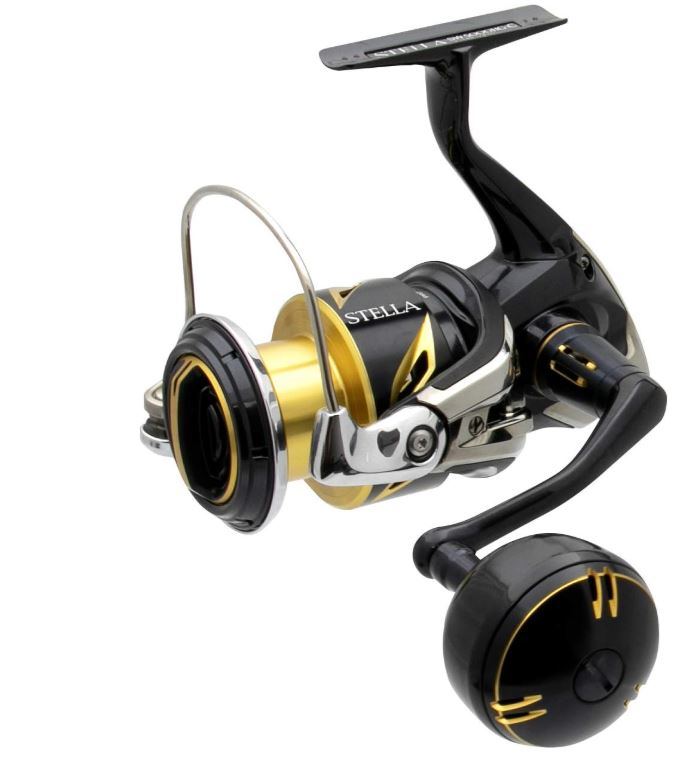
    Best Premium: Shimano Stella SW 5000

    Buy it on Amazon

    If budget is no concern, the Stella is the finest spinning reel you can buy. Silky smooth from the first crank, impossibly light for its power, and built to last decades. The drag startup is virtually zero — critical when a yellowtail hits your iron and you need instant, smooth pressure. Overkill for most anglers, but if you fish 50+ days a year, you’ll appreciate the difference.

    Best Conventional Reels — 20lb Class

    Conventional reels in the 20lb class are the go-to for bait fishing on party boats — dropping live bait down, fishing dropper loops for rockfish, or working a slider rig for yellowtail and white seabass.

    Best Overall: Shimano Torium 16

    Buy it on Amazon

    A compact star-drag conventional that’s perfectly sized for 20lb class fishing. Smooth drag, comfortable palming frame, and enough line capacity for anything in this class. The Torium excels on the party boat rail for bait fishing — drop it down, wait for the bite, and wind. Pairs well with a 7-foot graphite rod in medium to medium-heavy power.

    Best Value: Penn Squall II 15 (Star Drag)

    Buy it on Amazon

    The Squall II 15 in star drag is a straightforward, reliable reel at a price that makes it easy to recommend. Star drag is simple — dial it in before you drop and you’re good. No fussing with a lever during the fight, just a smooth drag system that does its job. The Squall handles everything from calico bass to light-line yellowtail without flinching, and it’s tough enough for daily party boat abuse. You’ll find these in every tackle shop from San Diego to Santa Barbara. A great first conventional or a dependable backup reel.

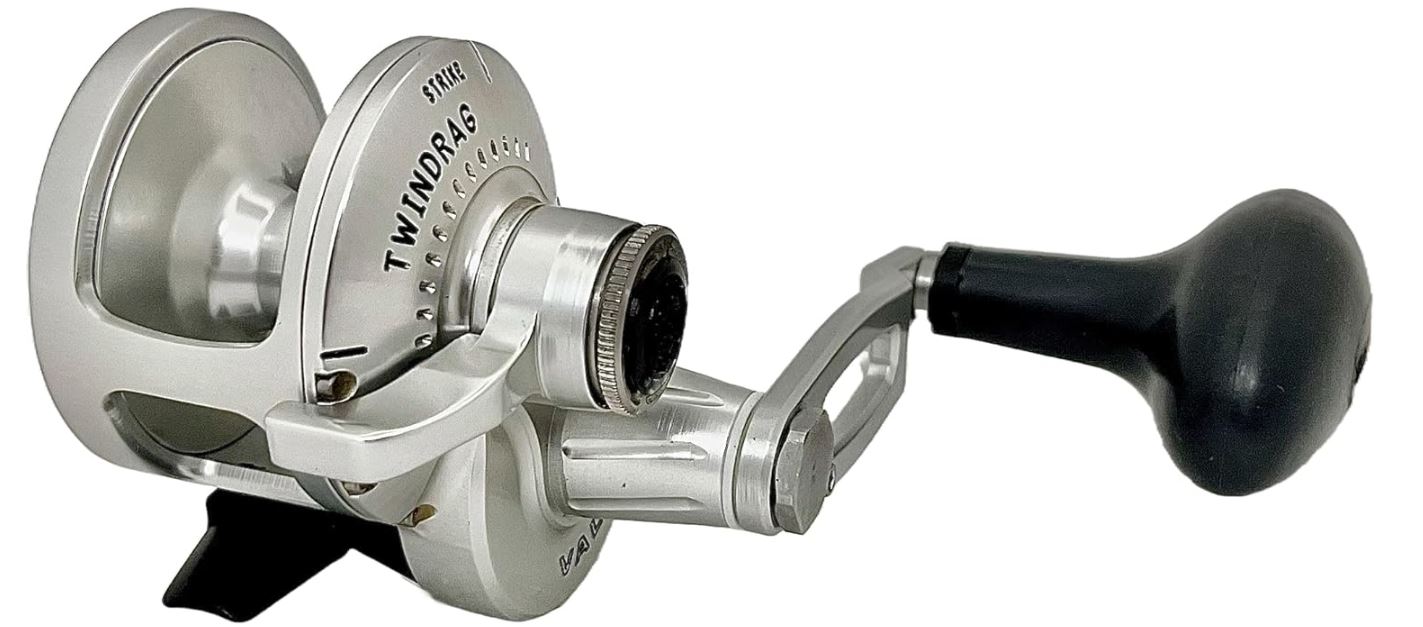
    Best for Casting Jigs: Accurate Valiant 300

    Buy it on Amazon

    When you need a conventional reel that can also cast, the Valiant’s twin-drag system and free-spool performance make it the top choice. It casts jigs and irons nearly as well as a spinning reel while giving you the power and line capacity advantages of a conventional. Premium price, but if you want one conventional reel for everything — bait, iron, poppers — this is it.

    Matching Rod and Line

    Rods: A 20lb class reel pairs best with a 6’6″ to 7’6″ rod in medium to medium-heavy power. For spinning reels, a fast-action graphite rod maximizes casting distance for iron and swimbaits. For conventional reels used for bait fishing, a moderate-fast action gives you better fish-fighting leverage. A 7-foot offshore rod is the most versatile length for this class. See our complete rod and reel combo guide for specific pairings at every budget.

    Line: 30–40lb braid as your main line, with 20–25lb fluorocarbon leader. This gives you sensitivity, casting distance, and the abrasion resistance of fluoro where it matters — near the fish. Connect them with an FG knot for a slim connection that passes through guides cleanly. See our line guide for top brand picks at every pound test.

    Hooks: Circle hooks (1/0–3/0) for live bait, or check our hooks by species guide to match your target.

    Rigs: A slider rig is deadly for yellowtail and white seabass in the 20lb class. For rockfish and bottom species, tie a dropper loop. For halibut on the sand, a Carolina rig with a swimbait is hard to beat.

    20lb Class vs Other Line Classes

    Line ClassBest ForToo Light For
    12–15lbBay bass, perch, finesse workMost offshore species
    20lb (this guide)Calico bass, bonito, light yellowtail, white seabass, casting ironBig bluefin, cow yellowtail
    30lbYellowtail, white seabass, school tunaGiant bluefin
    40lb+Bluefin tuna, big yellowfin, cow yellowtailNothing — it’s the heavy class

    Frequently Asked Questions

    What is a 20lb class reel used for?

    The 20lb class is the most versatile line class in SoCal. It covers calico bass, sand bass, bonito, barracuda, smaller yellowtail, white seabass, sheephead, lingcod, and casting surface iron. It’s the standard reel for half-day and 3/4-day party boat trips.

    Should I get spinning or conventional for 20lb?

    Get spinning if you mainly cast iron, swimbaits, or live bait — the casting distance advantage is significant. Get conventional if you mostly bait fish on party boats using dropper loops or slider rigs. Many anglers carry one of each.

    Can I catch yellowtail on a 20lb reel?

    Yes — school-size yellowtail (10–20 lbs) are a blast on 20lb gear, especially on iron. For bigger yellowtail (25+ lbs), a 30lb setup gives you more margin, and a dedicated yellowtail reel is worth considering if you target them regularly.

    What’s the best first saltwater reel?

    The Daiwa BG MQ 4000 is the best entry point — excellent performance at a price that doesn’t hurt if saltwater is rough on it. Pair it with a 7-foot medium-heavy rod and 30lb braid, and you’re ready for most SoCal fishing. See our combo guide for a complete setup.

    What line should I use on a 20lb reel?

    30–40lb braided line with a 20–25lb fluorocarbon leader. Braid gives you capacity, sensitivity, and casting distance; fluoro gives you invisibility and abrasion resistance near structure. See our line guide for specific brands.

    What rod pairs best with a 20lb reel?

    A 7-foot medium to medium-heavy rod is the most versatile pairing. Graphite keeps the weight down for long days of casting. For surf fishing, consider a dedicated surf rod with a surf reel instead.

    Plan Your Trip

    Check conditions before heading out:

    Related Guides

    Tight lines!

  • Best Surf Fishing Reels for Southern California

    Best Surf Fishing Reels for Southern California

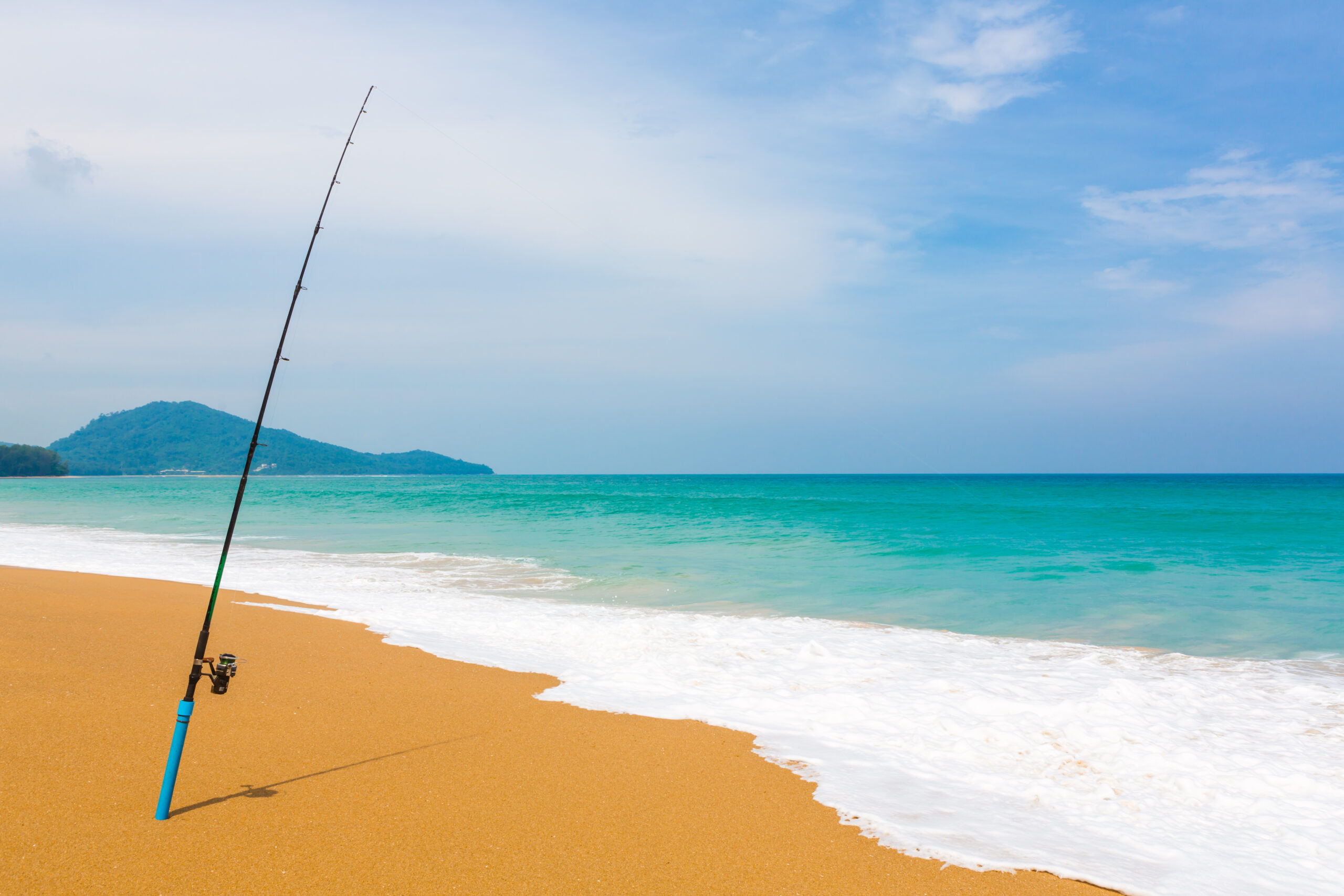
    Surf fishing in Southern California puts unique demands on your reel. You need casting distance to reach beyond the breakers, drag power to handle halibut, white seabass, and corbina, plus corrosion resistance to survive constant sand and salt spray. The wrong reel will corrode in weeks, seize up with sand, and leave you fighting your equipment instead of fish.

    The right surf reel is a spinning reel — specifically a 4000–6000 size with sealed bearings, smooth drag, and enough capacity for 200+ yards of 20lb braid. Here are the reels that survive the surf and catch fish.

    ⚡ Quick Picks

    Best overall: Penn Spinfisher VII 4500 — IPX5 sealed, 20 lbs of drag, built for the surf.

    Best budget: Daiwa BG MQ 4000 — rigid Monocoque body, punches way above its price.

    Best for big fish: Shimano Saragosa SW 5000 — 20 lbs of waterproof drag for halibut and white seabass.

    Best long cast:Penn Spinfisher VII 5500 Long Cast — shallow spool designed for maximum distance.

    Best premium: Shimano Twin Power SW 6000 — silky smooth, bomb-proof, the last surf reel you’ll buy.

    Why Spinning for Surf Fishing?

    Spinning reels are the clear choice for surf fishing for three reasons:

    Casting distance. Surf fishing requires long casts to reach the sand bars, troughs, and channels where fish feed. Spinning reels cast lighter weights farther than conventional, and they don’t backlash in the wind — a constant factor on SoCal beaches.

    Ease of use. When you’re standing in surf up to your waist, dealing with waves, sand, and running fish, you need a reel that works without fuss. Spinning reels have a simpler operating motion — flip the bail, cast, close the bail, retrieve.

    Light line performance. Most surf fishing uses 15–25lb braid with a fluorocarbon leader. Spinning reels handle these lighter line classes better than conventional, giving you better casting performance and more natural bait presentations. See our line guide for specific braid and fluoro recommendations.

    What to Look for in a Surf Reel

    Size: 4000–6000. This is the sweet spot for SoCal surf. A 4000 is lighter and better for long casting sessions targeting perch and corbina. A 5000–6000 gives you more drag and capacity for halibut, white seabass, and larger sharks. For most anglers, a 4500–5000 size is the best all-around choice.

    Sealed bearings and body. This is the most important feature for a surf reel. Sand and saltwater destroy open bearings in weeks. Look for reels with IPX-rated water resistance (IPX5 or higher). The Penn Spinfisher VII (IPX5) and Shimano Saragosa (X-Shield/X-Protect) both offer genuine sealed protection. Sealed bearings are the difference between a reel that lasts one season and one that lasts five years.

    Drag: 15–25 lbs. A 15-pound halibut in the surf fights harder than one on a boat because the waves and current are working against you. A good surf reel should deliver at least 15 lbs of smooth drag — 20+ lbs if you’re targeting white seabass from shore.

    Line capacity: 200+ yards of 20lb braid. You need extra capacity for long casts (which eat up 50–80 yards per cast) plus fighting room. Most of the reels below hold 300+ yards — plenty of margin.

    Gear ratio: 5:1–6:1. A medium-to-high gear ratio lets you pick up slack quickly when waves push a fish toward you, and retrieve your rig at a reasonable speed between casts. Avoid ultra-high ratios (7:1+) as they sacrifice cranking power.

    Best Surf Fishing Reels

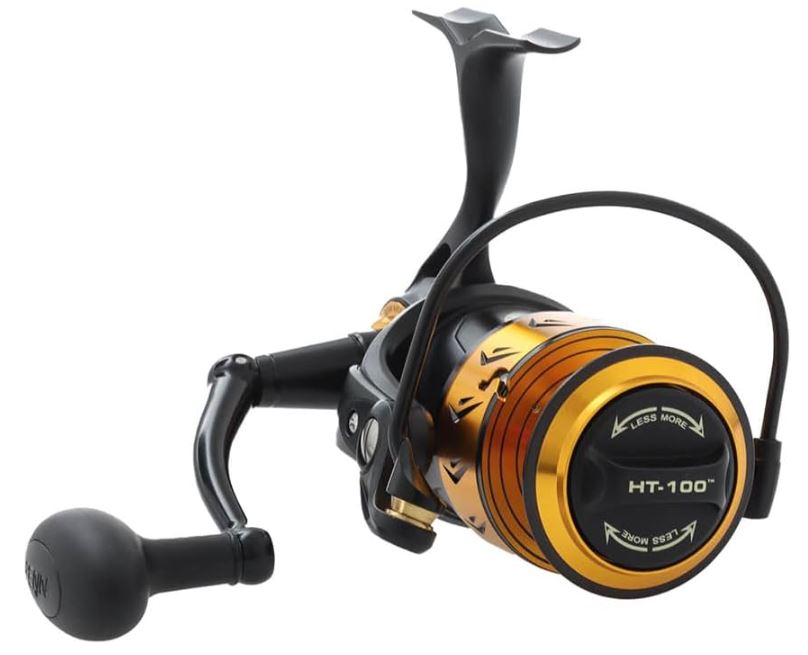
    Best Overall: Penn Spinfisher VII 4500

    Buy it on Amazon

    The Spinfisher has been the go-to surf reel for decades, and the VII is the best version yet. IPX5 sealing on both the body and spool means you can dunk it in a wave and keep fishing — sand and salt don’t get in. Full metal body with CNC brass gears, 20 lbs of HT-100 carbon fiber drag, and 320 yards of 20lb braid capacity. The 4500 size weighs just 12.5 oz — light enough for all-day casting. At roughly $130, it’s the best value sealed surf reel on the market. The 6.2:1 gear ratio retrieves fast enough to pick up slack in the surf without sacrificing cranking power. This is the reel that SoCal surf anglers buy when they’re serious about fishing the beach regularly.

    Best Budget: Daiwa BG MQ 4000

    Buy it on Amazon

    Daiwa’s BG MQ punches way above its price. The Monocoque one-piece body is far more rigid than typical reels at this price point — it doesn’t flex under load, which keeps the gears aligned and the retrieve smooth. 17.6 lbs of max drag handles any SoCal surf species, and the body is corrosion-resistant enough for regular beach use (though not as sealed as the Spinfisher or Saragosa). If you’re building your first dedicated surf setup and don’t want to spend $150+ on a reel, this is where to start. Pairs great with a budget surf rod for a complete setup under $250. Also does double duty as a yellowtail reel on the party boat.

    Best for Big Fish: Shimano Saragosa SW 5000

    Buy it on Amazon

    If you’re targeting halibut and white seabass from shore — fish that run hard and require serious drag — the Saragosa SW 5000 is the better choice over the Spinfisher. 20 lbs of Shimano’s Cross Carbon drag is noticeably smoother than Penn’s HT-100, especially at low drag settings where halibut bites happen. The X-Shield and X-Protect sealing is comparable to IPX5, and the Hagane body doesn’t flex. More expensive than the Spinfisher, but the drag quality justifies it when you’re fighting a 20-pound halibut in the wash. Also doubles as your light iron and dorado reel offshore.

    Best Long Cast: Penn Spinfisher VII 5500 Long Cast

    Buy it on Amazon

    Penn makes a dedicated Long Cast version of the Spinfisher with a shallow, wide spool designed to shed line with less friction. The result is 10–15% more casting distance compared to the standard spool — and in surf fishing, that extra distance often means reaching the trough or sandbar where the fish are. The 5500 size gives you 25 lbs of drag and 380 yards of 30lb braid — serious capacity for bigger surf species and long runs. Heavier at 18.5 oz, so it’s not ideal for all-day light-tackle sessions, but for dedicated halibut and white seabass surf fishing, the extra casting distance and power are worth the weight.

    Best Premium: Shimano Twin Power SW 6000

    Buy it on Amazon

    The Twin Power is overkill for casual surf fishing — and that’s exactly why serious surf anglers love it. Infinity Drive reduces rotational resistance under load, so retrieves stay smooth even when you’re cranking against surf current with a fish on. The drag is the smoothest in this lineup, the sealing is bomb-proof, and the build quality means it will outlast multiple cheaper reels. At 6000 size, it handles anything the SoCal surf throws at you — halibut, white seabass, bat rays, sharks, whatever. It’s also your premium popper and iron reel when you’re not on the beach. A buy-once reel.

    Also Consider: Shimano Saragosa SW 6000

    Buy it on Amazon

    The 6000 version of the Saragosa for anglers who want more capacity and drag than the 5000 but don’t want to spend Twin Power money. Same sealed construction, same smooth drag system, just bigger. Best for surf anglers who regularly encounter white seabass, large bat rays, or sharks that demand more line capacity and drag. Also the standard yellowtail iron reel, so it does double duty if you fish both surf and offshore.

    Which Reel for Which Situation

    SituationBest Reel SizeTop Pick
    Perch, corbina, light surf4000BG MQ 4000
    All-around SoCal surf4500Spinfisher VII 4500
    Halibut focused5000Saragosa 5000
    Maximum casting distance5500 LCSpinfisher VII 5500 Long Cast
    White seabass from shore5000–6000Saragosa 5000 or 6000
    Big sharks / bat rays6000Saragosa 6000
    Premium / buy-once6000Twin Power 6000
    Budget first setup4000BG MQ 4000

    Matching Your Reel to a Surf Rod

    Your reel and rod need to balance. A heavy reel on a light rod is fatiguing; a light reel on a heavy rod feels unbalanced. Here are the standard pairings:

    SetupReelRodTarget
    Light surfBG MQ 4000 or Spinfisher 45009′ mediumPerch, corbina, small halibut
    All-aroundSaragosa 5000 or Spinfisher 450010′ medium-heavyHalibut, white seabass, guitarfish
    Heavy surfSaragosa 6000 or Twin Power 600010–11′ heavyBig halibut, WSB, sharks, bat rays

    For complete rod and reel pairing recommendations across all fishing styles, see our best rod and reel combo guide.

    Best Surf Reel Setup (Line and Terminal)

    Mainline: 15–20lb braided line. Braid gives you casting distance (thinner diameter = less air resistance), sensitivity to feel bites through the long rod, and zero stretch for solid hooksets at distance. PowerPro Super Slick V2 in 20lb or Daiwa J-Braid Grand for maximum casting distance — see our line guide for more options.

    Leader: 12–20lb fluorocarbon, 3–4 feet. Berkley Vanish is the best value for surf leaders — you go through leader material fast in the sand and rocks. Seaguar Blue Label for premium. Connect to braid with an FG knot.

    Rig options:

    The Carolina rig is the most versatile surf rig — a sliding egg sinker above a swivel, then 2–3 feet of fluoro leader to your hook. Works for halibut, croaker, perch, corbina, and white seabass.

    A dropper loop rig is effective for fishing multiple baits at different depths — great for prospecting when you’re not sure what’s in the area.

    Swimbaits on jigheads are deadly for halibut when the surf is calm enough to work them properly.

    Hooks: 2/0–4/0 circle hooks for bait fishing — they self-set in the surf, which is a huge advantage when you can’t always hold the rod. See our hooks guide for specific sizes by species.

    Surf Reel Maintenance

    Surf reels take more abuse than any other type. Sand, salt, and wave impacts hammer the internal components. Here’s how to keep yours running:

    Rinse immediately after every session. Not when you get home — at the beach, if possible. Dunk the reel in a bucket of fresh water or rinse under a hose. Salt crystallizes as it dries and grinds into the bearings and drag.

    Open the bail and spin the rotor while rinsing. This flushes sand from the line roller area — the most common failure point on surf reels.

    Dry before storing. Leave the reel out to air dry completely before putting it in a bag or tackle box. Storing wet reels accelerates corrosion.

    Don’t set the drag when storing. Back the drag off completely when you’re done fishing. Storing a reel with the drag compressed wears out the washers faster.

    Deep clean 2–3 times per season. Remove the spool, clean the drag washers, re-grease if needed. If your reel feels gritty or the drag starts sticking, it’s time for a deep clean or professional service.

    Frequently Asked Questions

    What is the best all-around surf fishing reel?

    The Penn Spinfisher VII 4500. IPX5 sealed body and spool, 20 lbs of drag, 320 yards of 20lb braid, and it weighs just 12.5 oz. At roughly $130, it’s the best value sealed surf reel available. If you want smoother drag and are willing to spend more, the Shimano Saragosa 5000 is the premium alternative.

    What size reel for surf fishing?

    4000–4500 for light surf (perch, corbina, small halibut). 5000 for all-around use including larger halibut and white seabass. 6000 only if you regularly target large species (big halibut, sharks, bat rays) or need maximum casting distance and line capacity.

    Do I need a sealed reel for surf fishing?

    Strongly recommended. Sand and salt spray destroy unsealed bearings within weeks of regular surf use. A sealed reel (IPX5 rated like the Spinfisher or X-Shield like the Saragosa) lasts years instead of months. The extra $30–50 for sealed construction pays for itself many times over.

    Can I use my offshore spinning reel for surf?

    Yes — reels like the Saragosa 5000, Saragosa 6000, and Twin Power 6000 all work great in the surf. They’re sealed, have plenty of drag, and the 5000–6000 sizes are the right capacity. Just rinse thoroughly after surf sessions since the sand exposure is harsher than boat fishing.

    What line should I use for surf fishing?

    15–20lb braid (PowerPro or J-Braid Grand) with a 12–20lb fluorocarbon leader (Berkley Vanish). Connect with an FG knot. See our complete line guide for more detail.

    What’s the best budget surf reel?

    The Daiwa BG MQ 4000. The Monocoque body is more rigid than anything else at this price, and 17.6 lbs of drag handles all SoCal surf species. It’s not fully sealed like the Spinfisher, so rinse it thoroughly after every session, but at well under $150 it’s an excellent entry-level surf reel.

    Penn Spinfisher or Shimano Saragosa for surf?

    Spinfisher if budget matters — the 4500 costs significantly less than the Saragosa 5000 and the IPX5 sealing is excellent for surf use. Saragosa if drag quality matters — Shimano’s Cross Carbon drag is noticeably smoother, which helps with finicky halibut bites at low drag settings. Both are excellent surf reels that will last years with proper care.

    Plan Your Surf Trip

    Related Guides

    Tight lines!

  • Best Reels for Bluefin Tuna — What You Actually Need

    Best Reels for Bluefin Tuna — What You Actually Need

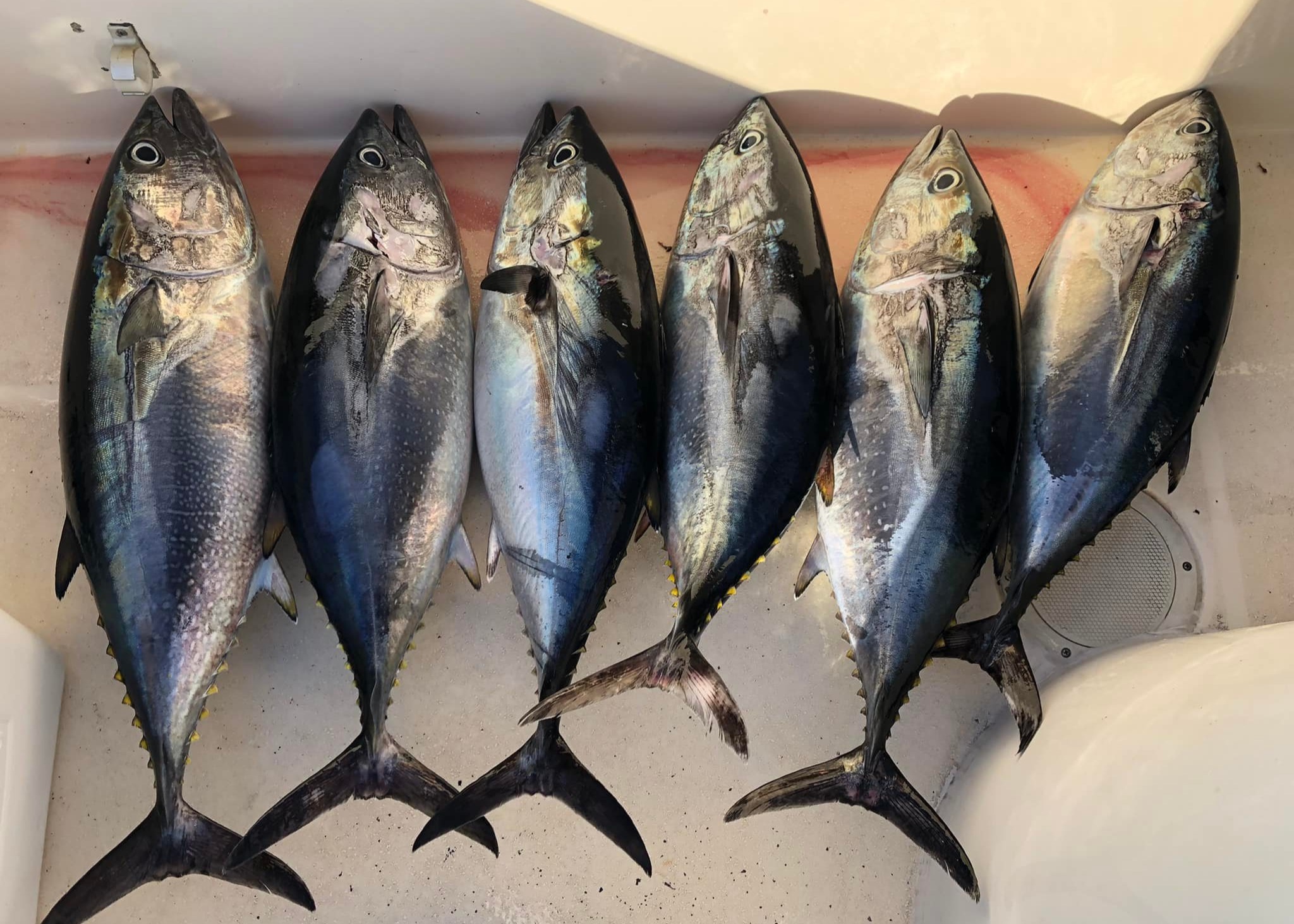
    Bluefin tuna are the most demanding fish you’ll hook in Southern California waters. A 50-pound bluefin can run 300 yards in the first burst, fight for 30+ minutes, and put sustained pressure on your drag system that most reels simply can’t handle. When your reel fails on a bluefin, you don’t get a second chance.

    This guide covers exactly what you need in a bluefin reel — drag power, line capacity, two-speed vs. single speed, and where to put your money at every budget level.

    ⚡ Short Answer

    Most SoCal bluefin anglers need a two-speed conventional reel in the 40–50lb class with at least 25 lbs of max drag and 500+ yards of 50lb braid capacity. That covers everything from school-size 30-pounders to the occasional cow.

    👉 See our top picks: Best 40lb+ Reels for Tuna Fishing — specific models reviewed with pros, cons, and pricing.

    ⚡ Quick Picks

    Best overall: Shimano Talica 16 II — the SoCal bluefin standard. Smooth two-speed, 25+ lbs of drag.

    Best for giants: Shimano Talica 20 II — more drag, more capacity for 150+ lb fish.

    Best premium: Accurate Fury FX2 500N — smoothest drag in the business, built in California.

    Best value: Penn Fathom II 30 SD — legitimate tuna reel at a fraction of the price.

    Best spinning: Shimano Saragosa SW 14000 — for casting iron to surface bluefin.

    Now here’s everything you need to know to make the right choice.

    What a Bluefin Reel Must Have

    Drag: 25–40+ lbs of max drag. This is the single most important spec. Bluefin make long, powerful runs and you need to apply serious pressure to turn them before they spool you or reach structure. Your reel should deliver at least 25 lbs of max drag — and the drag must stay smooth and consistent under sustained load. Carbon fiber drag washers that dissipate heat are essential. Cheap drags overheat and fade, and a bluefin will exploit that instantly.

    Line capacity: 500+ yards of 50–65lb braid. A big SoCal bluefin can run 200–300 yards on the first pull. You need a minimum of 500 yards of heavy braided line (50–65lb) to survive those runs with a safety margin. Running out of line on a tuna is one of the most frustrating experiences in fishing — don’t let it happen. See our best fishing line by pound test guide for specific braid recommendations.

    Two-speed gearing. This is nearly non-negotiable for serious bluefin fishing. Two-speed reels let you switch between high gear (for fast retrieves and surface work) and low gear (for grinding power when a tuna goes deep and decides to circle). Fighting a 50+ pound fish from 200 feet deep in high gear only will destroy your back and potentially your reel gears.

    Heavy-duty construction. Machined aluminum frame, stainless steel gears, sealed bearings. Bluefin fights put extreme stress on every component. Stamped frames flex under load, weak gears strip, and unsealed bearings corrode. This is not the place to cut corners.

    Conventional vs Spinning for Bluefin

    Conventional reels are the standard for bluefin tuna. They deliver more drag power, more line capacity, and two-speed gearing — all critical advantages for this species.

    Large spinning reels (10000–18000 size) are used by some experienced anglers, particularly for casting poppers and stick baits to surface-feeding tuna. But spinning reels at this size are expensive, heavy, and their drag systems generally don’t hold up as well as conventional under prolonged stress. For the vast majority of anglers, conventional is the right choice.

    Reel Size Classes for Bluefin

    40lb class (medium conventional): The starting point for bluefin fishing. Handles fish in the 30–60lb range effectively. Good for school-size bluefin that SoCal boats encounter on day trips. Holds 500+ yards of 50lb braid with adequate drag. See our full 40lb+ reel reviews →

    50lb class: The sweet spot for SoCal bluefin. These reels hold 600+ yards of 65lb braid and deliver 30+ lbs of smooth drag. This is what most serious bluefin anglers run on overnight trips out of San Diego. They handle everything from 40-pound school fish to the occasional 100+ pound cow.

    60–80lb class (large conventional): For targeting trophy bluefin over 100 lbs or fishing long-range trips where you might encounter giant tuna. These are heavy, expensive reels that most anglers don’t need for typical SoCal bluefin. But if you’re making multi-day trips to Guadalupe Island or fishing known big-fish zones, stepping up makes sense.

    Not sure what class you need? If this is your first dedicated tuna reel, go with the 40–50lb class. It covers 90% of SoCal bluefin scenarios and pairs perfectly with a quality 8-foot offshore rod.

    Top Bluefin Reels by Budget

    For detailed reviews with specific models, features, and current pricing, see our Best 40lb+ Reels for Tuna Fishing guide. Here’s what to prioritize at each budget level:

    Entry level ($250–$400): At this price, you can find a solid two-speed conventional reel with 20+ lbs of drag and enough capacity for 50lb braid. These reels handle school-size bluefin (20–50 lbs) well. Look for carbon fiber drags and an aluminum frame. Penn and Shimano both offer strong options here.

    Mid-range ($400–$700): This bracket gets you into reels with 30+ lbs of max drag, larger spools for 600+ yards of heavy braid, and significantly better gear quality. Two-speed is standard at this price. These reels can handle bluefin up to 80+ lbs and are the most popular choice for SoCal overnight trips. Shimano, Daiwa, Okuma, and Penn all compete aggressively here.

    Premium ($700–$1,200+): Top-tier bluefin reels with 35–50 lbs of drag, precision machined components, and the kind of build quality that handles hundred-pound fish without breaking a sweat. Accurate, Shimano Talica/Trinidad, and Avet are the names most SoCal tuna anglers reach for at this level. These are buy-it-once reels that will last years of hard use.

    Setting Up Your Bluefin Reel

    Line: Spool with 50–65lb braid. Some anglers add a mono topshot (first 50–100 yards of mono over the braid) to provide stretch that cushions the initial strike and helps prevent pulled hooks on bait presentations. Our fishing line guide covers the best brands at every pound test.

    Leader: 40–80lb fluorocarbon, 6–15 feet long. Leader length depends on water clarity — clear water calls for longer leaders so the visible braid is farther from the fish. Connect braid to fluoro with an FG knot.

    Terminal: Circle hooks (4/0–7/0) for live bait, or various jigs and poppers for artificial presentations. Palomar knot or San Diego Jam for terminal connections — see our fishing knots guide for step-by-step instructions.

    Hooks: Check our best hooks by species guide for specific hook sizes and styles matched to bluefin presentations.

    Drag setting: Set your strike drag at about 1/3 of your weakest connection (usually the leader). For 60lb fluoro leader, that’s about 20 lbs of strike drag. Set it at home with a scale — don’t guess on the water. You can bump drag up during the fight once the fish is hooked and the line is already under tension.

    Rod Pairing

    A bluefin reel needs to be matched with the right rod:

    Bait fishing: An 8-foot medium-heavy to heavy rod with moderate action. The length provides lifting leverage and the moderate flex cushions the line during surges. Fiberglass or composite blanks are preferred for their shock absorption.

    Jigging: A shorter 5.5–6.5 foot heavy-action rod with a fast tip. These are stiffer for working jigs and have the backbone to fight fish vertically. Graphite or composite blanks work well here.

    Casting poppers/iron: A 7-foot to 8-foot heavy-action rod with a fast tip for launching heavy poppers and surface irons. This is where graphite rods excel — lighter weight for repeated casting.

    For complete rod and reel pairing advice, see our best rod and reel combo guide.

    Common Mistakes

    Underspending on the reel. Bluefin is the one species where a cheap reel will cost you fish. A $150 reel that “works fine for yellowtail” will fail when a 60-pound bluefin tests the drag for 20 straight minutes. Budget at least $300+ for a dedicated bluefin reel.

    Not enough line capacity. If you can’t hold 500+ yards of 50lb braid, you’re gambling every time a big fish takes a long run. Don’t put yourself in a position where you’re staring at a spool with 20 yards left and a fish still running.

    Single-speed for big fish. A single-speed reel can catch bluefin, but you’ll work three times as hard during the fight. When a tuna goes deep and starts circling, you need low gear. Paying the premium for two-speed is one of the best investments in tuna fishing.

    Not testing drag before the trip. Set your drag at home with a scale. Most anglers run their drag too loose because they’re afraid of breaking off. On bluefin, you need serious drag pressure to control the fight. Know your numbers before you leave the dock.

    Frequently Asked Questions

    What size reel do I need for bluefin tuna?

    A 40–50lb class two-speed conventional reel covers most SoCal bluefin scenarios. For school-size fish (30–60 lbs), the 40lb class is ideal. For targeting larger fish on overnight or multi-day trips, step up to a 50lb class for extra line capacity and drag power.

    Can I use a spinning reel for bluefin?

    You can, but conventional reels are strongly preferred. Spinning reels in the 10000–18000 size work for casting poppers to surface fish, but they lack the two-speed gearing and sustained drag performance that conventional reels provide for extended bluefin fights.

    How much drag do I need for bluefin tuna?

    At least 25 lbs of max drag for school-size bluefin, and 30–40+ lbs for larger fish. The drag must be smooth and heat-resistant — carbon fiber drag washers are essential. Set your strike drag at 1/3 of your weakest connection.

    What line should I use for bluefin tuna?

    50–65lb braided line with a 40–80lb fluorocarbon leader. You need at least 500 yards of braid on the spool. See our best fishing line guide for specific brand recommendations at every pound test.

    What’s the best rod to pair with a bluefin reel?

    An 8-foot medium-heavy to heavy rod is the most versatile choice. Fiberglass or composite blanks absorb shock better during long fights. See our combo guide for matched pairings.

    Plan Your Bluefin Trip

    Related Guides

    Tight lines!

  • Spinning vs Conventional Reels — Which Is Better for Saltwater Fishing?

    Spinning vs Conventional Reels — Which Is Better for Saltwater Fishing?

    Spinning or conventional? It’s one of the most common questions in saltwater fishing — and the answer depends entirely on what you’re fishing for, where you’re fishing, and how much experience you have.

    The short version: spinning reels are easier to use, better for casting light baits, and ideal for surf fishing and finesse applications. Conventional reels deliver more power, better line capacity, and superior drag performance for big fish and heavy tackle. Most serious SoCal anglers own both.

    This guide breaks down exactly when to use each type, with specific recommendations for Southern California species and situations.

    Quick Comparison

    Factor Spinning Reel Conventional Reel
    Ease of use Very easy — no backlash risk Moderate — requires thumb control
    Casting distance Excellent with light lures Good, but risk of backlash (birdnest)
    Drag power Good (8–20 lbs typical) Excellent (15–50+ lbs)
    Line capacity Moderate High — holds more heavier line
    Cranking power Lower gear ratio leverage Higher — two-speed options available
    Best line class 8–25 lb 20–80+ lb
    Price range $50–$400 $100–$800+

    When to Use a Spinning Reel

    Surf fishing. Spinning reels are the clear winner from shore. They cast farther with lighter weights, don’t backlash in wind, and are easier to use when you’re standing in the surf. A 4000–5000 size spinning reel is the standard for SoCal surf fishing. See our guide to the best surf fishing reels.

    Light line applications (8–20 lb). When you’re fishing light tackle for calico bass, spotfin croaker, halibut in the bays, or other inshore species, spinning reels give you better casting performance and more natural bait presentation.

    Throwing swimbaits and light jigs. If you’re casting swimbaits for halibut or light jigs for calico bass, spinning reels let you work lighter lures more effectively. The bail closure and line management is more forgiving than a conventional for repetitive casting.

    Beginners. If you’re new to saltwater fishing, start with spinning. Zero risk of backlash, intuitive operation, and you’ll spend more time fishing instead of untangling line. You can always step up to conventional later.

    Pier and jetty fishing. The casting advantage of spinning reels makes them ideal for reaching fish from structures where casting distance matters.

    When to Use a Conventional Reel

    Party boat fishing (20–40 lb class). Conventional reels dominate on SoCal sportfishing boats. When you’re dropping heavy jigs, fighting yellowtail on 30lb, or winding up rockfish from deep water, conventional reels provide the cranking power and drag performance that spinning reels can’t match. See our guides to best 20lb reels, best 30lb reels, and best 40lb+ reels.

    Yellowtail fishing. A strong yellowtail will run 100+ yards of line off your reel. Conventional reels with 15–25 lbs of drag and 300+ yards of capacity are the standard for targeting yellows. Check our best reel for yellowtail guide.

    Tuna fishing. Whether it’s bluefin or yellowfin, tuna require heavy drag, massive line capacity, and grinding power. Two-speed conventional reels are the standard for anything over 30 lbs — and they’re essential for 50lb+ tuna. See our best reel for bluefin tuna guide.

    Trolling. Conventional reels are designed for trolling applications. The spool design handles the constant pressure of dragging lures at speed, and the clicker system lets you know when a fish hits without holding the rod.

    Surface iron fishing. Throwing heavy surface irons and jigs for yellowtail requires the kind of casting distance and retrieve speed that conventional reels deliver. Experienced iron fishermen prefer conventional reels for the higher gear ratios and better casting control.

    Bottom fishing (deep). When you’re dropping to 200+ feet for rockfish, lingcod, or sheephead, conventional reels with low gear ratios make cranking up heavy fish from depth manageable. Spinning reels don’t have the mechanical advantage for this application.

    The SoCal Arsenal: You Need Both

    Most experienced SoCal anglers end up with a mix of both types. Here’s what a well-rounded setup looks like:

    Setup 1 — Surf/Inshore (spinning): 4000–5000 spinning reel on a 9–10 foot surf rod spooled with 20lb braid and a fluorocarbon leader. Use it for: surf fishing halibut and perch, bay fishing, casting swimbaits, light rock fishing. This covers your shore fishing needs.

    Setup 2 — Party boat standard (conventional): Medium conventional reel on a 7-foot rod spooled with 30lb braid. Use it for: calico bass, yellowtail, bonito, small tuna on day trips. This is your all-around boat rod and the most-used setup on SoCal sportfishing boats.

    Setup 3 — Big game (conventional): Heavy two-speed conventional on an 8-foot rod spooled with 50–65lb braid. Use it for: bluefin tuna, big yellowtail, wahoo on overnight trips. This is the heavy stick you bring when the big fish are biting.

    For complete recommendations on pairing rods and reels, see our best rod and reel combo guide.

    Spinning vs Conventional by Species

    Target Species Best Reel Type Why
    Halibut (surf) Spinning Casting distance from shore, light presentations
    Halibut (boat) Either Spinning for swimbaits, conventional for Carolina rigs
    Calico bass Either Spinning for plastics/swimbaits, conventional for iron
    Yellowtail Conventional Drag power and line capacity for long runs
    White seabass Conventional Need 20–30lb drag and heavy line capacity
    Bluefin tuna Conventional Non-negotiable — need 30+ lbs drag, two-speed
    Yellowfin tuna Conventional Same as bluefin — heavy tackle required
    Dorado Either 25lb spinning works; conventional for bigger fish
    Barred surf perch Spinning Light line, long casts from the beach
    Rockfish Conventional Cranking power from deep water

    Common Mistakes

    Using a spinning reel for big tuna. Spinning reels above 8000 size exist for tuna, but they’re specialist tools. The drag systems aren’t as durable as conventional reels under prolonged heavy pressure. Unless you’re an experienced angler who specifically wants the challenge, stick with conventional for anything over 40 lbs.

    Buying a conventional for surf fishing. A casting conventional (baitcaster) can work from shore, but it requires practice to avoid backlash, especially in wind. For most surf anglers, spinning is the right choice — it lets you focus on fishing instead of managing your reel.

    Overspending on one type. It’s better to have a solid $150 spinning reel AND a solid $200 conventional than one $400 reel that only covers half your fishing situations. Versatility matters more than having one premium reel.

    Key Features to Compare

    Drag system: Conventional reels typically use larger carbon fiber washers that dissipate heat better during long fights. For fish that make extended runs (yellowtail, tuna), this matters. Spinning reels have improved dramatically, but conventional still wins for sustained heavy drag.

    Gear ratio: Conventional reels offer two-speed options — high gear for fast retrieves and low gear for power cranking. This is a huge advantage when fighting big fish or working heavy jigs from deep water. Spinning reels are single-speed only.

    Line lay: Conventional reels spool line evenly with a level-wind or manual thumb guidance. Spinning reels use an oscillating spool that can cause line twist over time, especially with certain lures. Use a swivel when fishing lures that spin to prevent this.

    Corrosion resistance: Both types are available in saltwater-specific models with sealed bearings and corrosion-resistant materials. Always buy reels rated for saltwater use — freshwater reels will corrode quickly in the salt environment. Rinse any reel with fresh water after every trip.

    Plan Your Next Trip

    Related Gear Guides

    Tight lines!