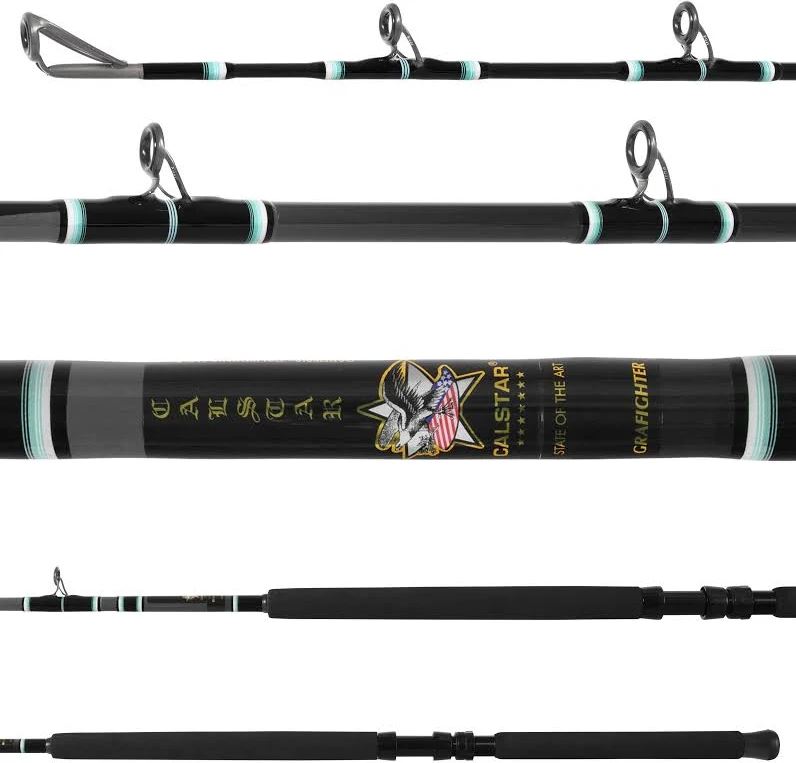
• Best 7-Foot Rods for Offshore Fishing

    Best 7-Foot Rods for Offshore Fishing

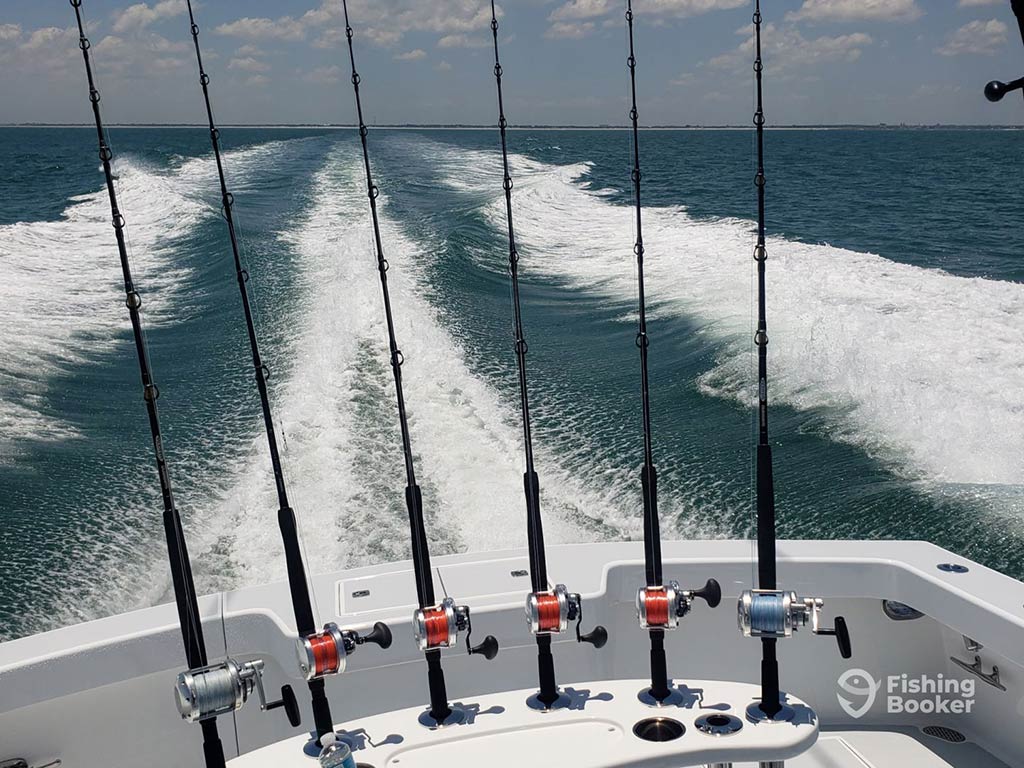
    The 7-foot rod is the most versatile length for SoCal offshore fishing. It’s long enough to cast jigs and make controlled bait presentations, short enough to fight fish without losing leverage, and balanced enough to fish all day without destroying your arms. If you’re building a rod quiver for SoCal boats, a good 7-footer should be the first rod you buy.

    This guide covers the best 7-foot rods for the species and techniques you’ll actually encounter on SoCal offshore trips. If you’re not sure whether you need a 7-foot or an 8-foot rod, the short version is: 7 feet for versatility and fish-fighting power, 8 feet for casting distance and live bait control.

    ⚡ Quick Picks

    Best all-around: Shimano Teramar NE 7′ Heavy — the SoCal benchmark. Light, sensitive, handles everything.

    Best budget: Daiwa Proteus 7′ MH — 80% of the Teramar at 60% of the price.

    Best for jigging: Shimano Trevala MH Spinning — purpose-built for yo-yo iron and flat-falls.

    Best for live bait: Calstar Grafighter 700MH — SoCal classic, soft tip, powerful butt.

    Best premium: G. Loomis IMX PRO Green 7′ MH Fast — lightest and most sensitive rod on this list.

    Best for iron casting: Shimano Teramar SE 7′ Heavy Fast — stiff enough to launch heavy iron.

    What Makes a Good 7-Foot Offshore Rod

    Power: Medium-heavy is the sweet spot for SoCal. It handles yellowtail, white seabass, school tuna, and big calico bass without being so stiff that you can’t feel the bite. Medium power works for lighter applications (bonito, smaller yellowtail, casting light iron). Heavy power is reserved for bluefin and big yellowfin — and at that point, many anglers go shorter (5’6″–6’6″) for maximum leverage. See our graphite vs fiberglass guide for material considerations.

    Action: Fast action loads in the top third of the rod, giving you quick hooksets and good sensitivity. Moderate-fast loads a bit deeper, providing a more forgiving fight and better casting distance. For bait fishing, moderate-fast is often preferred. For jig and iron fishing, fast action is better because it transmits your rod work to the lure.

    Guides: Quality guides matter more than most anglers realize. Fuji or Pacific Bay guides with smooth, hard inserts (SiC or Alconite) reduce line friction and survive braided line’s abrasiveness. Cheap guides get grooved by braid within a season, and grooved guides destroy your line.

    Best 7-Foot Rods for SoCal

    Best All-Around: Shimano Teramar NE 7′ Heavy, Spinning

    Buy it on Amazon

    The Teramar has been the benchmark SoCal offshore rod for years. The graphite blank is light enough to fish all day, sensitive enough to feel a subtle bait bite at 100 feet, and has enough backbone to handle 30lb class fish without folding. It casts well for bait and light jigs, and the fast action gives you good hookset speed. Available in both spinning and conventional configurations. Pair with a Penn Squall II 25N or Shimano Saragosa 5000 and you’ve got the do-everything SoCal rod.

    Best Budget: Daiwa Proteus 7′ Medium-Heavy
    Buy it on Amazon

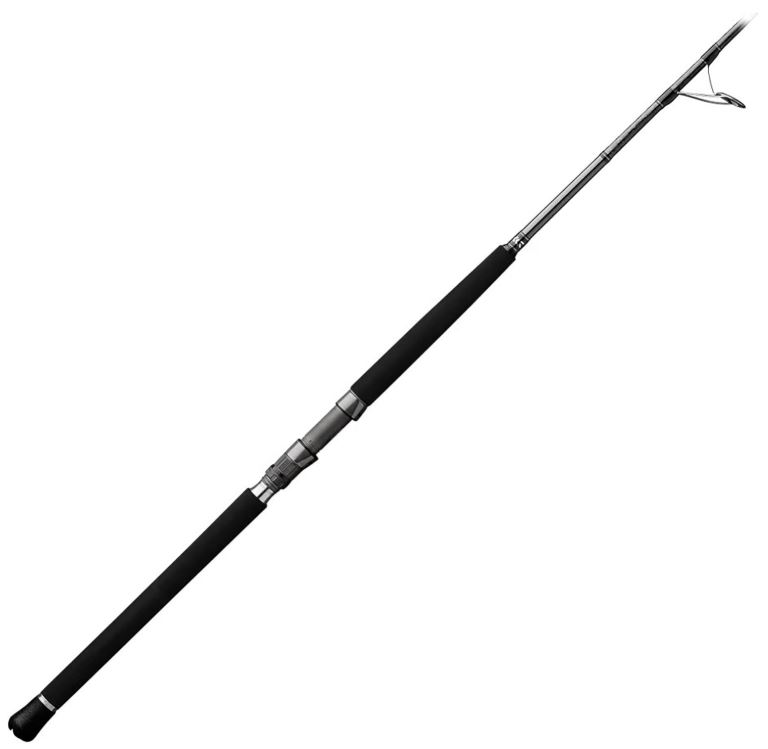
    A solid graphite rod that delivers 80% of the Teramar’s performance at about 60% of the price. The blank is slightly heavier and the guides aren’t quite as refined, but the action and power are right for SoCal offshore work. Good tip sensitivity for feeling bites, good butt section for leverage during the fight. If you need a reliable 7-footer without the premium price, this is the pick. Pairs well with a Daiwa BG MQ 4000 for a complete budget setup.

    Best for Jig Fishing: Shimano Trevala Medium-Heavy Spinning

    Buy it on Amazon

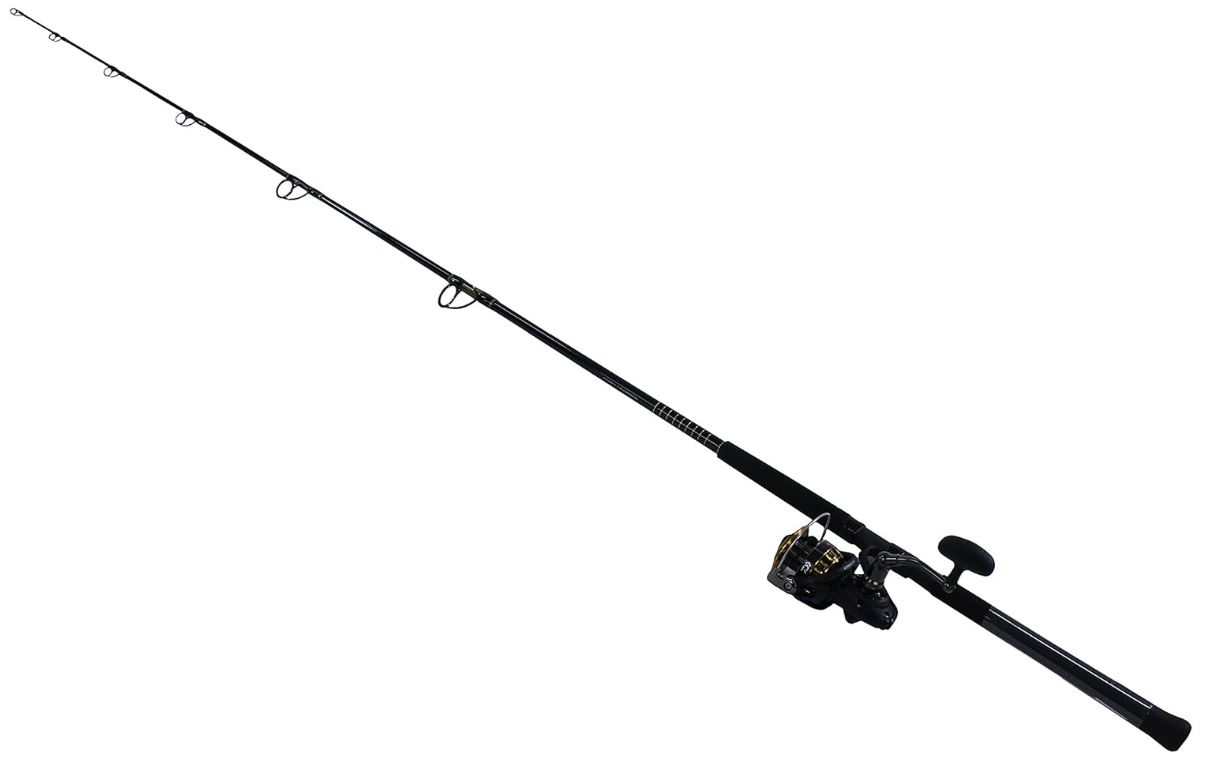
    Purpose-built for vertical jigging, the Trevala has a fast, responsive tip that transmits every rod movement to the jig, and a powerful mid-section that loads for the fight. When you’re working flat-fall jigs and yo-yo irons on deep structure, this rod’s action maximizes your jig’s performance. Not as versatile as the Teramar for bait fishing, but noticeably better for dedicated jig work. Pairs naturally with the Shimano Ocea Jigger.

    Best for Live Bait: Calstar Grafighter 700MH
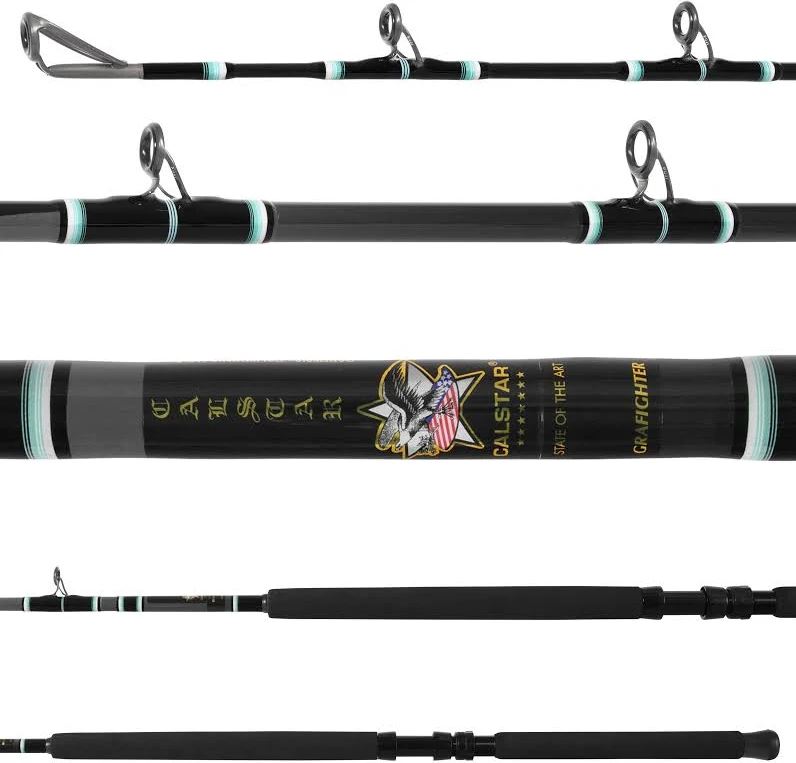
    Calstar Grafighter live bait rods

    A SoCal classic built specifically for live bait fishing. The Calstar has a moderate-fast action with a softer tip that absorbs the pull of a live bait without tearing it off the hook, and a progressive power curve that builds as the fish loads the rod. This design philosophy — soft tip for bait presentation, strong butt for fighting — is why Calstars have been on party boat rails for decades. A slider rig on a Calstar is a deadly yellowtail setup. Pairs beautifully with a Shimano Talica 12 or Penn Squall II 25N.

    Best Premium: G. Loomis IMX PRO Green 7′ Medium-Heavy Fast

    Buy it on Amazon

    If you want the lightest, most sensitive 7-footer money can buy, the IMX PRO Green delivers. The high-modulus graphite blank transmits vibration like nothing else — you’ll feel structure changes, bait behavior, and bites that other rods miss. It’s noticeably lighter in hand than the Teramar, which adds up over a 12-hour trip. The price reflects the quality, but anglers who fish frequently consider it an investment in comfort and performance.

    Best for Iron Casting (Spinning): Shimano Teramar SE 7′ Heavy Fast

    Buy it on Amazon

    When you need a 7-foot rod specifically for casting surface irons and poppers, the spinning version of the Teramar in heavy power is the standard. The stiffer blank loads a 4.5-ounce iron for long casts and works the jig aggressively on the retrieve. The heavy power also handles the explosive strikes and initial runs of yellowtail and tuna hitting iron at speed. Pair with a Shimano Saragosa 6000 for the classic SoCal iron setup.

    Matching Rod to Reel and Line

    ApplicationRodReelLine
    Party boat all-aroundTeramar 7′ MHPenn Squall II 2540lb braid / 30lb fluoro leader
    Light line / castingProteus 7′ MHDaiwa BG MQ 400030lb braid / 20lb fluoro leader
    Vertical jiggingTrevala 7′ MHShimano Ocea Jigger50lb braid / 40lb fluoro leader
    Live bait yellowtailCalstar 700MHShimano Talica 1240lb braid / 30lb fluoro leader
    Iron castingTeramar SE 7′ HShimano Saragosa 600050lb braid / no leader

    For complete combo recommendations, see our best rod and reel combo guide. For line specifics, check our fishing line guide and our braid vs mono vs fluorocarbon breakdown. Connect braid to leader with an FG knot.

    Frequently Asked Questions

    Should I get a 7-foot or 8-foot offshore rod?

    A 7-footer is more versatile — better fish-fighting leverage, easier to handle on a crowded party boat rail, and balanced for both bait and jig fishing. An 8-foot rod is better specifically for casting distance (surface iron, live bait presentations) and long-range live bait control. Most anglers should start with a 7-footer.

    What power rod do I need for yellowtail?

    Medium-heavy covers 90% of yellowtail fishing in SoCal. For school-size yellows (10–20 lbs) on 20lb gear, medium works. For big yellowtail on 30lb gear around structure, medium-heavy to heavy. See our yellowtail reel guide for the complete setup.

    What reel pairs best with a 7-foot offshore rod?

    For conventional bait fishing: Penn Squall II 25N or Shimano Talica 12. For spinning and iron casting: Shimano Saragosa 5000 or Saragosa 6000. See our combo guide for full pairings.

    Graphite or fiberglass for offshore rods?

    Graphite for most SoCal offshore applications — it’s lighter and more sensitive. Fiberglass or composite is better for dedicated bait rods where shock absorption matters more than sensitivity, and for heavy tuna applications where graphite can fail under extreme load.

    What line should I use on a 7-foot offshore rod?

    40lb braided line with 25–30lb fluorocarbon leader is the standard SoCal setup. Step up to 50lb braid for heavier iron casting. See our line guide for specific brand picks, and use an FG knot to connect braid to leader.

    Can I use one 7-foot rod for everything?

    A 7-foot medium-heavy fast graphite rod (like the Teramar) with a 30lb reel and 40lb braid handles about 80% of SoCal offshore fishing. You’ll want a second rod only when you get into dedicated surface iron casting or heavy tuna work — and at that point, an 8-foot rod or a shorter heavy rod makes sense as your #2.

    Plan Your Trip

    Check conditions before heading offshore:

    Related Guides

    Tight lines!

  • Best Saltwater Rod and Reel Combos for SoCal Fishing

    Best Saltwater Rod and Reel Combos for SoCal Fishing

    Buying a rod and reel separately gives you the most flexibility, but a well-matched combo can save you money and get you on the water faster. The key is knowing which combos actually work for SoCal species — because a combo built for bass fishing or East Coast stripers won’t cut it when a yellowtail peels 200 yards of line off your reel at the Coronado Islands.

    This guide covers the best combos for every major SoCal application: party boat fishing, private boat offshore runs, surf fishing, and targeting specific species. If you’re not sure whether you need spinning or conventional, start there first.

    How to Choose a Saltwater Combo

    The biggest mistake people make is buying a combo rated too light for SoCal offshore fishing or too heavy for the inshore species they actually target. Here’s how to think about it.

    Match the combo to the line class. SoCal fishing breaks down into a few line class buckets. A 15–20lb setup covers bass, bonito, calico, and light yellowtail. A 25–30lb setup handles yellowtail, white seabass, and smaller tuna. A 40lb+ setup is for bluefin, big yellowfin, and anything that might run you into your backing. And a dedicated surf setup is its own category entirely.

    Rod material matters. Graphite rods are lighter and more sensitive — ideal for feeling a jig strike or a subtle bait bite. Fiberglass and composite rods are tougher and more forgiving, better for bait fishing and heavier applications. See our graphite vs fiberglass guide for the full breakdown.

    Reel quality is where you shouldn’t cut corners. The reel is the most critical component. A smooth drag system and solid gear train are non-negotiable for any fish that runs. A decent rod with a great reel will outperform a great rod with a mediocre reel every time.

    Best Combos by Application

    Best Party Boat Combo: Penn Squall II / Carnage II (25–30lb class)

    Buy it on Amazon

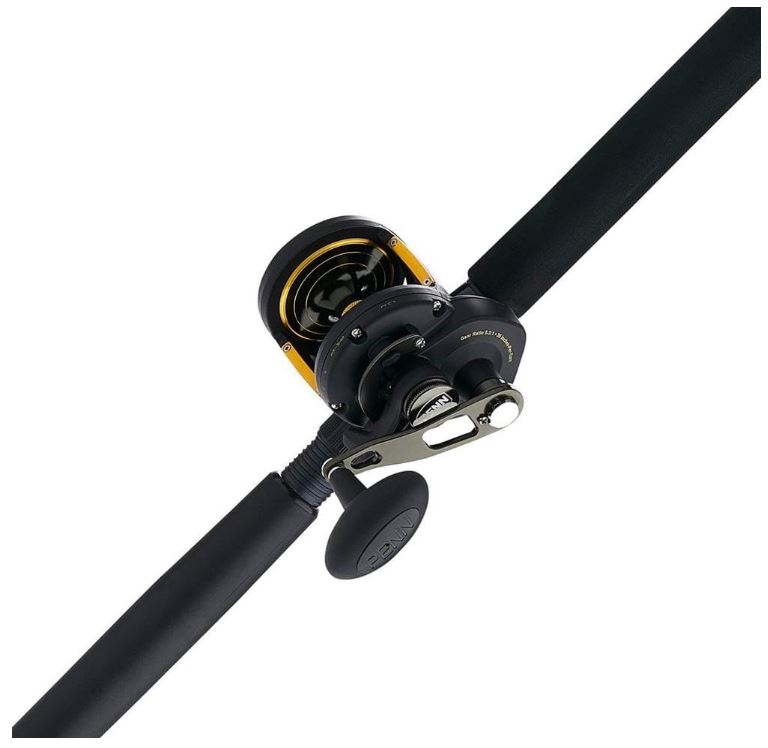
    This is the do-everything SoCal party boat setup. The Squall II lever drag reel has smooth, reliable drag that handles yellowtail, white seabass, and bonito without breaking a sweat. The Carnage II rod is a graphite composite blank with enough backbone for big fish but enough tip sensitivity to feel your bait. Spool it with 40lb braid and a fluorocarbon leader and you’re set for 90% of what the party boats encounter. This is the setup you’ll see on the rail at every SoCal landing.

    Best Budget Party Boat Combo: Daiwa BG / BG MQ Combo (20–25lb class)

    Buy it on Amazon

    The Daiwa BG spinning reel has been the go-to budget performer in SoCal for years, and for good reason — the drag is butter smooth and the construction is tank-like for the price. Paired with a BG rod in the 7-foot medium-heavy range, this combo handles everything from calico bass to respectable yellowtail. It’s a spinning setup, so it’s easier for newer anglers to use, and the open-face design lets you cast jigs and swimbaits effectively. See our yellowtail reel guide for more options in this class.

    Best Bluefin / Heavy Offshore Combo: Shimano Talica / Teramar Bluewater(40–60lb class)

    Buy reel on Amazon

    Buy rod on Amazon

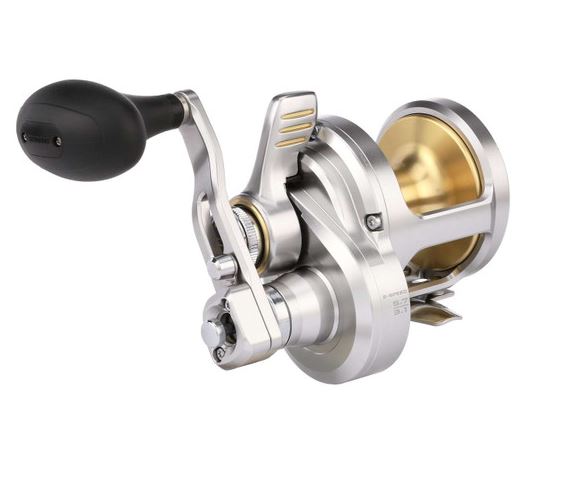
    When you’re chasing bluefin tuna or dropping on cow yellowtail, you need serious gear. The Shimano Talica two-speed reel is legendary in SoCal tuna fishing — the two-speed lets you winch fish up from deep while the drag system handles brutal initial runs. Paired with a Teramar rod in the 6’6″ to 7′ heavy range, this combo has the power to stop a 100-pound fish and the quality to last for years. Not cheap, but this is the setup that lands the fish everyone else loses. Check our best reel for bluefin guide for more tuna reel options.

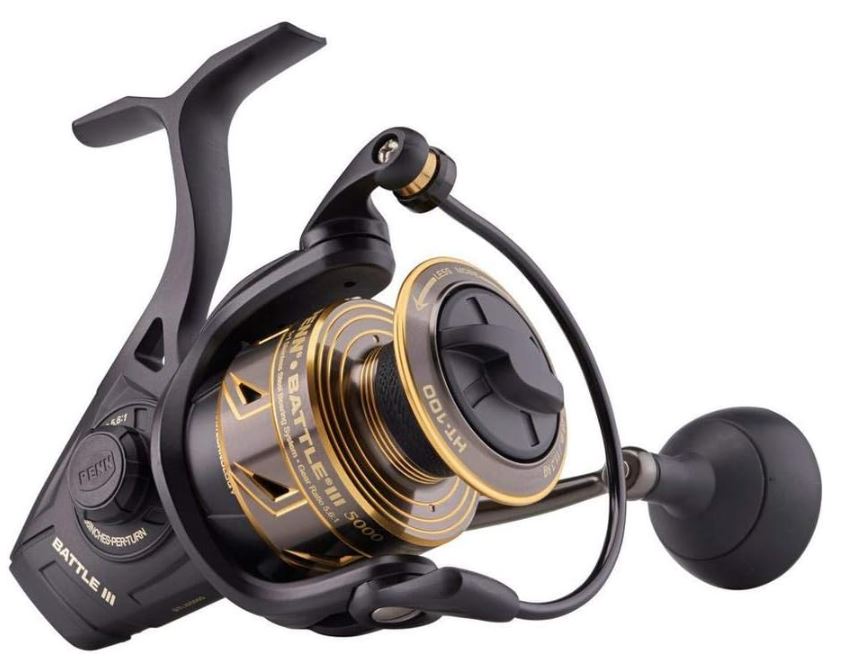
    Best Surf Combo: Penn Battle III / Prevail II (15–20lb class)

    Buy reel on Amazon

    Buy rod on Amazon

    A spinning combo is the right call for 95% of SoCal surf fishing. The Battle III in 4000–5000 size has sealed construction that handles sand and salt, smooth drag for halibut runs, and holds plenty of 20lb braid. The Prevail II rod at 10 feet gives you the casting distance you need to reach the outer sandbars. Together, this combo handles halibut, corbina, perch, and the occasional surprise bat ray. See our surf casting rod guide and surf fishing reel guide for standalone alternatives.

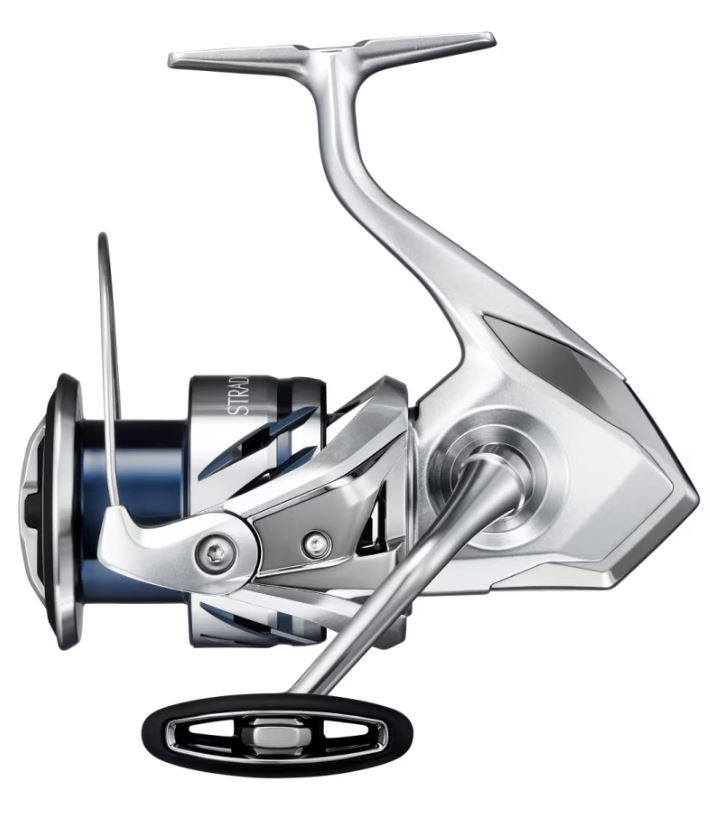
    Best Light Line / Finesse Combo: Shimano Stradic / Fenwick HMG (12–15lb class)

    Buy reel on Amazon

    Buy rod on Amazon

    For targeting calico bass in the kelp, fishing light iron for bonito, or throwing small swimbaits for spotted bay bass, you want a lighter combo with sensitivity. The Stradic is one of the smoothest spinning reels in its class with virtually zero startup inertia. The Fenwick HMG in 7-foot medium-fast gives you the sensitivity to feel every head shake and the backbone to pull fish out of structure. This is a finesse setup — don’t take it to the bluefin grounds — but for everything else, it’s a blast to fish.

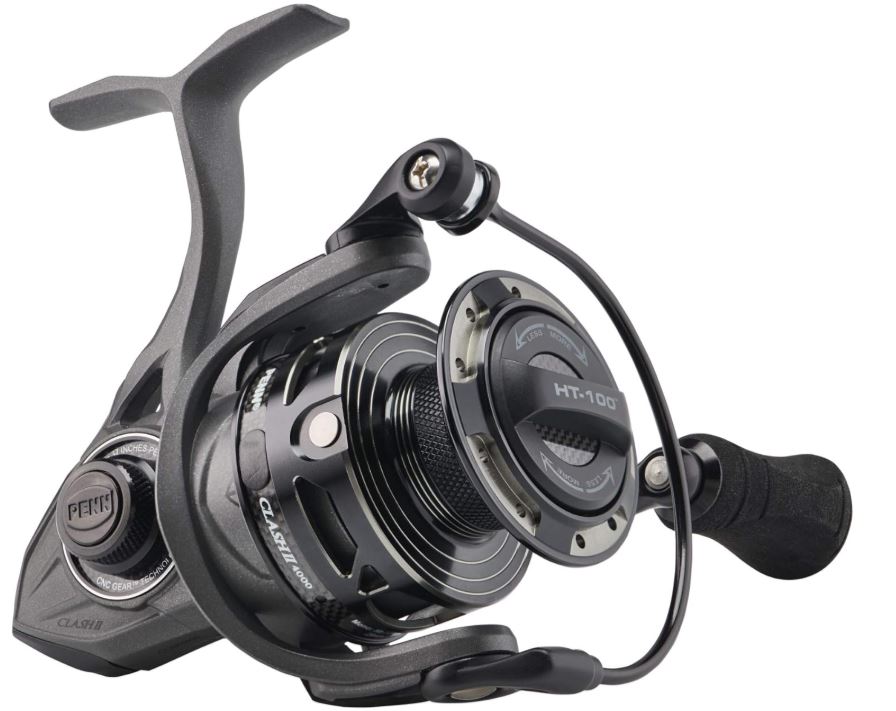
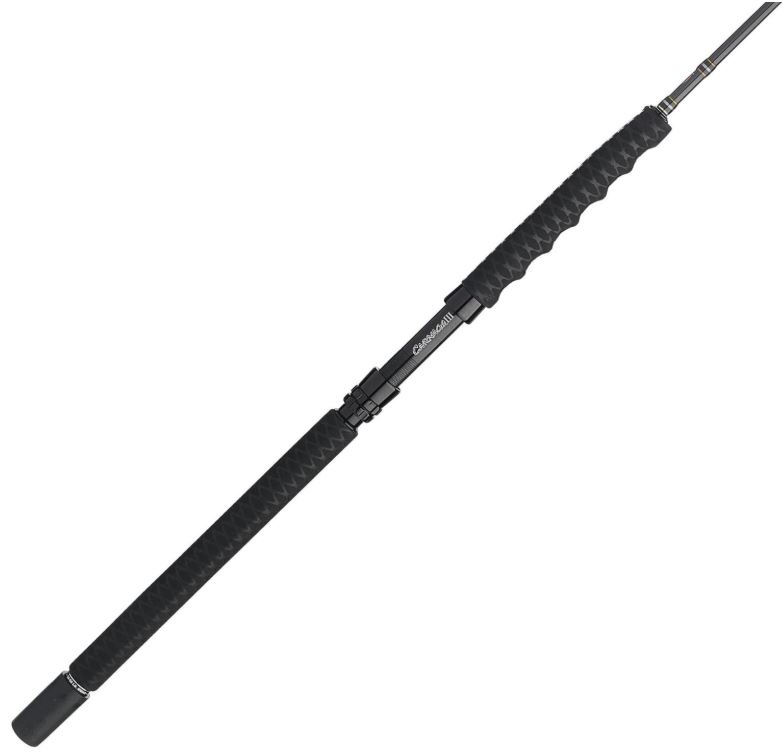
    Best “One Rod Does Everything” Combo: Penn Clash III / Carnage III (20–30lb class)

    Buy reel on Amazon

    Buy rod on Amazon

    If you can only own one combo for SoCal, this is it. The Clash III spinning reel covers the widest range of applications — light enough for casting jigs and heavy enough for live bait drops on bigger fish. The Carnage III rod in 7-foot medium-heavy gives you versatility across species. You can take this combo on a party boat for yellowtail, throw surface irons at breaking fish, soak a bait for white seabass, or even use it from the rocks. It won’t be the best tool for any single job, but it’ll handle all of them respectably.

    How to Spool Your Combo

    No matter which combo you pick, line choice is critical. For SoCal saltwater, braided line as your main line with a fluorocarbon leader is the standard. Braid gives you more line capacity, better sensitivity, and longer casts. Fluorocarbon leader provides abrasion resistance and near-invisibility in clear SoCal water.

    General line recommendations: 20–30lb braid for party boat setups, 40–65lb braid for bluefin rigs, 15–20lb braid for surf fishing. Leader should typically be 1.5–2x your braid strength in fluorocarbon.

    Plan Your Trip

    Got your combo? Check the conditions before you head out:

    Tight lines!

  • Graphite vs Fiberglass Fishing Rods – Which Is Right for You?

    Graphite vs Fiberglass Fishing Rods – Which Is Right for You?

    Choosing between graphite and fiberglass comes down to one fundamental trade-off: sensitivity vs. power. Graphite rods are lighter and more sensitive — you feel every tick and tap. Fiberglass rods are tougher and more forgiving — they absorb shock and fight big fish without breaking.

    For SoCal saltwater fishing, the answer isn’t one or the other. It depends on what you’re targeting, where you’re fishing, and how you like to fight fish. Let’s break it down.

    Quick Comparison

    Factor Graphite Fiberglass Composite (blend)
    Weight Light Heavy Medium
    Sensitivity Excellent Low Good
    Durability Moderate — can snap under shock Excellent — very hard to break Good
    Power (lifting) Good Excellent Very good
    Flex pattern Fast action (tip flex) Slow/moderate (full flex) Moderate-fast
    Price range $80–$500 $50–$300 $100–$400
    Best for Finesse, jigging, bite detection Trolling, big game, live bait soaking All-around use

    Graphite Rods: When Sensitivity Matters

    Graphite (also called carbon fiber) rods transmit vibrations from the tip to your hand better than any other material. This means you feel subtle bites, bottom structure changes, and lure action with crystal clarity.

    Best applications for graphite:

    Halibut fishing. Halibut have some of the subtlest bites in saltwater — often just a faint “tick” as they mouth the bait. A graphite rod lets you detect these takes and react before the fish drops it. This applies to both surf fishing and boat fishing with swimbaits or Carolina rigs.

    Jigging for yellowtail and calico bass. Working jigs and irons requires feeling what the lure is doing at depth. Graphite rods give you the feedback to know if your jig is working properly and to detect strikes instantly.

    Surf fishing. A graphite surf rod is lighter to hold all day, casts farther (the stiffness transfers more energy during the cast), and lets you feel bites through the heavy surf rod length.

    Light tackle inshore. Calico bass, spotted bay bass, and other inshore species often require finesse presentations where sensitivity is critical. Graphite paired with a spinning reel is the standard setup.

    Trade-off: Graphite is more brittle than fiberglass. A sharp impact — dropping the rod, high-sticking it against the rail, or a sudden shock load from a big fish — can snap a graphite rod. They also tend to have fast action, which means less shock absorption during the fight.

    Fiberglass Rods: When Power Matters

    Fiberglass rods flex deeper into the blank and absorb more shock. They’re nearly indestructible, they fight big fish without fatiguing the angler as much, and they’re more forgiving of mistakes.

    Best applications for fiberglass:

    Tuna fishing. When you’re hooked into a 50+ lb bluefin that’s going to run, stop, and run again for 30 minutes, a fiberglass rod absorbs those surges without transmitting every jolt into your arms. The deep flex acts as a shock absorber, protecting both the line and the angler.

    Trolling. Fiberglass trolling rods handle the constant load of dragging lures at speed. They don’t fatigue the way graphite can under sustained stress, and their flexibility cushions the initial strike so you don’t pull the hook.

    Live bait soaking. When you’re fishing a fly-line rig or slider rig with live bait for tuna or white seabass, you want a rod that lets the fish eat the bait without feeling resistance. Fiberglass rods with moderate action give the fish time to commit before you set the hook.

    Kids and beginners. Fiberglass rods are much harder to break. If you’re rigging up for your kid’s first fishing trip or handing a rod to someone inexperienced, fiberglass can take the abuse of being dropped, high-sticked, and mishandled without snapping.

    Heavy bottom fishing. Cranking up rockfish, lingcod, or sheephead from deep water puts sustained load on the rod. Fiberglass handles this punishment better and has the backbone to lift heavy fish off the bottom.

    Trade-off: Fiberglass rods are heavier and less sensitive. You’ll fatigue faster casting them all day, and you’ll miss subtle bites that a graphite rod would telegraph to your hand.

    Composite (Blend) Rods: The Best of Both?

    Many modern fishing rods use a blend of graphite and fiberglass — called composite blanks. These attempt to split the difference: more sensitivity than pure fiberglass, more durability than pure graphite.

    Composite rods are a smart choice when you need one rod to cover multiple applications. A composite 7-foot offshore rod can handle jigging (where you want graphite sensitivity) and then transition to fighting a big yellowtail (where you want fiberglass forgiveness). They’re the most versatile option for SoCal party boat fishing.

    Most mid-range rods in the $150–$300 range are composite, even if they’re marketed as “graphite.” Check the specs — if it lists an IM6 or IM7 graphite rating with “glass reinforcement,” it’s a composite.

    Best Rod Material by Application

    Application Best Material Why
    Surf casting Graphite Lighter weight, better casting distance, bite sensitivity
    Halibut (boat) Graphite Detect subtle bites, sensitivity to bottom structure
    Calico bass (jigging) Graphite Feel the jig, detect bites, fast hooksets
    Yellowtail (party boat) Composite Sensitivity for jigging + power for the fight
    Yellowtail (iron) Graphite Casting distance, retrieve feel
    Bluefin tuna Fiberglass or composite Shock absorption, sustained load handling
    Trolling Fiberglass Handles constant load, cushions strikes
    Live bait (tuna/WSB) Fiberglass Lets fish eat without feeling resistance
    Rockfish (deep drop) Fiberglass Lifting power from deep water
    All-around party boat Composite Best versatility for mixed-species trips

    Understanding Rod Action

    Rod material directly affects action — where the rod bends under load:

    Fast action (mostly graphite): Only the top third of the rod flexes. Great for sensitivity, quick hooksets, and casting accuracy. The downside is less shock absorption — a big fish can break you off if you don’t manage your drag carefully.

    Moderate action (composite): The top half of the rod flexes. Good balance of sensitivity and forgiveness. This is the most versatile action for SoCal fishing.

    Slow action (mostly fiberglass): The rod bends all the way into the butt section. Maximum shock absorption and fish-fighting leverage, but less sensitivity and slower hooksets.

    For most SoCal applications, moderate-fast action is the sweet spot. You get enough sensitivity to detect bites and enough flex to absorb surges from big fish.

    What the Rod Ratings Mean

    Graphite rods are often rated by their modulus — the stiffness measurement of the graphite fiber:

    IM6 (intermediate modulus): More durable, slightly heavier. Good for budget-friendly rods that still perform well. Fine for most applications.

    IM7–IM8: Better sensitivity-to-weight ratio. This is the sweet spot for quality fishing rods. Most rods in the $150–$300 range use IM7 or IM8.

    IM9–IM12 (high modulus): Lightest and most sensitive, but also the most brittle. These are premium rods ($300+) best suited for experienced anglers who know how to handle delicate equipment.

    Higher modulus isn’t always better — it just means lighter and more sensitive at the cost of durability. For harsh saltwater environments where rods get banged around on the boat, IM7 or composite is often the smarter choice.

    Building Your Rod Collection

    Here’s a practical three-rod setup that covers most SoCal saltwater situations:

    Rod 1 — Graphite surf/inshore: A 9–10 foot graphite surf rod paired with a 4000–5000 spinning reel. Use it for surf fishing, bay fishing, and light inshore work.

    Rod 2 — Composite party boat: A 7-foot composite rod paired with a 20–30lb conventional reel. Your workhorse for day trips targeting calico, yellowtail, bonito, and small tuna.

    Rod 3 — Fiberglass/composite tuna stick: An 8-foot heavy rod paired with a 40lb+ conventional reel. For overnight trips, bluefin tuna, big yellowtail, and any fish that’s going to push your tackle to its limits.

    For complete setup recommendations with specific models, see our best rod and reel combo guide.

    Plan Your Next Trip

    Related Guides

    Tight lines!