• Best Lures for Dorado (Mahi Mahi) Fishing

    Best Lures for Dorado (Mahi Mahi) Fishing

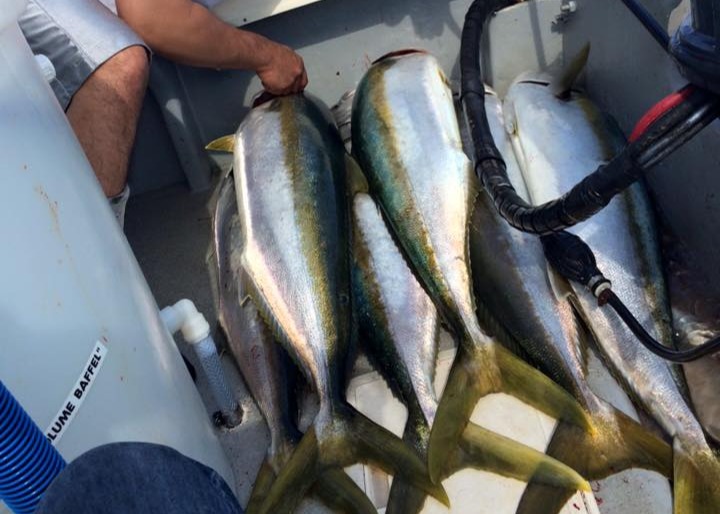
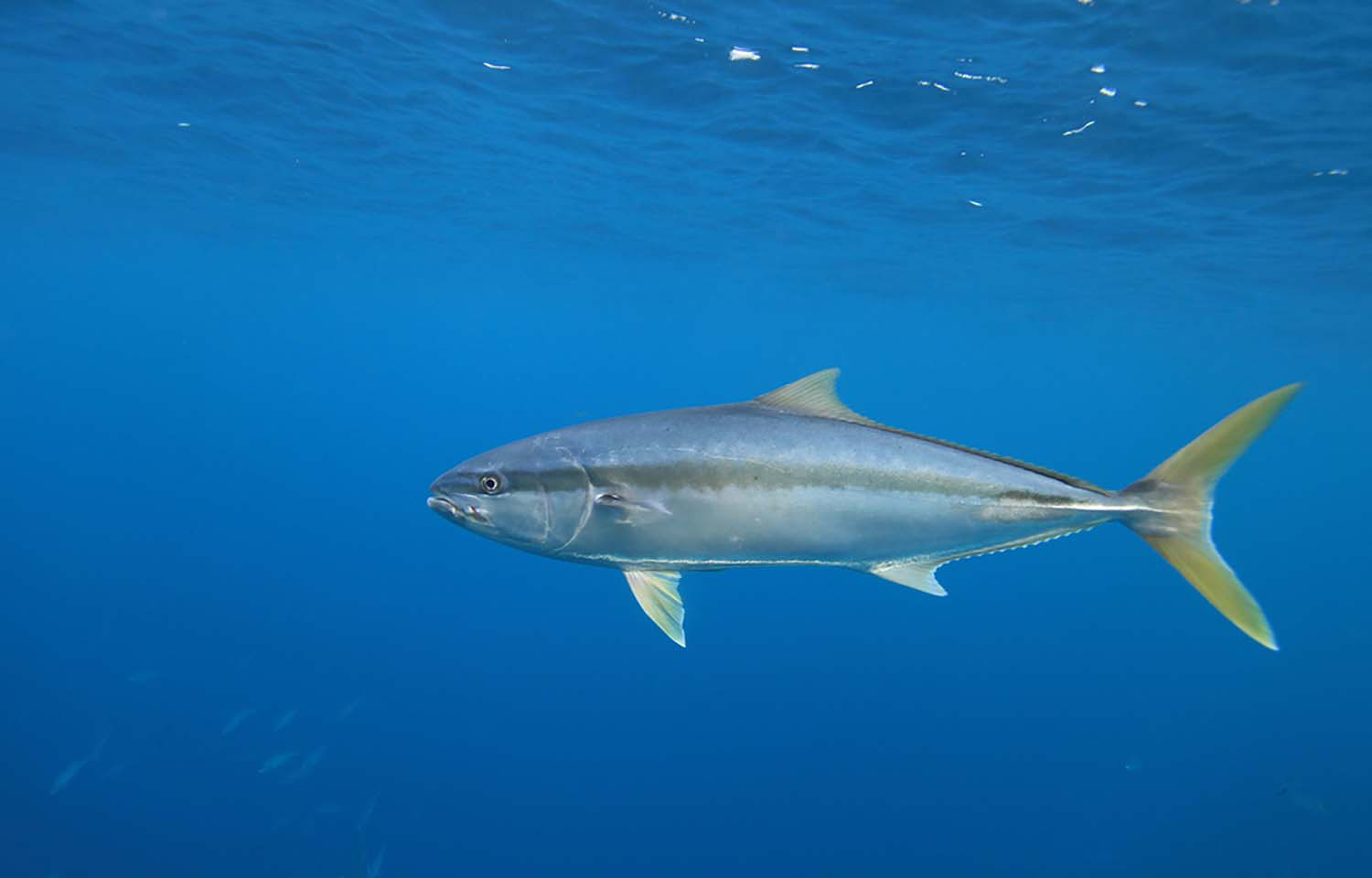
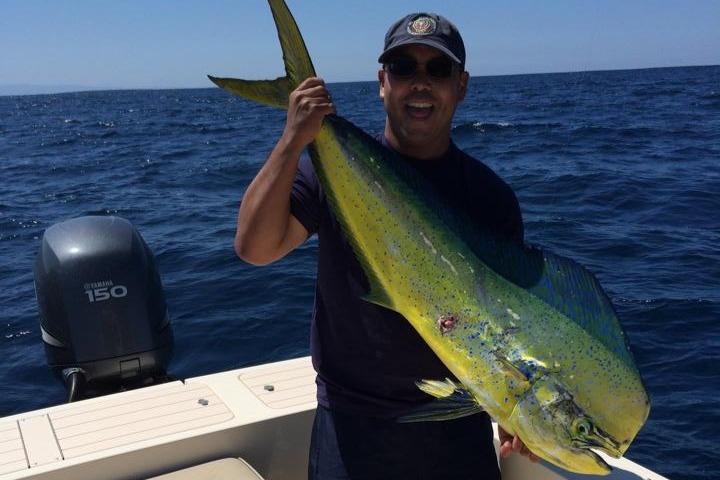
    Dorado — also called mahi mahi or dolphinfish — are the most aggressive lure-eating fish you’ll encounter in SoCal and Baja waters. They hit hard, they hit often, and they’ll chase down lures that other species would ignore. That makes them some of the most fun fish to target on artificial, but it also means that lure selection matters — not because dorado are picky, but because the right lure gets you more strikes, better hookups, and keeps the fish around the boat longer.

    Dorado show up in SoCal when water temperatures reach 68°F and above, typically from midsummer through fall. They’re almost always associated with floating structure — kelp paddies, debris lines, buoys, and anything else that creates shade and holds bait. Use the SST chart and chlorophyll map to find warm water with bait concentrations — that’s where the paddies form and the dorado stack up.

    ⚡ Quick Picks

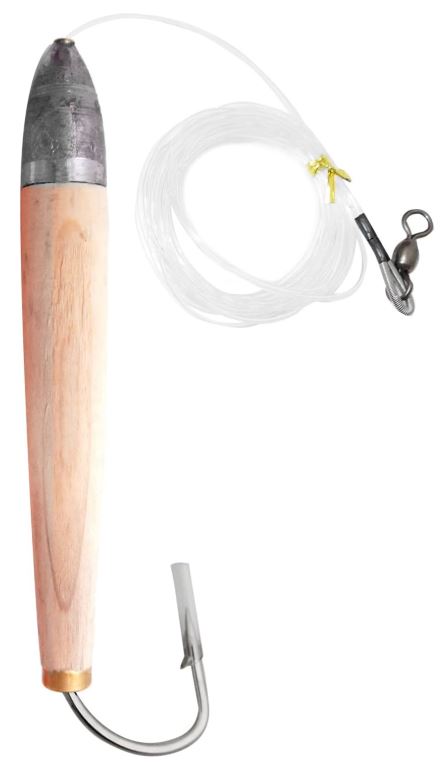
    Best trolling lure: Cedar plugs — simple, cheap, and dorado crush them. Carry a dozen.

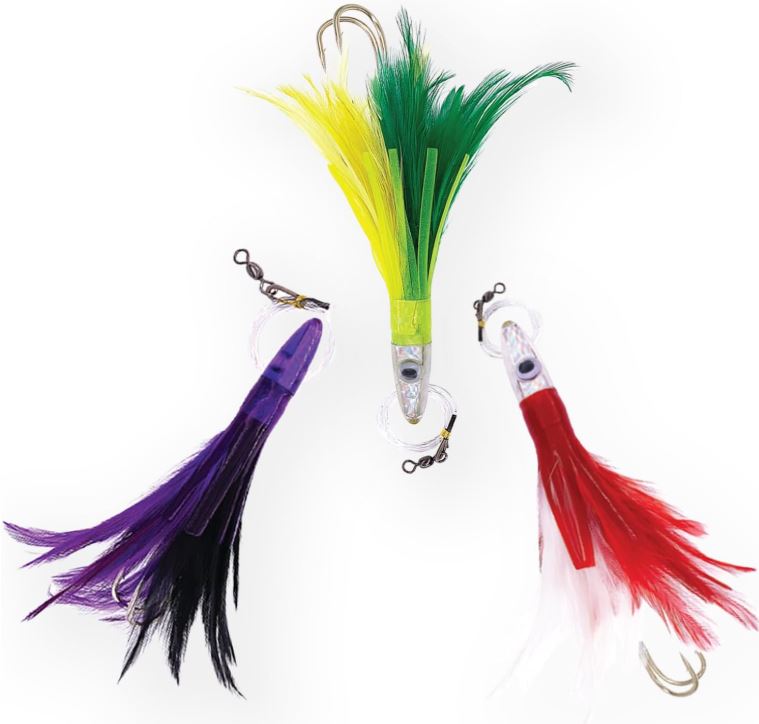
    Best trolling spread: Zuker feather jigs — run 4 at staggered distances in green/yellow and blue/white.

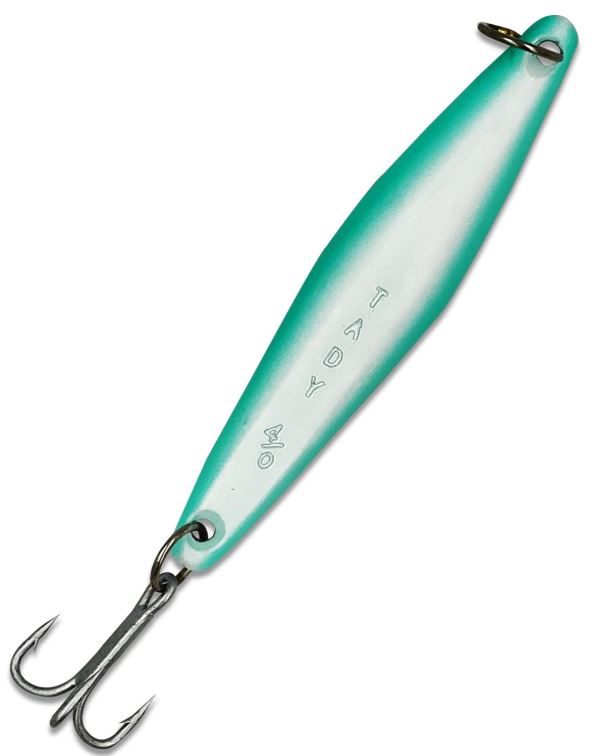
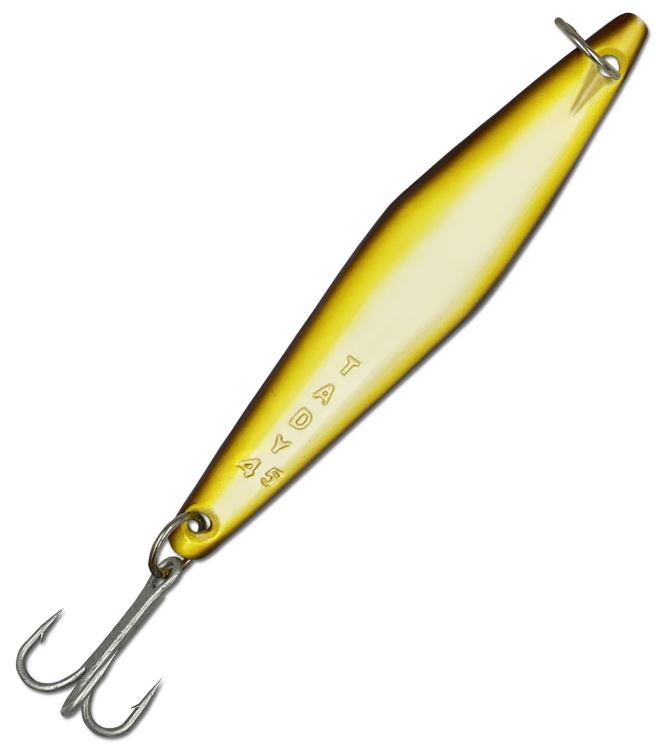
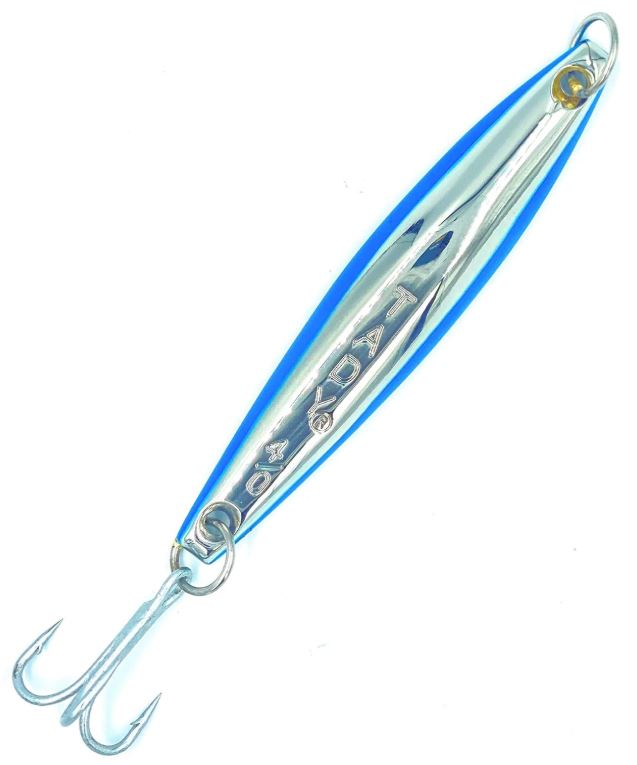
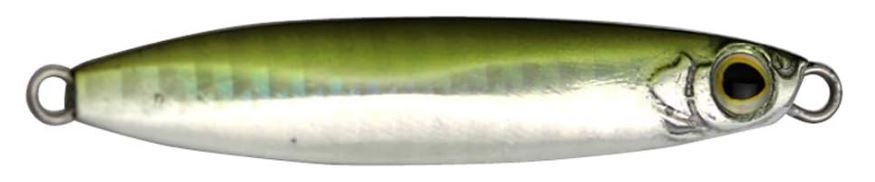
    Best casting lure: Tady 45 surface iron — burn it past a paddy and watch them light up.

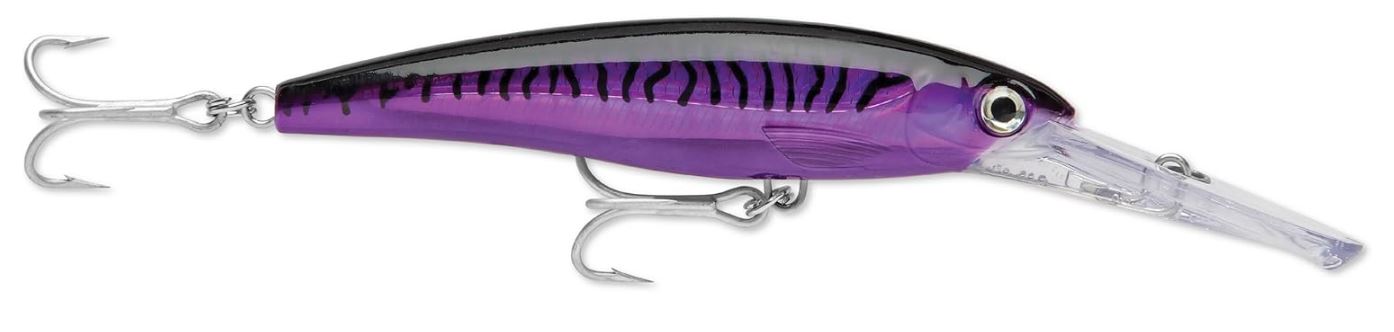
    Best deep trolling: Rapala X-Rap Magnum — gets down where dorado hold under paddies.

    Best for keeping fish at the boat: Soft plastic swimbaits — cheap, easy to rig, and dorado eat them nonstop.

    Trolling Lures

    Trolling is the most common way to find dorado on the open ocean. You cover ground until you find paddies, debris, or temperature breaks, and the trolled lures work while you search. Run a spread of 4–6 lures at staggered distances behind the boat to cover more water and figure out which color and depth the fish want.

    Cedar Plugs
    Buy it on Amazon

    Cedar plugs are the workhorses of the paddy search. When you’re running 30–50 miles of open ocean looking for kelp, you want lures that stay fishing at 7–8 knots hour after hour without maintenance — and a cedar plug does exactly that. Green/yellow and blue/white are the top dorado colors; natural cedar also produces well. Run them 50–100 feet back so they work close enough to the boat for a quick pitch to any paddy you find. Dorado don’t need the long leads that line-shy bluefin require — they’re aggressive, competitive feeders that will chase a lure right to the transom. Keep a dozen on board because dorado teeth eventually chew through the finish, and a beat-up plug still catches fish but a split hook is a pulled bite.

    Feather Jigs (Zuker / Tuna Feathers)
    Buy it on Amazon

    A 4-feather spread in bright colors is the standard dorado paddy search setup. Green/yellow is the #1 dorado color — it imitates juvenile dorado, which triggers a territorial feeding response — followed by blue/white and root beer/orange. Stagger your spread: two short (20–30 feet back) in the prop wash and two long (60–80 feet back) on the outside. Dorado attack aggressively and often hit multiple lures in the spread at once, so use 5/0–7/0 J hooks pre-rigged in the skirt and check all positions after each hookup — they’ll frequently slash a second lure during the fight. When the search is on and paddies are far apart, a hookup on a feather tells you the temperature and bait situation is right and it’s worth slowing down to look harder.

    Rapala X-Rap Magnum Series
    Buy it on Amazon

    The X-Rap Magnum earns its spot specifically when dorado are holding tight under a paddy and refusing surface lures. Kelp paddies create a shaded zone that dorado use to ambush bait — the bigger bull dorado often sit several feet below the canopy where cedar plugs and feathers run above them. A Rapala diving to 10–15 feet punches through that zone and puts the lure right in front of fish that are actively holding but won’t rise. Run it on the outside of your spread at 5–7 knots. Dorado gold, pilchard, and bonito patterns are the top producers. The 10 and 15 sizes cover most SoCal situations — step up to the 20 for Baja fish that average larger. When everyone is pulling their lines in at a paddy because the fish won’t eat, one rod with an X-Rap still trolling past often gets the first bite.

    Casting Lures (for Kelp Paddies)

    Once you’ve found dorado on a paddy, casting lures is the most exciting way to catch them. Dorado are competitive feeders — when one chases a lure, the rest follow. Keeping lures in the water keeps the school active and near the boat. The key is speed and aggression: cast past the paddy, retrieve fast, and keep casting. A dead boat with no lures in the water means the school disappears.

    Surface Iron (Tady 45 / Tady 4/0)
    Buy it on Amazon

    The same irons you throw for yellowtail work beautifully on dorado. Cast past the paddy and burn the iron back through the school. Dorado will chase it aggressively — you’ll often see them racing the iron with their dorsal fin lit up electric blue. The Tady 4/0 in 2.6oz is particularly effective because the lighter weight lets you work it a bit slower, giving more fish a chance to track and commit. The heavier Tady 45 (2.9oz) is better when you need extra casting distance to reach paddies from a drifting boat. For a full breakdown of iron types and technique, see our jigs and irons guide and jigs vs irons vs poppers comparison.

    Poppers
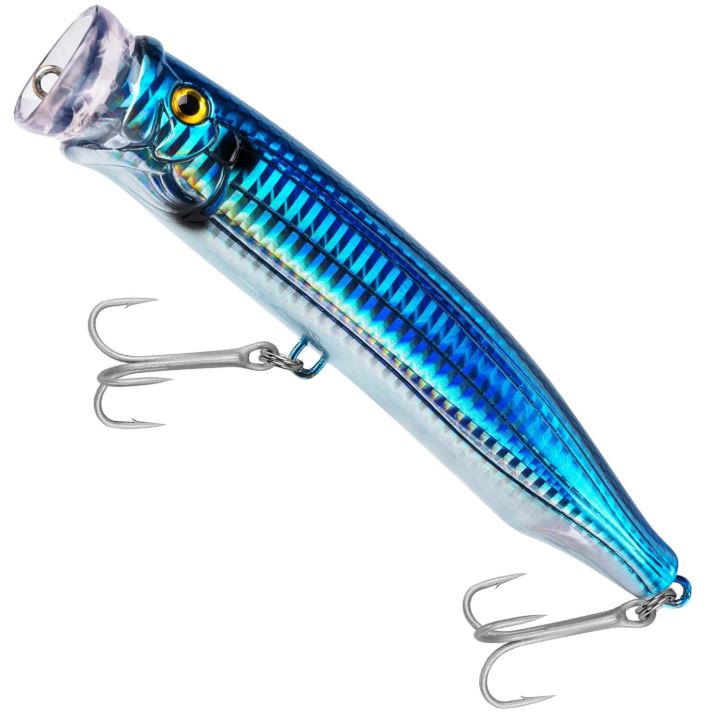
    Buy it on Amazon

    Dorado go absolutely insane for poppers. The splash and commotion triggers their competitive instinct — you’ll often see multiple fish racing to be the first one to the lure. A medium-sized popper (80–120mm) in bone, sardine, or bright green/yellow patterns is deadly when cast near a paddy. Pop it aggressively and hold on. You don’t need the heavy-duty tuna poppers here — dorado average 5–15 lbs, so a lighter popper that’s easier to work all day is ideal. The strikes are some of the most violent surface eats in fishing.

    Big Hammer Swimbaits
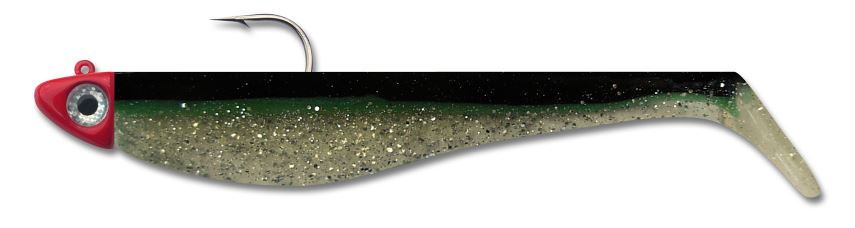
    Buy it on Amazon

    A 4–6 inch soft plastic swimbait on a 1/2 to 1oz jig head is a simple, effective dorado lure that every angler on the boat can fish. The swimming tail action drives them crazy. Cast it past the paddy, let it sink a few feet, and retrieve with a moderate, steady pace. Green/yellow (imitating a small dorado — they’re cannibalistic), white, and sardine patterns work well. The advantage of soft plastics is they’re cheap — and dorado teeth chew through them fast, so you’ll go through several per session. Pack a bag of 20+. For more on soft plastic technique, see our swimbaits guide.

    Dr Fish Casting Spoons
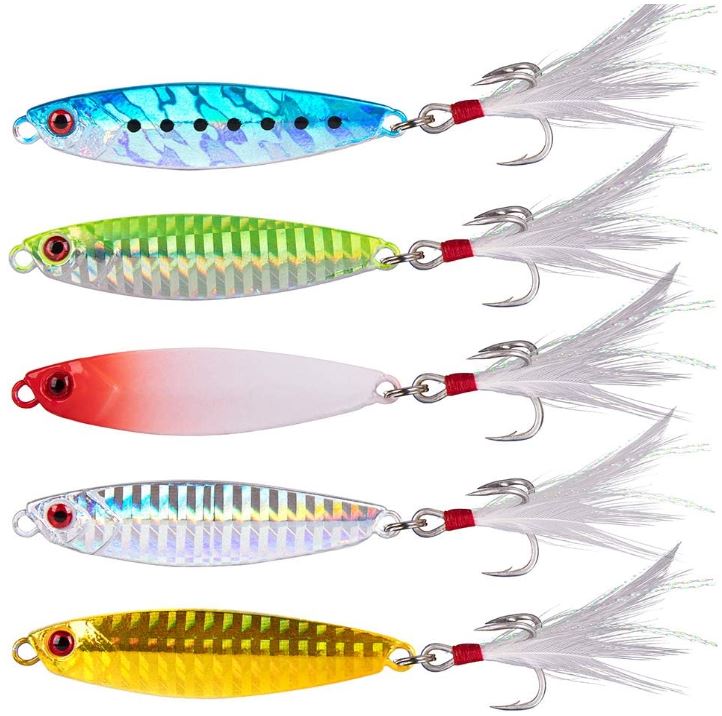
    Buy it on Amazon

    A large, heavy casting spoon (2–3 oz) in chrome or gold produces a massive flash that draws dorado from distance. Particularly effective when the school is scattered and you need to attract fish to the boat from across a debris field. Cast it out, let it flutter down a few feet, then retrieve with an erratic pump-and-wind to create an injured baitfish action. The fluttering fall is often when the bite comes — dorado can’t resist a wounded, flashing target sinking away from them.

    Color Selection

    Dorado respond strongly to color — more so than most SoCal species. The top producers:

    • Green and yellow — imitates small dorado (they’re cannibalistic) and triggers a territorial response. The #1 dorado color.
    • Blue and white — sardine imitation, the universal SoCal choice that works on everything.
    • Chartreuse — high visibility in any water clarity, especially in off-color Baja water.
    • Pink / hot pink — surprisingly effective, especially on overcast days and in deeper water.
    • Natural / bone — clear water, bright days when flash alone is enough.
    • Root beer / orange — classic trolling feather color, works especially well in the morning.

    When in doubt, start with green/yellow — dorado chase their own kind, and this triggers the most aggressive, competitive response. If they’re not eating green/yellow (rare), switch to blue/white. Check the chlorophyll map for water clarity — in greener, dirtier water, go brighter (chartreuse, pink). In clean blue water, go natural or chrome.

    When to Throw What

    SituationLure TypeTop Pick
    Searching for paddies / covering groundTrolling spreadCedar plugs + feathers
    Dorado holding deep under paddyDeep-diving trollerRapala X-Rap Magnum
    Boiling on surface at paddySurface ironTady 45 or 4/0
    Multiple fish competing at paddyPopper80–120mm popper, green/yellow
    Keeping school at the boatSoft plastic swimbait5″ paddle tail, green/yellow
    Scattered school, need to attract fishCasting spoon2–3oz chrome spoon
    Picky fish, clear waterLight casting jigTady 4/0 (2.6oz) bone/chrome

    Keeping the School at the Boat

    The key to a big dorado session is keeping the school active and near the boat. Here’s the playbook:

    • Leave the first fish in the water. When you hook a dorado, don’t rush to boat it. Keep it swimming alongside the boat — its distress signals draw the rest of the school in close. A hooked dorado is the best chum you have.
    • Keep lures in the water. Have another angler casting while the first fish is being fought. Dead time with no lures in the water means the school drifts away.
    • Immediate re-cast. When you boat a fish, get another lure or bait back in the water immediately. Speed matters more than lure choice here — throw anything.
    • Chum when they fade. If the school starts to drift away, toss handfuls of bait (sardines or chunks) to keep them interested.
    • Don’t let the boat drift away from the paddy. Keep the boat positioned near the structure. If you drift too far, idle back to the paddy and restart.

    Gear for Dorado

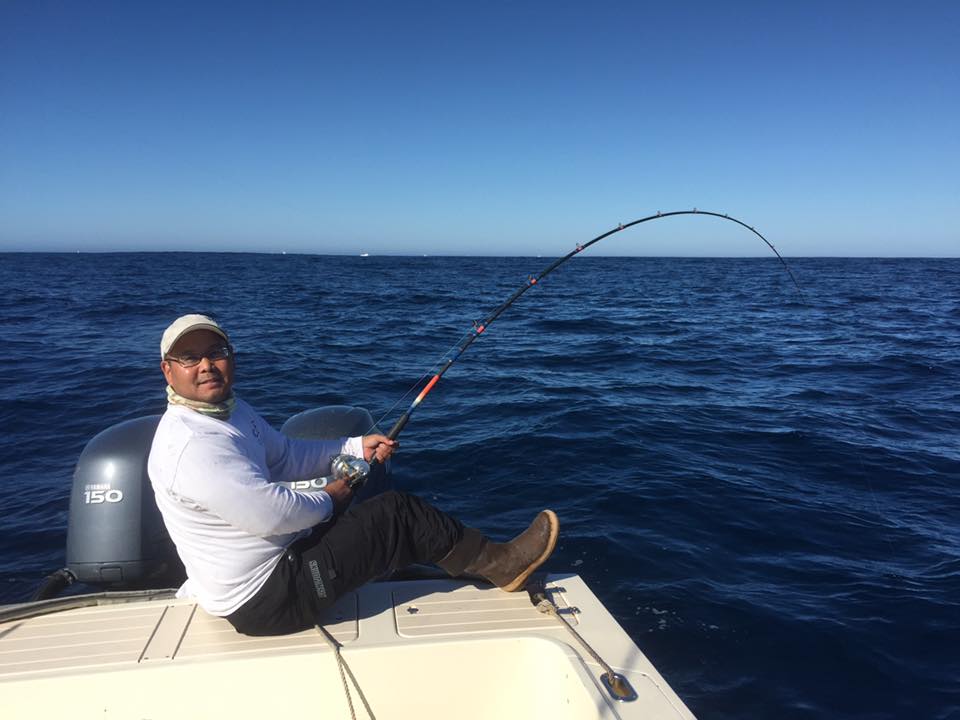
    Dorado don’t require heavy gear — in fact, lighter gear means more fun and better lure action. A 20lb class setup handles most SoCal dorado perfectly.

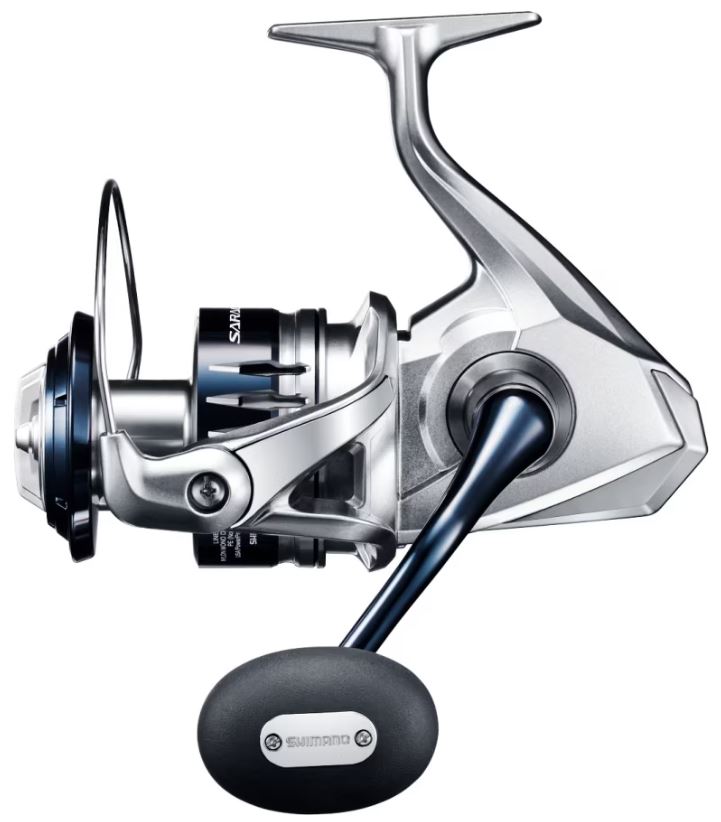
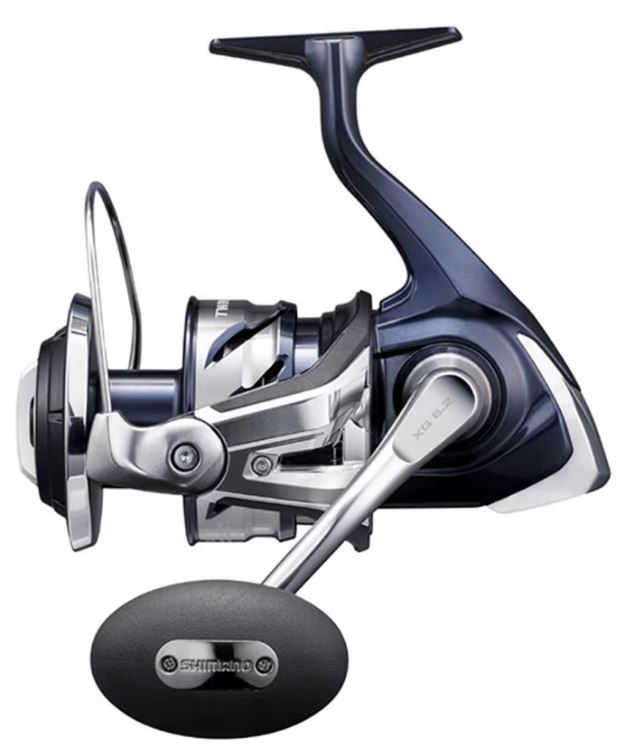
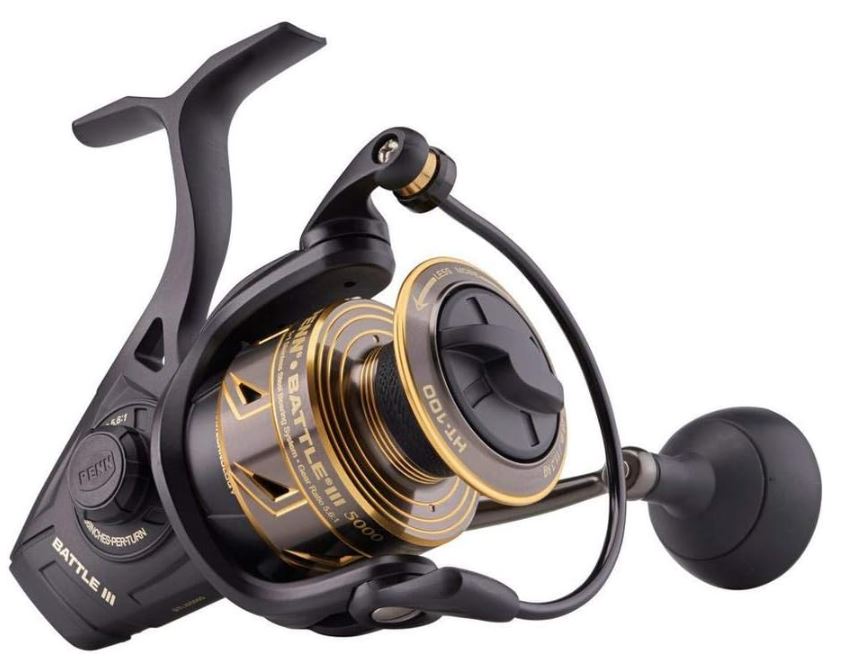
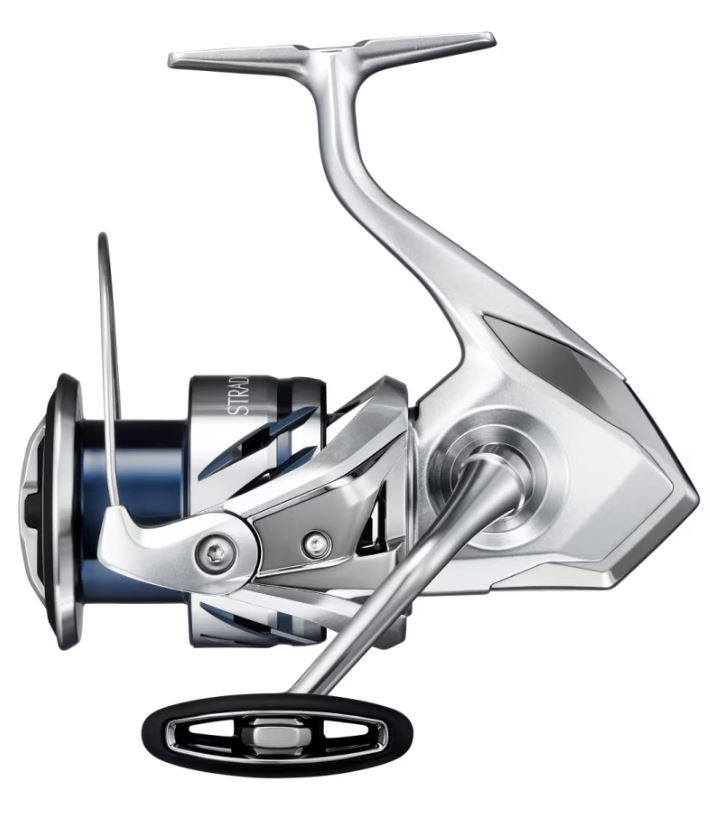
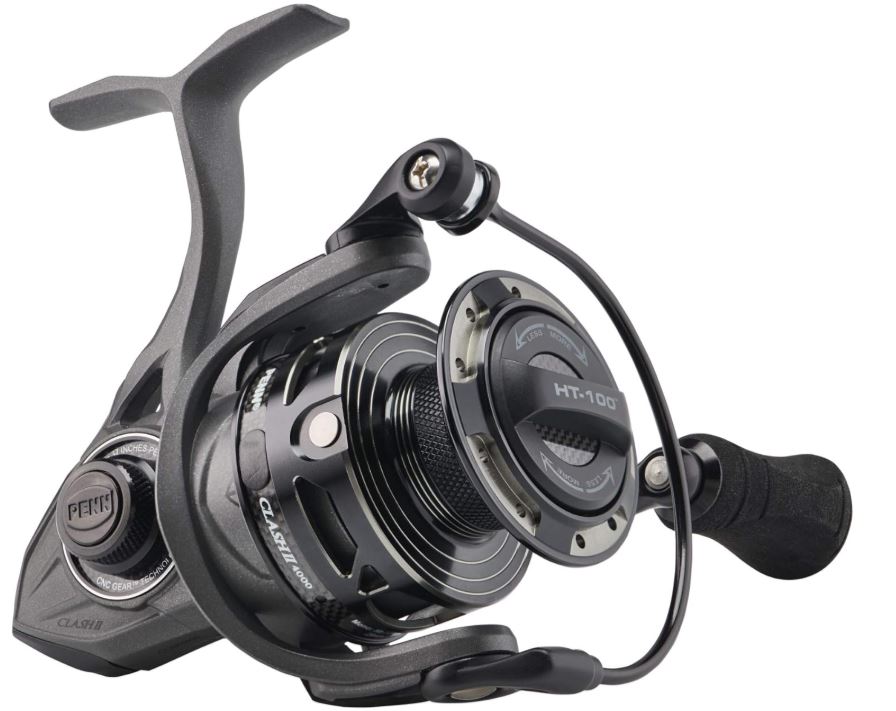
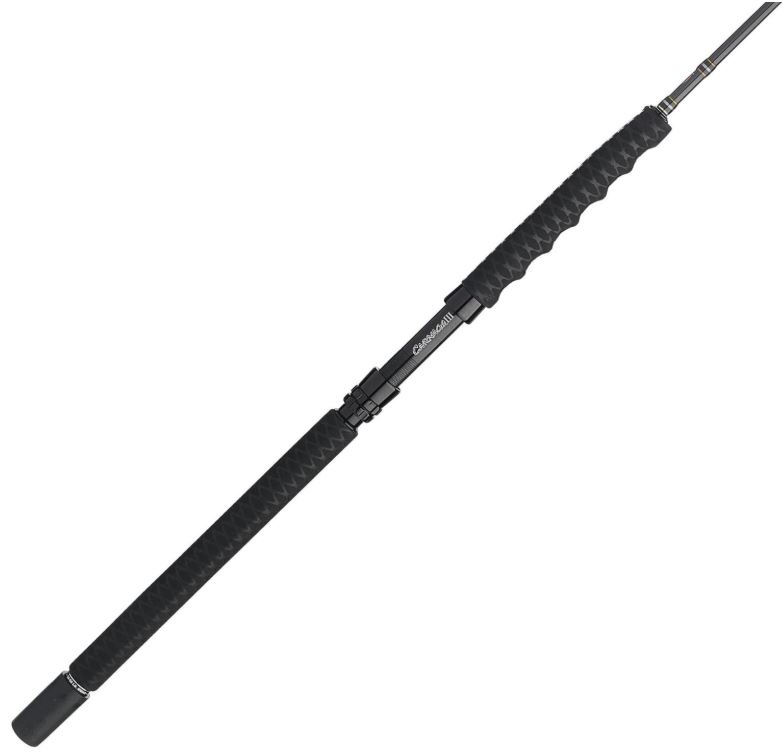
    Casting setup: A spinning reel in the 4000–6000 class — Shimano Saragosa 5000 or Daiwa BG MQ 4000 — on a 7-foot medium-heavy rod. Spool with 30lb braid and a 25lb fluorocarbon leader connected with an FG knot. This handles everything from soft plastics to surface iron.

    Iron setup: If you’re dedicated to throwing iron at paddies, step up to a Saragosa 6000 on an 8-foot rod for maximum casting distance. Same as your yellowtail iron setup — dorado just happen to eat it too.

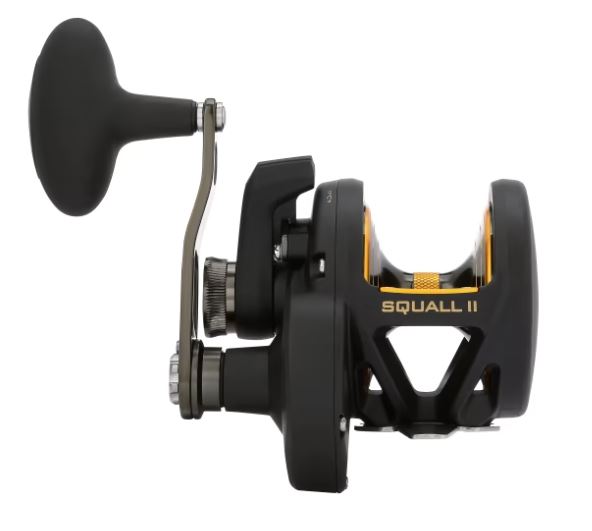
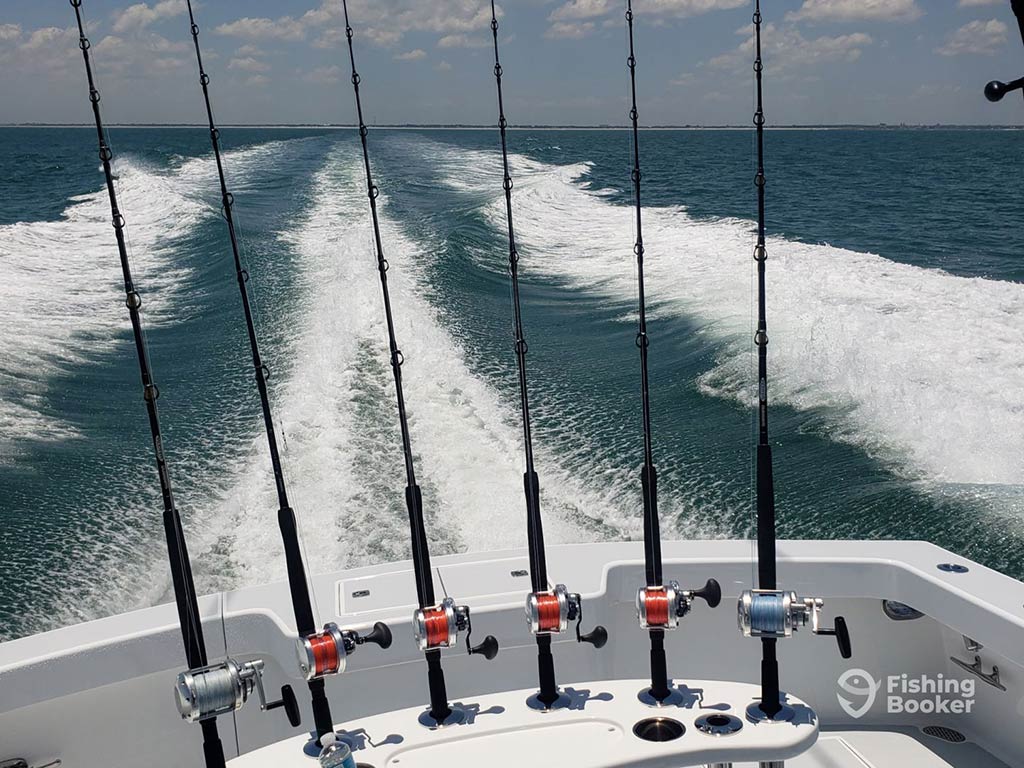
    Trolling setup: A 20–30lb class conventional reelPenn Squall II 25N or Shimano Talica 12 — on a 7-foot medium rod. Spool with 30–40lb braid or mono. Keep the drag light — dorado have soft mouths and heavy drag pulls hooks.

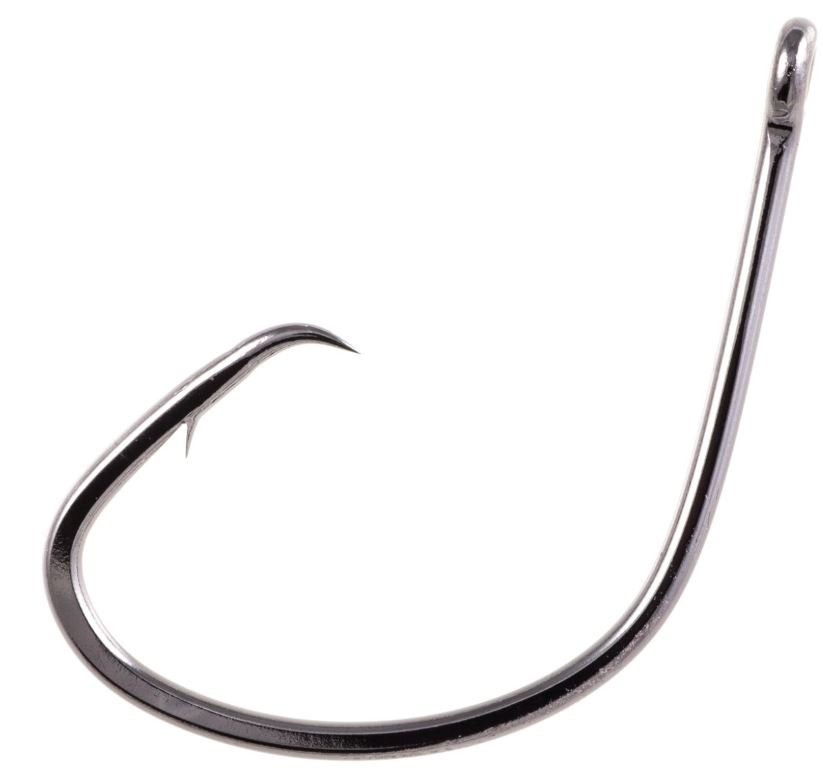
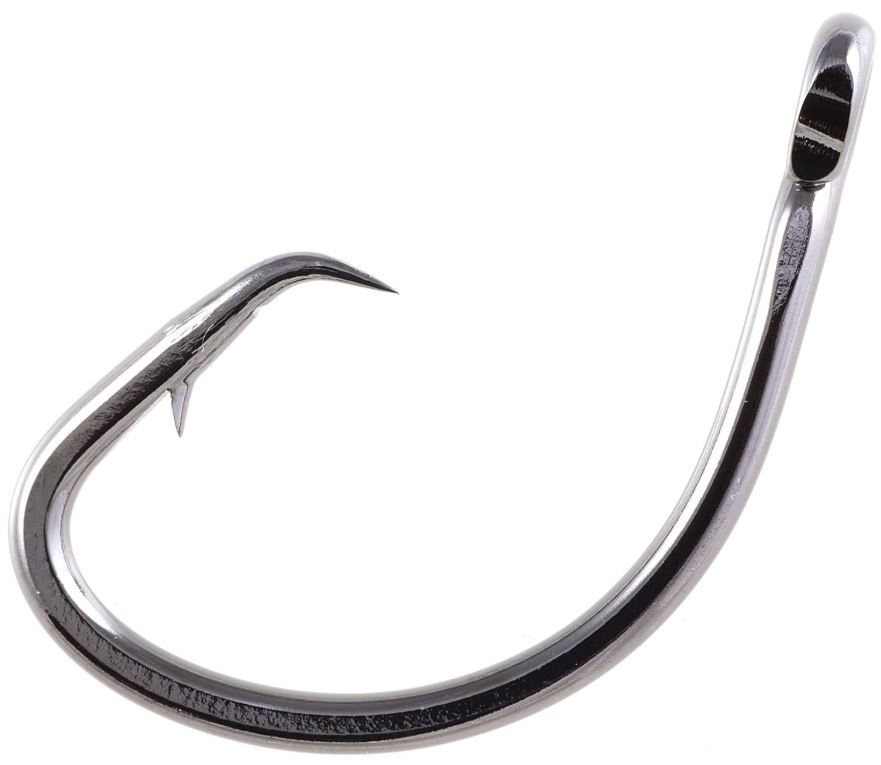
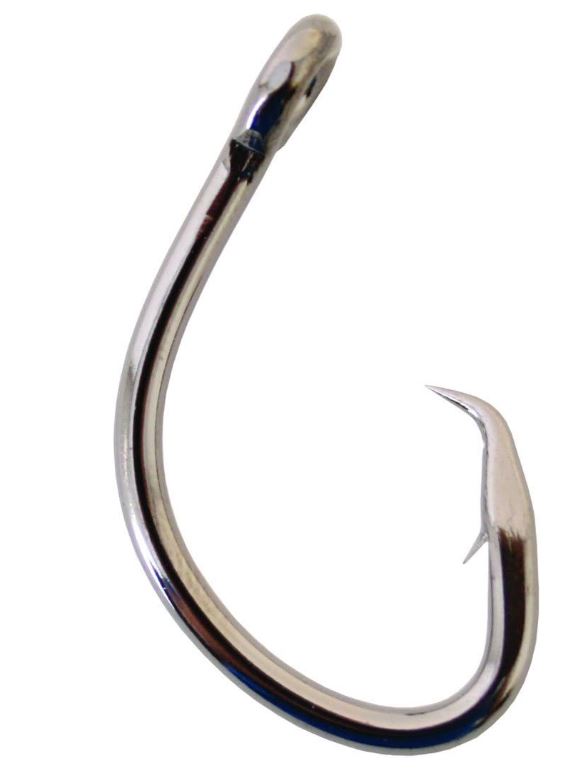
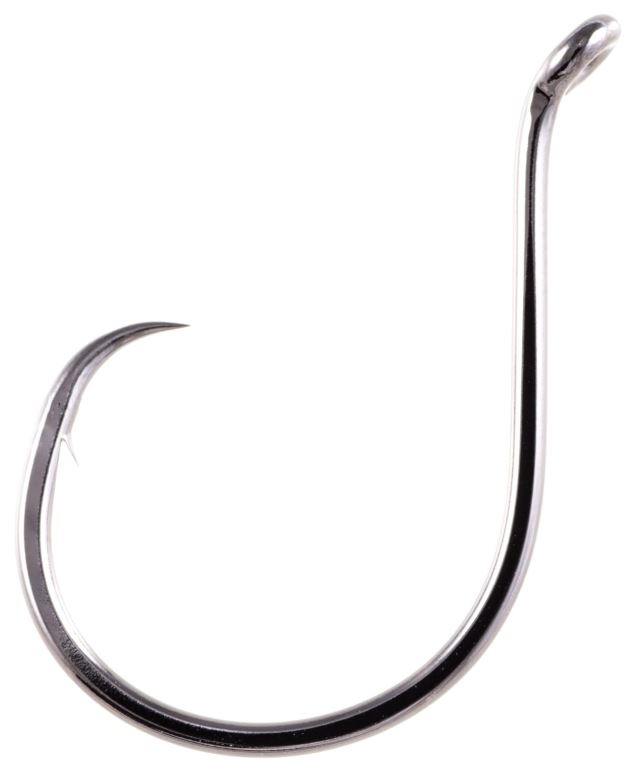
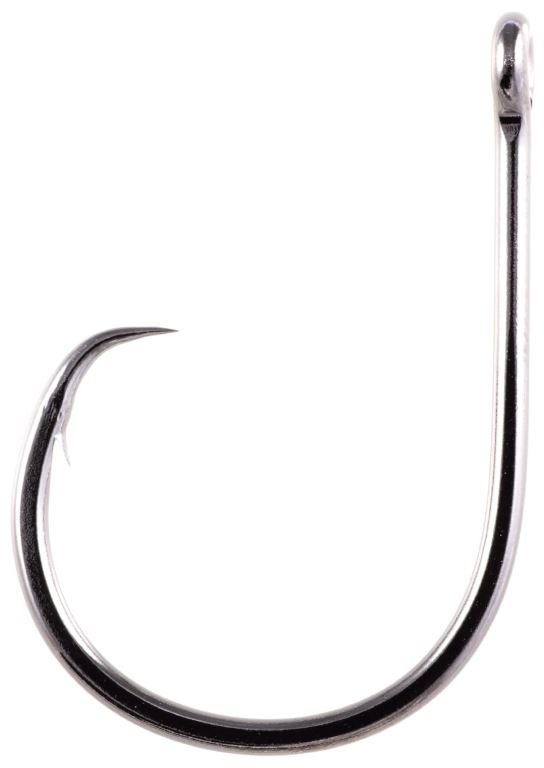
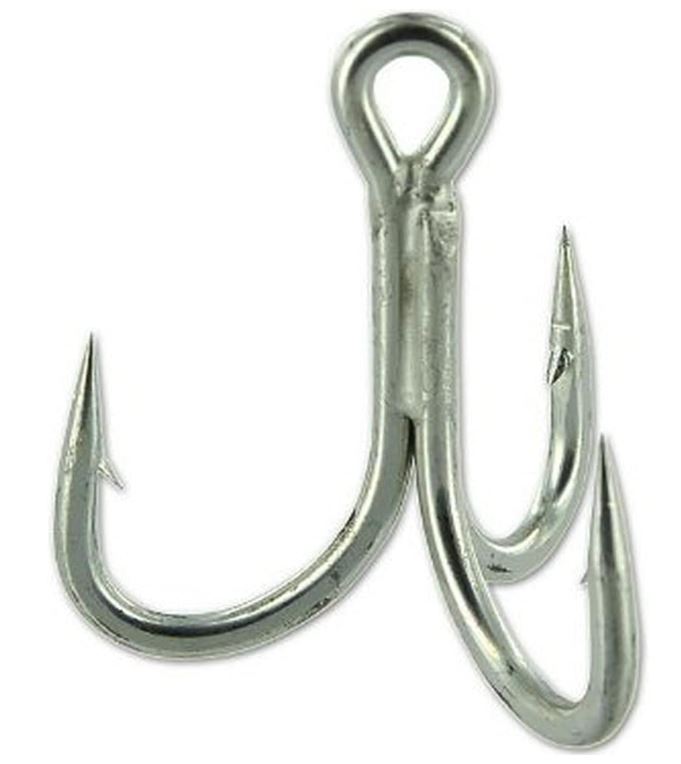
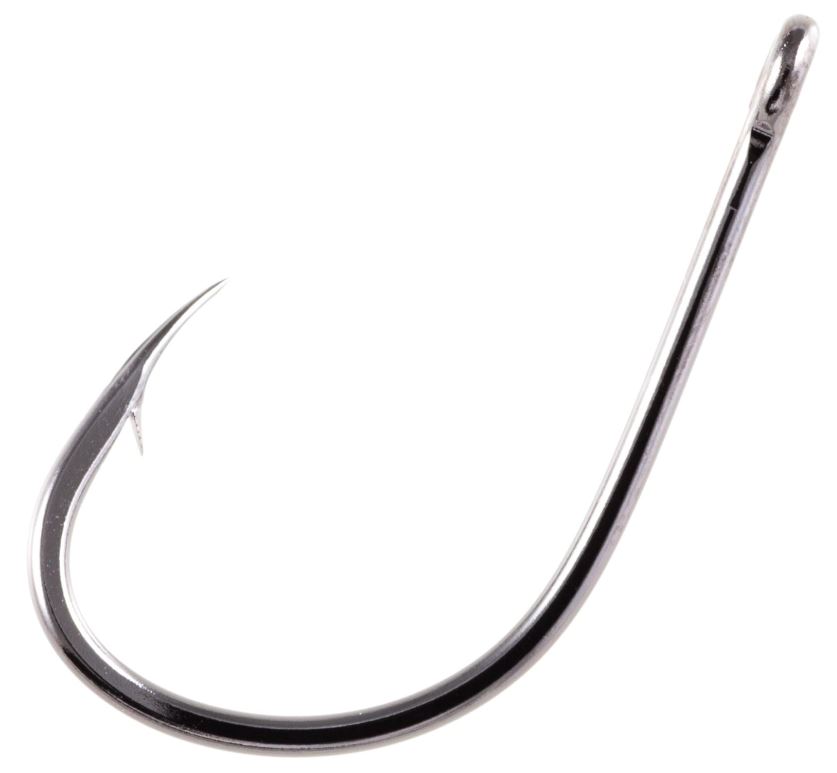
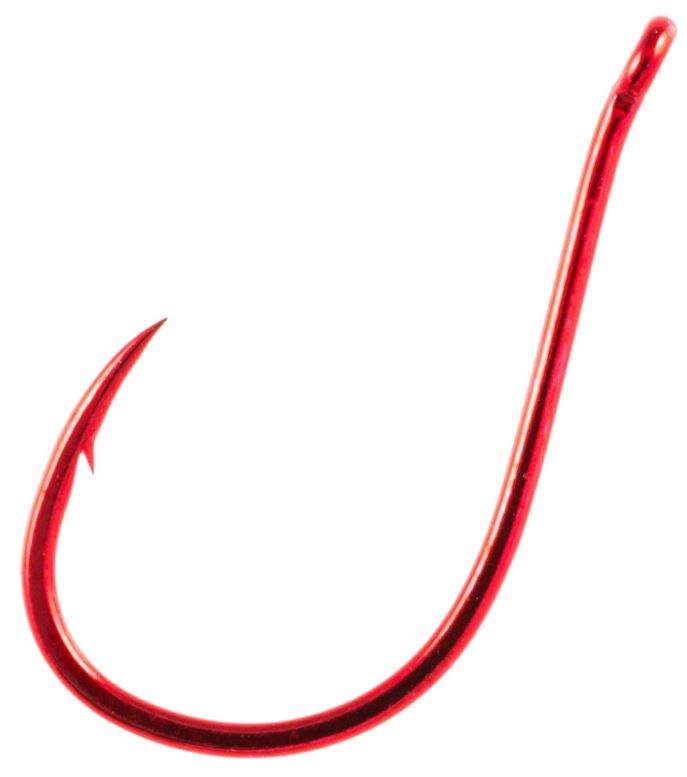
    Hooks: Use J hooks on trolling lures and jigs (you need the instant hookset). For live bait, circle hooks in 2/0–4/0 are better — dorado often swallow baits and circles prevent gut-hooking. See our hooks guide for specific sizes.

    For complete rod and reel pairing advice, see our best rod and reel combo guide, and check our fishing line guide for specific braid recommendations.

    Frequently Asked Questions

    What is the best all-around lure for dorado?

    For trolling: cedar plugs — cheap, simple, and they never stop producing. For casting at paddies: a Tady 45 surface iron in blue/white or green/yellow. If you could only bring two lure types on a dorado trip, those would be them.

    What color lure is best for dorado?

    Green and yellow is the #1 dorado color — it imitates small dorado and triggers aggressive, territorial strikes. Blue and white (sardine pattern) is the close #2 and works as a universal color for all SoCal species. When in doubt, start green/yellow.

    How do I find dorado in SoCal?

    Look for warm water (68°F+) on the SST chart, then locate kelp paddies and debris lines within that warm water. The chlorophyll map shows where bait is concentrating, and the fleet tracker shows where boats are finding dorado. Read our dorado temperature guide for seasonal patterns.

    Can I use the same lures for dorado and yellowtail?

    Yes — surface irons (Tady 45, Tady 4/0), poppers, and casting jigs all work on both species. Dorado tend to prefer brighter colors (green/yellow, chartreuse) while yellowtail lean toward blue/white and chrome. The main gear difference is you can fish lighter tackle for dorado since they average smaller.

    What rod and reel do I need for dorado?

    A 20lb class spinning setup is ideal — Saragosa 5000 or BG MQ 4000 on a 7-foot medium-heavy rod with 30lb braid. Lighter gear means more fun on dorado — they don’t require the 40lb class setups you’d use for bluefin tuna.

    What water temperature do dorado need?

    68°F and above — they’re a warm-water species that shows up in SoCal from midsummer through fall when offshore water heats up. The sweet spot is 72–78°F. Check our dorado temperature guide and the SST chart to find productive water.

    Do I need wire leader for dorado?

    No. Dorado have small, sandpaper-like teeth that abrade fluorocarbon slowly but won’t bite through it in a fight. A 25–30lb fluoro leader is plenty. Wire leader actually reduces strikes because dorado have good eyesight and feed in clear water. Retie your leader periodically if it’s getting chewed up.

    Plan Your Trip

    Dorado follow warm water and floating structure. Check conditions:

    Related Guides

    Tight lines!
  • Best 8-Foot Rods for Offshore Fishing

    Best 8-Foot Rods for Offshore Fishing

    An 8-foot rod gives you something a 7-footer can’t: casting distance. That extra foot of leverage translates to 15–20% more distance when throwing surface irons, and it gives live baits a longer, smoother launch that keeps them alive and swimming. The trade-off is less fish-fighting leverage (longer rod = more flex = fish has more room to work) and more fatigue over a full day. But for specific SoCal applications, an 8-footer is the right tool.

    ⚡ Quick Picks

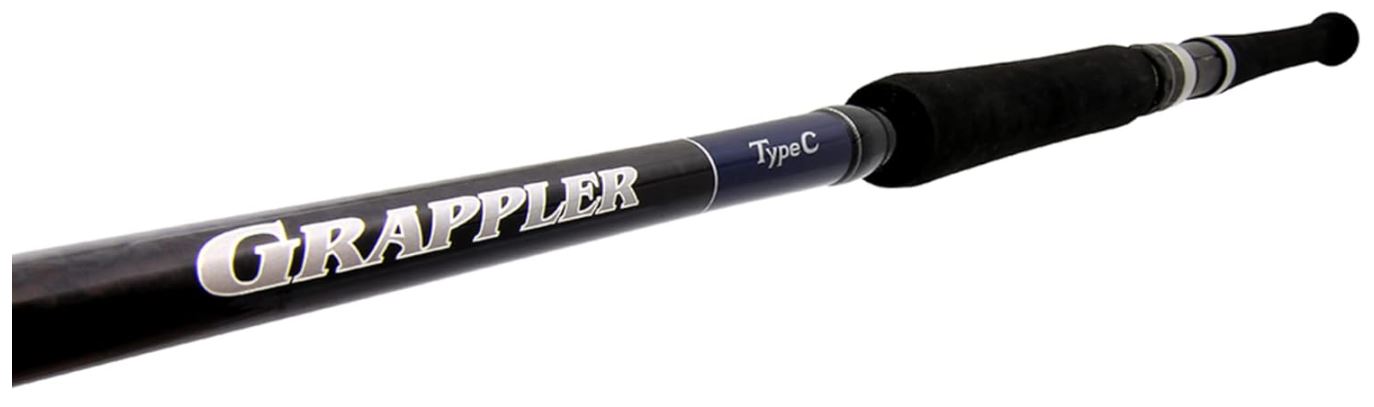
    Best for iron/poppers: Shimano Grappler Type C 8’2″ H purpose-built for casting surface lures to pelagics.

    Best budget: Daiwa Proteus 8′ Heavy — capable iron rod at a fraction of the premium price.

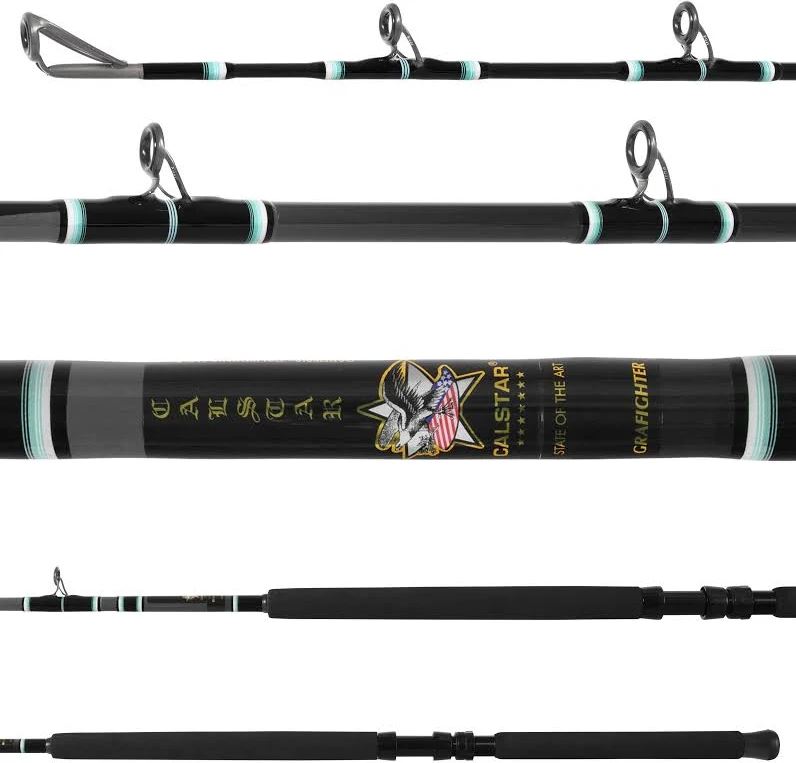
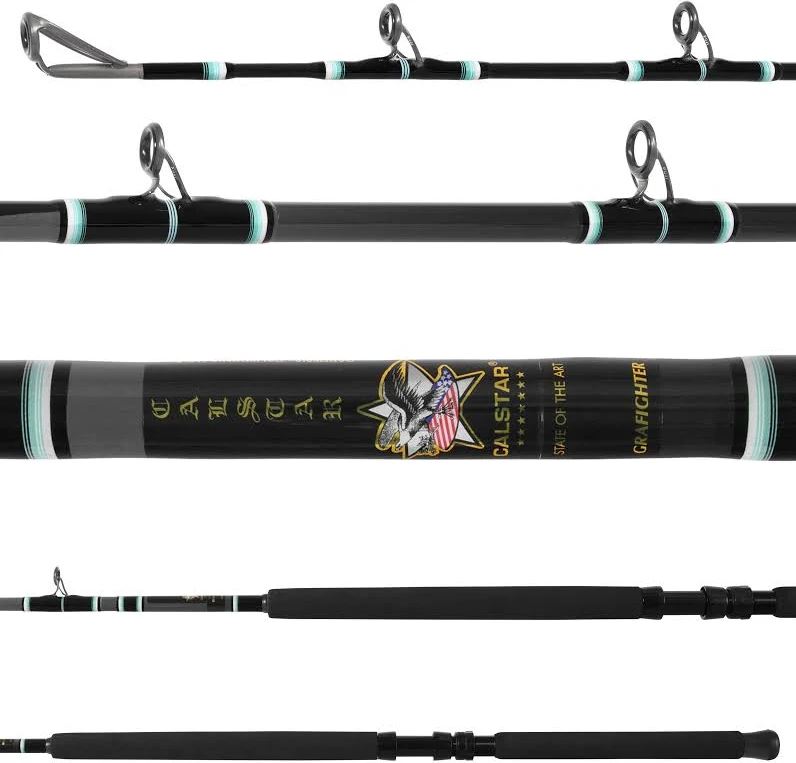
    Best for live bait: Calstar Grafighter 800M — SoCal classic for lobbing big baits on long-range trips.

    Best for lighter popping: Shimano Grappler Type C 8’2″ MH — Easier to fish all day, handles school tuna and yellowtail.

    When You Need an 8-Foot Rod

    Surface iron casting: This is the primary reason SoCal anglers own 8-foot rods. When yellowtail or tuna are boiling on the surface 80+ yards from the boat, an 8-foot spinning rod loads a 4.5-ounce Tady 45 and launches it into territory a 7-footer can’t reach. Those extra yards of casting distance often determine whether you’re in the zone or falling short. See our complete surface iron guide and jigs vs irons vs poppers breakdown.

    Popper fishing: Same logic — poppers need the extra rod length to generate sufficient casting distance. The longer rod also gives you better leverage for working the popper’s action, because the increased rod travel per twitch creates a more pronounced pop.

    Live bait launching: On crowded party boats, getting your bait away from the boat and into clean water is critical. An 8-foot rod lets you lob a live sardine or mackerel farther from the boat with a gentler motion, reducing the chance of tearing the bait off the hook. A slider rig on a long rod is deadly for this.

    Long-range trips: Multi-day trips to the Baja banks and offshore islands often involve a mix of iron casting, popper work, and live bait — all situations where the 8-footer earns its spot in the rod rack. Don’t forget to check the overnight trip packing list.

    Best 8-Foot Rods for SoCal

    Best for Iron & Poppers: Shimano Grappler Type C 8’2″ Medium-Heavy (Spinning)

    Buy it on Amazon

    The Grappler Type C is Shimano’s purpose-built casting rod for offshore surface work — poppers, stickbaits, and heavy iron. The 8’2″ Heavy model is the sweet spot for SoCal iron fishing: it loads a Tady 45 or Salas 7X for maximum distance, and the Spiral-X / Hi-Power X blank construction makes it lighter and more rigid than anything else in this class. The fast action transmits your retrieve speed to the iron while the powerful butt section absorbs the shock of a tuna or yellowtail hitting at full speed. This is the rod SoCal tuna chasers are switching to. Pair with a Shimano Saragosa 6000 or Saragosa 14000 for heavier applications.

    Best for Lighter Popping: Shimano Grappler Type C 8’2″ Heavy (Spinning)

    Buy it on Amazon

    If the Heavy model feels like overkill — or if you’re casting lighter poppers and irons to yellowtail and school tuna rather than big bluefin — the MH version is significantly more fishable all day. Same Spiral-X / Hi-Power X construction, same 8’2″ casting distance, but a softer tip that loads easier with lighter lures and absorbs head shakes better during the fight. Better casting accuracy with lures in the 2–4 ounce range. If you’re mainly targeting yellowtail and yellowfin on iron, this is probably the better pick over the Heavy.

    Best Budget: Daiwa Proteus 8′ Heavy (Conventional)

    Buy it on Amazon

    A capable 8-foot iron rod at a fraction of the Grappler’s price. The graphite blank is a bit heavier than the Shimanos, and the guides aren’t quite as refined, but it casts irons well and has enough backbone to fight yellowtail and school tuna. A great entry-level iron rod or a backup to keep in the rod rack. If you’re trying iron fishing for the first time and don’t want to invest $300+ in a rod you might not love, start here. Pairs well with a Daiwa BG MQ 4000 or Saragosa 5000 for a complete budget setup.

    Best for Live Bait: Calstar Grafighter 800M (Conventional)

    Calstar Grafighter live bait rods

    An 8-foot conventional rod for live bait might seem unusual, but for long-range trip anglers, this setup shines. The extra length lets you lob big baits — sardines, mackerel, even small skipjack — farther from the boat with a smooth, controlled cast. The medium power with a moderate-fast action provides a soft tip that keeps baits alive and a progressive backbone for fighting big fish. A slider rig on a Calstar 800M is a proven long-range killer. Paired with a Shimano Talica 12 for yellowtail or a Talica 16 for tuna, this is a serious long-range tool.

    8-Foot vs 7-Foot: When to Grab Which

    SituationBest LengthWhy
    Surface iron casting8 footMaximum casting distance to reach boiling fish
    Popper fishing8 footBetter lure action and casting distance
    Party boat bait fishing7 footBetter fish-fighting leverage in tight quarters
    Vertical jigging7 foot or shorterShorter rod = better jigging mechanics
    Tuna on heavy gear5’6″–6’6″Maximum leverage for big fish straight below
    Long-range trip (one rod)7 footBest compromise of versatility and power
    Long-range trip (two rods)7′ + 8′7′ for bait, 8′ for casting — ideal combo

    Gear Pairings for 8-Foot Rods

    8-foot rods in this class pair primarily with spinning reels for casting applications. A 6000–14000 class spinning reel with 20+ pounds of drag and fast retrieve (6.0:1 or higher) matches the rod’s intended use. Spool with 40–65lb braid — the thinner diameter of braid maximizes the casting advantage that the longer rod provides. See our line guide for specific brand picks.

    ApplicationRodReelLine
    Heavy iron / bluefinGrappler Type C 8’2″ HSaragosa 14000 or Twin Power 600065lb braid / no leader
    Lighter iron / yellowtailGrappler Type C 8’2″ MHSaragosa 600050lb braid / no leader
    Budget ironProteus 8′ HSaragosa 5000 or BG MQ 400040lb braid / no leader
    Live bait long-rangeCalstar 800MTalica 12 or Talica 1640lb braid / 30lb fluoro leader

    For the conventional 8-foot bait rod (Calstar 800M), pair with a 30lb lever drag reel for yellowtail or a 40lb two-speed for tuna. Connect braid to leader with an FG knot.

    See our complete rod and reel combo guide for detailed pairing recommendations across all applications.

    Frequently Asked Questions

    Do I need an 8-foot rod for SoCal fishing?

    Not as your first rod — a 7-footer is more versatile and handles 80% of offshore situations. An 8-foot rod is your second rod, specifically for casting iron and poppers when fish are boiling out of range. If you fish iron regularly, it’s essential.

    What reel pairs best with an 8-foot iron rod?

    A 6000–14000 class spinning reel. The Shimano Saragosa 6000 is the most popular pairing for yellowtail iron, and the Saragosa 14000 or Stella SW 10000 for heavier tuna work. See our 30lb reel guide and 40lb reel guide for complete reviews.

    Should I get the Heavy or Medium-Heavy Grappler?

    Heavy if you’re throwing 4+ ounce iron to bluefin and big yellowtail. Medium-Heavy if you’re casting 2–4 ounce poppers and lighter iron to yellowtail and school tuna — it’s easier to fish all day and more forgiving on the cast.

    Can I use an 8-foot rod for bait fishing?

    It works for live bait launching (the Calstar 800M is specifically built for this), but it’s not ideal for general party boat bait fishing. A 7-foot rod gives you better leverage for fighting fish and is more manageable on a crowded rail.

    What line should I use for iron casting?

    40–65lb braided line with no leader for maximum distance. Some anglers add a short 40lb fluoro topshot for abrasion resistance, but most SoCal iron fishermen go straight braid. See our line guide for specific brands.

    Graphite or fiberglass for an 8-foot rod?

    Graphite for casting applications — you need the rod to be light enough to cast repeatedly all day, and graphite’s stiffness translates to better lure action. The Calstar bait rod uses a composite blank for shock absorption, which makes more sense for a rod that fights fish rather than casts lures.

    Plan Your Trip

    Check conditions before heading offshore:

    Related Guides

    Tight lines!
  • What to Bring on an Overnight Fishing Trip – Tips from experienced SoCal anglers.

    What to Bring on an Overnight Fishing Trip – Tips from experienced SoCal anglers.

    Your first overnight fishing trip out of San Diego is a rite of passage — 1.5 to 3 days on the water targeting yellowtail, tuna, dorado, and whatever else swims into range at the Coronado Islands, offshore banks, or the Baja coast. The fishing can be incredible, but the experience lives or dies on your preparation. Forget the right gear and you’ll spend the trip borrowing, improvising, or sitting out the best bites. Pack smart and you’ll be the one with a full sack while everyone else scrambles.

    This guide covers everything you need for overnight and multi-day trips out of San Diego landings like H&M, Fisherman’s Landing, and Point Loma Sportfishing.

    Tackle and Gear

    Rods and Reels

    Bring at least two setups — ideally three. Rods break, reels fail, and you don’t want to miss the bite because your only outfit went down. The standard overnight quiver:

    Setup 1 — Bait rod (25–30lb class): Your workhorse. A 7-foot medium-heavy rod paired with a lever drag conventional reel (Penn Squall II, Shimano Talica 12). Spooled with 40lb braid and rigged with 30lb fluorocarbon leader. This handles yellowtail, white seabass, school tuna, and everything else on live bait.

    Setup 2 — Iron / casting rod (30–40lb class): An 8-foot heavy spinning rod with a 6000–8000 spinning reel spooled with 50lb braid. For surface iron, poppers, and casting to breaking fish. Also doubles as a heavy live bait rod.

    Setup 3 (optional but recommended) — Heavy outfit (40lb+ class): If the trip targets bluefin tuna, bring a 40lb+ conventional setup. A 6-foot heavy rod with a two-speed reel (Shimano Talica 16) and 65lb braid. You may not need it, but if a 100-pound bluefin shows up and you don’t have it, you’ll regret it forever.

    Terminal Tackle

    Pack more than you think you need. Overnight trips burn through tackle fast, and the boat’s tackle shop charges premium prices.

    Hooks: The circle vs. J hook decision matters on overnights — circles are standard for live bait on most SoCal boats, J hooks shine for soaking chunk and working certain jig rigs. Bring both: circle hooks in 1/0, 2/0, 3/0, and 4/0 (at least 10 of each), plus a handful of J hooks in 2/0–4/0. Treble hooks to replace worn ones on your surface irons.

    Leader material: Fluorocarbon in 20lb, 25lb, 30lb, and 40lb — at least 25 yards of each. You’ll retie leaders constantly, especially after catching fish or hitting structure. Lighter fluoro for line-shy bluefin; heavier for dorado and yellowtail in kelp.

    Sinkers: Egg sinkers in 1oz, 2oz, and 3oz for slider rigs. A few torpedo sinkers in 6–8oz for dropper loop bottom fishing if the trip includes rockfish stops.

    Swivels: Barrel swivels in size 3 and 5. Snap swivels for quick jig changes.

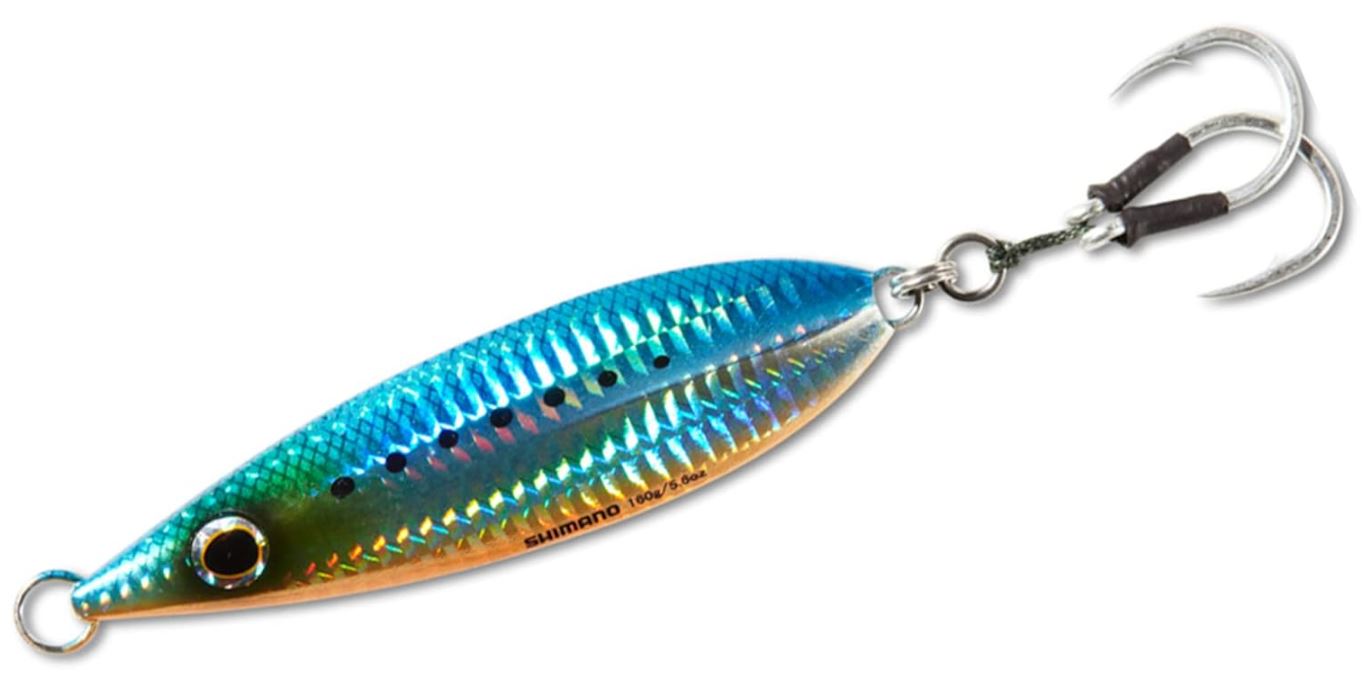
    Jigs: This is where overnights get expensive fast — build your kit before you leave. For tuna, the Shimano Butterfly Flat-Fall (160g) and Tady 45 are the workhorses; our best tuna jigs and irons guide breaks down exactly what to pack by size and color for SoCal conditions. For dorado at the paddies, lighter irons and feathers shine — see our best dorado lures guide for the specific setups. If the trip includes trolling legs between spots, our tuna trolling lures guide covers the cedar plugs and feathers worth having in your kit. At minimum bring: 2 Tady 45s (blue/white and scrambled egg), 2 Flat-Falls (160g, different colors), and 1 lighter iron (Salas 7X). If you have poppers, bring one. See our jigs vs irons vs poppers guide for the full rundown on when to throw what.

    Yellowtail iron: Don’t neglect the yellows — a Tady 4/0 or Tady Heavy in blue/white is your go-to when the yellows are stacked at the Coronados or 9-Mile Bank. See the best yellowtail jigs guide for the full kit.

    Extras: Bead assortment, bobber stops (for slider rigs), a few pre-tied dropper loop rigs, split rings and solid rings for jig hooks, and a small hook file to sharpen points.

    Tools

    A pair of braided line scissors (regular scissors chew braid poorly), long-nose pliers for hook removal, a knife for cutting bait, and a small screwdriver for reel adjustments. A headlamp is essential — night fishing, early morning rigging, and navigating the dark bunk room all require one. Bring a spare battery.

    Clothing

    The ocean at night is cold, even in summer. Dress in layers and pack for conditions 20°F colder than the daytime forecast.

    Base layer: Moisture-wicking synthetic shirt and pants. Avoid cotton — it gets wet, stays wet, and you’ll freeze.

    Mid layer: Fleece jacket or hoodie. This is your comfort layer for nighttime and early morning.

    Outer layer: A waterproof jacket is non-negotiable. Spray, rain, and wave splash will find you. A quality fishing rain jacket with sealed seams keeps you dry and fishing while everyone else retreats to the cabin. Waterproof pants are optional for summer trips but essential in winter and spring.

    Footwear: Deck boots or waterproof shoes with non-marking soles. The deck is wet, slimy, and slippery — sandals and regular sneakers are a recipe for a fall. Bring a dry pair of socks in a ziplock bag for sleeping.

    Sun protection: Long-sleeve sun shirt (UPF 50), wide-brim hat or cap with neck flap, quality polarized sunglasses (essential for seeing fish and reading the water), and reef-safe sunscreen for face and hands. The sun on the water is brutal — burns happen fast and make the second day miserable.

    Gloves: Fingerless fishing gloves protect your hands when handling fish, tying knots with braid (which cuts bare skin), and fighting fish on the rail. Your hands will thank you on day two.

    Food and Drink

    Most overnight boats provide meals, but they’re basic and the timing doesn’t always align with when you’re hungry. Bring supplemental food:

    Water: At least 2 liters per day. Dehydration sneaks up on you, especially in the sun and wind. The boat has water, but having your own ensures you stay hydrated without leaving the rail during a bite.

    Snacks: Energy bars, trail mix, beef jerky, fruit, crackers — anything that’s easy to eat with one hand while keeping an eye on your rod. Avoid anything that needs refrigeration or creates a mess.

    Caffeine: Coffee is usually available on the boat, but bring your own if you’re particular. Energy drinks or caffeine gummies help on early morning bites when you’ve been up since 2 AM.

    Avoid: Alcohol in excess (dehydration + seasickness + heavy machinery = bad combo), heavy/greasy food if you’re prone to motion sickness, and anything that needs heating.

    Health and Comfort

    Seasickness prevention: If you have any history of motion sickness, take precautions before you leave the dock. Prescription scopolamine patches (applied behind the ear 8+ hours before departure) are the most effective. Over-the-counter options: Bonine (meclizine) taken the night before and morning of, or ginger chews as a supplement. Do not wait until you feel sick — by then it’s too late.

    Sleep: Bring a sleeping bag or warm blanket for the bunk. The bunks are narrow, the boat rocks, and the engine drones — earplugs and an eye mask dramatically improve sleep quality. Even 3–4 hours of solid sleep makes a huge difference on day two.

    Personal items: Toothbrush, any medications, small towel, hand sanitizer, and lip balm with SPF. A small dry bag keeps electronics and valuables safe from water.

    Packing Checklist

    CategoryItems
    Tackle2–3 rod/reel setups, circle & J hooks (multiple sizes), fluorocarbon leader (20–40lb), sinkers, swivels, tuna jigs, yellowtail irons, dorado lures, trolling feathers, poppers, pre-tied rigs, bobber stops, beads, split rings
    ToolsBraid scissors, pliers, knife, headlamp + spare battery, hook file, small screwdriver
    ClothingBase layer, fleece mid layer, waterproof jacket, deck boots, sun shirt, hat, polarized sunglasses, sunscreen, fingerless gloves, dry socks
    Food2+ liters water/day, energy bars, jerky, trail mix, fruit, caffeine source
    HealthSeasickness meds (take early!), prescription medications, lip balm SPF
    ComfortSleeping bag/blanket, earplugs, eye mask, small towel, hand sanitizer
    StorageSoft-sided bag (no hard suitcases — bunk space is tight), dry bag for electronics, ziplock bags for phone and wallet

    Before You Leave

    The night before your trip, check conditions on fishing-reports.ai so you know what to expect and can adjust your tackle accordingly:

    Related Guides

    Talk to the landing when you check in — they’ll tell you what’s been biting and recommend tackle. The deckhands on SoCal boats are some of the most knowledgeable fishing guides anywhere. Listen to them, tip them well, and you’ll have a trip to remember.

    Tight lines!
  • Best Hook Sizes for Every SoCal Species

    Best Hook Sizes for Every SoCal Species

    Using the wrong hook size is one of the easiest ways to miss fish. Too large and the bait looks unnatural, the fish feels the weight, or the hook won’t fit in a smaller mouth. Too small and you can’t get a solid hookset, the hook bends out under pressure, or it gets buried in the bait and never reaches the fish’s jaw. Matching hook size and style to your target species and bait is a fundamental that pays off on every trip.

    This guide covers the best hook choices for every major SoCal saltwater species, organized by target — with specific Owner hook recommendations throughout, because Owner makes the best saltwater hooks on the market and it’s what most serious SoCal anglers use. For a deep dive on hook style, read our circle hooks vs J hooks comparison.

    ⚡ Quick Picks — The Owner Hooks You Need

    Live bait (tuna/yellowtail): Owner Mutu Light Circle 5114 — light wire for lively bait, jaw-hooks 90% of the time.

    General saltwater circle: Owner Mutu Circle 5163 — medium wire, the all-around SoCal circle hook.

    Big fish / chunk bait: Owner Super Mutu Circle — XX-strong wire for bluefin chunks and big white seabass.

    Surface iron trebles: Owner ST-66 Treble — saltwater-grade 4X strong, the upgrade every iron needs.

    Surf / light tackle: Owner Mutu Light Circle 5114 in #2–1/0 — light wire for corbina and perch.

    The Owner Hooks You Need to Know

    Owner makes a lot of hooks. Here are the 8 specific models that cover every SoCal saltwater situation — with a breakdown of what each one does and when to use it.

    HookModel #WireBest ForBuy
    Mutu Light Circle5114LightLive bait fly-lining, light tackle, surfAmazon
    Mutu Circle5163MediumGeneral bait fishing, yellowtail, WSBAmazon
    Super Mutu Circle5127HeavyChunk bait, big bluefin, sharksAmazon
    SSW Circle5178MediumSnelling rigs, dropper loopsAmazon
    SSW Inline Circle5179MediumTournament-legal live baitAmazon
    Cutting Point J Hook5180MediumCalico bass, rockfish, active hooksetsAmazon
    ST-66 TrebleST-66TN4X StrongSurface iron, poppersAmazon
    Mosquito Hook5177LightCorbina, perch, finesse surfAmazon

    Owner Mutu Light Circle (5114) — Best Live Bait Hook

    Owner Mutu Light Circle Hook 5114

    ➜ Buy on Amazon

    The Mutu Light is the #1 hook on SoCal party boats and the single hook that covers more fishing situations than any other. The light wire keeps live baits — sardines, mackerel, smelt — swimming naturally without killing them, and the offset “hangnail” point rotates into the jaw corner about 90% of the time. That means fewer gut-hooks, cleaner releases, and more solid hookups. Corrosion-resistant black chrome finish holds up in salt. Available in sizes #1 through 5/0, with pocket packs (5114) and pro packs (5314) for the sizes you burn through. If you only own one hook, this is it.

    Sizes for SoCal: 2/0–4/0 for tuna and yellowtail live bait. 1/0–3/0 for halibut on a Carolina rig. #2–1/0 for surf species.

    Wire: Light  |  Point: Hangnail offset circle  |  Finish: Black chrome


    Owner Mutu Circle (5163) — Best All-Around Circle Hook

    Owner Mutu Circle Hook 5163

    ➜ Buy on Amazon

    The standard Mutu is the medium-wire step up from the Mutu Light. Same hangnail circle point, same jaw-hooking performance, but with enough wire gauge to handle bigger fish on heavier gear without bending out. This is the hook for white seabass on squid, dorado on live bait, big bluefin on 40lb+ line, and any situation where you need more backbone than the Mutu Light provides. Recommended for use up to 50lb test.

    Sizes for SoCal: 4/0–6/0 for white seabass on slider rigs. 4/0–5/0 for big bluefin. 2/0–4/0 for dorado and yellowtail.

    Wire: Medium  |  Point: Hangnail offset circle  |  Finish: Black chrome


    Owner Super Mutu Circle (5127) — Best for Big Fish & Chunk Bait

    Owner Super Mutu Circle Hook 5127

    ➜ Buy on Amazon

    The Super Mutu is the heavy-duty version — XX-strong wire that won’t open up on a 150-pound bluefin or a big shark. This is the chunking hook. When you’re anchored up and dropping sardine or squid chunks for tuna, the bait doesn’t need to swim, so the heavy wire is an advantage, not a liability. Forged construction adds even more strength. Same proven circle point geometry as the rest of the Mutu line, just built to survive the hardest-pulling fish in SoCal waters.

    Sizes for SoCal: 5/0–7/0 for bluefin chunking. 6/0–8/0 for sharks.

    Wire: XX-Heavy  |  Point: Hangnail offset circle  |  Finish: Black chrome


    Owner SSW Circle (5178) — Best for Dropper Loops & Snelling

    Owner SSW Circle Hook 5178

    ➜ Buy on Amazon

    The SSW is designed with an up-turned eye specifically for snelling — which makes it the ideal dropper loop hook. When you snell a hook onto a dropper loop, the up-eye keeps the hook standing out from the leader at the right angle for clean bait presentation. Medium wire with a slightly offset point (4°) for reliable hookups. The go-to for rockfish rigs, cut squid for white seabass, and any bottom rig where you’re tying directly to the hook.

    Sizes for SoCal: 3/0–5/0 for cut squid WSB rigs. 2/0–4/0 for rockfish dropper loops.

    Wire: Medium  |  Point: Super needle, 4° offset  |  Eye: Up-eye (for snelling)  |  Finish: Black chrome


    Owner SSW Inline Circle (5179) — Best Tournament-Legal Hook

    Owner SSW Inline Circle Hook 5179

    ➜ Buy on Amazon

    The inline version of the SSW — straight eye with the hook point perfectly aligned with the shank. This qualifies as tournament-legal in competitions that require non-offset circle hooks. Same SSW quality and construction, just with an inline point that satisfies the rules. Use this when fishing tournaments or any regulated fishery that mandates inline circles. For everyday fishing where rules aren’t a factor, the standard Mutu or SSW offset hooks give slightly better hookup rates.

    Sizes for SoCal: 2/0–4/0 for tournament live bait fishing.

    Wire: Medium  |  Point: Inline circle (tournament-legal)  |  Eye: Straight  |  Finish: Black chrome


    Owner ST-66 Saltwater Treble — Best Treble Upgrade for Lures

    Owner ST-66 Saltwater Treble Hook

    ➜ Buy on Amazon

    The ST-66 is the treble hook upgrade that every surface iron, popper, and saltwater hard bait needs. 4X strong construction means these trebles won’t bend open or snap on yellowtail or tuna — unlike the soft factory trebles that come on most lures. Tin finish resists saltwater corrosion. Swap the factory hooks on every iron jig you own — it takes 2 minutes with split-ring pliers and it’s the single biggest improvement you can make to any lure. This is the standard treble on SoCal long-range and party boats.

    Sizes for SoCal: 2/0 for small jigs (Tady 4/0). 3/0 for medium jigs (Tady 45). 4/0 for heavy jigs and poppers.

    Wire: 4X Strong  |  Point: Cutting point treble  |  Finish: Tin (anti-corrosion)


    Owner Cutting Point J Hook (5180) — Best J Hook for Kelp & Structure

    ➜ Buy on Amazon

    Owner Cutting Point J Hook 5180

    When you need a J hook for an aggressive hookset — calico bass in the kelp, sheephead on the bottom — the Cutting Point is the one. The triple-edge blade point (three cutting edges instead of the standard conical point) penetrates faster and deeper, which matters when you’re setting into a tough calico mouth or punching through sheephead jaws. Medium-heavy forged wire resists bending even under heavy drag. Use this any time you need to swing on the bite immediately and can’t let the fish run — the opposite of a circle hook situation.

    Sizes for SoCal: 1/0–2/0 for calico bass in the kelp. 2/0–3/0 for sheephead on dropper loops.

    Wire: Medium-Heavy (forged)  |  Point: Triple-edge cutting point  |  Finish: Black chrome


    Owner Mosquito Hook (5177) — Best Finesse Surf Hook

    Owner Mosquito Hook 5177

    ➜ Buy on Amazon

    The Mosquito is Owner’s lightest wire hook — ultra-thin with a super needle point that penetrates with almost no pressure. This is the finesse hook for corbina, barred perch, and smaller croaker in the surf where you’re fishing size 4–2 hooks with sand crabs and bloodworms. The light wire means sand crabs stay alive longer on the hook and the tiny profile doesn’t spook wary surf fish rooting in shallow water. Not built for big fish — this is purpose-made for light-line surf fishing on finesse surf rods.

    Sizes for SoCal: #4–#2 for small sand crabs targeting barred perch. #2–1/0 for corbina on Carolina rigs.

    Wire: Ultra-Light  |  Point: Super needle point  |  Finish: Black chrome

    If you stock Mutu Light Circles in 1/0–4/0, Mutu Circles in 3/0–6/0, and ST-66 trebles in 2/0–4/0, you’re covered for 90% of SoCal fishing. Add the Super Mutu in 5/0–7/0 for tuna chunking and you’ve got it all.


    Bluefin Tuna

    Bluefin are SoCal’s apex gamefish, and hook selection is critical because these fish are line-shy in clear water. Light-wire hooks let the bait swim more naturally, but they risk bending out on a big fish. Heavy-wire hooks hold up but can kill a delicate sardine quickly.

    Live bait (fly-line): 2/0–4/0 Owner Mutu Light Circle (5114), light to medium wire. Ringed circle hooks are preferred for fly-lining because they allow the bait maximum freedom. The Mutu Light’s “hangnail” point jaw-hooks fish about 90% of the time, which means more clean hookups and fewer gut-hooks on expensive bluefin. Match the hook to the bait — 2/0 for sardines, 3/0 for small mackerel, 4/0 for larger mackerel. For big bluefin over 100 pounds, step up to the Owner Mutu Circle (5163) in 4/0–5/0 — medium wire that won’t bend out during a 30-minute fight on a locked-down Talica.

    Chunk bait: 5/0–7/0 Owner Super Mutu Circle, heavy wire. When chunking sardine or squid for bluefin on anchor, the XX-strong wire handles the bigger fish that tend to eat chunks. The bait doesn’t need to swim, so the heavier wire gauge isn’t a concern — and it means the hook won’t open up when a 150-pounder eats.

    Jigs and poppers: Assist hooks (single) in 3/0–5/0 on flat-fall jigs. Owner ST-66 trebles in 2/0–3/0 on poppers — replace the factory trebles on your Chug Norris and Rock Pop immediately. Freshwater-grade trebles straighten instantly on tuna. See our bluefin gear guide for complete setups.


    Yellowtail

    Yellowtail aren’t as hook-shy as tuna, but they hit hard and fight dirty — heading straight for kelp and structure. The hook needs to hold through violent head shakes and sustained runs against drag on your yellowtail reel.

    Live bait: 1/0–3/0 Owner Mutu Light Circle (5114) or Owner Cutting Point J Hook (5180). Circle hooks are great for bait soaking; J hooks give you more control when actively fishing a live bait and watching for the bite. Nose-hook sardines with 1/0–2/0, collar-hook mackerel with 2/0–3/0. The Mutu Light in 2/0 is the single most popular yellowtail hook on SoCal party boats.

    Surface iron: Owner ST-66 trebles in 2/0–4/0. This is the #1 upgrade on any surface iron — factory trebles are too soft for yellowtail and will bend open or break. The ST-66 is 4X strong with a tin finish for corrosion resistance. Match treble size to jig size: 2/0 for Tady 4/0, 3/0 for Tady 45, 4/0 for heavier jigs. See our surface iron guide for rigging details.

    Yo-yo jigs: Single assist hooks in 3/0–5/0. Single hooks get better penetration and fewer tangles than trebles on vertical presentations. Rig them on the top of the jig — yellowtail hit the head on the fall. Owner’s assist hooks with Kevlar cord are the standard. Check our yellowtail jigs guide for specifics.


    Yellowfin Tuna

    Similar to bluefin but generally more aggressive and less leader-shy. You can get away with slightly larger hooks and heavier wire.

    Live bait: 2/0–3/0 Owner Mutu Light Circle (5114) or Owner Mutu Circle (5163). Same technique as bluefin fly-lining but you can go with the medium-wire Mutu (5163) without worrying about spooking fish. Yellowfin are more forgiving of hardware.

    Trolling: 7/0–9/0 J hooks rigged in trolling feathers and cedar plugs. These come pre-rigged, but check the hook points before every trip — dull trolling hooks miss fish. A quick touch-up with a hook file makes the difference between a solid hookup and a bump at 7 knots. See our yellowfin temperature guide and trolling lures guide.


    White Seabass

    White seabass have soft mouths, and hooks pull easily if you horse them. Use hooks that penetrate quickly and hold without tearing.

    Live bait (squid or sardine): 4/0–6/0 Owner Mutu Circle (5163), medium wire. The larger hook matches the bigger baits (especially squid) and the larger mouth of white seabass. Circle hooks are strongly preferred — they set gently in the jaw corner without tearing. When a white seabass picks up a squid on a slider rig, just reel tight and the circle does its job. The Mutu’s medium wire is strong enough to hold a 40-pound WSB without being so heavy it kills the bait.

    Cut squid: 3/0–5/0 Owner SSW Circle (5178). The SSW’s up-eye design is ideal for dropper loop snelling when soaking cut squid strips in the kelp. The wide gap holds cut bait well and the medium wire provides solid hookups without tearing the WSB’s soft mouth. See our white seabass temperature guide and WSB surf fishing guide.


    California Halibut

    Halibut are ambush feeders that inhale bait in one gulp. They have a wide mouth and relatively soft tissue, so the hook needs to find purchase in the jaw rather than pulling through cheek flesh.

    Live bait / cut bait on Carolina rig: 2/0–4/0 Owner Mutu Light Circle (5114). The Carolina rig is the classic halibut setup, and circle hooks are the ideal pairing. When the halibut picks up the bait and moves off, the circle rotates and catches in the jaw. No hookset needed — just reel tight. The Mutu Light’s light wire allows smaller baits (sardines, smelt) to swim more naturally, and the hangnail point means solid jaw hookups.

    Swimbaits: Built-in jig head hooks, typically 4/0–6/0 wide-gap. When fishing soft plastics like the Big Hammer or Keitech (see our halibut swimbait guide), the hook is integrated into the jig head. Choose heads with premium, sharp hooks — cheap jig heads have soft hooks that bend on big halibut.

    Surf fishing: 1/0–3/0 Owner Mutu Light Circle (5114) for beach fishing. Slightly smaller than boat hooks because surf baits tend to be smaller (sand crabs, small sardines). Pair with a surf rod and surf reel.


    Calico Bass (Kelp Bass)

    Calico bass have tough mouths and live in the kelp, so you need a hook that penetrates hard tissue and holds through a drag-and-stop fight in heavy cover.

    Live bait: 1/0–2/0 Owner Cutting Point J Hook (5180), medium-heavy wire. J hooks are preferred for calico because you need an immediate hookset to keep the fish out of the kelp. The moment you feel the bite, you swing and start cranking to pull the fish clear of structure. The Cutting Point’s triple-edge blade point penetrates hard calico mouths better than standard hooks.

    Swimbaits: 3/0–5/0 wide-gap weedless hook. Weedless rigging is essential in the kelp — an exposed hook point fouls on every cast. Texas-rig your soft plastic on a wide-gap hook and fish it through the canopy.


    Dorado (Mahi-Mahi)

    Dorado have hard, bony mouths and aggressive strikes. They’re not leader-shy, so you can use heavier wire without concern.

    Live bait: 2/0–4/0 Owner Mutu Circle (5163). Medium wire handles dorado easily. Dorado often swallow bait aggressively, so circle hooks are ideal — they jaw-hook instead of gut-hooking, which means quicker releases and less damage to the fish.

    Trolling lures: Pre-rigged hooks in cedar plugs and feather jigs. Treble hooks on casting lures like the Rapala X-Rap. See our dorado lures guide for complete setups.


    Rockfish & Sheephead

    Rockfish: 2/0–4/0 Owner Mutu Circle (5163) or SSW Circle (5178) on a dropper loop rig. Circle hooks reduce gut-hooking, which improves survival for rockfish released due to depth limits. The SSW’s up-eye is purpose-built for snelling on dropper loops. Barotrauma is a bigger concern than hook damage for deep rockfish, but every bit helps.

    Sheephead: 2/0–3/0 Owner Cutting Point J Hook (5180), heavy wire. Sheephead have crushing teeth and powerful jaws — they will bend light-wire hooks. The Cutting Point’s forged construction resists bending, and the triple-edge blade point punches through tough sheephead mouths. Set it hard when you feel the bite. Shrimp on a dropper loop is the classic sheephead setup.


    Surf Species (Corbina, Perch, Croaker)

    Corbina: Size 2–1/0 Owner Mutu Light Circle (5114) or Owner Mosquito Hook (5177). Corbina have small, delicate mouths and feed by rooting in the sand. A small, sharp circle hook on a light Carolina rig with sand crabs is the proven method. The Mosquito’s super-light wire is ideal when fishing size 4–2 hooks for smaller corbina. Pair with a St. Croix Mojo Surf for the ultimate finesse setup.

    Barred perch: Size 4–1/0 Owner Mutu Light Circle (5114) or bait-holder hook. Match the hook to the bait — tiny hooks (size 4–2) for sand crabs, larger (1/0) for mussels or bloodworms. For soft baits that slide off standard hooks, use Owner’s bait-holder hooks with barbs on the shank. See our surf rod guide and surf reel guide for complete surf setups.


    Master Reference Table

    SpeciesTechniqueOwner HookModelSizeWire
    Bluefin (live bait)Fly-lineMutu Light Circle51142/0–4/0Light
    Bluefin (chunk)Anchor / chunkSuper Mutu Circle51275/0–7/0XX-Heavy
    Bluefin (big fish)Live bait 40lb+Mutu Circle51634/0–5/0Medium
    Yellowtail (live bait)Bait / sliderMutu Light Circle51141/0–3/0Light
    Yellowtail (iron)Surface ironST-66 TrebleST-66TN2/0–4/04X Strong
    Yellowtail (yo-yo)JigsAssist hook (single)3/0–5/0Heavy
    Yellowfin (live bait)Fly-lineMutu Light / Mutu5114 / 51632/0–3/0Light–Med
    Yellowfin (trolling)Feathers / plugsPre-rigged J hook7/0–9/0Heavy
    White seabass (live)Slider rigMutu Circle51634/0–6/0Medium
    White seabass (cut squid)Dropper loopSSW Circle51783/0–5/0Medium
    Halibut (bait)Carolina rigMutu Light Circle51142/0–4/0Light
    Halibut (swimbait)Jig headJig head (built-in)4/0–6/0Heavy
    Halibut (surf)SurfMutu Light Circle51141/0–3/0Light
    Dorado (live bait)Bait / fly-lineMutu Circle51632/0–4/0Medium
    Calico bass (live bait)Kelp fishingCutting Point J51801/0–2/0Med-Heavy
    Calico bass (swimbait)Texas rigWide-gap weedless3/0–5/0Medium
    RockfishDropper loopSSW Circle / Mutu5178 / 51632/0–4/0Medium
    SheepheadDropper loopCutting Point J51802/0–3/0Heavy
    CorbinaCarolina rigMutu Light / Mosquito5114 / 5177#2–1/0Light
    Barred perchSurf baitMutu Light Circle5114#4–1/0Light

    Hook Maintenance Tips

    Check sharpness before every use. Drag the hook point across your thumbnail — if it slides, it’s dull. A sharp hook should dig in immediately. Carry a small hook file and touch up points between fish. Owner hooks come razor-sharp out of the pack, but they dull after contact with rocks, bone, and jig heads.

    Rinse after saltwater use. Even Owner’s corrosion-resistant black chrome finish will eventually rust if you leave salt on the hooks. A quick freshwater rinse extends hook life significantly.

    Replace trebles on new lures. This applies to every surface iron, popper, and trolling lure you buy. Factory trebles are almost always softer and duller than aftermarket Owner ST-66s. Five minutes with split-ring pliers and your lure goes from “might hook the fish” to “definitely hooks the fish.”

    Match hook to line strength. A heavy-wire 6/0 hook makes no sense on 20lb gear — you’ll never generate enough force to set it. Conversely, a light-wire 1/0 on 40lb+ gear will bend open on a big fish. Match your hook wire gauge to your line class and target species.

    Frequently Asked Questions

    What is the best all-around saltwater hook?

    The Owner Mutu Light Circle (5114) in 2/0 covers more SoCal fishing situations than any other single hook. It works for yellowtail live bait, halibut on a Carolina rig, tuna fly-lining, and general party boat bait fishing. The light wire keeps baits lively, and the hangnail circle point jaw-hooks fish 90% of the time. If you only buy one pack of hooks, make it this one.

    Circle hooks or J hooks?

    Circle hooks for any situation where you’re bait soaking or can’t actively watch the rod — the hook self-sets when the fish moves away. J hooks when you need an immediate, aggressive hookset — primarily calico bass fishing in the kelp where you can’t let the fish run. See our full circle hooks vs J hooks comparison for the detailed breakdown.

    What hook for bluefin tuna live bait?

    Owner Mutu Light Circle (5114) in 2/0 for sardines, 3/0 for small mackerel, 4/0 for large mackerel. Step up to the Mutu Circle (5163) in 4/0–5/0 for fish over 100 lbs where you need medium wire to survive a long fight. Fly-line on 40–65lb braid with 25–40lb Grand Max fluoro leader connected by an FG knot.

    What treble hooks for surface iron?

    Owner ST-66 trebles — the only answer. 4X strong construction won’t bend or break on yellowtail or tuna. Replace the factory trebles on every iron jig you own. Match treble size to jig size (2/0 for small jigs, 3/0–4/0 for larger). Use split-ring pliers to swap — takes 2 minutes and doubles your hookup rate.

    What hook for halibut on a Carolina rig?

    2/0–4/0 Owner Mutu Light Circle (5114). The light wire lets the bait (sardine, smelt, sand crab) move naturally, and the circle point rotates into the halibut’s jaw when it picks up the bait and moves off. No hookset needed — just reel tight until you feel weight, then fight the fish. Pair with a Carolina rig on 15–20lb braid with 12–15lb Vanish fluoro leader.

    What size hooks for surf fishing?

    Size 4–1/0 depending on target and bait. #4–#2 for sand crabs targeting barred perch. #2–1/0 for corbina on sand crabs or bloodworms. 1/0–3/0 for halibut on sardines or cut bait. The Owner Mutu Light Circle (5114) covers most surf situations — go down to the Owner Mosquito (5177) for the smallest sizes. See our surf rod and surf reel guides for complete beach setups.

    How often should I replace hooks?

    Check sharpness before every trip and after every fish. Replace any hook that’s been straightened (even if bent back), shows visible corrosion, or won’t hold an edge after filing. Trebles on iron jigs and poppers should be replaced after any significant tuna or yellowtail trip — one hard fight can weaken the metal even if it looks fine. Hooks are the cheapest part of your setup and the most important — never skimp.

    Plan Your Trip

    Hooks sharpened and rigs tied? Check conditions:

    Related Guides

    Tight lines!
  • Best 30lb Reels for Saltwater Fishing

    Best 30lb Reels for Saltwater Fishing

    The 30lb class is the workhorse line class for SoCal offshore fishing. It’s the reel you grab when the party boat heads to the Coronado Islands for yellowtail, when white seabass are in the kelp, or when school-sized tuna show up on the offshore banks. Heavy enough to stop serious fish, light enough to fish all day without burning out — this is the line class that sees more action on SoCal boats than any other.

    If you already have a 20lb setup for lighter work, a 30lb reel is the logical next step up. And if you’re chasing bigger bluefin, check our 40lb+ reel guide for the next class up.

    ⚡ Quick Picks

    Best overall: Penn Squall II 25N — lever drag, smooth, and the most common 30lb reel on SoCal party boats.

    Best two-speed: Shimano Talica 12 II — high/low gearing for grinding deep yellowtail.

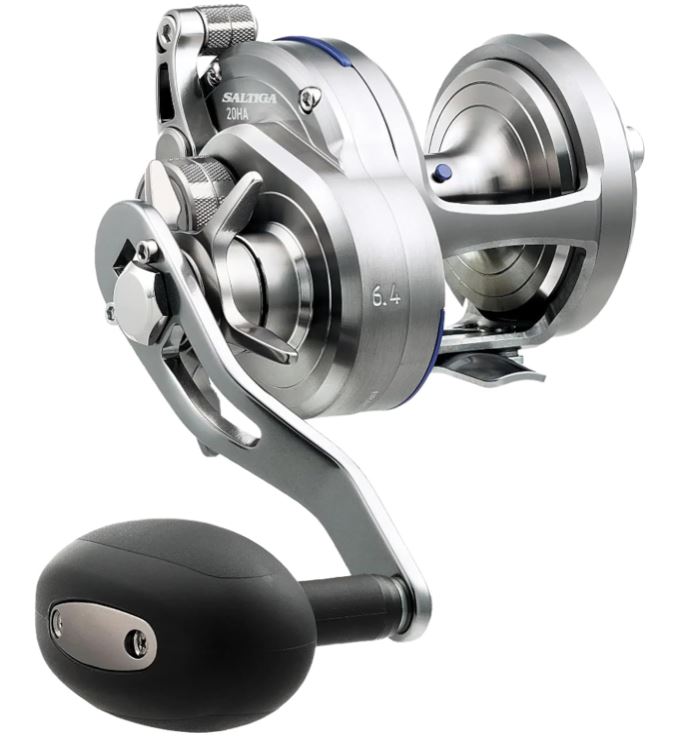
    Best premium: Daiwa Saltiga SASD35HA — bulletproof build, tournament-grade drag.

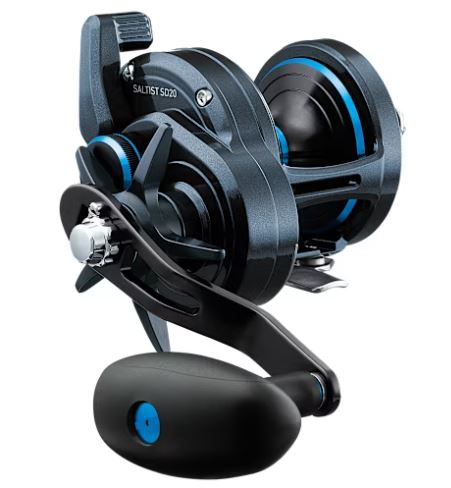
    Best value: Daiwa Saltist 30 — 80% of the performance at half the price.

    What the 30lb Class Covers

    A 30lb class reel is designed for 30lb monofilament or its braid equivalent — typically 40–50lb braided line. You want at least 15–20 pounds of max drag, 300+ yards of line capacity, and gearing that can handle extended battles with powerful fish.

    In SoCal, this class handles: yellowtail (the primary target — 15–40lb fish that fight like freight trains), white seabass, school bluefin tuna (15–40lb), yellowfin tuna, lingcod on heavy structure, and calico bass when big models are in the kelp and you need to horse them out. It’s also the right class for heavy yo-yo jigging and surface iron on bigger fish.

    Best Conventional Reels — 30lb Class

    Conventional reels dominate this class because most 30lb fishing involves bait drops, vertical jigging, or situations where line capacity and drag power matter more than casting distance.

    Best Overall: Penn Squall II 25N (Lever Drag)

    Buy it on Amazon

    The Squall II in the 25 narrow size is the most popular 30lb class reel on SoCal party boats, and for good reason. The lever drag gives you precise control during the fight — critical when a yellowtail decides to dive into the kelp. It holds plenty of 40lb braid, the drag is smooth and consistent, and the price won’t make you flinch when salt spray is hitting it all day. This is the reel you’ll see on nearly every rail from San Diego to Ventura.

    Best Two-Speed: Shimano Talica 12 II

    Buy it on Amazon

    When you need to winch yellowtail up from deep structure or grind on a stubborn white seabass, a two-speed reel is worth its weight. The Talica 12 gives you a high gear for fast retrieves and line pickup, then a low gear that nearly doubles your cranking power for the toughest moments of the fight. It’s the same reel family that SoCal tuna anglers swear by (the larger Talica 16 and 20 handle bluefin), just sized down for the 30lb class. Premium price, but a lifetime reel if maintained.

    Best Premium: Daiwa Saltiga SASD35HA

    Buy it on Amazon

    The Saltiga is the reel you buy when you’re done upgrading. Daiwa’s flagship conventional is built to an absurd standard — fully machined aluminum frame, Magsealed bearings that lock out saltwater, and a carbon drag system that delivers smooth, fade-free pressure even on long yellowtail and tuna runs. The SASD35HA gives you a high-speed retrieve ratio that picks up line fast when fish run toward you, while still having the cranking torque to pull big yellows off the bottom. It’s overkill for the 30lb class in the best possible way. If you fish 30+ times a year and demand zero compromises, this is it.

    Best Value: Daiwa Saltist 30

    Buy it on Amazon

    A solid star-drag conventional that gives you 80% of the Talica’s performance at half the price. The drag system is smooth and reliable, the frame is rigid under load, and it handles the abuse of SoCal fishing without issue. Star drag is simpler than lever drag — less to adjust during the fight — which some anglers prefer. A great second reel or a smart choice for anglers who don’t want to invest in lever drag.

    Best for Jigging: Shimano Ocea Jigger

    Buy it on Amazon

    Purpose-built for vertical jigging, the Ocea Jigger has a narrow spool profile that reduces line friction during drops, and a gear system optimized for the repeated pump-and-wind motion of yo-yo jigging. If vertical jigging is your primary technique — especially at the islands or kelp paddies — this reel’s ergonomics and performance are a clear step above general-purpose conventionals. Pairs with a dedicated jig rod for maximum effectiveness.

    Best Spinning Reels — 30lb Class

    When you need casting distance — throwing surface iron, casting swimbaits, or pitching live bait to breaking fish — spinning reels have the edge.

    Best Overall: Shimano Saragosa SW 6000

    Buy it on Amazon

    When you need casting ability in the 30lb class — throwing heavy iron, casting swimbaits, or pitching live bait — a spinning reel is the way to go. The Saragosa 6000 has the drag power (25+ lbs) and line capacity to handle this class while maintaining the casting advantages of an open spool. Waterproof, durable, and field-proven on SoCal boats for years.

    Best Premium: Shimano Twin Power SW 6000

    Buy it on Amazon

    A step up from the Saragosa in smoothness and weight, the Twin Power SW is the choice for anglers who cast iron all day and need a reel that’s both powerful and light. The infinite anti-reverse is flawless, the drag startup is instant, and it handles big yellowtail without flinching. More than most people need, but it’s hard to go back to lesser reels once you’ve fished one.

    Pairing Your 30lb Reel

    For conventional reels in this class, a 7-foot rod in medium-heavy to heavy power with a fast action is standard. Graphite blanks keep the weight down for long days. For spinning reels, a 7′ to 7’6″ medium-heavy fast rod gives you casting distance for iron work. An 8-foot rod is worth considering if you’re primarily casting surface iron and need maximum distance.

    Line: 40–50lb braid main line, 30–40lb fluorocarbon leader. The braid maximizes capacity and sensitivity; the fluoro leader handles abrasion from structure, kelp, and toothy fish. Connect them with an FG or Alberto knot for a slim, guide-friendly connection. See our best fishing line by pound test guide for specific brand picks.

    Hooks: Circle hooks (2/0–4/0) for live bait on yellowtail and white seabass, or match hook size to your target species.

    Rigs: A slider rig is the go-to for live bait presentations in the 30lb class. For bottom fishing, a dropper loop puts your bait right in the zone.

    See our best rod and reel combo guide for complete pairing recommendations at every budget.

    Frequently Asked Questions

    What is a 30lb class reel used for?

    The 30lb class covers most SoCal offshore fishing: yellowtail, white seabass, school-size bluefin and yellowfin tuna, lingcod, and big calico bass. It’s the standard party boat reel for trips to the Coronado Islands, Catalina, and San Clemente.

    Should I get a conventional or spinning reel for 30lb?

    Conventional is the default for most 30lb fishing — it gives you more line capacity, better drag, and lever/star drag control for bait fishing and jigging. Get a spinning reel if you primarily cast surface iron or swimbaits and need distance.

    What’s the difference between lever drag and star drag?

    Lever drag lets you adjust drag pressure precisely during the fight with a sliding lever — ideal for yellowtail that make surging runs near structure. Star drag uses a wheel behind the handle and is simpler but less precise. Lever drag costs more but gives you better control when it matters.

    Do I need a two-speed reel?

    Not always, but it helps. Two-speed gives you low gear for grinding deep fish and high gear for fast retrieves. If you fish deep structure regularly or target white seabass and tuna alongside yellowtail, two-speed is worth the upgrade. For pure surface work and kelp fishing, single-speed is fine.

    What line should I put on a 30lb reel?

    40–50lb braided line with a 30–40lb fluorocarbon leader. Braid gives you capacity and sensitivity; fluoro gives you abrasion resistance and invisibility. See our line guide for specific brands.

    What’s the best rod to pair with a 30lb reel?

    A 7-foot medium-heavy rod is the most versatile choice for conventional. For spinning and iron casting, consider a 7’6″ to 8-foot rod. See our combo guide for matched pairings.

    Plan Your Trip

    Check conditions before heading out:

    Related Guides

    Tight lines!
  • Surface Iron Fishing Guide for Southern California

    Surface Iron Fishing Guide for Southern California

    Surface iron fishing is one of the most exciting and uniquely Southern California techniques in all of saltwater fishing. There’s nothing quite like watching a boil of yellowtail or bluefin erupt on the surface, whipping a heavy chrome jig into the chaos, and feeling a fish hammer it on the retrieve. It’s raw, visual, and demands skill — which is why it’s become a badge of honor among SoCal anglers.

    This guide covers everything you need to know: the right irons, how to cast them, retrieval techniques, gear setup, and when conditions are right for throwing iron.

    What Is Surface Iron Fishing?

    Surface iron refers to heavy metal jigs — typically 3 to 7 ounces of chrome, lead, or zinc — cast to breaking fish and retrieved rapidly across the surface. The iron skips, wobbles, and darts, imitating a panicked baitfish fleeing a school of predators. The visual nature of the strikes is what hooks anglers for life — fish explode on the iron at the surface in full view.

    The technique originated in SoCal in the mid-20th century, and brands like Tady, Salas, and Jri are local legends. While jig fishing exists everywhere, the surface iron tradition — heavy jigs, fast retrieves, brutal strikes — is a distinctly Southern California thing.

    Essential Surface Irons

    You don’t need 50 different irons. A handful of proven models in the right sizes covers every situation. See our best yellowtail jigs guide and best tuna jigs guide for more detail on each model.

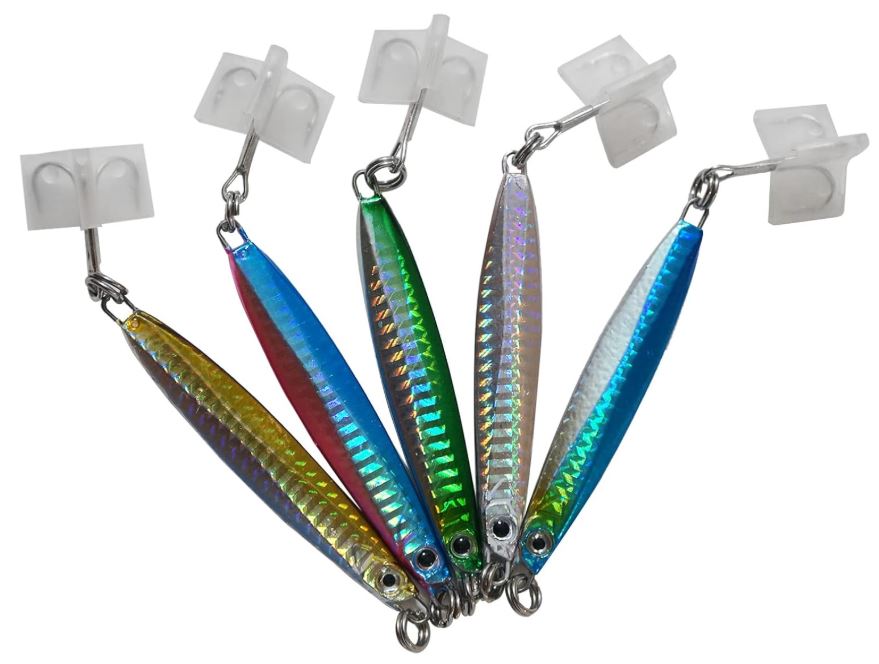
    Tady 45 (4.5 oz): The all-around standard. Casts well, has a wide wobble, and catches everything. If you own one iron, own this one. Blue/white, scrambled egg, and mint are the essential colors.

    Salas 7X (3 oz): The finesse option. Lighter weight matches smaller bait profiles. Great when fish are picky or the bait is small. Chrome and blue/white are reliable.

    Tady A1 (6 oz): The distance iron. When you need to reach fish that are boiling far from the boat, the extra weight gets it there. Also produces a deeper, wider action that big fish prefer. Doubles as a tuna iron.

    Salas 6X (4 oz): A narrower profile than the Tady 45, the 6X has a tighter, faster wobble. Excellent when fish want a slimmer bait profile. Many anglers keep both the 45 and 6X and switch between them until the fish tell them which one they want.

    Tady 9 (3.5 oz): A compact, heavy-for-its-size jig that sinks fast and casts like a bullet. Great for wind and when you need to get the iron down quickly before retrieving on the surface.

    Hooks: Replace the factory trebles on every iron you buy with Owner ST-66 trebles in 2/0–3/0. Factory hooks are made from soft wire that straightens on yellowtail and tuna. The ST-66 is 4X strong — it’s the single most important upgrade you can make. See our hooks by species guide for the right treble size for each iron.

    Gear Setup for Surface Iron

    Iron fishing demands specific gear. A spinning reel is preferred for casting distance — the open spool design lets you launch irons much farther than a conventional reel, which matters when fish are boiling 80+ yards away.

    Reel: Spinning reel in the 6000–10000 size class with a fast retrieve ratio (6.0:1 or higher). You need to burn the iron back fast, and a high-speed reel does the work. The reel also needs a strong, smooth drag — yellowtail will smoke you in the kelp if your drag hesitates. See our yellowtail reel guide and bluefin reel guide for specific models.

    Rod: 7–8 foot medium-heavy to heavy power with a fast action. You need the backbone to launch heavy irons and the stiffness to work them aggressively on the retrieve. A soft rod kills the iron’s action. A good iron rod has a moderate butt section for leverage and a fast tip for working the jig. See our 7-foot and 8-foot rod guides for specific models.

    Line: 40–65lb braided line. Braid’s thin diameter maximizes casting distance, and the zero stretch transmits every jig movement and every bite directly. No leader needed for most iron fishing — the speed of the retrieve and the flash of the iron means fish commit before they can inspect the connection. Some anglers add a short (3-foot) 40lb fluorocarbon leader for extra-clear water or line-shy bluefin. See our fishing line guide for specific braid recommendations and our knots guide for the FG knot connection.

    For complete rod and reel pairing advice, see our best rod and reel combo guide.

    How to Cast Surface Iron

    Casting a 4.5-ounce jig is different from casting a lure. The weight is substantial, and a bad cast can be dangerous to everyone on the boat.

    The overhead cast: Point the rod at the fish, open the bail, and load the rod behind you with a smooth, controlled backswing. Drive forward with your body and arms together — the power comes from your hips and core, not just your arms. Release the line at about 45 degrees above the horizon. The jig should fly in a tight arc, not wobble or helicopter. If it helicopters, you’re not loading the rod smoothly enough.

    The sidearm cast: Used when the wind is at your back or when you need a low trajectory to reach fish just beyond casting range. Same mechanics but on a horizontal plane. Keep the rod tip low and the arc tight.

    The lob: For shorter distances, a simple underhand lob gets the iron out without the drama of a full cast. Useful when fish pop up close to the boat unexpectedly.

    Safety: Always look behind you before casting. A 4.5-ounce chunk of metal traveling at high speed will seriously injure anyone in its path. Call out “casting!” so people around you know to duck. Keep your swing controlled — wild, uncontrolled casts are dangerous and inaccurate.

    Retrieval Techniques

    The speed burn: The most common surface iron retrieve. Crank the reel as fast as you can, keeping the rod tip low and the iron skipping on or just below the surface. The speed triggers a reaction strike from competitive fish. This is exhausting — your forearm will burn after a few casts — but it’s what catches fish in a frenzy.

    The yo-yo burn: Retrieve fast, but periodically drop the rod tip and let the iron sink 5–10 feet before burning it back to the surface. This mimics a baitfish trying to dive for safety and then being forced back up. The change of direction often triggers a strike from following fish that won’t commit to a straight retrieve.

    The slow roll: A moderate-speed retrieve that keeps the iron wobbling just below the surface. Used when fish are boiling lazily or when the bite is slow. Less dramatic but can be more effective when fish aren’t in full attack mode.

    The dead stick: Cast the iron past the boil, let it sink to the depth you think the fish are at, and then begin a medium-speed retrieve. Effective when fish are feeding subsurface and not breaking the top. Watch for subtle taps.

    When to Throw Iron

    Surface iron is at its best when fish are actively feeding on the surface. Look for these signs: boiling water (fish crashing bait on the surface), birds diving and circling, bait balls getting pushed to the surface, and meter marks showing fish high in the water column.

    In SoCal, the best iron fishing happens from late spring through fall when yellowtail and bluefin tuna push into the warm water that moves in. The Coronado Islands, La Jolla kelp, Catalina, and San Clemente Island are legendary iron grounds. Check the SST chart for warm water edges where bait concentrates and predators follow.

    Surface Iron vs Other Techniques

    SituationBest Approach
    Fish actively boiling on surfaceSurface iron (speed burn)
    Fish showing but not committingSwitch to lighter iron or poppers
    Fish deep on structureYo-yo jig or flat-fall
    No surface activity, fish on meterLive bait (fly-line or slider)
    Wind killing your cast distanceHeavy iron (Tady A1) or switch to bait

    For a complete comparison of all the artificial techniques, see our jigs vs irons vs poppers guide.

    When iron isn’t working: If fish are boiling but refusing iron, try poppers — the surface commotion triggers a different response than the flash-and-speed of iron, and fish that have been seeing the same Tady 45 from every angler on the boat will sometimes eat a popper without hesitation. See our dorado lures guide and tuna lures guide for other casting options including swimbaits and spoons.

    Plan Your Trip

    The best iron bite requires warm water, bait, and active fish. Check conditions:

    Related Guides

    Tight lines!
  • How to tie a Dropper Loop Rig for Saltwater Fishing

    How to tie a Dropper Loop Rig for Saltwater Fishing

    The dropper loop rig is the workhorse of SoCal bottom fishing. If you’ve ever fished a party boat targeting rockfish, sheephead, or whitefish, you’ve seen this rig on every rail. It’s simple, effective, and lets you fish multiple baits at different depths — which is exactly what you want when you’re working structure and don’t know exactly where the fish are sitting.

    This guide covers how to tie the dropper loop knot, how to set up a complete rig, and when to use it versus a Carolina rig or other bottom rigs.

    What Is a Dropper Loop Rig?

    A dropper loop rig places one or more hooks on short loops that extend perpendicular to your main line, with a weight at the bottom. The hooks sit above the weight, suspending your baits at specific depths off the bottom. This design is different from a Carolina rig where the bait sits on the bottom — a dropper loop keeps baits up in the water column where species like rockfish, whitefish, and sheephead actively feed.

    Most SoCal dropper loop rigs run two hooks — one about 12 inches above the sinker and another 12–18 inches above that. This covers a band of water column and doubles your chances of finding where the fish are holding.

    How to Tie the Dropper Loop Knot

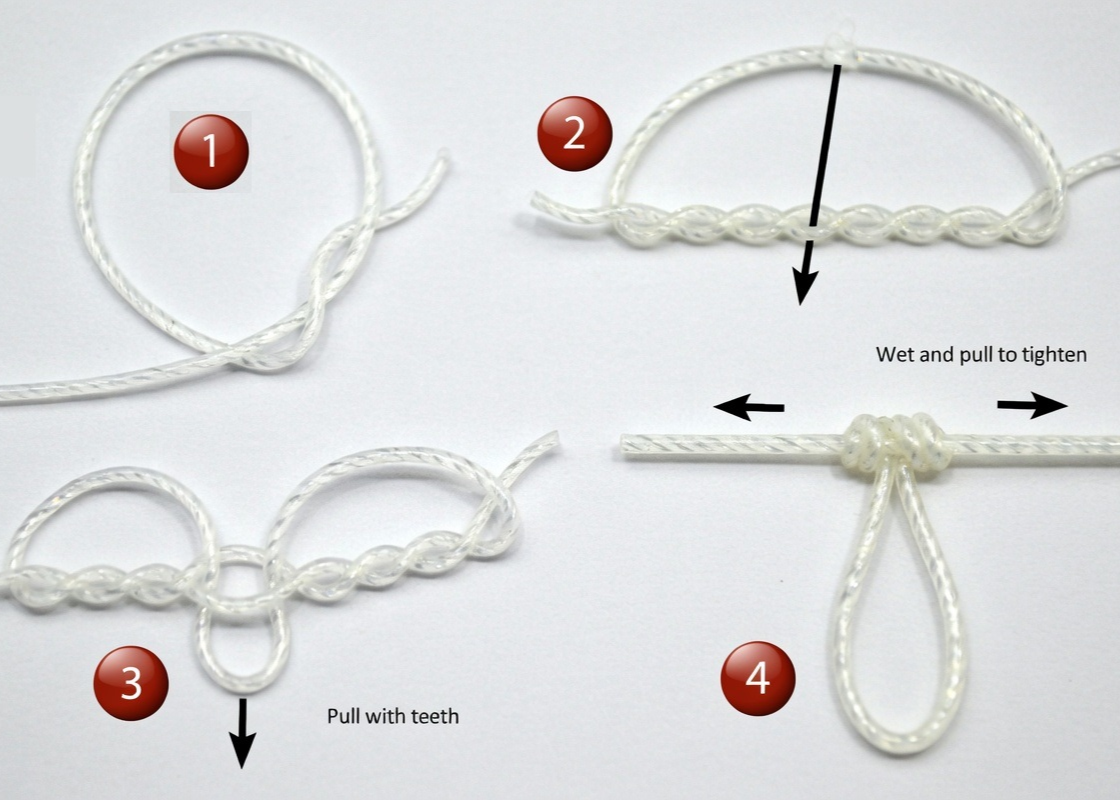
    Step 1: Form a loop in your line where you want the hook to sit. Make the loop about 4–5 inches across — this will become the arm that holds your hook away from the main line.

    Step 2: Pinch the crossing point with one hand. With the other hand, twist the loop around itself 6–8 times. The more twists, the stiffer the loop arm will be (which is what you want — it keeps the hook from tangling with the main line).

    Step 3: Find the center of your twists and push the top of the loop through the middle opening. Pull it through firmly.

    Step 4: Moisten the knot and pull both ends of the main line to tighten. The loop should stand out perpendicular to the line. If it lays flat against the line, you didn’t use enough twists — retie with more wraps.

    Step 5: Clip one side of the loop to create a single tag end, then tie your hook to this tag using a Palomar knot. Alternatively, you can pass the hook directly through the uncut loop — this lets you change hooks quickly without retying. See our complete knot guide for step-by-step instructions on the Palomar and other terminal connections.

    Repeat the process at your second hook position. Then tie a sinker to the bottom of the rig using a simple overhand loop or a snap swivel for quick weight changes.

    Complete Rig Setup

    Main line: 30–50lb fluorocarbon or heavy monofilament. Many anglers pre-tie dropper loop rigs on heavy mono and attach them to their braided main line with a swivel. This lets you swap entire rigs quickly if one gets tangled or cut off on the rocks. See our fishing line guide for specific brand recommendations by pound test.

    Hook 1 (lower): Positioned 10–14 inches above the sinker. Use a circle hook in 2/0–4/0 for rockfish and whitefish, or a J-hook if you prefer setting the hook manually. The Owner Mutu Circle (5163) in 2/0–3/0 is the go-to for dropper loop rigs — the medium wire handles rockfish and sheephead without straightening, and the circle design means jaw-corner hookups for easy releases on short fish. The loop arm should be 3–4 inches long — long enough to keep the bait away from the main line but short enough to avoid tangles.

    Hook 2 (upper): Positioned 12–18 inches above the first hook. Same hook size and style. This hook fishes higher in the water column, which often catches a different species than the lower hook.

    Sinker: 4–16 ounces depending on depth and current. For party boat fishing in 150–300 feet of water, 8–12 ounces is standard. For shallower rockfish spots (50–100 feet), 4–6 ounces works. Use a torpedo or bank sinker — their streamlined shape cuts through current better than round sinkers.

    For a complete breakdown of hook models, wire weights, and sizes for every SoCal bottom species, see our hooks by species guide.

    Best Baits for a Dropper Loop Rig

    Squid strips are the all-time top bait for dropper loop rigs — tough, stays on the hook, and catches everything. Cut a squid into strips about 3–4 inches long and 1/2 inch wide. Thread the hook through one end so the strip trails behind.

    Other top baits: shrimp (whole or pieces) for sheephead, sardine chunks for rockfish, and live anchovies when you can get them. Tip: double up by putting squid on one hook and shrimp on the other — you’ll quickly learn what the fish prefer that day.

    Tackle Setup

    Bottom fishing with a dropper loop doesn’t require the heavy offshore gear you’d use for tuna, but you still need enough backbone to haul fish up from deep structure:

    Rod: A 7-foot medium to medium-heavy rod for most party boat bottom fishing. Enough backbone to lift 8–12 ounces of lead plus a fish from 200 feet, with enough sensitivity to feel the bite.

    Reel: A 20lb class conventional reel or 30lb class for deeper water. Conventional reels are preferred over spinning reels for dropper loop fishing because the vertical drop-and-retrieve is easier to control.

    Line: 30–40lb braid as mainline with your pre-tied dropper loop rig attached via a barrel swivel. Braid’s zero stretch lets you feel bites clearly from 200+ feet, and its thin diameter cuts through current better than mono. See our braid vs fluorocarbon guide for why braid mainline with a mono/fluoro rig is the standard setup.

    Hooks: Circle hooks in 2/0–4/0 are the best choice for dropper loops — jaw-corner hookups, fewer gut-hooks, and better survival on released fish. The Owner Mutu Circle (5163) and Owner SSW Circle (5178) are both excellent for bottom fishing. See our hooks by species guide for specific models and sizes for rockfish, sheephead, and whitefish.

    For complete rod and reel pairing advice, see our best rod and reel combo guide.

    When to Use a Dropper Loop vs Other Rigs

    SituationBest RigWhy
    Bottom fish on structure (rockfish, sheephead)Dropper loopBaits suspended above rocks, less snags
    Halibut on sandCarolina rigBait right on the bottom where halibut ambush
    Surf fishingCarolina rigSlides with current, natural presentation
    Deep water party boat (200+ ft)Dropper loopTwo baits cover more water column
    Tuna on live baitFly-line rigFree-swimming bait, no weight
    Yellowtail on live baitSlider rigAdjustable depth, natural swim

    Tips for Fishing the Dropper Loop

    Drop to the bottom, then reel up 2–3 cranks. This lifts your baits into the active feeding zone and reduces snags. When you feel a bite, don’t jerk — if you’re using circle hooks, just reel tight and the hook will set itself. With J-hooks, a moderate lift of the rod is enough. Big hooksets pull the bait away from the fish more often than not.

    If you’re getting bit on one hook consistently but not the other, adjust. If the lower hook is producing, the fish are tight to the bottom — consider shortening the distance between your sinker and first hook. If the upper hook is hot, the fish are suspended — add a third dropper loop even higher.

    Pre-tie several rigs at home and store them on a rig winder. On the boat, tangles happen — having backups ready means you spend more time fishing and less time retying. Use different hook sizes on each rig so you can match what the fish want that day.

    Plan Your Trip

    Check conditions before you head out:

    Related Guides

    Tight lines!
  • Best Jigs and Irons for Yellowtail Fishing

    Best Jigs and Irons for Yellowtail Fishing

    Yellowtail are arguably the most exciting fish to catch on iron in Southern California. When they’re crashing bait on the surface at the Coronado Islands or stacked up on a reef at Catalina, having the right jig in your arsenal makes all the difference. The wrong iron means missed strikes and short fish. The right one means bent rods and screaming drags.

    This guide covers the three main categories of yellowtail jigs — surface irons, yo-yo (vertical) jigs, and casting jigs — plus the specific models that consistently produce in SoCal waters. If you’re still dialing in your yellowtail setup, check our best reel for yellowtail guide first.

    ⚡ Quick Picks by Situation

    Surface boils: Tady 45 (2.9 oz) — the SoCal gold standard, nothing beats it.

    Finesse surface: Tady 4/0 (2.6 oz) — lighter, tighter action for picky fish.

    Distance / wind: Nomad Design Slidekick (4.25 oz) — aerodynamic, casts a mile.

    Deep structure: Shimano Butterfly Flat-Fall — the fall is the bite.

    Heavy yo-yo: Tady 4/0 Heavy (6 oz) — gets down fast, stays in the zone.

    Surface Irons

    Surface iron fishing is a SoCal tradition. When yellowtail are boiling on the surface, casting a heavy metal jig into the melee and burning it back is one of the most adrenaline-pumping techniques in fishing. The iron skips and darts across the surface, imitating a panicked baitfish, and the strikes are explosive. For a full breakdown of when to throw iron vs other lure types, see our jigs vs irons vs poppers guide.

    Tady 45 (2.9 oz / 6.5″)

    Buy it on Amazon

    The Tady 45 has been catching yellowtail in SoCal longer than most of us have been fishing, and nothing has replaced it. The key for yellows is the retrieve — don’t burn it at full tuna speed. Yellowtail will track a Tady 45 for 20 feet before committing, and too fast a retrieve pulls it away from trailing fish. A moderate-fast pace — enough to look like a fleeing sardine, slow enough for followers to close — is the sweet spot. Blue/white and scrambled egg are the consistent yellowtail colors at the Coronados and Catalina. The 2.9oz weight loads a 7-foot rod cleanly for all-day casting without shoulder fatigue. Replace the factory treble with an Owner ST-36 in 1/0 or 2/0 — strong enough for yellows without the extra weight of a tuna treble that can affect the action.

    Tady 4/0 (2.6 oz / 5.74″)

    Buy it on Amazon

    The 4/0 is the yellowtail finesse iron — reach for it when you’re watching fish track the 45 without committing. The smaller profile matches anchovies and small sardines more closely, which is often exactly what yellows are keyed on when they’re being selective. Slow the retrieve slightly from your 45 pace — the tighter, faster wobble of the 4/0 at moderate speed triggers commits from fish that have already refused the bigger iron. Chrome and bone are the go-to colors when the bite is tough and fish are line-shy. It doesn’t cast as far as the 45, so keep it for situations where yellows are within range and picky rather than distant and aggressive.

    Nomad Design Slidekick Surface Iron (4.25 oz)

    Buy it on Amazon

    The Slidekick earns its spot in the yellowtail bag specifically on windy days and when fish are boiling at the outer edge of casting range. A Santa Ana headwind drops a Tady 45’s distance by 30 yards or more — the Slidekick’s aerodynamic 4.25oz profile punches through that and lands where the fish are. At the Coronado Islands during a morning yellowtail feed, those extra yards are often the difference between in the school and falling short. The dart-and-slash action differs from the Tady’s wide wobble, which can trigger aggressive yellows that have already ignored the standard irons. Reach for it second, not first — the Tady 45 is still the opener — but when distance or wind is the problem, the Slidekick solves it.

    Yo-Yo (Vertical) Jigs

    When yellowtail are holding deep on structure — reefs, wrecks, rock piles, kelp edges — yo-yo jigging is how you get them to bite. Drop the jig to the bottom, then work it back up with sharp, aggressive rod pumps. The erratic darting action triggers reaction strikes from fish that might ignore a bait drifting by.

    Tady 4/0 Heavy Yo-Yo Iron (6 oz)

    Buy it on Amazon

    The go-to deep structure iron for yellowtail. When fish are on the meter at the 9-Mile Bank or along deep kelp edges at 80–150 feet and won’t come up, the Heavy’s 6oz gets down to them fast and stays in the zone even in moderate current. The yo-yo technique for yellows is aggressive — sharp upward rod pumps followed by a controlled fall back to depth. Yellows on structure eat it on both the rise and the fall, so watch your line during the drop for a tick or sudden slack that signals a bite you’d otherwise miss. This is the iron for the Coronado Canyon edges and anywhere the captain says fish are marking deep but not coming up to chum. Works best on a 30lb class conventional reel with 50lb braid for vertical control.

    Shimano Butterfly Flat-Fall Jig (160–200g)

    Buy it on Amazon

    The Flat-Fall changed deep structure fishing for yellowtail in SoCal. Unlike traditional knife jigs, the flat-fall design flutters and spirals on the drop — and that movement is what triggers the bite. For yellowtail specifically, the eat almost always comes on the rise off the bottom, not mid-column: drop it to structure, engage the reel, and pump aggressively. The first few strokes off the bottom are when yellows commit. At the 9-Mile Bank and La Jolla reefs you’re typically working 100–140 feet of water with fish in the bottom third — the 160g handles that range cleanly on a standard 30lb setup. Pink and blue sardine are the consistent yellowtail producers. Run a single assist hook in 3/0–4/0 on the top ring only — a rear hook fouls on the bottom constantly and kills the jig’s action.

    Nomad Design Streaker Deep Water Jig — Silver Glow Stripe

    Buy it on Amazon

    The Streaker’s slow-pitch flutter works on yellowtail when conventional yo-yo jigging has gone cold. If you’ve been hammering the bottom with a Tady Heavy and marking fish that won’t react, the Streaker’s long, lazy fall gives lethargic yellows time to look and commit without requiring a reaction strike. This is most useful on slack current when fish are sluggish — the extended flutter keeps the jig in their strike zone longer than any standard vertical iron. Silver Glow Stripe is the standout color for deep yellows specifically because it maintains visibility below 100 feet where blue sardine and pink start to lose their flash. Also deadly on white seabass holding on the same structure. Pair with a dedicated slow-pitch rod — a standard jig rod dampens the effect.

    Casting Jigs

    Not every yellowtail situation calls for iron or vertical jigging. Sometimes the fish want a faster-sinking, more compact presentation — or you need a jig that works the mid-water column where bait is suspending. See our jigs vs irons vs poppers guide for a full comparison of when to throw each type.

    MUSTAD Colt Sniper Jig

    Buy it on Amazon

    The Colt Sniper covers the mid-column gap — too deep for surface iron, not deep enough to justify dropping to structure. When yellows are suspending at 30–60 feet on the meter and won’t come up for a surface iron or down to a bottom jig, count the Sniper down to their depth and work it back with a pump-and-wind retrieve. It’s also the right call when yellows are scattered along a current line rather than stacked on structure — cast, count down, cover water. The through-wire construction holds up to yellowtail’s head shakes on fish over 20 pounds pushing toward structure. A reliable mid-column option that also works on school bluefin and big bonito when they mix in with yellows.

    Shimano Current Sniper Jig

    Buy it on Amazon

    Yellowtail ambush bait along current lines and reef edges — and the Current Sniper’s asymmetric profile is built for exactly those conditions. Standard symmetrical jigs spin in moving water and look wrong to fish that are keyed on natural bait getting swept in the current. The Current Sniper darts and slashes naturally in the flow instead. Cast up-current, let it sink while the current pushes it downcurrent, and retrieve with the flow — it looks like a baitfish getting swept along a kelp edge, which is exactly how yellows want to see it. This jig is specifically effective at the Coronado Islands and along the La Jolla kelp where current runs hard against structure and positions yellowtail in predictable ambush spots.

    Color Selection

    Keep it simple. In clear SoCal water, these colors cover almost every situation:

    • Blue and white — sardine imitation, the all-around best color
    • Chrome / silver — bright days, clear water
    • Scrambled egg (blue/yellow/white) — the classic SoCal pattern
    • Mint / green — overcast days, green water. Check the chlorophyll map for water clarity
    • Pink — surprisingly deadly on yellowtail, especially on vertical jigs and flat-falls
    • Silver glow stripe — deep water where light fades, adds visibility

    Match the bait when you can — if the fish are eating sardines, go blue and white. If they’re on squid, go pink or white. When in doubt, blue and white never fails.

    When to Throw What

    SituationBest Jig TypeTop Pick
    Surface boils, breaking fishSurface ironTady 45 blue/white
    Picky fish, small baitLight surface ironTady 4/0 chrome
    Wind, need distanceHeavy surface ironNomad Slidekick 4.25oz
    Fish on deep structureYo-yo ironTady 4/0 Heavy 6oz
    Deep, fish hitting on the fallFlat-fall jigButterfly Flat-Fall 160g
    Slow bite, finicky fishSlow-pitch jigNomad Streaker Silver Glow
    Mid-water, count-downCasting jigColt Sniper
    Heavy current, reef edgesCurrent jigCurrent Sniper

    Gear to Pair with Your Jigs

    Iron and jig fishing require specific tackle to work right:

    Surface iron: A spinning reel in the 5000–8000 class — Shimano Saragosa 6000 or Twin Power 6000 — paired with a 7-foot or 8-foot heavy spinning rod. Spool with 40–50lb braided line, no leader for maximum distance.

    Yo-yo jigging: A 30lb class conventional reelPenn Squall II 25N or Shimano Talica 12 — on a 7-foot medium-heavy rod. Spool with 50lb braid and 40lb fluorocarbon leader connected with an FG knot.

    Casting jigs: Either spinning or conventional works. A 20lb class spinning reel like the Saragosa 5000 is versatile for lighter casting jigs, or step up to the 30lb class for heavier models.

    Hooks: Rig flat-falls and vertical jigs with single assist hooks (3/0–5/0) — far better hookup ratio than treble hooks. See our hooks by species guide for specific sizes. Use J hooks on assist rigs for jigs, not circle hooks — you need the instant hookset on reaction strikes.

    For complete rod and reel pairing advice, see our best rod and reel combo guide, and check our fishing line guide for specific braid recommendations.

    Frequently Asked Questions

    What is the best all-around yellowtail jig?

    The Tady 45 (2.9 oz). It’s been the #1 surface iron in SoCal for decades and catches yellowtail in virtually every surface-feeding situation. If you buy one iron, buy a blue/white Tady 45.

    What jig should I use when yellowtail are deep?

    Start with a Shimano Butterfly Flat-Fall (160g) — pump it aggressively off the bottom and yellows eat it on the rise. If that’s not working, switch to a Tady 4/0 Heavy (6 oz) for an aggressive yo-yo presentation, or try the Nomad Streaker for a slower approach on lethargic fish.

    What’s the difference between surface iron and yo-yo iron?

    Surface irons are cast and retrieved fast across the top of the water for fish that are boiling. Yo-yo irons are dropped vertically and worked up with rod pumps for fish on deep structure. Different techniques for different situations — see our complete comparison guide.

    What reel do I need for iron fishing?

    For surface iron: a spinning reel in the 5000–8000 class like the Saragosa 6000. For yo-yo jigging: a 30lb conventional like the Penn Squall II 25N. See our yellowtail reel guide for complete recommendations.

    What rod length is best for casting iron?

    A 7-foot rod for general versatility, or an 8-foot rod for maximum casting distance when fish are boiling out of reach. The 8-footer gets you 15–20% more distance but is more tiring over a full day.

    What water temperature do yellowtail like?

    Yellowtail bite best in 62–70°F water, with the sweet spot at 64–68°F. Check our yellowtail temperature guide for seasonal patterns and how to use the SST chart to find them.

    Plan Your Trip

    Yellowtail follow warm water and bait. Check the conditions before you go:

    Related Guides

    Tight lines!
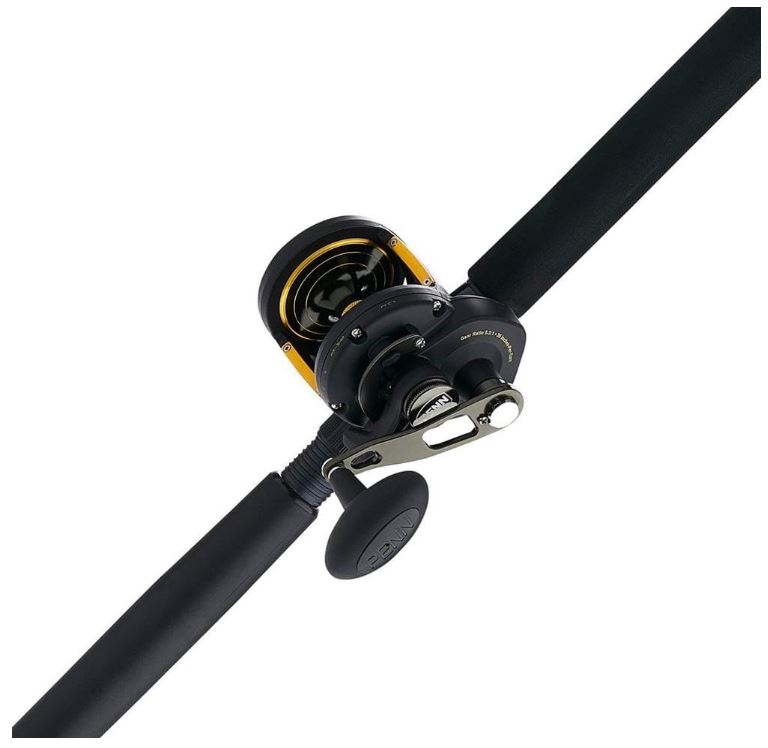
  • Best Saltwater Rod and Reel Combos for SoCal Fishing

    Best Saltwater Rod and Reel Combos for SoCal Fishing

    Buying a rod and reel separately gives you the most flexibility, but a well-matched combo can save you money and get you on the water faster. The key is knowing which combos actually work for SoCal species — because a combo built for bass fishing or East Coast stripers won’t cut it when a yellowtail peels 200 yards of line off your reel at the Coronado Islands.

    This guide covers the best combos for every major SoCal application: party boat fishing, private boat offshore runs, surf fishing, and targeting specific species. If you’re not sure whether you need spinning or conventional, start there first.

    How to Choose a Saltwater Combo

    The biggest mistake people make is buying a combo rated too light for SoCal offshore fishing or too heavy for the inshore species they actually target. Here’s how to think about it.

    Match the combo to the line class. SoCal fishing breaks down into a few line class buckets. A 15–20lb setup covers bass, bonito, calico, and light yellowtail. A 25–30lb setup handles yellowtail, white seabass, and smaller tuna. A 40lb+ setup is for bluefin, big yellowfin, and anything that might run you into your backing. And a dedicated surf setup is its own category entirely.

    Rod material matters. Graphite rods are lighter and more sensitive — ideal for feeling a jig strike or a subtle bait bite. Fiberglass and composite rods are tougher and more forgiving, better for bait fishing and heavier applications. See our graphite vs fiberglass guide for the full breakdown.

    Reel quality is where you shouldn’t cut corners. The reel is the most critical component. A smooth drag system and solid gear train are non-negotiable for any fish that runs. A decent rod with a great reel will outperform a great rod with a mediocre reel every time.

    Best Combos by Application

    Best Party Boat Combo: Penn Squall II / Carnage II (25–30lb class)

    Buy it on Amazon

    This is the do-everything SoCal party boat setup. The Squall II lever drag reel has smooth, reliable drag that handles yellowtail, white seabass, and bonito without breaking a sweat. The Carnage II rod is a graphite composite blank with enough backbone for big fish but enough tip sensitivity to feel your bait. Spool it with 40lb braid and a fluorocarbon leader and you’re set for 90% of what the party boats encounter. This is the setup you’ll see on the rail at every SoCal landing.

    Best Budget Party Boat Combo: Daiwa BG / BG MQ Combo (20–25lb class)

    Buy it on Amazon

    The Daiwa BG spinning reel has been the go-to budget performer in SoCal for years, and for good reason — the drag is butter smooth and the construction is tank-like for the price. Paired with a BG rod in the 7-foot medium-heavy range, this combo handles everything from calico bass to respectable yellowtail. It’s a spinning setup, so it’s easier for newer anglers to use, and the open-face design lets you cast jigs and swimbaits effectively. See our yellowtail reel guide for more options in this class.

    Best Bluefin / Heavy Offshore Combo: Shimano Talica / Teramar Bluewater(40–60lb class)

    Buy reel on Amazon

    Buy rod on Amazon

    When you’re chasing bluefin tuna or dropping on cow yellowtail, you need serious gear. The Shimano Talica two-speed reel is legendary in SoCal tuna fishing — the two-speed lets you winch fish up from deep while the drag system handles brutal initial runs. Paired with a Teramar rod in the 6’6″ to 7′ heavy range, this combo has the power to stop a 100-pound fish and the quality to last for years. Not cheap, but this is the setup that lands the fish everyone else loses. Check our best reel for bluefin guide for more tuna reel options.

    Best Surf Combo: Penn Battle III / Prevail II (15–20lb class)

    Buy reel on Amazon

    Buy rod on Amazon

    A spinning combo is the right call for 95% of SoCal surf fishing. The Battle III in 4000–5000 size has sealed construction that handles sand and salt, smooth drag for halibut runs, and holds plenty of 20lb braid. The Prevail II rod at 10 feet gives you the casting distance you need to reach the outer sandbars. Together, this combo handles halibut, corbina, perch, and the occasional surprise bat ray. See our surf casting rod guide and surf fishing reel guide for standalone alternatives.

    Best Light Line / Finesse Combo: Shimano Stradic / Fenwick HMG (12–15lb class)

    Buy reel on Amazon

    Buy rod on Amazon

    For targeting calico bass in the kelp, fishing light iron for bonito, or throwing small swimbaits for spotted bay bass, you want a lighter combo with sensitivity. The Stradic is one of the smoothest spinning reels in its class with virtually zero startup inertia. The Fenwick HMG in 7-foot medium-fast gives you the sensitivity to feel every head shake and the backbone to pull fish out of structure. This is a finesse setup — don’t take it to the bluefin grounds — but for everything else, it’s a blast to fish.

    Best “One Rod Does Everything” Combo: Penn Clash III / Carnage III (20–30lb class)

    Buy reel on Amazon

    Buy rod on Amazon

    If you can only own one combo for SoCal, this is it. The Clash III spinning reel covers the widest range of applications — light enough for casting jigs and heavy enough for live bait drops on bigger fish. The Carnage III rod in 7-foot medium-heavy gives you versatility across species. You can take this combo on a party boat for yellowtail, throw surface irons at breaking fish, soak a bait for white seabass, or even use it from the rocks. It won’t be the best tool for any single job, but it’ll handle all of them respectably.

    How to Spool Your Combo

    No matter which combo you pick, line choice is critical. For SoCal saltwater, braided line as your main line with a fluorocarbon leader is the standard. Braid gives you more line capacity, better sensitivity, and longer casts. Fluorocarbon leader provides abrasion resistance and near-invisibility in clear SoCal water.

    General line recommendations: 20–30lb braid for party boat setups, 40–65lb braid for bluefin rigs, 15–20lb braid for surf fishing. Leader should typically be 1.5–2x your braid strength in fluorocarbon.

    Plan Your Trip

    Got your combo? Check the conditions before you head out:

    Tight lines!
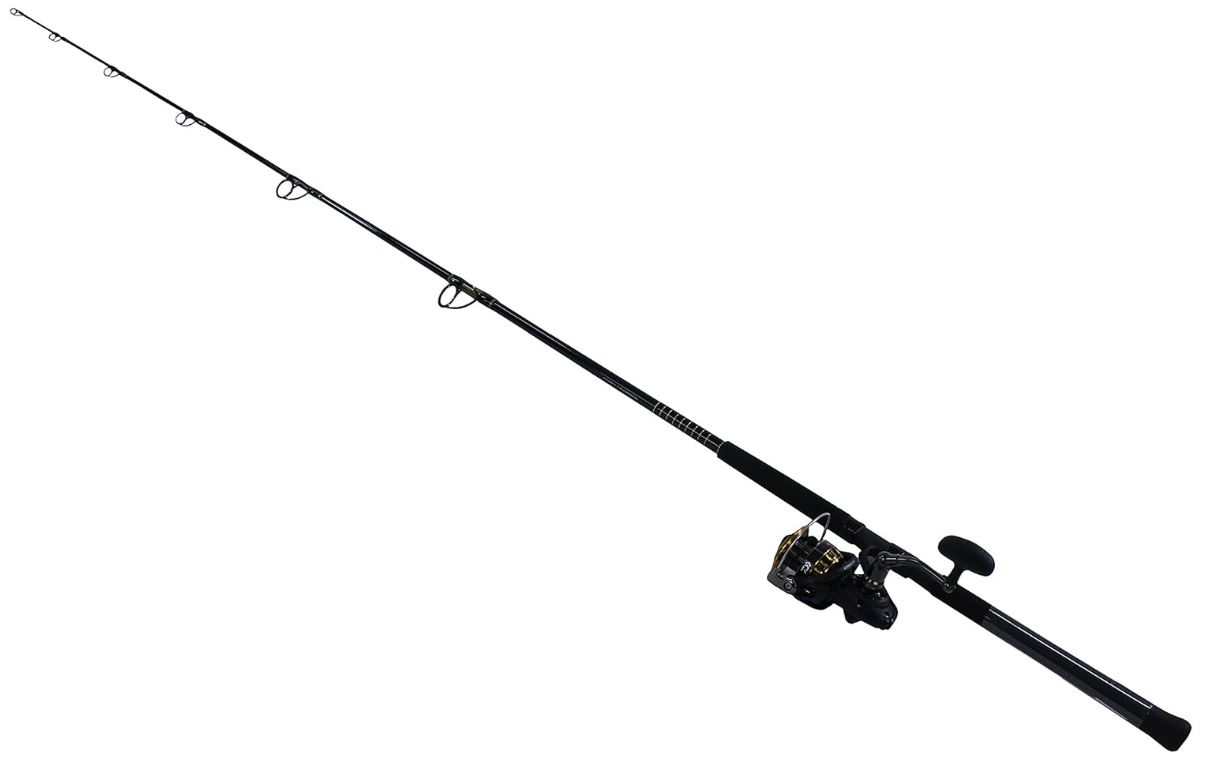
  • Best Reels for Bluefin Tuna — What You Actually Need

    Best Reels for Bluefin Tuna — What You Actually Need

    Bluefin tuna are the most demanding fish you’ll hook in Southern California waters. A 50-pound bluefin can run 300 yards in the first burst, fight for 30+ minutes, and put sustained pressure on your drag system that most reels simply can’t handle. When your reel fails on a bluefin, you don’t get a second chance.

    This guide covers exactly what you need in a bluefin reel — drag power, line capacity, two-speed vs. single speed, and where to put your money at every budget level.

    ⚡ Short Answer

    Most SoCal bluefin anglers need a two-speed conventional reel in the 40–50lb class with at least 25 lbs of max drag and 500+ yards of 50lb braid capacity. That covers everything from school-size 30-pounders to the occasional cow.

    👉 See our top picks: Best 40lb+ Reels for Tuna Fishing — specific models reviewed with pros, cons, and pricing.

    ⚡ Quick Picks

    Best overall: Shimano Talica 16 II — the SoCal bluefin standard. Smooth two-speed, 25+ lbs of drag.

    Best for giants: Shimano Talica 20 II — more drag, more capacity for 150+ lb fish.

    Best premium: Accurate Fury FX2 500N — smoothest drag in the business, built in California.

    Best value: Penn Fathom II 30 SD — legitimate tuna reel at a fraction of the price.

    Best spinning: Shimano Saragosa SW 14000 — for casting iron to surface bluefin.

    Now here’s everything you need to know to make the right choice.

    What a Bluefin Reel Must Have

    Drag: 25–40+ lbs of max drag. This is the single most important spec. Bluefin make long, powerful runs and you need to apply serious pressure to turn them before they spool you or reach structure. Your reel should deliver at least 25 lbs of max drag — and the drag must stay smooth and consistent under sustained load. Carbon fiber drag washers that dissipate heat are essential. Cheap drags overheat and fade, and a bluefin will exploit that instantly.

    Line capacity: 500+ yards of 50–65lb braid. A big SoCal bluefin can run 200–300 yards on the first pull. You need a minimum of 500 yards of heavy braided line (50–65lb) to survive those runs with a safety margin. Running out of line on a tuna is one of the most frustrating experiences in fishing — don’t let it happen. See our best fishing line by pound test guide for specific braid recommendations.

    Two-speed gearing. This is nearly non-negotiable for serious bluefin fishing. Two-speed reels let you switch between high gear (for fast retrieves and surface work) and low gear (for grinding power when a tuna goes deep and decides to circle). Fighting a 50+ pound fish from 200 feet deep in high gear only will destroy your back and potentially your reel gears.

    Heavy-duty construction. Machined aluminum frame, stainless steel gears, sealed bearings. Bluefin fights put extreme stress on every component. Stamped frames flex under load, weak gears strip, and unsealed bearings corrode. This is not the place to cut corners.

    Conventional vs Spinning for Bluefin

    Conventional reels are the standard for bluefin tuna. They deliver more drag power, more line capacity, and two-speed gearing — all critical advantages for this species.

    Large spinning reels (10000–18000 size) are used by some experienced anglers, particularly for casting poppers and stick baits to surface-feeding tuna. But spinning reels at this size are expensive, heavy, and their drag systems generally don’t hold up as well as conventional under prolonged stress. For the vast majority of anglers, conventional is the right choice.

    Reel Size Classes for Bluefin

    40lb class (medium conventional): The starting point for bluefin fishing. Handles fish in the 30–60lb range effectively. Good for school-size bluefin that SoCal boats encounter on day trips. Holds 500+ yards of 50lb braid with adequate drag. See our full 40lb+ reel reviews →

    50lb class: The sweet spot for SoCal bluefin. These reels hold 600+ yards of 65lb braid and deliver 30+ lbs of smooth drag. This is what most serious bluefin anglers run on overnight trips out of San Diego. They handle everything from 40-pound school fish to the occasional 100+ pound cow.

    60–80lb class (large conventional): For targeting trophy bluefin over 100 lbs or fishing long-range trips where you might encounter giant tuna. These are heavy, expensive reels that most anglers don’t need for typical SoCal bluefin. But if you’re making multi-day trips to Guadalupe Island or fishing known big-fish zones, stepping up makes sense.

    Not sure what class you need? If this is your first dedicated tuna reel, go with the 40–50lb class. It covers 90% of SoCal bluefin scenarios and pairs perfectly with a quality 8-foot offshore rod.

    Top Bluefin Reels by Budget

    For detailed reviews with specific models, features, and current pricing, see our Best 40lb+ Reels for Tuna Fishing guide. Here’s what to prioritize at each budget level:

    Entry level ($250–$400): At this price, you can find a solid two-speed conventional reel with 20+ lbs of drag and enough capacity for 50lb braid. These reels handle school-size bluefin (20–50 lbs) well. Look for carbon fiber drags and an aluminum frame. Penn and Shimano both offer strong options here.

    Mid-range ($400–$700): This bracket gets you into reels with 30+ lbs of max drag, larger spools for 600+ yards of heavy braid, and significantly better gear quality. Two-speed is standard at this price. These reels can handle bluefin up to 80+ lbs and are the most popular choice for SoCal overnight trips. Shimano, Daiwa, Okuma, and Penn all compete aggressively here.

    Premium ($700–$1,200+): Top-tier bluefin reels with 35–50 lbs of drag, precision machined components, and the kind of build quality that handles hundred-pound fish without breaking a sweat. Accurate, Shimano Talica/Trinidad, and Avet are the names most SoCal tuna anglers reach for at this level. These are buy-it-once reels that will last years of hard use.

    Setting Up Your Bluefin Reel

    Line: Spool with 50–65lb braid. Some anglers add a mono topshot (first 50–100 yards of mono over the braid) to provide stretch that cushions the initial strike and helps prevent pulled hooks on bait presentations. Our fishing line guide covers the best brands at every pound test.

    Leader: 40–80lb fluorocarbon, 6–15 feet long. Leader length depends on water clarity — clear water calls for longer leaders so the visible braid is farther from the fish. Connect braid to fluoro with an FG knot.

    Terminal: Circle hooks (4/0–7/0) for live bait, or various jigs and poppers for artificial presentations. Palomar knot or San Diego Jam for terminal connections — see our fishing knots guide for step-by-step instructions.

    Hooks: Check our best hooks by species guide for specific hook sizes and styles matched to bluefin presentations.

    Drag setting: Set your strike drag at about 1/3 of your weakest connection (usually the leader). For 60lb fluoro leader, that’s about 20 lbs of strike drag. Set it at home with a scale — don’t guess on the water. You can bump drag up during the fight once the fish is hooked and the line is already under tension.

    Rod Pairing

    A bluefin reel needs to be matched with the right rod:

    Bait fishing: An 8-foot medium-heavy to heavy rod with moderate action. The length provides lifting leverage and the moderate flex cushions the line during surges. Fiberglass or composite blanks are preferred for their shock absorption.

    Jigging: A shorter 5.5–6.5 foot heavy-action rod with a fast tip. These are stiffer for working jigs and have the backbone to fight fish vertically. Graphite or composite blanks work well here.

    Casting poppers/iron: A 7-foot to 8-foot heavy-action rod with a fast tip for launching heavy poppers and surface irons. This is where graphite rods excel — lighter weight for repeated casting.

    For complete rod and reel pairing advice, see our best rod and reel combo guide.

    Common Mistakes

    Underspending on the reel. Bluefin is the one species where a cheap reel will cost you fish. A $150 reel that “works fine for yellowtail” will fail when a 60-pound bluefin tests the drag for 20 straight minutes. Budget at least $300+ for a dedicated bluefin reel.

    Not enough line capacity. If you can’t hold 500+ yards of 50lb braid, you’re gambling every time a big fish takes a long run. Don’t put yourself in a position where you’re staring at a spool with 20 yards left and a fish still running.

    Single-speed for big fish. A single-speed reel can catch bluefin, but you’ll work three times as hard during the fight. When a tuna goes deep and starts circling, you need low gear. Paying the premium for two-speed is one of the best investments in tuna fishing.

    Not testing drag before the trip. Set your drag at home with a scale. Most anglers run their drag too loose because they’re afraid of breaking off. On bluefin, you need serious drag pressure to control the fight. Know your numbers before you leave the dock.

    Frequently Asked Questions

    What size reel do I need for bluefin tuna?

    A 40–50lb class two-speed conventional reel covers most SoCal bluefin scenarios. For school-size fish (30–60 lbs), the 40lb class is ideal. For targeting larger fish on overnight or multi-day trips, step up to a 50lb class for extra line capacity and drag power.

    Can I use a spinning reel for bluefin?

    You can, but conventional reels are strongly preferred. Spinning reels in the 10000–18000 size work for casting poppers to surface fish, but they lack the two-speed gearing and sustained drag performance that conventional reels provide for extended bluefin fights.

    How much drag do I need for bluefin tuna?

    At least 25 lbs of max drag for school-size bluefin, and 30–40+ lbs for larger fish. The drag must be smooth and heat-resistant — carbon fiber drag washers are essential. Set your strike drag at 1/3 of your weakest connection.

    What line should I use for bluefin tuna?

    50–65lb braided line with a 40–80lb fluorocarbon leader. You need at least 500 yards of braid on the spool. See our best fishing line guide for specific brand recommendations at every pound test.

    What’s the best rod to pair with a bluefin reel?

    An 8-foot medium-heavy to heavy rod is the most versatile choice. Fiberglass or composite blanks absorb shock better during long fights. See our combo guide for matched pairings.

    Plan Your Bluefin Trip

    Related Guides

    Tight lines!