• Best Swimbaits for Halibut Fishing

    Best Swimbaits for Halibut Fishing

    Swimbaits have become the most popular artificial lure for targeting California halibut, and for good reason. A well-presented soft plastic swimbait imitates the small baitfish and sand-dwelling prey that halibut eat every day. Unlike live bait, you can fish swimbaits all day without worrying about your bait dying, you can cover more ground with active retrieves, and you can fish water that’s hard to reach with bait — sandy pockets between rocks, shallow flats, and narrow troughs in the surf.

    This guide covers the best swimbaits for halibut, how to rig them, and the techniques that consistently produce fish from boats, kayaks, and the beach.

    ⚡ Quick Picks

    Best overall: Big Hammer 4″ — the SoCal halibut standard. Strong paddle tail, proven colors, catches everywhere.

    Best for surf (hard body): Lucky Craft FlashMinnow 110 — suspends 1–2 ft deep, killer jerkbait action for halibut in the troughs.

    Best for clear water: Berkley Gulp! 4″ Swimming Mullet — scent-infused, draws cautious fish that won’t commit to unscented plastic.

    Best for surf (soft plastic): Z-Man MinnowZ 3″ — nearly indestructible ElaZtech survives rocks and dozens of fish.

    Best for deep water: Keitech Swing Impact FAT 4.8″ — oversized profile triggers bigger halibut at depth.

    Best hard body: Lucky Craft Gunfish — tight natural action for shallow bays and flats.

    When to Throw What

    SituationBest SwimbaitJig HeadWhy
    Surf troughsLucky Craft FlashMinnow 110N/A (hard body)Suspends 1–2 ft deep, jerk-and-pause triggers halibut in shallow troughs
    Surf (sandy bottom)Z-Man MinnowZ 3″1/4–1/2 oz roundIndestructible in rocks, buoyant tail kicks at slow bottom-drag speeds
    Heavy surf / currentBig Hammer 4″1/2–3/4 oz footballStrong vibration cuts through turbulence
    Clear calm waterGulp! Swimming Mullet1/4–3/8 oz roundScent draws cautious fish in high-visibility conditions
    Bay flats (5–15′)Lucky Craft GunfishN/A (hard body)Consistent depth, lifelike action, excellent hookup ratio
    Boat drift (20–40′)Big Hammer 4″1/2–3/4 oz roundProven all-around producer at moderate depth
    Deep structure (40–60′)Keitech 4.8″3/4–1 oz footballOversized profile draws big halibut, strong flutter on fall
    Slow bite / finickyGulp! Swimming Mullet1/4 oz round (dead stick)Scent trail converts followers, dead-stick patience
    Rock / reef transitionsZ-Man MinnowZ 3″3/8 oz dartSurvives snags, dart head triggers staged fish

    Best Soft Plastic Swimbaits

    Best Overall: Big Hammer 4″ Swimbait
    Buy it on Amazon

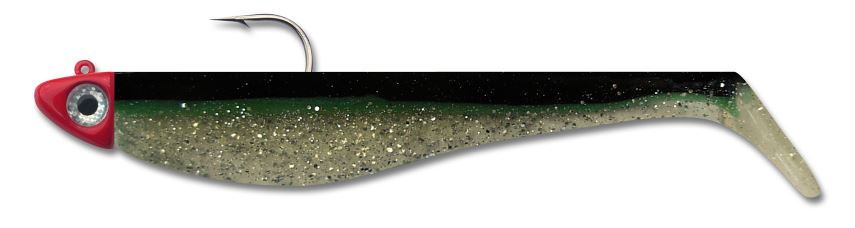
    The Big Hammer has been catching SoCal halibut for years and remains the benchmark. The wide paddle tail creates a strong, thumping vibration that halibut can detect from distance — important because halibut use their lateral line to sense prey movement in low-visibility conditions. The 4-inch size matches the small smelt and gobies that halibut feed on along sandy bottom. Smelt, sardine, and glow/chartreuse are the money colors. Rig on a 1/2 oz round jig head with a 4/0 wide-gap hook and drag it across sandy bottom — this is the setup that consistently produces from party boats, drift boats, and the surf. If you only buy one halibut swimbait, this is it.

    Best Hard Body for Surf: Lucky Craft FlashMinnow 110
    Buy it on Amazon

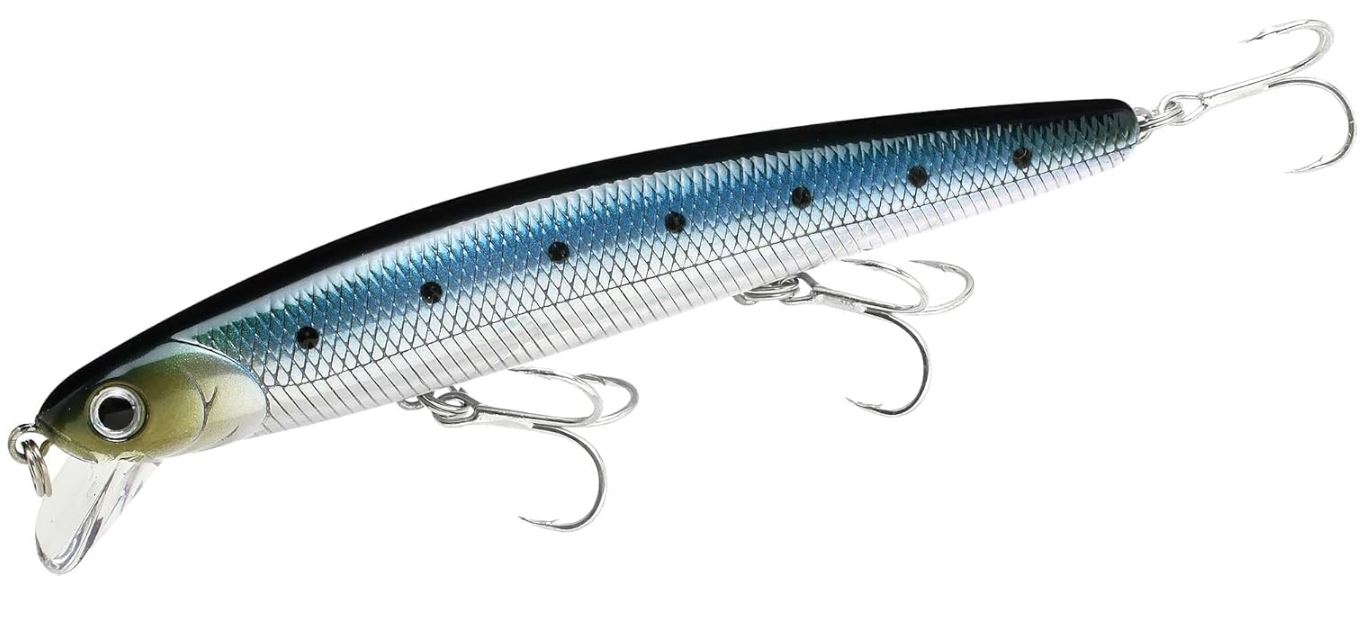
    The FlashMinnow 110 is the lure that changed SoCal surf halibut fishing. Part of Lucky Craft’s California Inshore Fishing (CIF) series, this 4.5-inch suspending jerkbait runs just 1–2 feet below the surface — right where halibut are looking up for prey in the troughs. The weight-shift system launches it well past the breakers, and the tight side-to-side action on a jerk-and-pause retrieve is irresistible. When you stop reeling, the FlashMinnow suspends in place and wobbles — that pause is when halibut strike. Corrosion-resistant VMC treble hooks come standard, and the hookup ratio is excellent since halibut commit hard on the pause. Metallic sardine and pearl white are the go-to colors. Fish it on a 7’6″–8′ medium to medium-heavy rod with 15–20lb braid and 12–15lb fluoro leader. Where soft plastics drag the bottom, the FlashMinnow covers the upper water column — carry both and you have the entire strike zone covered.

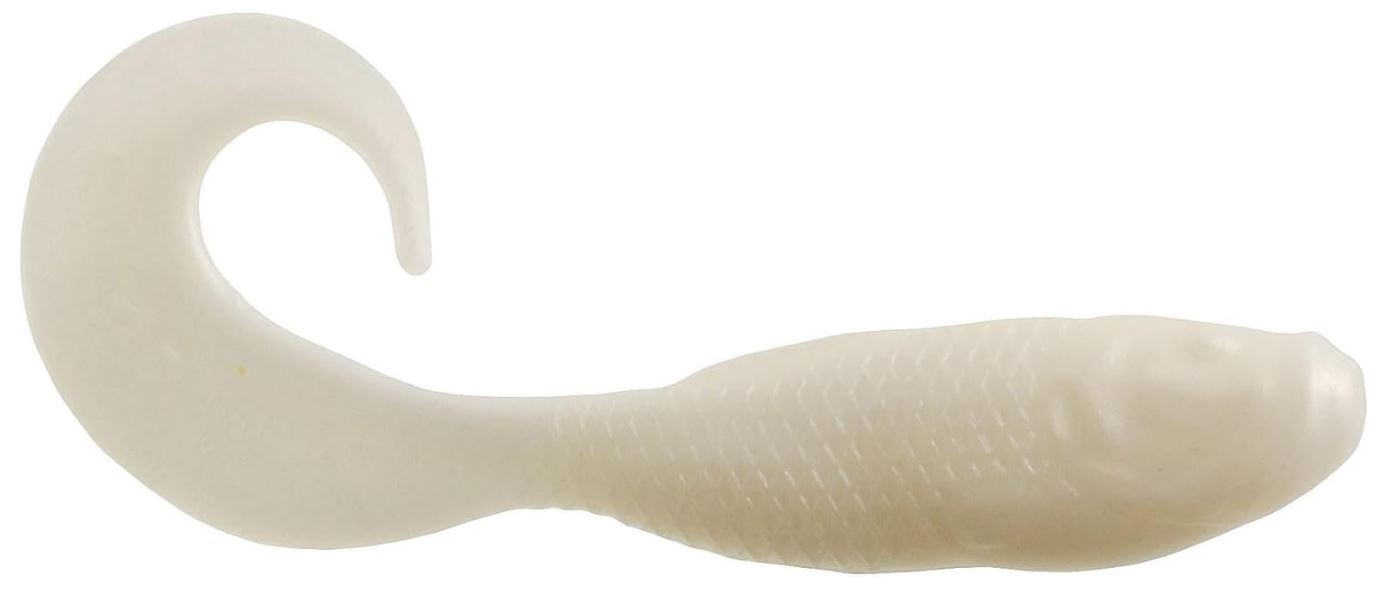
    Best for Clear Water: Berkley Gulp! 4″ Swimming Mullet
    Buy it on Amazon

    The Gulp! line infuses scent into the soft plastic, which gives you an edge in clear water where halibut can be cautious. The swimming mullet profile is a natural match for SoCal forage species, and the scent trail draws fish that might shy away from an unscented lure. Especially effective when halibut are in ambush mode and not actively chasing — the scent encourages them to commit when the visual alone wouldn’t. Pearl white and new penny are top producers. Also the best choice for the dead-stick technique — let the Gulp! sit on the bottom and the scent does the work while you wait. Keep them in their original bag juice when not in use; they dry out and lose effectiveness if stored improperly.

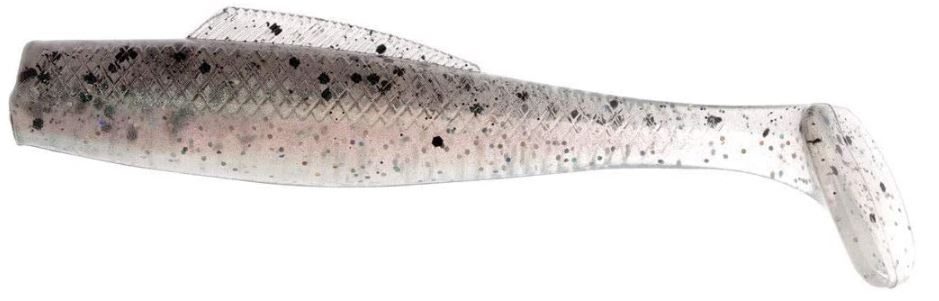
    Best for the Surf: Z-Man MinnowZ 3″
    Buy it on Amazon

    The Z-Man’s ElaZtech material is nearly indestructible — it survives dozens of fish, rocky bottom, and the abuse of surf casting without tearing. The smaller 3-inch profile matches the sand crabs and small baitfish that halibut eat in the surf zone. Rig it on a light jig head (1/4–1/2 oz) and work it through the troughs on a slow, bottom-bouncing retrieve. The material’s buoyancy keeps the tail kicking even at very slow speeds — critical in the surf where you need to creep the bait along the sand. Pair with a 4000–5000 spinning reel and 15–20lb braid for a deadly surf halibut setup.

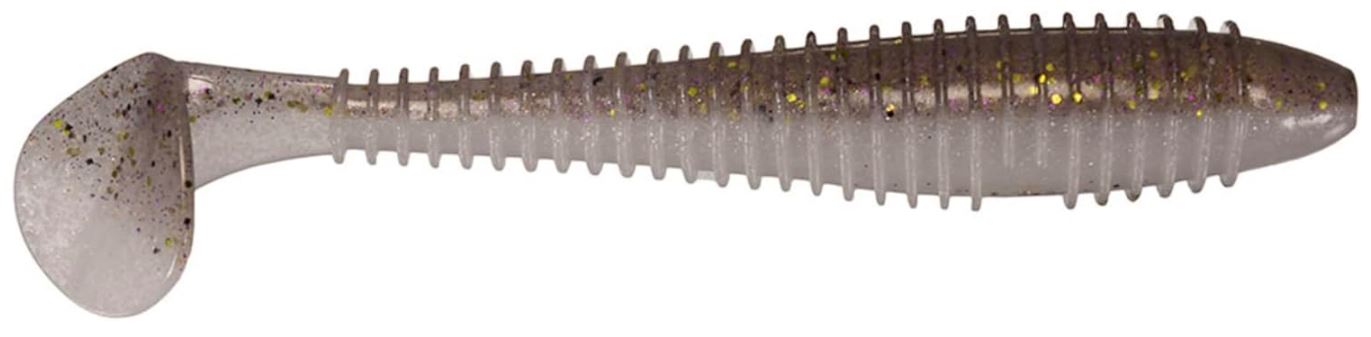
    Best for Deep Water: Keitech Swing Impact FAT 4.8″
    Buy it on Amazon

    When you’re fishing halibut from a boat in 30–60 feet of water, you need a swimbait with enough size and action to draw attention at depth. The Keitech’s ribbed body creates subtle vibrations on the fall, and the fat paddle tail thumps hard even on a slow retrieve. The 4.8-inch size stands out on the bottom and triggers strikes from bigger halibut that won’t bother with a 3-inch bait. Sexy shad and bluegill are the standard colors. Rig on a 3/4–1 oz football head to maintain bottom contact in current — the football shape keeps it tracking upright instead of rolling over.

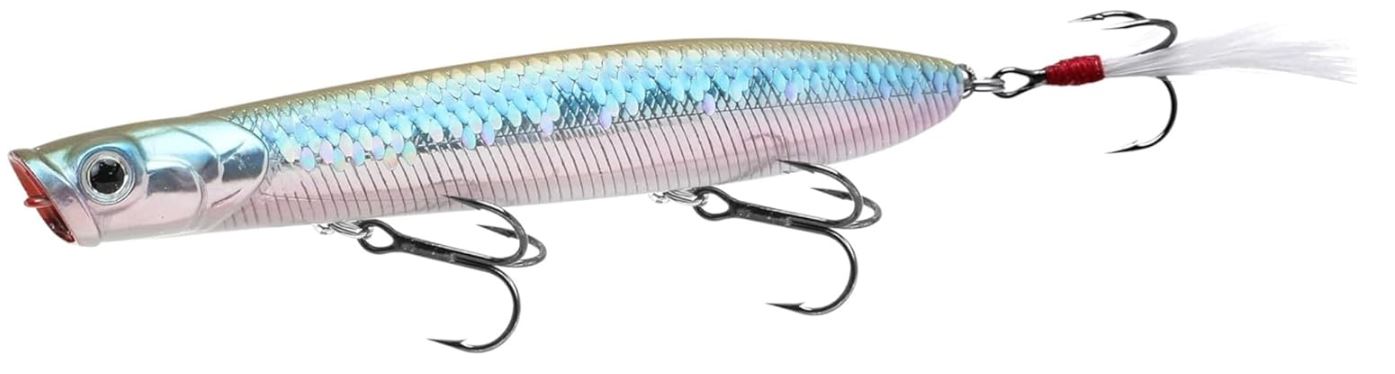
    Best for Flats and Bays: Lucky Craft Gunfish
    Buy it on Amazon

    In shallow bays and over sand flats where halibut cruise in 5–15 feet of water, a hard-body swimbait with a tight, natural action excels. These lures swim at a consistent depth on a steady retrieve and look incredibly lifelike. They’re more expensive than soft plastics and you risk losing them to snags, but the hookup ratio is excellent because the treble hooks catch fish that swipe at the lure. Trout and sardine patterns are most effective. Best fished in San Diego Bay, Mission Bay, and Newport Back Bay on calm days when you can see the sandy bottom. A medium-fast 7-foot rod gives you the accuracy to cast these into tight sandy pockets.

    Jig Heads

    The jig head is as important as the swimbait itself. Weight, hook size, and head shape all affect how your swimbait fishes.

    Weight

    Match to depth and current. Use the lightest weight that maintains bottom contact — halibut eat prey that moves naturally, not lures that plummet to the sand.

    ScenarioWeightWhy
    Surf fishing1/4–3/4 ozStays near bottom in wash without sinking too fast
    Bay / flats1/4–1/2 ozLight weight for natural drift in calm, shallow water
    Boat (20–40′)1/2–3/4 ozReaches bottom on drift, holds during slow retrieve
    Boat deep (40–60′)3/4–1 ozGets to bottom fast in deeper water and current
    Heavy current1–1.5 ozMaintains bottom contact in strong tidal flow

    Hook Size

    3/0–5/0 wide-gap for most 3–5 inch swimbaits. The hook point should exit the swimbait cleanly with a wide enough gap to penetrate the halibut’s bony jaw. Cheap jig heads with thin-wire hooks bend on big halibut — invest in quality heads with forged, sharp hooks. See our hooks guide for specific hook recommendations.

    Head Shape

    Round: Works everywhere and is the default choice. Best for general slow drag retrieves over sand.

    Football: More bottom stability in current — doesn’t roll on its side as easily. Best for boat drifts and the hop technique over sand-to-rock transitions.

    Dart: Creates an erratic, darting action that can trigger strikes from following fish. Best for reef edges and structure transitions where halibut stage.

    How to Fish Swimbaits for Halibut

    The Slow Drag (Best All-Around Technique)

    Cast out, let the swimbait sink to the bottom, and retrieve with a slow, steady pace — just fast enough to keep the tail kicking. You want the jig head to tick the bottom every few feet, kicking up little puffs of sand. Halibut ambush from the bottom, and a swimbait dragging along at their eye level is irresistible. This is the technique to start with every session. Works with every swimbait on this list — the Big Hammer and Keitech are particularly effective because their strong paddle tails generate vibration even at crawling speeds.

    The Hop

    When the slow drag isn’t producing, try short, sharp rod lifts that hop the swimbait off the bottom 6–12 inches, then let it flutter back down. The falling action often triggers a strike from a halibut that was watching but not committed. Especially effective over sand-to-rock transitions where halibut stage. Use a football jig head for this — it lands upright after each hop instead of falling on its side. The Keitech 4.8″ excels here because the ribbed body creates extra flutter on the fall.

    The Jerk and Pause (Best for Hard Bodies in the Surf)

    This is the FlashMinnow 110 technique. Cast into or parallel to the trough, give two or three sharp rod twitches to make the lure dart side-to-side, then pause for 2–3 seconds. The FlashMinnow suspends at 1–2 feet and wobbles in place during the pause — that wobble is what triggers the strike. Halibut will follow the lure during the jerks and eat it on the stop. Vary your pause length until you find what they want. On some days a quick one-second pause produces; on others, a long 4–5 second pause is the key. This technique covers the upper water column that bottom-dragging soft plastics miss.

    The Dead Stick

    Cast out, let the swimbait sit on the bottom, and wait. Give it an occasional twitch — just enough to make the tail flutter — then let it sit again. This sounds boring, but halibut will sometimes sit and stare at a swimbait for 30+ seconds before finally eating it. Patience pays. Works best with scented soft plastics like the Gulp! — the scent trail does the selling while you wait. Most effective in bays and calm surf conditions where halibut are holding in ambush positions.

    Where to Fish Swimbaits for Halibut

    Surf: Work the troughs between sandbars — these channels are halibut highways. For soft plastics, cast parallel to the beach and drag the swimbait through the trough. For hard bodies, throw a FlashMinnow 110 into the trough and work it with a jerk-and-pause retrieve — the 1–2 foot running depth keeps it right in the strike zone without snagging the bottom. Read our Doheny surf fishing guide and halibut surf fishing guide for how to find these features. A light Carolina rig with a trailing swimbait is also deadly in the surf.

    Bays: San Diego Bay, Mission Bay, Newport Back Bay — all hold halibut year-round. Target the sandy flats adjacent to channels where halibut move with the tide. Fish the last two hours of incoming tide for best results. The Lucky Craft is the top choice here — steady retrieve over clean sand flats.

    Boats: Drift over sandy bottom in 20–60 feet along the coast. Watch your SST chart for water in the optimal halibut temperature range (58–68°F), and fish sandy bottom near structure transitions. The Big Hammer on a 1/2–3/4 oz head is the standard boat swimbait, with the Keitech 4.8″ for deeper water and bigger fish.

    Gear for Halibut Swimbaits

    ScenarioReelRodLineLeader
    SurfSaragosa 5000 or Spinfisher 45009–10′ mediumPowerPro 20lbVanish 15lb
    Surf (FlashMinnow)Saragosa 5000 or Spinfisher 45007’6″–8′ med-heavy fastPowerPro 15–20lbBlue Label 12–15lb
    Bay / flatsBG MQ 40007′ medium-fastPowerPro 15lbBlue Label 12lb
    BoatSaragosa 5000 or BG MQ 40007′ mediumPowerPro 20lbBlue Label 15lb

    A spinning reel in the 3000–5000 class is the standard halibut swimbait setup. Braided line in 15–20lb gives you the sensitivity to feel the bite, and a 12–15lb fluorocarbon leader provides the invisibility to fool wary halibut in clear water. Connect braid to leader with an FG knot. See our surf reel guide for beach-specific options, our 20lb reel guide for boat use, and our combo guide for complete pairings.

    Color Selection Guide

    ConditionBest ColorsWhy
    Clear water / sunnyPearl white, natural smelt, sardineMatches natural forage in high visibility
    Murky / overcastChartreuse, glow, new pennyHigh contrast makes the bait visible
    Dawn / duskDark purple, motor oil, black/redSilhouette against fading light
    Sandy bottomSand, smelt, brown/goldBlends with surroundings (match the hatch)
    Bay over grass/rockBluegill, sexy shad, troutMatches gobies and small bass

    When in doubt, start with smelt or pearl white in clear conditions, chartreuse in dirty water. If the bite is slow, switch to something dramatically different — the color change alone can trigger a following fish to commit.

    Frequently Asked Questions

    What is the best swimbait for California halibut?

    For soft plastics, the Big Hammer 4″ in smelt or sardine on a 1/2 oz round jig head is the all-around best producer — it’s the swimbait that more SoCal halibut have been caught on than any other. For the surf specifically, the Lucky Craft FlashMinnow 110 is a game-changer — the suspending jerkbait action triggers aggressive strikes in the troughs. For clear water, add the Gulp! Swimming Mullet to your bag — the scent converts followers.

    What size swimbait for halibut?

    3–4 inches covers 90% of SoCal halibut fishing. Use 3″ (Z-Man MinnowZ) in the surf and shallow bays, 4″ (Big Hammer) from boats and in deeper water, and 4.8″ (Keitech) when targeting bigger halibut at depth. Larger swimbaits generally draw larger fish but get fewer total bites.

    How do you rig a swimbait for halibut?

    Thread the swimbait onto a round or football jig head (1/4–1 oz depending on depth). The hook point should exit cleanly from the back of the bait with plenty of gap between the hook point and the body. Make sure the swimbait hangs straight on the hook — a crooked bait spins instead of swimming, which kills the action and spooks fish.

    Can I use swimbaits for halibut in the surf?

    Absolutely — swimbaits are one of the most effective surf halibut techniques. For soft plastics, use a Z-Man MinnowZ 3″ or Big Hammer 4″ on a 1/4–3/4 oz jig head and slow-drag the bottom. For hard bodies, the Lucky Craft FlashMinnow 110 is deadly — it suspends 1–2 feet deep and the jerk-and-pause retrieve triggers aggressive strikes in the troughs. A 4500–5000 spinning reel on a 9–10 foot medium surf rod gives you the casting distance to reach productive water. See our halibut surf guide for finding the right spots.

    FlashMinnow or soft plastics — which should I throw in the surf?

    Both, but they cover different zones. The FlashMinnow 110 runs 1–2 feet below the surface and excels when halibut are actively looking up for baitfish in the troughs — work it with a jerk-and-pause retrieve. Soft plastics like the Big Hammer and Z-Man drag the bottom and target halibut in ambush mode on the sand. Start with the FlashMinnow to cover water quickly, then switch to soft plastics if the bite is slow or conditions are murky.

    What retrieve speed for halibut?

    Slow. Painfully slow. The #1 mistake anglers make is fishing swimbaits too fast. Halibut are ambush predators — they want prey that’s easy to catch. Retrieve just fast enough to keep the paddle tail kicking, letting the jig head tick the bottom every few feet. If you think you’re going slow enough, slow down more.

    What’s the best jig head weight for halibut?

    Use the lightest head that maintains bottom contact: 1/4–1/2 oz for surf and bays, 1/2–3/4 oz for boat fishing in 20–40 feet, 3/4–1 oz for 40–60 feet or heavy current. If you can’t feel the bottom, go heavier. If the bait is plummeting and sitting dead, go lighter.

    Gulp! or Big Hammer — which should I carry?

    Both. Start with the Big Hammer for its strong vibration and proven fish-catching ability. Switch to the Gulp! when the bite slows down or in clear calm conditions where the scent gives you an edge. The Gulp! is also better for dead-sticking since the scent trail attracts fish while the bait sits still. Carry both and you’re covered for any condition.

    Plan Your Trip

    Check conditions before targeting halibut:

    Related Guides

    Tight lines!

  • Best Surf Fishing Reels for Southern California

    Best Surf Fishing Reels for Southern California

    Surf fishing in Southern California puts unique demands on your reel. You need casting distance to reach beyond the breakers, drag power to handle halibut, white seabass, and corbina, plus corrosion resistance to survive constant sand and salt spray. The wrong reel will corrode in weeks, seize up with sand, and leave you fighting your equipment instead of fish.

    The right surf reel is a spinning reel — specifically a 4000–6000 size with sealed bearings, smooth drag, and enough capacity for 200+ yards of 20lb braid. Here are the reels that survive the surf and catch fish.

    ⚡ Quick Picks

    Best overall: Penn Spinfisher VII 4500 — IPX5 sealed, 20 lbs of drag, built for the surf.

    Best budget: Daiwa BG MQ 4000 — rigid Monocoque body, punches way above its price.

    Best for big fish: Shimano Saragosa SW 5000 — 20 lbs of waterproof drag for halibut and white seabass.

    Best long cast:Penn Spinfisher VII 5500 Long Cast — shallow spool designed for maximum distance.

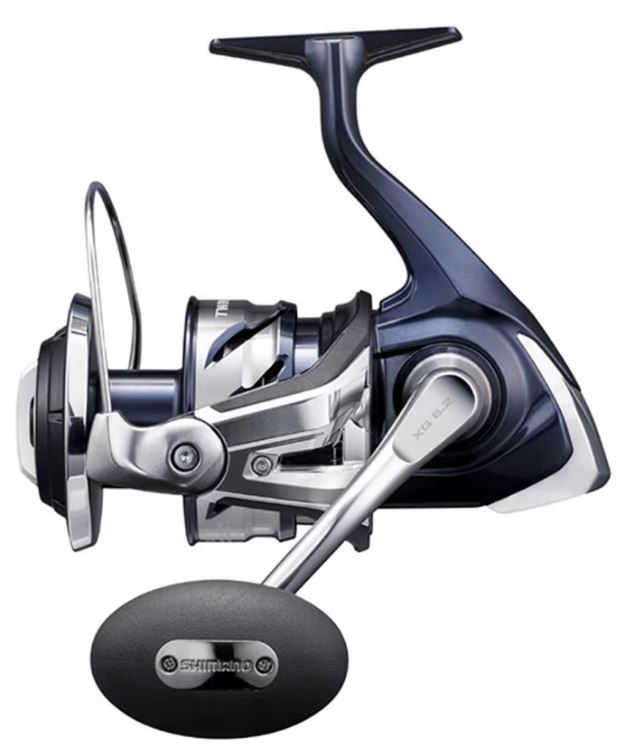
    Best premium: Shimano Twin Power SW 6000 — silky smooth, bomb-proof, the last surf reel you’ll buy.

    Why Spinning for Surf Fishing?

    Spinning reels are the clear choice for surf fishing for three reasons:

    Casting distance. Surf fishing requires long casts to reach the sand bars, troughs, and channels where fish feed. Spinning reels cast lighter weights farther than conventional, and they don’t backlash in the wind — a constant factor on SoCal beaches.

    Ease of use. When you’re standing in surf up to your waist, dealing with waves, sand, and running fish, you need a reel that works without fuss. Spinning reels have a simpler operating motion — flip the bail, cast, close the bail, retrieve.

    Light line performance. Most surf fishing uses 15–25lb braid with a fluorocarbon leader. Spinning reels handle these lighter line classes better than conventional, giving you better casting performance and more natural bait presentations. See our line guide for specific braid and fluoro recommendations.

    What to Look for in a Surf Reel

    Size: 4000–6000. This is the sweet spot for SoCal surf. A 4000 is lighter and better for long casting sessions targeting perch and corbina. A 5000–6000 gives you more drag and capacity for halibut, white seabass, and larger sharks. For most anglers, a 4500–5000 size is the best all-around choice.

    Sealed bearings and body. This is the most important feature for a surf reel. Sand and saltwater destroy open bearings in weeks. Look for reels with IPX-rated water resistance (IPX5 or higher). The Penn Spinfisher VII (IPX5) and Shimano Saragosa (X-Shield/X-Protect) both offer genuine sealed protection. Sealed bearings are the difference between a reel that lasts one season and one that lasts five years.

    Drag: 15–25 lbs. A 15-pound halibut in the surf fights harder than one on a boat because the waves and current are working against you. A good surf reel should deliver at least 15 lbs of smooth drag — 20+ lbs if you’re targeting white seabass from shore.

    Line capacity: 200+ yards of 20lb braid. You need extra capacity for long casts (which eat up 50–80 yards per cast) plus fighting room. Most of the reels below hold 300+ yards — plenty of margin.

    Gear ratio: 5:1–6:1. A medium-to-high gear ratio lets you pick up slack quickly when waves push a fish toward you, and retrieve your rig at a reasonable speed between casts. Avoid ultra-high ratios (7:1+) as they sacrifice cranking power.

    Best Surf Fishing Reels

    Best Overall: Penn Spinfisher VII 4500

    Buy it on Amazon

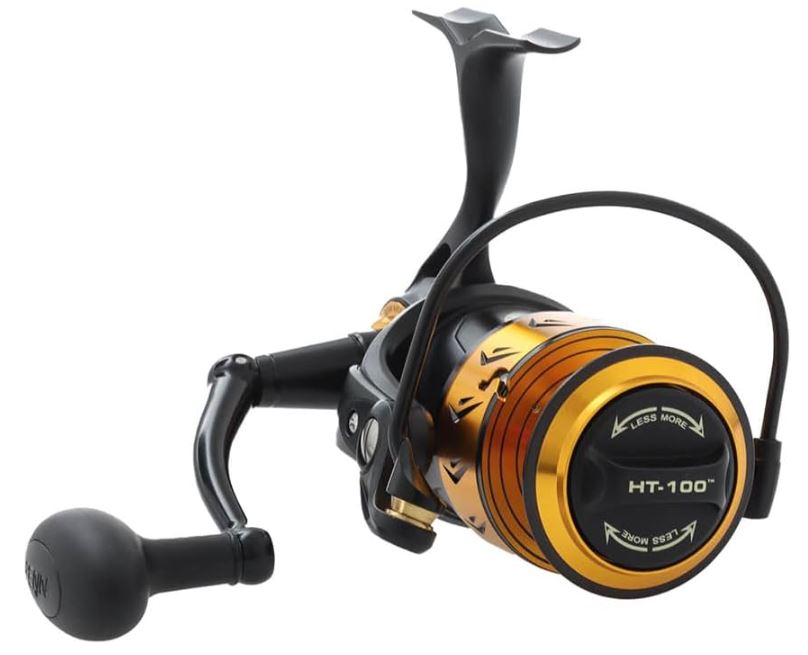
    The Spinfisher has been the go-to surf reel for decades, and the VII is the best version yet. IPX5 sealing on both the body and spool means you can dunk it in a wave and keep fishing — sand and salt don’t get in. Full metal body with CNC brass gears, 20 lbs of HT-100 carbon fiber drag, and 320 yards of 20lb braid capacity. The 4500 size weighs just 12.5 oz — light enough for all-day casting. At roughly $130, it’s the best value sealed surf reel on the market. The 6.2:1 gear ratio retrieves fast enough to pick up slack in the surf without sacrificing cranking power. This is the reel that SoCal surf anglers buy when they’re serious about fishing the beach regularly.

    Best Budget: Daiwa BG MQ 4000

    Buy it on Amazon

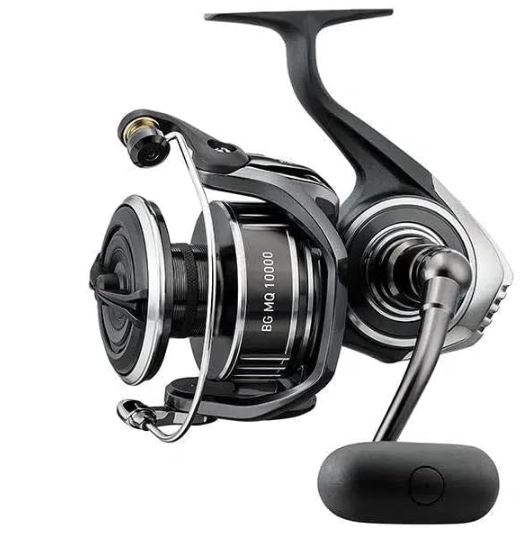
    Daiwa’s BG MQ punches way above its price. The Monocoque one-piece body is far more rigid than typical reels at this price point — it doesn’t flex under load, which keeps the gears aligned and the retrieve smooth. 17.6 lbs of max drag handles any SoCal surf species, and the body is corrosion-resistant enough for regular beach use (though not as sealed as the Spinfisher or Saragosa). If you’re building your first dedicated surf setup and don’t want to spend $150+ on a reel, this is where to start. Pairs great with a budget surf rod for a complete setup under $250. Also does double duty as a yellowtail reel on the party boat.

    Best for Big Fish: Shimano Saragosa SW 5000

    Buy it on Amazon

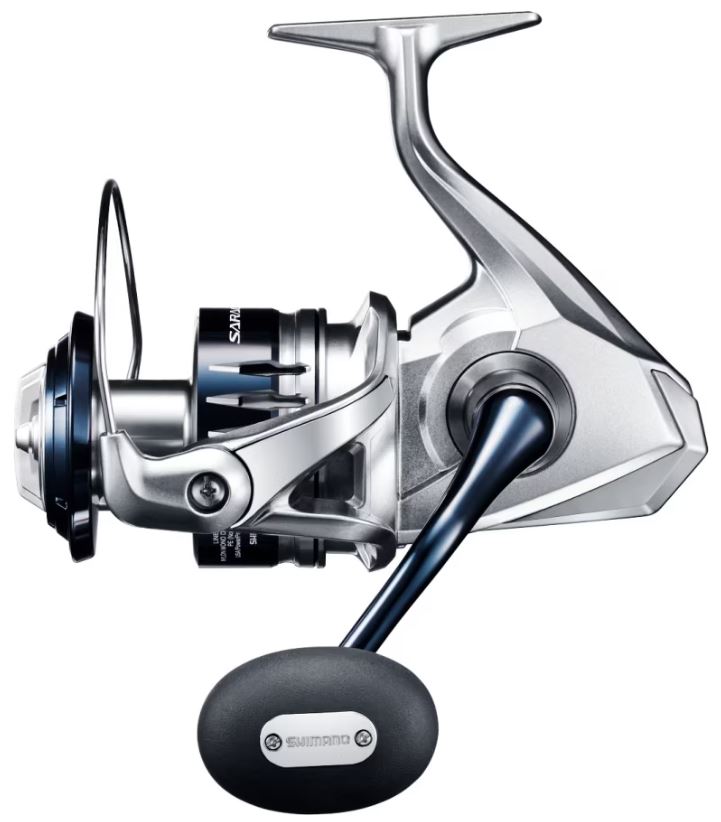
    If you’re targeting halibut and white seabass from shore — fish that run hard and require serious drag — the Saragosa SW 5000 is the better choice over the Spinfisher. 20 lbs of Shimano’s Cross Carbon drag is noticeably smoother than Penn’s HT-100, especially at low drag settings where halibut bites happen. The X-Shield and X-Protect sealing is comparable to IPX5, and the Hagane body doesn’t flex. More expensive than the Spinfisher, but the drag quality justifies it when you’re fighting a 20-pound halibut in the wash. Also doubles as your light iron and dorado reel offshore.

    Best Long Cast: Penn Spinfisher VII 5500 Long Cast

    Buy it on Amazon

    Penn makes a dedicated Long Cast version of the Spinfisher with a shallow, wide spool designed to shed line with less friction. The result is 10–15% more casting distance compared to the standard spool — and in surf fishing, that extra distance often means reaching the trough or sandbar where the fish are. The 5500 size gives you 25 lbs of drag and 380 yards of 30lb braid — serious capacity for bigger surf species and long runs. Heavier at 18.5 oz, so it’s not ideal for all-day light-tackle sessions, but for dedicated halibut and white seabass surf fishing, the extra casting distance and power are worth the weight.

    Best Premium: Shimano Twin Power SW 6000

    Buy it on Amazon

    The Twin Power is overkill for casual surf fishing — and that’s exactly why serious surf anglers love it. Infinity Drive reduces rotational resistance under load, so retrieves stay smooth even when you’re cranking against surf current with a fish on. The drag is the smoothest in this lineup, the sealing is bomb-proof, and the build quality means it will outlast multiple cheaper reels. At 6000 size, it handles anything the SoCal surf throws at you — halibut, white seabass, bat rays, sharks, whatever. It’s also your premium popper and iron reel when you’re not on the beach. A buy-once reel.

    Also Consider: Shimano Saragosa SW 6000

    Buy it on Amazon

    The 6000 version of the Saragosa for anglers who want more capacity and drag than the 5000 but don’t want to spend Twin Power money. Same sealed construction, same smooth drag system, just bigger. Best for surf anglers who regularly encounter white seabass, large bat rays, or sharks that demand more line capacity and drag. Also the standard yellowtail iron reel, so it does double duty if you fish both surf and offshore.

    Which Reel for Which Situation

    SituationBest Reel SizeTop Pick
    Perch, corbina, light surf4000BG MQ 4000
    All-around SoCal surf4500Spinfisher VII 4500
    Halibut focused5000Saragosa 5000
    Maximum casting distance5500 LCSpinfisher VII 5500 Long Cast
    White seabass from shore5000–6000Saragosa 5000 or 6000
    Big sharks / bat rays6000Saragosa 6000
    Premium / buy-once6000Twin Power 6000
    Budget first setup4000BG MQ 4000

    Matching Your Reel to a Surf Rod

    Your reel and rod need to balance. A heavy reel on a light rod is fatiguing; a light reel on a heavy rod feels unbalanced. Here are the standard pairings:

    SetupReelRodTarget
    Light surfBG MQ 4000 or Spinfisher 45009′ mediumPerch, corbina, small halibut
    All-aroundSaragosa 5000 or Spinfisher 450010′ medium-heavyHalibut, white seabass, guitarfish
    Heavy surfSaragosa 6000 or Twin Power 600010–11′ heavyBig halibut, WSB, sharks, bat rays

    For complete rod and reel pairing recommendations across all fishing styles, see our best rod and reel combo guide.

    Best Surf Reel Setup (Line and Terminal)

    Mainline: 15–20lb braided line. Braid gives you casting distance (thinner diameter = less air resistance), sensitivity to feel bites through the long rod, and zero stretch for solid hooksets at distance. PowerPro Super Slick V2 in 20lb or Daiwa J-Braid Grand for maximum casting distance — see our line guide for more options.

    Leader: 12–20lb fluorocarbon, 3–4 feet. Berkley Vanish is the best value for surf leaders — you go through leader material fast in the sand and rocks. Seaguar Blue Label for premium. Connect to braid with an FG knot.

    Rig options:

    The Carolina rig is the most versatile surf rig — a sliding egg sinker above a swivel, then 2–3 feet of fluoro leader to your hook. Works for halibut, croaker, perch, corbina, and white seabass.

    A dropper loop rig is effective for fishing multiple baits at different depths — great for prospecting when you’re not sure what’s in the area.

    Swimbaits on jigheads are deadly for halibut when the surf is calm enough to work them properly.

    Hooks: 2/0–4/0 circle hooks for bait fishing — they self-set in the surf, which is a huge advantage when you can’t always hold the rod. See our hooks guide for specific sizes by species.

    Surf Reel Maintenance

    Surf reels take more abuse than any other type. Sand, salt, and wave impacts hammer the internal components. Here’s how to keep yours running:

    Rinse immediately after every session. Not when you get home — at the beach, if possible. Dunk the reel in a bucket of fresh water or rinse under a hose. Salt crystallizes as it dries and grinds into the bearings and drag.

    Open the bail and spin the rotor while rinsing. This flushes sand from the line roller area — the most common failure point on surf reels.

    Dry before storing. Leave the reel out to air dry completely before putting it in a bag or tackle box. Storing wet reels accelerates corrosion.

    Don’t set the drag when storing. Back the drag off completely when you’re done fishing. Storing a reel with the drag compressed wears out the washers faster.

    Deep clean 2–3 times per season. Remove the spool, clean the drag washers, re-grease if needed. If your reel feels gritty or the drag starts sticking, it’s time for a deep clean or professional service.

    Frequently Asked Questions

    What is the best all-around surf fishing reel?

    The Penn Spinfisher VII 4500. IPX5 sealed body and spool, 20 lbs of drag, 320 yards of 20lb braid, and it weighs just 12.5 oz. At roughly $130, it’s the best value sealed surf reel available. If you want smoother drag and are willing to spend more, the Shimano Saragosa 5000 is the premium alternative.

    What size reel for surf fishing?

    4000–4500 for light surf (perch, corbina, small halibut). 5000 for all-around use including larger halibut and white seabass. 6000 only if you regularly target large species (big halibut, sharks, bat rays) or need maximum casting distance and line capacity.

    Do I need a sealed reel for surf fishing?

    Strongly recommended. Sand and salt spray destroy unsealed bearings within weeks of regular surf use. A sealed reel (IPX5 rated like the Spinfisher or X-Shield like the Saragosa) lasts years instead of months. The extra $30–50 for sealed construction pays for itself many times over.

    Can I use my offshore spinning reel for surf?

    Yes — reels like the Saragosa 5000, Saragosa 6000, and Twin Power 6000 all work great in the surf. They’re sealed, have plenty of drag, and the 5000–6000 sizes are the right capacity. Just rinse thoroughly after surf sessions since the sand exposure is harsher than boat fishing.

    What line should I use for surf fishing?

    15–20lb braid (PowerPro or J-Braid Grand) with a 12–20lb fluorocarbon leader (Berkley Vanish). Connect with an FG knot. See our complete line guide for more detail.

    What’s the best budget surf reel?

    The Daiwa BG MQ 4000. The Monocoque body is more rigid than anything else at this price, and 17.6 lbs of drag handles all SoCal surf species. It’s not fully sealed like the Spinfisher, so rinse it thoroughly after every session, but at well under $150 it’s an excellent entry-level surf reel.

    Penn Spinfisher or Shimano Saragosa for surf?

    Spinfisher if budget matters — the 4500 costs significantly less than the Saragosa 5000 and the IPX5 sealing is excellent for surf use. Saragosa if drag quality matters — Shimano’s Cross Carbon drag is noticeably smoother, which helps with finicky halibut bites at low drag settings. Both are excellent surf reels that will last years with proper care.

    Plan Your Surf Trip

    Related Guides

    Tight lines!

  • Surf Fishing at Doheny State Beach — A Hidden Gem for Families

    If you’ve ever taken the kids to Doheny State Beach in Dana Point, you know the magic of those tide pools — watching little ones discover crabs, octopus, and sea stars tucked into the rocks. My daughter loves going there. But did you know Doheny is also a fantastic spot for surf fishing?

    I recently came across this great video showing just how productive the surf fishing can be here:

    What Can You Catch at Doheny?

    Doheny’s beach offers a nice mix of sand and rocky structure, with kelp beds just offshore. The variety of habitat means a surprisingly diverse catch list for a single stretch of beach:

    • Corbina — the prized catch for SoCal surf anglers. They feed in the wash zone on sand crabs and are notoriously picky biters.
    • Spotfin & Yellowfin Croaker — great fighters on light tackle, especially during incoming tides in the early morning.
    • Surfperch — including barred, walleye, and rubberlip. Consistent biters year-round and perfect for beginners.
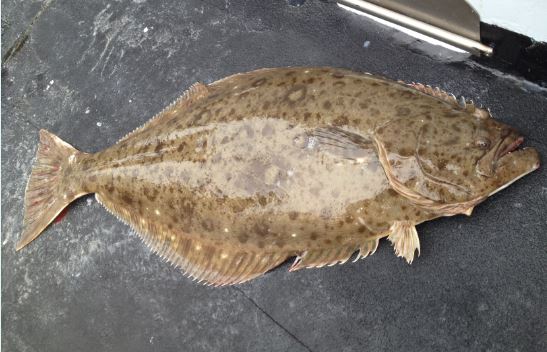
    • California Halibut — especially during spring when flatfish move into the shallows to ambush bait. The halibut surf fishing guide covers exactly how to target them from the sand, and the halibut temperature guide tells you when they’re close enough to reach.
    • Leopard Shark — commonly caught in summer when water temps climb into the mid-60s. A blast on light gear.
    • Mackerel — when they’re running close to shore in the warmer months.

    Tips for Fishing Doheny

    Best times: Early morning and around sunset produce the best bites. The beach can get crowded midday, especially on weekends. If you can fish a weekday morning, you’ll often have long stretches of sand to yourself.

    Bait and lures that work: Sand crabs (fresh from the beach) are king for corbina and croaker — dig them out of the wet sand at low tide right before you fish. Gulp sandworms and small plastics work well for surfperch. For halibut, a 4–6 inch paddle tail swimbait worked slowly through the troughs is your best option — see our best swimbaits for halibut guide for the specific models and jig head weights that work in SoCal surf conditions.

    Where to fish: Walk the beach before you rig up and look for troughs and cuts in the sand — fish feed in these depressions where water churns up sand crabs and prey. The water looks slightly darker and choppier over a trough than the flat sand on either side. The rocky areas near the harbor jetty can also produce calico bass and an occasional sheephead.

    What rod and reel to bring: A 9–10 foot medium spinning rod and a 4000–6000 class reel handles everything Doheny throws at you — corbina and croaker on light bait rigs, halibut on swimbaits, the occasional leopard shark on heavier tackle. Our surf casting rod guide and surf fishing reel guide cover the specific setups worth owning for SoCal surf fishing, including what to pair for lighter finesse work vs. bigger bait rigs.

    Check conditions first: Water temperature matters even from shore. Use the SST chart to check nearshore temps before you go — corbina and halibut get active when water hits the low-to-mid 60s°F. The marine weather page will tell you if wind or swell will make casting difficult. A 1–3 foot incoming tide is the ideal setup; anything over 4–5 feet makes the troughs hard to read and the casts hard to control.

    Perfect for Families

    What makes Doheny special is that it’s a complete family destination. The kids can explore tide pools at the visitor center, play on the five-acre lawn, and watch surfers ride the famous Doheny break — all while you soak a line in the surf.

    The park has fire rings for evening bonfires (first-come, first-served), picnic areas, and a small aquarium at the visitor center. It’s the kind of place where you can introduce kids to fishing without anyone getting bored.

    Good to Know

    • Parking: Day use fee applies ($15 as of 2026)
    • License: California fishing license required for ages 16+
    • Location: 25300 Dana Point Harbor Drive, Dana Point, CA 92629
    • Hours: 6:00 AM – 10:00 PM daily

    Plan Your Trip

    Next time you’re heading to Doheny for a beach day, throw a rod in the car. You might be surprised what you pull out of the surf. Check today’s conditions before you go:

    Related Guides

    Tight lines!

  • White Sea Bass Surf fishing

    This video came up in my feed, had to share it.

    This is why we spend stupid amounts of hours standing in cold water.

    Watch this angler hook into a tank white sea bass while surf fishing Carbon Beach in Malibu. The fight is legit — those runs will get your heart going, almost spooled. After a solid battle in the wash, he lands a 39.5″ fish, well over the 28″ minimum. That’s a lot of meat for a surf session.

    White sea bass from the surf don’t come easy. You need the right conditions, the right timing, and a little luck. When it all lines up, this is what can happen. Here’s everything you need to know to put yourself in position for a fish like that.

    Why White Sea Bass Are a Surf Fishing Trophy

    White sea bass (Atractoscion nobilis) are the largest member of the croaker family on the West Coast, growing to over 90 lbs with a California minimum size of 28 inches. From the surf, fish in the 30–50 lb class are realistic targets during a good season — and unlike offshore pelagics that require a boat, white sea bass regularly feed close enough to shore to reach with a well-placed cast.

    They’re also notoriously difficult. WSB are spooky, have excellent hearing (they literally grunt and vibrate structures to communicate, which means they also detect vibration well), and feed in low-light conditions when the surf is manageable. Landing one from the sand is a legitimate achievement. That 39.5″ fish in the video represents years of experience, perfect timing, and being in the right place.

    When to Target White Sea Bass from the Surf

    The surf WSB bite runs March through July, with April, May, and June being the peak months. The trigger is the squid spawn. Pacific market squid come inshore to spawn on rocky bottom and kelp in late winter through spring, and white sea bass follow them in from deeper water. When squid are spawning in your area, WSB are close — sometimes very close to the beach.

    Check the water temperature before planning a trip. White sea bass are most active in 58–65°F water. The SST chart will show you when that temperature band has settled into your target stretch of coastline. Once the water warms past 68°F in summer, WSB move deeper and the surf bite fades.

    Best times of day: First light through mid-morning is the most productive window. The hour before and after sunrise is prime — low light, calmer surf, and actively feeding fish. Evening tides also produce, especially in summer when daytime water temps push fish deeper and they return to the shallows to feed after the sun drops. Midday during summer is largely a waste of time.

    Tide and surf: A moderate incoming tide with 2–4 foot surf is the ideal setup. Incoming water pushes baitfish and squid toward shore and activates WSB feeding. Flat-calm conditions can be productive early in the season when water is cooler. Big surf (6+ feet) makes fishing difficult and moves fish off the inshore structure they feed on.

    Where to Find White Sea Bass from the Surf

    WSB aren’t random along the beach. They follow structure and bait, and specific spots consistently produce year after year.

    Rocky points with kelp access: The ideal surf WSB location is a rocky headland or point where kelp grows close to shore. This is exactly what Carbon Beach at Malibu provides — rocky structure within casting range where squid spawn and WSB patrol. The kelp edge is the feeding lane; casting into or alongside the kelp is the move.

    Top SoCal surf WSB areas:

    • Malibu coast (Carbon Beach, El Matador, El Pescador, La Piedra) — rocky points with kelp, consistent spring producers
    • Leo Carrillo State Beach — rocky structure on both ends of the beach, a well-known WSB spot
    • Rincon Point (Ventura/Santa Barbara border) — the rocky point has produced big WSB during squid spawn years
    • La Jolla Cove area — kelp-adjacent surf zones with consistent spring populations
    • Point Loma kelp edge — accessible sections near the kelp produce during high tides
    • Channel Islands Harbor mouth — winter/spring WSB stage near the harbor entrance

    The common thread is proximity to kelp or rocky bottom. Sandy beach with no structure rarely holds WSB — they need something to ambush from.

    Bait and Lures for Surf White Sea Bass

    Fresh Squid — The #1 Bait

    During the squid spawn, nothing beats fresh squid. Hook a whole squid through the mantle on a circle hook in 3/0–5/0 and cast it to the kelp edge. The scent and natural profile are exactly what WSB are hunting. Fresh is critical — frozen works but fresh is significantly better. If local bait receivers have live or fresh squid available, that’s your bait.

    Live Mackerel and Sardines

    When squid isn’t available, live mackerel is the top alternative. Hook them through the nose or back on a 4/0–6/0 hook and let them swim toward structure. Sardines work the same way but are harder to keep alive through a surf cast. Both produce best on an incoming tide when bait is pushed toward shore.

    Swimbaits

    A 5–7 inch paddle tail swimbait on a 1–2 oz jig head is the top artificial for surf WSB. White, sardine, and squid patterns all work. Cast parallel to a kelp edge and retrieve slowly — slower than you think you need to. WSB eat a swimbait on a near-dead drift more often than on an active retrieve. The same swimbaits that catch halibut work here. Soft plastics also have the advantage of casting farther than fresh bait, which matters when the WSB are holding at the outer edge of the kelp.

    Bucktail Jigs

    A 2–4 oz white or chartreuse bucktail jig worked slowly along the bottom near rocky structure is an underrated WSB lure. It imitates a wounded fish and the slow bottom-bouncing presentation triggers strikes from fish that have ignored faster-moving lures. Effective when fish are visible on the sonar but not actively chasing bait.

    Gear for Surf White Sea Bass

    WSB pull hard and have soft mouths that tear easily — gear that’s too heavy loses sensitivity, gear that’s too light gets broken off on the first run into the kelp. The right balance is a medium-heavy setup with enough backbone to stop a fish from reaching the kelp, but light enough to feel the subtle pickup.

    Rod: A 10–11 foot medium-heavy surf rod or a 9-foot spinning rod rated for 20–30 lb line. The extra length of a surf rod helps cast past the break and keeps line off the water during the fight. A surf casting rod in the 10-foot range is ideal for WSB from the beach.

    Reel: A quality spinning reel in the 5000–8000 class — Shimano Saragosa or Daiwa BG in that size range. You need enough line capacity to handle the initial run (WSB make long, powerful first runs) and a smooth drag that won’t surge and pop the hook on a soft-mouthed fish.

    Line: 20–30 lb braid with a 25–30 lb fluorocarbon leader of 4–6 feet connected with an FG knot. Braid gives you casting distance and sensitivity; fluoro is invisible in clear inshore water where WSB can be line-shy. Don’t skip the fluoro leader — clear water and line-shy fish are the rule, not the exception.

    Hooks: Circle hooks in 3/0–5/0 for live bait and fresh squid. Circle hooks are the right choice here for two reasons: they dramatically reduce deep-hooking (WSB have a thin membrane around the jaw that tears easily on a gut-hooked fish), and the self-setting design means you don’t need to set the hook hard — just reel down and let the circle turn. See our circle vs J hook guide for the full breakdown.

    Technique: How to Fish the Surf for WSB

    Cast to structure, not open sand. If you’re casting into a flat sandy bottom with no kelp or rocks nearby, you’re not fishing where WSB live. Every cast should be aimed at a kelp edge, a rocky point, or a sandy pocket adjacent to structure. If you can see kelp on the surface, cast to the edge of it.

    Slow down. This is the most common mistake. WSB are not aggressive, fast-chasing predators like tuna or yellowtail. They’re ambush hunters that often pick up a bait slowly and move off with it. If you’re retrieving a swimbait at yellowtail speed, you’re fishing it wrong. Crawl it. Let it sink. Pause. WSB often eat on the pause or the initial sink.

    Set the drag lighter than you want to. The first run of a big WSB will feel like you’ve hooked a train. Their initial surge toward the kelp is where most fish are lost — either the hook tears out of the soft jaw tissue or the line gets wrapped in kelp and breaks. Set your drag so the reel gives line under hard pressure rather than locking up. You’ll get the fish back once it stops running; you won’t get it back if the hook tears out.

    Keep the rod tip up in the wash. The landing is the most dangerous part. WSB thrash violently in shallow water and the hook can pop free in the confusion. Keep steady pressure, let the surf help push the fish toward shore, and back up the beach as the wave recedes to slide the fish onto the sand. Don’t try to grab it prematurely — wait until it’s fully beached before reaching for it.

    Be quiet. No loud footsteps on rock, no gear clanging. White sea bass are skittish and will spook from vibration. This is especially true when fishing rocky points where sound travels through the substrate.

    Regulations

    Current California regulations for white seabass (confirm at CDFW before your trip as these can change):

    • Minimum size: 28 inches total length
    • Bag limit: 3 fish per day
    • Season: Open year-round in most zones
    • License: California sport fishing license required

    The 39.5″ fish in the video above is well above the minimum — that’s a quality fish by any measure. Most surf-caught WSB run 28–40 inches. Fish over 40 inches are uncommon from the surf and worth releasing if you’re not keeping it.

    Frequently Asked Questions

    What is the best time of year to surf fish for white sea bass?

    March through June is the peak window, driven by the squid spawn. April and May are typically the best months when squid are actively spawning on inshore rocky structure and WSB are feeding close to the beach. Check the SST chart for 58–65°F water — that temperature range correlates with the most active bite.

    What’s the best bait for white sea bass from the surf?

    Fresh squid during the squid spawn — nothing else is close. The rest of the year, live mackerel is the top bait. Artificially, a 5–7 inch white swimbait retrieved very slowly along a kelp edge is the most reliable option. See our swimbait guide for rigging details.

    Where do I find white sea bass from the beach?

    Rocky points with adjacent kelp are the key habitat — places like Carbon Beach and Leo Carrillo in Malibu, Rincon Point in Ventura, and kelp-adjacent surf zones around La Jolla. Sandy beach with no structure rarely holds WSB.

    What size rod do I need for surf WSB?

    A 10–11 foot medium-heavy surf rod is ideal. The length helps cast past the break and keep line off the water during the fight. Pair it with a 5000–8000 class spinning reel and 20–30 lb braid with a fluorocarbon leader. See our surf rod guide and surf reel guide for specific recommendations.

    What’s the minimum size for white sea bass in California?

    28 inches total length, with a bag limit of 3 fish per day. Always verify current regulations at CDFW before your trip. The fish in the video above at 39.5 inches is a quality keeper — most surf-caught WSB are in the 28–40 inch range.

    Why are white sea bass so hard to catch?

    They’re spooky, feed primarily in low light, and require specific conditions (squid spawn timing, right temperature, right structure) to be accessible from the surf. They also have subtle pickups — unlike a yellowtail that hammers a lure, WSB often just slowly engulf a bait and swim off. Slow presentations and light drag settings are the keys most anglers miss.

    Do white sea bass fight hard?

    Yes — especially on the first run. A big WSB will make a powerful initial surge toward structure that will test your drag and your nerves. The fight in the video above is a good example: that fish nearly spooled the angler before it was turned. Once they’re off the kelp and in open water they tire relatively quickly, but the first 30 seconds is chaos.

    Plan Your Trip

    Related Guides

    Tight lines.