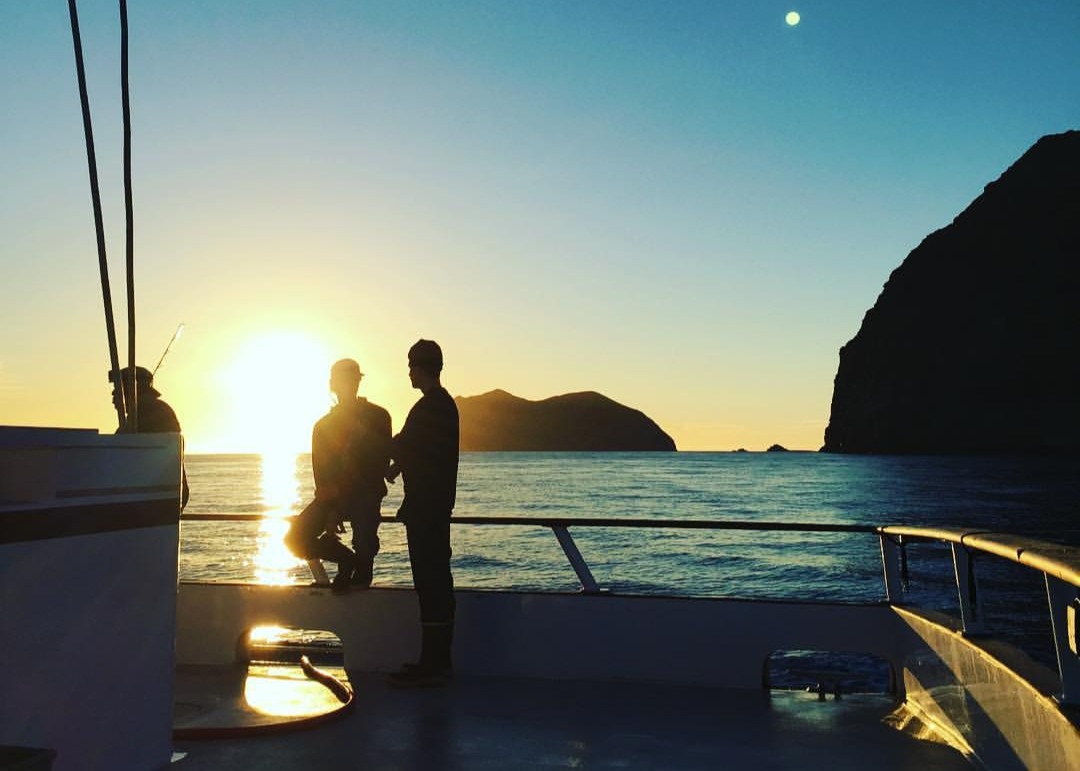
Your first overnight fishing trip out of San Diego is a rite of passage — 1.5 to 3 days on the water targeting yellowtail, tuna, dorado, and whatever else swims into range at the Coronado Islands, offshore banks, or the Baja coast. The fishing can be incredible, but the experience lives or dies on your preparation. Forget the right gear and you’ll spend the trip borrowing, improvising, or sitting out the best bites. Pack smart and you’ll be the one with a full sack while everyone else scrambles.
This guide covers everything you need for overnight and multi-day trips out of San Diego landings like H&M, Fisherman’s Landing, and Point Loma Sportfishing.
Tackle and Gear
Rods and Reels
Bring at least two setups — ideally three. Rods break, reels fail, and you don’t want to miss the bite because your only outfit went down. The standard overnight quiver:
Setup 1 — Bait rod (25–30lb class): Your workhorse. A 7-foot medium-heavy rod paired with a lever drag conventional reel (Penn Squall II, Shimano Talica 12). Spooled with 40lb braid and rigged with 30lb fluorocarbon leader. This handles yellowtail, white seabass, school tuna, and everything else on live bait.
Setup 2 — Iron / casting rod (30–40lb class): An 8-foot heavy spinning rod with a 6000–8000 spinning reel spooled with 50lb braid. For surface iron, poppers, and casting to breaking fish. Also doubles as a heavy live bait rod.
Setup 3 (optional but recommended) — Heavy outfit (40lb+ class): If the trip targets bluefin tuna, bring a 40lb+ conventional setup. A 6-foot heavy rod with a two-speed reel (Shimano Talica 16) and 65lb braid. You may not need it, but if a 100-pound bluefin shows up and you don’t have it, you’ll regret it forever.
Terminal Tackle
Pack more than you think you need. Overnight trips burn through tackle fast, and the boat’s tackle shop charges premium prices.
Hooks: The circle vs. J hook decision matters on overnights — circles are standard for live bait on most SoCal boats, J hooks shine for soaking chunk and working certain jig rigs. Bring both: circle hooks in 1/0, 2/0, 3/0, and 4/0 (at least 10 of each), plus a handful of J hooks in 2/0–4/0. Treble hooks to replace worn ones on your surface irons.
Leader material: Fluorocarbon in 20lb, 25lb, 30lb, and 40lb — at least 25 yards of each. You’ll retie leaders constantly, especially after catching fish or hitting structure. Lighter fluoro for line-shy bluefin; heavier for dorado and yellowtail in kelp.
Sinkers: Egg sinkers in 1oz, 2oz, and 3oz for slider rigs. A few torpedo sinkers in 6–8oz for dropper loop bottom fishing if the trip includes rockfish stops.
Swivels: Barrel swivels in size 3 and 5. Snap swivels for quick jig changes.
Jigs: This is where overnights get expensive fast — build your kit before you leave. For tuna, the Shimano Butterfly Flat-Fall (160g) and Tady 45 are the workhorses; our best tuna jigs and irons guide breaks down exactly what to pack by size and color for SoCal conditions. For dorado at the paddies, lighter irons and feathers shine — see our best dorado lures guide for the specific setups. If the trip includes trolling legs between spots, our tuna trolling lures guide covers the cedar plugs and feathers worth having in your kit. At minimum bring: 2 Tady 45s (blue/white and scrambled egg), 2 Flat-Falls (160g, different colors), and 1 lighter iron (Salas 7X). If you have poppers, bring one. See our jigs vs irons vs poppers guide for the full rundown on when to throw what.
Yellowtail iron: Don’t neglect the yellows — a Tady 4/0 or Tady Heavy in blue/white is your go-to when the yellows are stacked at the Coronados or 9-Mile Bank. See the best yellowtail jigs guide for the full kit.
Extras: Bead assortment, bobber stops (for slider rigs), a few pre-tied dropper loop rigs, split rings and solid rings for jig hooks, and a small hook file to sharpen points.
Tools
A pair of braided line scissors (regular scissors chew braid poorly), long-nose pliers for hook removal, a knife for cutting bait, and a small screwdriver for reel adjustments. A headlamp is essential — night fishing, early morning rigging, and navigating the dark bunk room all require one. Bring a spare battery.
Clothing
The ocean at night is cold, even in summer. Dress in layers and pack for conditions 20°F colder than the daytime forecast.
Base layer: Moisture-wicking synthetic shirt and pants. Avoid cotton — it gets wet, stays wet, and you’ll freeze.
Mid layer: Fleece jacket or hoodie. This is your comfort layer for nighttime and early morning.
Outer layer: A waterproof jacket is non-negotiable. Spray, rain, and wave splash will find you. A quality fishing rain jacket with sealed seams keeps you dry and fishing while everyone else retreats to the cabin. Waterproof pants are optional for summer trips but essential in winter and spring.
Footwear: Deck boots or waterproof shoes with non-marking soles. The deck is wet, slimy, and slippery — sandals and regular sneakers are a recipe for a fall. Bring a dry pair of socks in a ziplock bag for sleeping.
Sun protection: Long-sleeve sun shirt (UPF 50), wide-brim hat or cap with neck flap, quality polarized sunglasses (essential for seeing fish and reading the water), and reef-safe sunscreen for face and hands. The sun on the water is brutal — burns happen fast and make the second day miserable.
Gloves: Fingerless fishing gloves protect your hands when handling fish, tying knots with braid (which cuts bare skin), and fighting fish on the rail. Your hands will thank you on day two.
Food and Drink
Most overnight boats provide meals, but they’re basic and the timing doesn’t always align with when you’re hungry. Bring supplemental food:
Water: At least 2 liters per day. Dehydration sneaks up on you, especially in the sun and wind. The boat has water, but having your own ensures you stay hydrated without leaving the rail during a bite.
Snacks: Energy bars, trail mix, beef jerky, fruit, crackers — anything that’s easy to eat with one hand while keeping an eye on your rod. Avoid anything that needs refrigeration or creates a mess.
Caffeine: Coffee is usually available on the boat, but bring your own if you’re particular. Energy drinks or caffeine gummies help on early morning bites when you’ve been up since 2 AM.
Avoid: Alcohol in excess (dehydration + seasickness + heavy machinery = bad combo), heavy/greasy food if you’re prone to motion sickness, and anything that needs heating.
Health and Comfort
Seasickness prevention: If you have any history of motion sickness, take precautions before you leave the dock. Prescription scopolamine patches (applied behind the ear 8+ hours before departure) are the most effective. Over-the-counter options: Bonine (meclizine) taken the night before and morning of, or ginger chews as a supplement. Do not wait until you feel sick — by then it’s too late.
Sleep: Bring a sleeping bag or warm blanket for the bunk. The bunks are narrow, the boat rocks, and the engine drones — earplugs and an eye mask dramatically improve sleep quality. Even 3–4 hours of solid sleep makes a huge difference on day two.
Personal items: Toothbrush, any medications, small towel, hand sanitizer, and lip balm with SPF. A small dry bag keeps electronics and valuables safe from water.
Packing Checklist
| Category | Items |
|---|---|
| Tackle | 2–3 rod/reel setups, circle & J hooks (multiple sizes), fluorocarbon leader (20–40lb), sinkers, swivels, tuna jigs, yellowtail irons, dorado lures, trolling feathers, poppers, pre-tied rigs, bobber stops, beads, split rings |
| Tools | Braid scissors, pliers, knife, headlamp + spare battery, hook file, small screwdriver |
| Clothing | Base layer, fleece mid layer, waterproof jacket, deck boots, sun shirt, hat, polarized sunglasses, sunscreen, fingerless gloves, dry socks |
| Food | 2+ liters water/day, energy bars, jerky, trail mix, fruit, caffeine source |
| Health | Seasickness meds (take early!), prescription medications, lip balm SPF |
| Comfort | Sleeping bag/blanket, earplugs, eye mask, small towel, hand sanitizer |
| Storage | Soft-sided bag (no hard suitcases — bunk space is tight), dry bag for electronics, ziplock bags for phone and wallet |
Before You Leave
The night before your trip, check conditions on fishing-reports.ai so you know what to expect and can adjust your tackle accordingly:
- SST Chart — What water temps will you be fishing? This tells you what species are likely
- Chlorophyll Map — Where is the bait concentrating offshore?
- Marine Weather — Wind, swell, and conditions for your trip dates
- Fleet Tracker — What have the boats been catching this week?
- AI Fishing Predictions — Data-driven forecasts to set expectations
- SoCal Fishing Season Calendar — What species are in season
Related Guides
- Best Tuna Jigs and Irons for SoCal
- Best Yellowtail Jigs
- Best Dorado Lures
- Best Tuna Trolling Lures
- Best Poppers for Tuna
- Jigs vs Irons vs Poppers
- Surface Iron Fishing Guide
- Circle Hooks vs J Hooks
- Best Hooks by Species
- Braid vs Mono vs Fluorocarbon
- Slider Rig for Live Bait
- Dropper Loop Rig
- Best 7ft Offshore Rods
- Best 8ft Offshore Rods
- Best 30lb Reels
- Best 40lb Reels
Talk to the landing when you check in — they’ll tell you what’s been biting and recommend tackle. The deckhands on SoCal boats are some of the most knowledgeable fishing guides anywhere. Listen to them, tip them well, and you’ll have a trip to remember.
Tight lines!