Mooching is the technique that defines Pacific Northwest Chinook fishing for serious anglers. The boat sits in neutral or drifts slowly. A whole herring or cut-plug herring sits on a long sliding-sinker rig, drifting through the water column at the depth where Chinook are holding. The mooching rod telegraphs every nudge from the rod tip through the angler’s hands. When a king commits, the angler feels it building — a subtle pickup, then a slow steady pull — and reels into the fish to set the hook with the rod’s natural sweep. Done correctly, mooching produces some of the most engaging Chinook fishing in the PNW.
This guide covers the mooching technique — the rig setup, the reading-the-bite skill, the hook-set timing, and where the technique works best. Pair with the best Pacific salmon rods guide for the specialized rod and reel selection, and the Pacific salmon fishing guide for the broader fishery context.
What Mooching Is
Mooching is the technique of drifting whole or cut herring on a sliding-sinker rig with the boat in neutral or drifting slowly with current and wind. The bait moves naturally through the water column at the depth where Chinook are holding. Unlike trolling (which actively pulls bait at a target speed) or jigging (which actively moves bait vertically), mooching presents the bait as close to natural as possible — like an injured herring drifting in current.
The technique evolved in Puget Sound and along the BC coast over a century ago. Modern PNW Chinook fishing preserves it largely intact: long soft rods that read subtle bites, direct-drive single-action reels that connect the angler directly to the fish, herring bait that closely matches natural Chinook forage, and the relaxed pace that lets anglers actually fish rather than steer the boat.
The Mooching Rig
The standard mooching rig has five components:
- Mainline — 15-20 lb monofilament tied to a swivel
- Sliding sinker — typically a 2-6 oz cannonball that slides freely on the mainline above the swivel
- Sinker stop — small bead or knot above the sinker that prevents it from sliding up the line during casts
- Leader — 4-6 feet of 12-15 lb fluorocarbon below the swivel
- Hook setup — two-hook quick-strike rig or single-hook configuration baited with herring
The sliding sinker is the key element. When a Chinook takes the bait, the line moves through the sinker freely — the fish feels no weight, doesn’t get spooked, and commits to the run. The angler feels the pickup through the rod tip without the resistance that would cause the fish to drop the bait.
Gamakatsu Two-Hook Mooching Rig
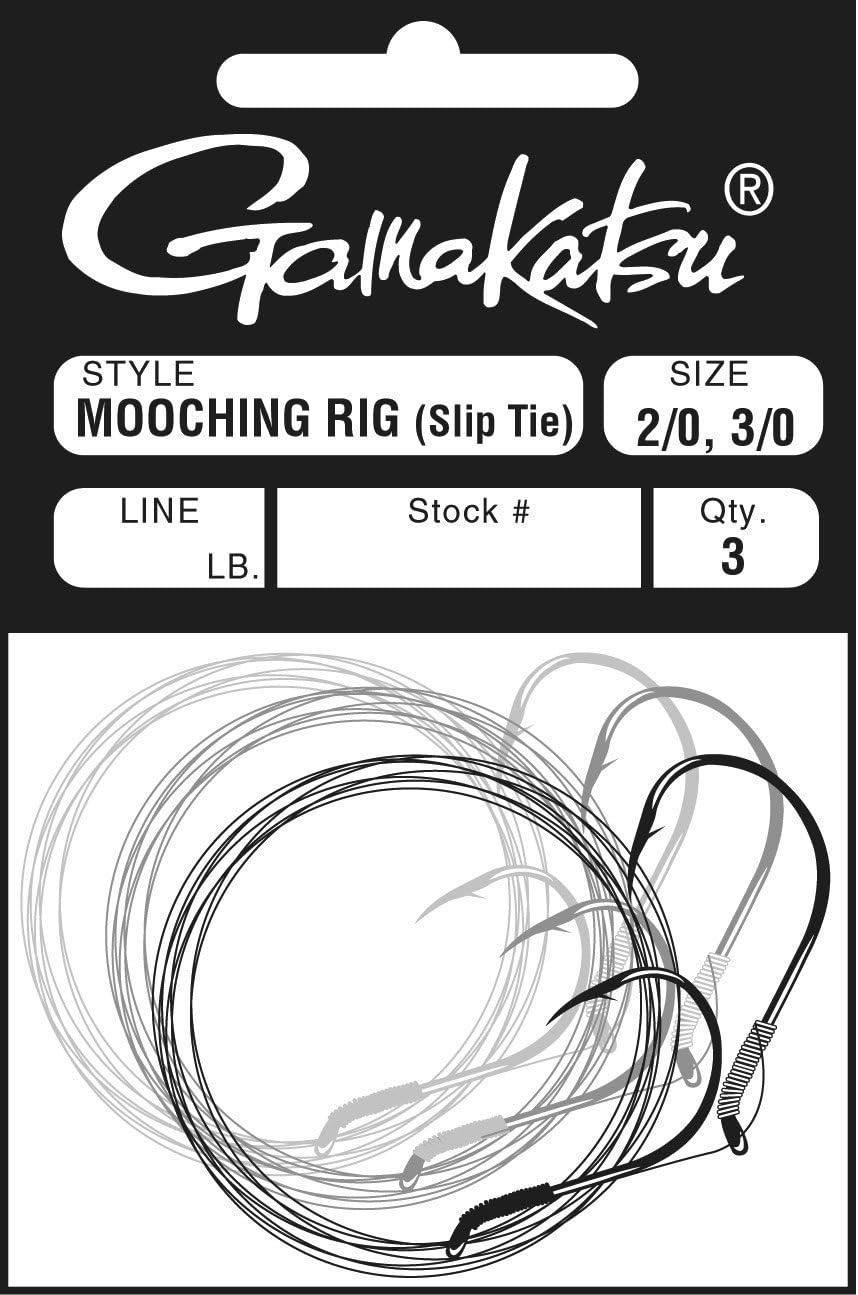
The Gamakatsu Two-Hook Mooching Rig is the pre-tied solution for anglers who don’t want to tie their own mooching rigs. The rig features two 4/0 hooks in a quick-strike configuration on a 4-foot fluorocarbon leader, ready to attach to your mainline swivel and bait with herring. The front hook (closer to the bait’s head) is set first; the rear hook (near the tail) catches fish that take from behind. Gamakatsu’s hook quality is exceptional — sharp out of the package and through multiple Chinook hookups. Best applications: ocean mooching out of Westport, Sekiu, Neah Bay; Buoy 10 mooching during the late-August through September window. Tying your own mooching rigs is part of the technique tradition but pre-tied rigs save time on the water and produce identical results.
Cannonball Mooching Weights
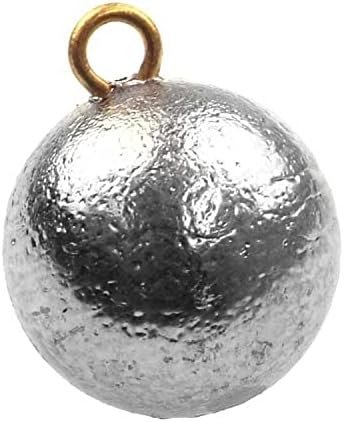
Sliding sinker weights for the mooching rig. Cannonball lead weights with a hole through the center slide freely on the mainline. Weight selection matters significantly: 2-3 oz for calm conditions and depths under 100 feet, 4-6 oz for stronger current and depths to 200 feet, 8+ oz for very deep water or heavy current. Most serious mooching anglers carry a range of weights and switch based on conditions. Lead is the PNW standard despite environmental concerns; tungsten alternatives are available at higher cost for anglers who prefer them.
Pro-Cure Anchovy Bait Sauce
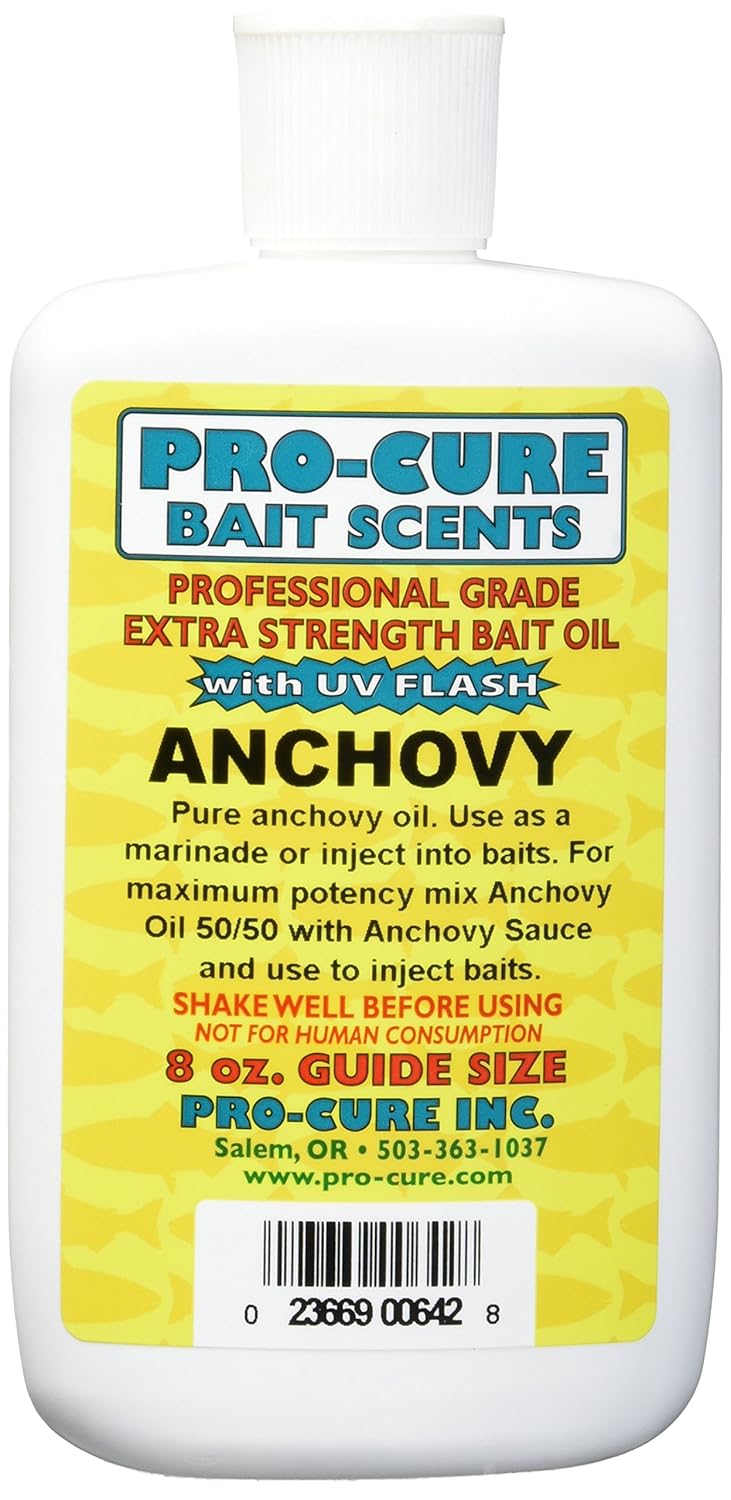
Pro-Cure Bait Sauce is the brush-on scent enhancer that adds attraction to mooching bait. The anchovy formula matches the Chinook’s preferred forage in many PNW waters; herring and sardine versions also available for specific regions. Apply a few drops to the herring before each drop, refresh every 15-20 minutes. The scent advantage is meaningful — anglers who use Pro-Cure consistently outproduce anglers who fish naked bait when fish are selective. Strong scent leaks from the dropper bottle, so store it sealed in a small plastic bag inside your tackle box to keep it from contaminating other gear.
Bait Preparation
Two primary herring presentations for mooching:
Whole Herring
Insert the front hook through the front lip and out the gill plate. Run the rear hook into the bait’s side near the tail. The bait swims with a slight curve — the action triggers Chinook strikes. Best for: actively feeding fish that prefer natural-looking prey, clear water conditions, dawn and dusk feeding windows.
Cut Plug Herring
Cut the herring’s head off at a 45-degree angle (the iconic “cut plug” presentation). Insert front hook into the angled cut, run rear hook into the body near the tail. The angled cut creates a tight rolling action as the bait moves through the water. Best for: most general mooching applications, current-influenced drifts, the dominant cut-plug presentation in commercial mooching operations.
Both presentations benefit from scent additions (Pro-Cure) and cold/fresh bait — frozen-thawed herring works but fresh herring outproduces. Many serious anglers freeze their own herring during the spring season for use during peak fall mooching.
Where Mooching Works Best
Westport, Washington. The premier mooching destination on the Pacific Ocean. Charter fleet operates June-September targeting Chinook and Coho. The continental shelf produces consistent depth profiles where mooching excels.
Sekiu and Neah Bay, Washington. Strait of Juan de Fuca destinations. Different conditions than open ocean — protected water with strong tidal currents. Mooching is the dominant technique.
Buoy 10 (Columbia River mouth). The August-September estuary fishery uses mooching extensively. Faster current than open ocean requires heavier weight and careful drift management.
San Juan Islands and inner Puget Sound. Year-round Chinook (Blackmouth) and seasonal returning fish. Mooching is the local tradition.
Ilwaco, Washington. Lower Columbia ocean charter port. Mooching works in the ocean alongside Buoy 10 in the estuary.
Newport and Garibaldi, Oregon. Oregon coast mooching is less established than Washington but produces in season.
The technique doesn’t translate well to fast river systems (where back-trolling Kwikfish dominates) or shallow estuaries (where bobber-doggin’ is more effective). Match technique to water type.
When Mooching Works
| Period | Conditions | Notes |
|---|---|---|
| May–June | Spring/early summer Chinook | Building action; protected water (Puget Sound) better than open ocean |
| July–August | Ocean Chinook peak | Westport, Sekiu, Neah Bay all producing |
| August–September | Buoy 10 and ocean both peak | The premier mooching window of the year |
| October | Late ocean Chinook, Coho | Wind and swell limit days; productive when possible |
| November–April | Limited Chinook | Blackmouth (resident Chinook) mooching in Puget Sound |
August through September is the dominant mooching window. Multiple destinations producing simultaneously, weather typically cooperative, and Chinook at peak weight before river migration.
The Mooching Technique Step-by-Step
- Position the boat. Locate fish on electronics — Chinook typically hold 30-80 feet deep over deeper water. Position the boat upstream/upwind so drift carries you over the holding area.
- Set the depth. Drop the rig until the cannonball touches bottom, then reel up to position the bait 5-20 feet off bottom (depending on where fish are holding on the flasher).
- Hold the rod. Mooching rods are held throughout — no rod holders. Feel for bites through the rod tip.
- Watch and feel. The bite is rarely aggressive. A Chinook nosing the bait feels like a slight weight change or a small “tick” through the rod tip. Then a longer steady pull as the fish commits.
- Set the hook. Don’t snap or jerk. As the fish pulls, lower the rod tip toward the fish briefly, then sweep up and reel into the fish. The rod’s natural sweep, plus reel pressure, drives the hooks home.
- Fight the fish. With a direct-drive mooching reel, use palm pressure on the spool to control the fight. Let the fish run when needed; reel in carefully when possible. Avoid heavy drag pressure — the light leader will break if you horse the fish.
- Net carefully. Mooching often produces multiple hooked fish per session. Have the net ready and an experienced person handling it.
Reading the Bite
The subtlety of mooching bites is what separates this technique from trolling:
The first nudge. A slight weight change or “tick” through the rod tip. Often the fish has the bait by the tail. Do not set the hook yet.
The follow-through. Steady pull or sustained pressure on the line. The fish has committed and is moving with the bait. Time to engage.
The hook set. Lower the rod briefly (gives the fish slack to reposition), then sweep up while reeling. The combination of rod movement and reel pressure sets the hooks without snapping the leader.
Aborted bites. Sometimes the fish takes and drops the bait without committing. This is when bait condition matters — fresh bait with good scent produces more committed strikes than tired bait.
The learning curve is real. Anglers transitioning from spinning-reel trout fishing often miss the first dozen mooching bites — the subtlety is unfamiliar. Within a season of regular mooching, the pattern becomes recognizable.
Common Mistakes
Setting the hook too fast. The most common mooching mistake. Setting on the first tick pulls the bait from a fish that hadn’t committed yet. Wait for sustained pull.
Using too heavy a leader. Mooching uses 12-15 lb fluorocarbon for a reason — selective Chinook reject heavier line. Don’t compensate for fragile knots with heavier line; tie better knots instead.
Wrong weight for conditions. Too light and the bait won’t reach depth before drifting out of the zone. Too heavy and the bait fishes unnaturally. Match weight to current.
Old or improperly stored bait. Herring quality directly affects catch rates. Use bait that’s been properly frozen, thawed correctly, and is still firm. Mushy bait won’t produce.
Skipping the scent application. Pro-Cure or similar scent enhancers produce measurable catch rate improvements. Don’t skip this step.
Rod in rod holder. Mooching rods are held throughout the technique. Rod holders work for trolling; they don’t work for mooching because you lose the bite detection that makes the technique effective.
Wrong reel for the technique. Spinning reels can mooch mechanically but don’t connect the angler to the fight the way mooching reels do. If you’re going to mooch seriously, invest in a proper mooching reel.
Gear Pairings
- Best Pacific Salmon Rods — Shimano Technium or Okuma Connoisseur mooching rods
- Best Pacific Salmon Lures and Plugs — for non-mooching alternatives
- Best Fishing Knots — Trilene Knot for hooks, Albright for line-to-leader
- Best Hooks by Species
- Best Fishing Line by Pound Test
- Pacific Salmon Fishing Guide
- Pacific Salmon Safety Guide
Frequently Asked Questions
What is mooching for salmon?
The PNW technique of drifting whole or cut herring on a sliding-sinker rig with the boat in neutral. The bait moves naturally with current; the angler feels every bite through a long soft mooching rod. The iconic Pacific Northwest Chinook technique.
Where can I mooch for salmon?
Westport, Sekiu, Neah Bay, Ilwaco, San Juan Islands, and Buoy 10 on the Columbia River are the established mooching destinations. The technique works wherever Chinook hold in moderate-depth water without excessive current.
What gear do I need to mooch?
A long (10’6″-11′) soft-action mooching rod and a direct-drive single-action mooching reel are the specialized gear. Standard salmon-grade line (15-20 lb mainline, 12-15 lb fluorocarbon leader) and a sliding-sinker rig with two hooks. See best Pacific salmon rods.
Mooching vs trolling — which catches more salmon?
Both produce; the choice depends on conditions and personal preference. Mooching wins in moderate-current ocean and protected water where Chinook hold at known depths. Trolling wins in calm conditions where covering water matters and when targeting suspended fish in open ocean. Most charter operations use both techniques across a single trip.
What bait for mooching?
Whole or cut-plug herring is the standard. Fresh bait outproduces frozen-thawed but both work. Apply Pro-Cure or similar scent enhancer before each drop. Bait quality matters significantly for catch rates.
Why don’t I feel the bite when mooching?
Mooching bites are subtle — often a slight weight change or “tick” through the rod tip rather than a hard strike. The learning curve is real. Focus on rod tip awareness, hold the rod throughout (no rod holders), and expect the subtle pull pattern. Practice over multiple trips builds the recognition.
How do I know what weight to use?
Test by dropping the rig. The cannonball should reach bottom within 30-45 seconds in your current conditions, then hold the bait at fishing depth without dragging across bottom. Too light and the rig doesn’t sink fast enough; too heavy and the bait fishes too deep. Carry 2-6 oz cannonballs and switch as conditions require.
Plan Your Trip
- SST Charts — for ocean mooching positioning
- Fleet Tracker — see where mooching charters are running
- Marine Weather — wind and swell determine mooching feasibility
- AI Fishing Predictions
- Pacific Salmon Fishing Guide
- Pacific Salmon Safety Guide
- Columbia River Salmon Fishing
- Puget Sound Salmon Fishing
Related Guides
- Pacific Salmon Fishing Guide
- Pacific Salmon Safety Guide
- Best Pacific Salmon Rods
- Best Pacific Salmon Lures and Plugs
- Bobber-Doggin’ for Salmon
- Plunking for Salmon
- Pacific Chinook Salmon Fishing
- Pacific Coho Salmon Fishing
- Columbia River Salmon Fishing
- Puget Sound Salmon Fishing
- Best Fishing Knots
- Best Fishing Line by Pound Test
- Best Hooks by Species
- Salmon Trolling Guide (Great Lakes)
Tight lines!
Affiliate Disclosure: As an Amazon Associate, fishing-reports.ai earns from qualifying purchases. Links to Amazon on this page are affiliate links — if you click and buy, we may earn a small commission at no extra cost to you.