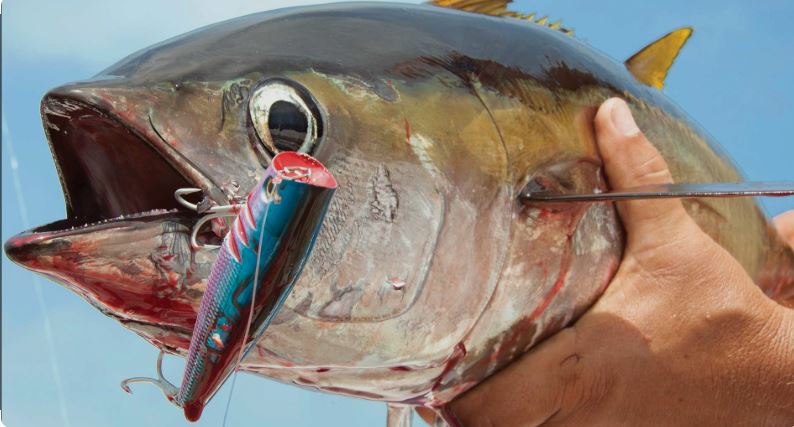
When tuna are crashing on the surface but ignoring your surface iron, a popper is often the answer. The commotion a popper creates — splash, bubble trail, pop-pop-pop across the surface — triggers a different response than the steady wobble of a metal jig. Tuna that have seen a hundred irons fly over their heads will sometimes annihilate a popper on the first cast.
Poppers have become an increasingly important part of the SoCal tuna arsenal, especially as the bluefin fishery has grown and the fish have gotten more pressured. Here’s what to throw, when, and how.
⚡ Quick Picks
Best all-around: Nomad Chug Norris 95mm — the SoCal tuna popper standard. Matches local bait size perfectly.
Best for big bluefin: Shimano Ocea Bomb Dip 170F — large profile for 50+ lb fish. The pause gets the bite.
Best stick bait: Nomad Riptide 115mm — subtle walk-the-dog for finicky fish that won’t eat a popper.
Best casting distance: Shimano Rock Pop 90mm — heavy and compact, reaches fish at the edge of range.
Best budget: Yo-Zuri Bull Pop 130mm — solid performer without risking $80 per lost lure.
Types of Surface Lures for Tuna
Poppers (Cup-Face)
Classic poppers have a cupped or concave face that catches water and creates a loud splash and bubble trail with each rod twitch. The noise and commotion draw fish from a distance, making poppers excellent search tools when you can see fish but they’re spread out. The splash imitates a baitfish being attacked on the surface — a dinner bell for predators. This is the opposite approach from burning iron, which imitates fleeing bait. Different trigger, different results. See the jigs vs irons vs poppers guide for the full breakdown.
Stick Baits (Pencil / Walk-the-Dog)
Stick baits have a more streamlined body that “walks” side to side on the surface when twitched with a rhythmic rod cadence. Less commotion than poppers but a more lifelike presentation. Stick baits excel when tuna are close to the surface but not actively crashing. The subtle zigzag draws them up for an inspection that turns into a commitment. The finesse option when poppers are too loud.
Hybrid / Chugger Style
Some lures split the difference: a moderate cup face that creates some pop but also walks side to side. These are the most versatile option for anglers who want one surface lure that does a bit of everything. The Chug Norris falls into this category. It pops and walks depending on how you work the rod.
Best Poppers for SoCal Tuna
Best All-Around: Nomad Design Chug Norris 95mm (50g)
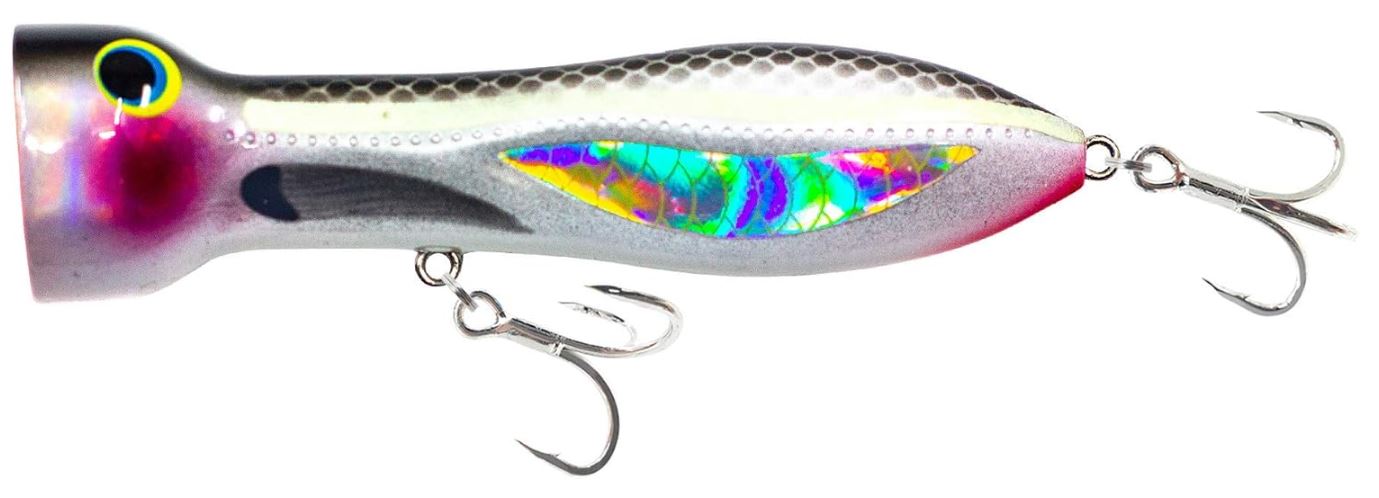
The Chug Norris has quickly become the go-to SoCal tuna popper. The 95mm size matches the sardine and anchovy bait that tuna feed on locally, and the cupped face creates a satisfying pop-and-splash without being so loud that it spooks fish in calm conditions. It casts well for its size, holds up to tuna strikes without cracking, and the through-wire construction means a big fish won’t rip the hooks out of the body. Also deadly on yellowtail and dorado around kelp paddies. Bone, sardine, and nuclear chicken are the top colors. If you buy one popper for SoCal, this is it.
Best for Big Bluefin: Shimano Ocea Bomb Dip 170F (72g)
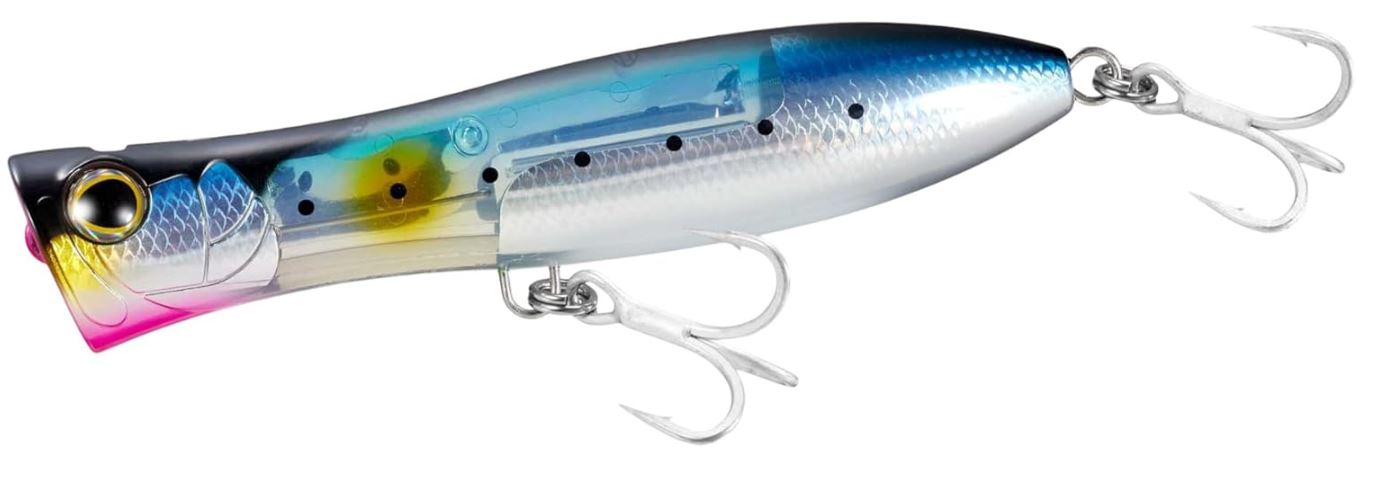
When the bluefin are 50+ pounds and you need a larger profile to get their attention, the Bomb Dip is a proven producer. At 170mm, it creates a serious disturbance that big fish can detect from deep. The floating design lets you pause between pops, and the pause is often when the strike comes, because bluefin are ambush feeders that track a lure and commit when it stops moving. It requires a heavier rod to cast effectively, so pair it with your heavy spinning setup, a Saragosa 14000 or Stella SW 10000 on an 8-foot rod. This is the lure that turns a frustrating day of bluefin ignoring everything into a screaming drag.
Best Stick Bait: Nomad Design Riptide 115mm (35g)
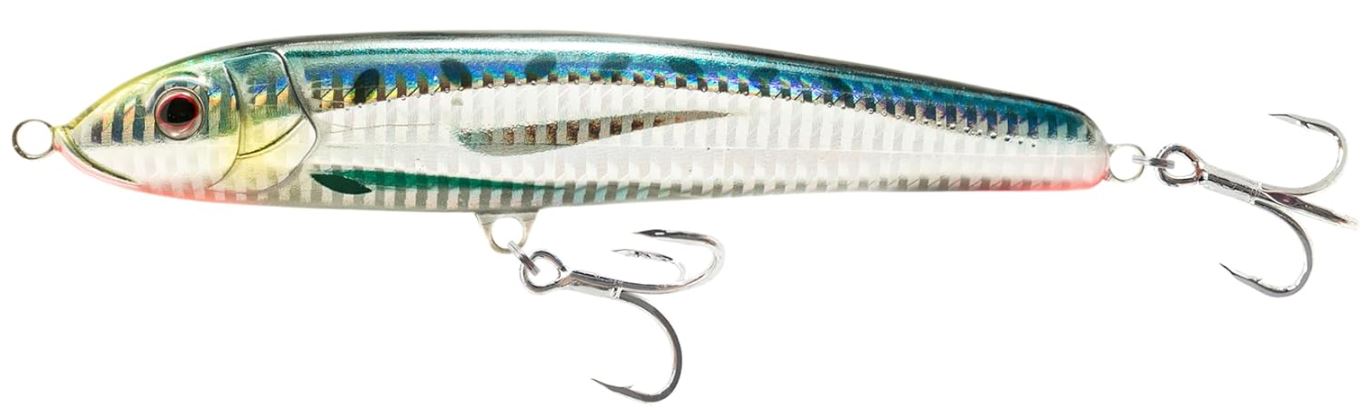
The Riptide is a floating stick bait that walks beautifully with minimal effort. When tuna are swirling just below the surface but won’t commit to a popper’s loud presentation, the Riptide’s subtle side-to-side walk draws strikes. It’s also deadly on yellowtail around kelp paddies and on dorado that are cruising rather than crashing. The lighter weight means less casting distance than heavier poppers, but the action more than compensates. Sometimes the fish want quiet, not loud. Fusilier and Spanish mackerel patterns are top producers. Best on a 7-foot rod with a Saragosa 6000.
Best for Casting Distance: Shimano Rock Pop 90mm (52g)
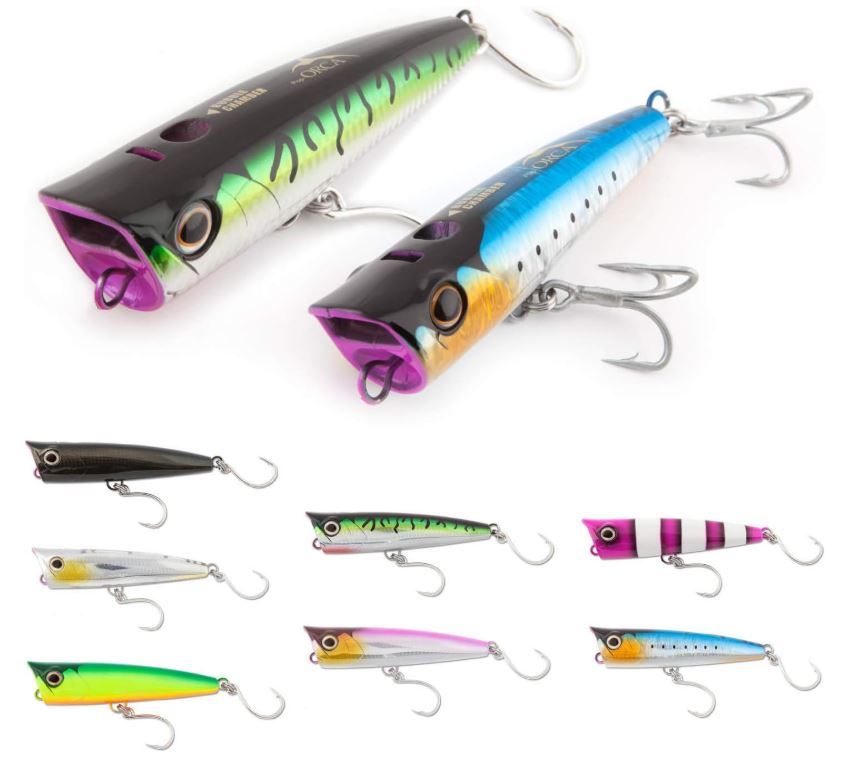
Compact and heavy for its size, the Rock Pop is the choice when you need to reach fish at distance. It cuts through wind better than larger poppers and still creates a good pop on the twitch. In SoCal where the fish can be boiling just beyond your casting range, the Rock Pop’s extra distance often makes the difference between getting in the zone and falling short. Pairs well with an 8-foot rod for maximum reach. The combination of a long rod and a heavy, aerodynamic popper puts you where other anglers can’t reach. Also effective for yellowfin tuna on long-range Baja trips.
Best Budget: Yo-Zuri Bull Pop 130mm
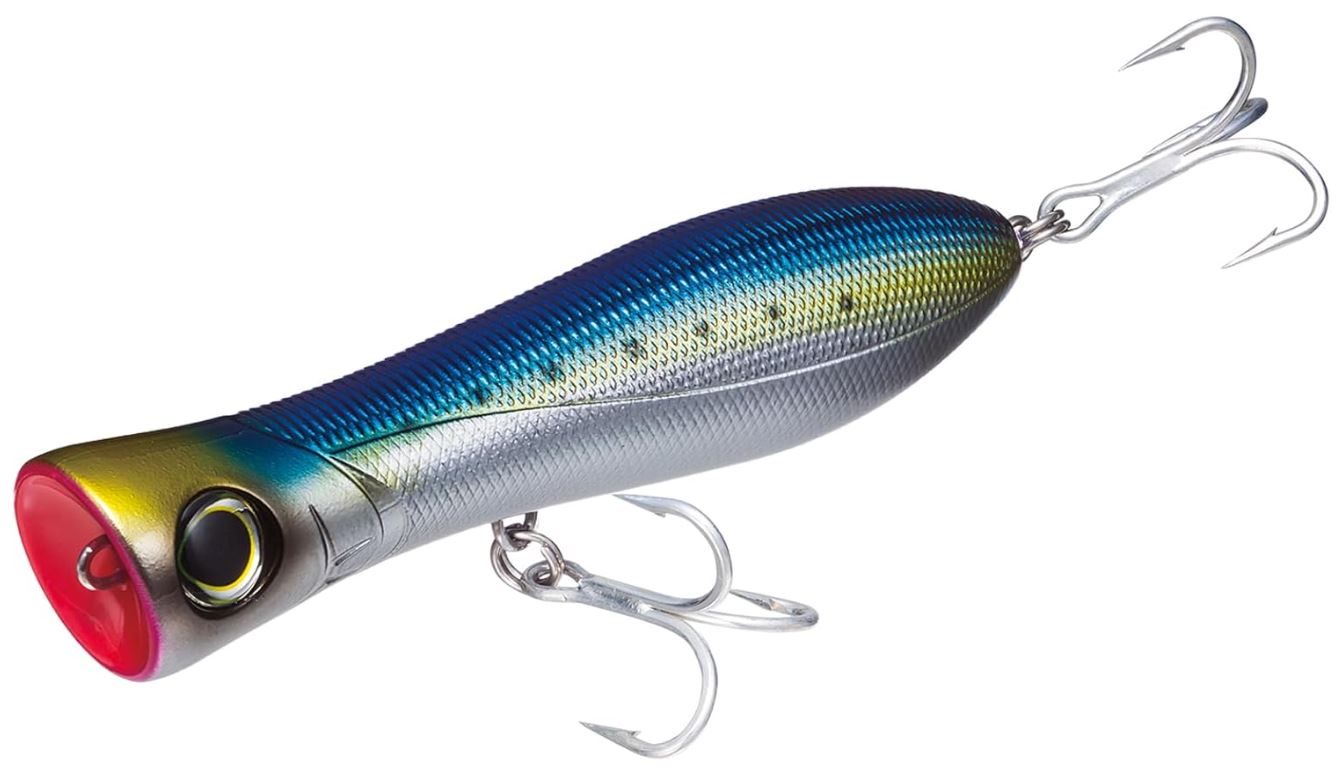
A solid popper at a fraction of the price of the premium Japanese lures. It doesn’t cast quite as far and the finish doesn’t last as long, but it pops well, holds up to strikes, and catches fish. If you’re new to popper fishing and don’t want to risk losing an $80 lure to a tuna that breaks you off, start here. Buy a couple in different colors — blue/white and bone — and learn the technique before investing in the Chug Norris or Bomb Dip. Also a good “loaner popper” for your buddies on the boat.
How to Fish Poppers for Tuna
The pop-pause: Cast past the fish or the boil. Let the popper settle. Give it 2–3 sharp rod twitches to create pops, then pause for 2–3 seconds. The pause is crucial. It gives the tuna a chance to locate and commit. Repeat. Most strikes come during or just after the pause. This is the most effective cadence for bluefin tuna, which are calculated predators that track a lure before striking.
The rapid pop: When tuna are fired up and competing for food, ditch the pause and pop continuously. Fast, aggressive twitches that keep the lure moving and creating maximum commotion. This triggers a competitive instinct in schooling tuna. Works best on yellowfin and smaller bluefin that are actively feeding.
Walk-the-dog (stick baits): Maintain a steady twitch-slack-twitch-slack cadence. The rhythm should make the lure walk in a zigzag pattern. Keep the rod tip low and work with your wrist, not your whole arm. This is a finesse technique that takes practice but devastates picky fish. The Riptide walks with minimal effort, making it a good place to learn the technique.
Tip: Rod position matters. Keep your rod tip low, 45° below horizontal, when working poppers. This gives you maximum lure action per twitch and puts you in the right position for a hookset. High rod tips kill popper action.
When to Throw What
| Situation | Best Lure | Why |
|---|---|---|
| Wide-open boil, fish aggressive | Surface iron (Tady 45) | Speed and distance win. Burn it through the school |
| Fish boiling but ignoring iron | Chug Norris 95mm | Different trigger breaks the pattern |
| Big bluefin, need large profile | Bomb Dip 170F | Matches bigger bait, pause draws commits |
| Fish swirling below surface, finicky | Riptide 115mm | Subtle walk-the-dog draws them up |
| Fish at edge of casting range | Rock Pop 90mm | Compact and heavy, maximum distance |
| No surface activity | Flat-fall jig or live bait | Go subsurface. Poppers need surface fish |
| Calm water, bright day | Riptide stick bait | Less splash, more natural, less spooky |
| Windy, rough surface | Chug Norris or Rock Pop | Need heavier lure and louder pop to compete with chop |
For the complete breakdown of when to use poppers vs iron vs jigs, see the jigs vs irons vs poppers comparison.
Gear Setup for Poppers
Popper fishing requires a slightly different setup than iron fishing. You need a rod with enough tip action to work the lure properly. A pure iron rod is often too stiff to create good popper action.
Rod: A 7-foot medium-heavy to heavy with fast action for smaller poppers (Chug Norris, Rock Pop, Riptide). Step up to an 8-foot rod for the larger Bomb Dip and when you need maximum casting distance. The tip needs to flex enough to twitch the popper while the butt has enough power to fight tuna. Dedicated popper rods are ideal but a good graphite all-around rod works.
Reel: Spinning reel exclusively. You need the casting distance. Match the reel to the target:
| Target | Reel | Rod | Popper |
|---|---|---|---|
| School bluefin / yellowfin (10–30 lbs) | Saragosa 6000 or Twin Power 6000 | 7′ H spinning | Chug Norris 95, Rock Pop 90, Riptide 115 |
| Big bluefin (30–80 lbs) | Saragosa 14000 or Stella SW 10000 | 8′ H spinning | Bomb Dip 170F, Chug Norris 150 |
| Yellowtail / dorado on poppers | Saragosa 5000 or BG MQ 4000 | 7′ MH spinning | Chug Norris 95, Riptide 115 |
Line: 50–65lb braid with a 4-foot section of 50–80lb fluorocarbon leader. Unlike iron fishing where you can skip the leader, poppers benefit from fluoro. The lure moves slower and fish have more time to inspect the connection. Tie the leader with an FG knot and connect the popper with a solid ring and split ring for maximum lure action. See the line guide for specific braid recommendations.
Frequently Asked Questions
What is the best popper for SoCal tuna?
The Nomad Design Chug Norris 95mm. It matches the local bait size, casts well, works as both a popper and a walk-the-dog lure, and holds up to tuna strikes. Bone and sardine patterns are the most versatile colors.
When should I throw a popper instead of iron?
When tuna are boiling on the surface but refusing your surface iron. The popper’s splash and pause triggers a different feeding response than iron’s steady retrieve. Also use poppers in calmer conditions where the pop-pause technique lets you work a small area thoroughly. See the comparison guide for the full breakdown.
What rod and reel do I need for popper fishing?
A spinning reel in the 6000–14000 class on a 7-foot or 8-foot heavy fast rod. The Saragosa 6000 covers most SoCal popper situations, while the Saragosa 14000 handles the bigger Bomb Dip and heavier bluefin. You need a rod with enough tip flex to work the popper. A stiff iron rod kills popper action.
Do poppers work on yellowtail and dorado?
Absolutely. The Chug Norris 95mm and Riptide 115mm are both excellent yellowtail lures around kelp paddies, and dorado go absolutely insane for poppers. They’re some of the most aggressive topwater fish you’ll encounter.
What line and leader setup for poppers?
50–65lb braid with a 4-foot 50–80lb fluorocarbon leader connected with an FG knot. Always use a leader for poppers. Tuna have time to inspect the lure between pops, and a braid-to-lure connection costs you bites. Attach the popper with a solid ring and split ring for best action.
What color popper works best for tuna?
Bone (clear water, bright days), sardine/blue-white (matches local bait), and nuclear chicken (overcast or when fish are picky). Start with bone. It’s the most versatile color in clear SoCal water. Check the chlorophyll map for water clarity: green water = brighter colors, blue water = natural colors.
How far can I cast a popper?
The Rock Pop 90mm (52g) casts the farthest of these picks. Its compact, dense shape cuts through wind. With an 8-foot rod and 50lb braid, expect 70–90 yards. The Riptide (35g) casts the shortest at around 50–60 yards. When distance is critical, the Rock Pop or a Nomad Slidekick iron are your best options.
Plan Your Trip
Tuna follow warm water and bait. Check the conditions before you go:
- SST Chart — Find the temperature breaks tuna follow
- Chlorophyll Map — Locate the bait concentrations
- Marine Weather — Calm days are best for popper fishing. Less chop, better lure action
- Fleet Tracker — See where the fleet is finding tuna
- AI Fishing Predictions — Data-driven forecasts for SoCal
- Best Water Temp for Bluefin — Ideal temperature range
- Best Water Temp for Yellowfin — Seasonal patterns
- SD Fishing Season Calendar — When the tuna show up
Related Guides
- Surface Iron Fishing Guide
- Jigs vs Irons vs Poppers
- Best Yellowtail Jigs & Irons
- Best Lures for Dorado
- Best Reel for Bluefin Tuna
- Best Reel for Yellowtail
- Best 30lb Reels
- Best 40lb+ Reels for Tuna
- Best 7-Foot Offshore Rods
- Best 8-Foot Offshore Rods
- Best Rod & Reel Combos for SoCal
- How to Fish Kelp Paddies
- Braid vs Mono vs Fluorocarbon
- Best Fishing Line by Pound Test
- Best Fishing Knots
- Graphite vs Fiberglass Rods
- Spinning vs Conventional Reels
- Overnight Trip Packing List
Tight lines!
Affiliate Disclosure: As an Amazon Associate, fishing-reports.ai earns from qualifying purchases. Links to Amazon on this page are affiliate links — if you click and buy, we may earn a small commission at no extra cost to you.