• Best Pacific Salmon Rods: Mooching, Casting & Trolling Guide

    Pacific salmon fishing demands purpose-built rods. The same fishing categories that you’d cover with three or four rod actions in summer bass fishing require six or seven specialized PNW salmon configurations: mooching rods for fishing whole herring at depth, casting rods for back-trolling Kwikfish plugs, trolling rods for downrigger setups, baitcasters for bobber-doggin’ and plunking, and lever-drag conventionals for ocean work. Mixing and matching across these categories produces compromises that cost fish.

    This guide covers the rods and reels that consistently produce across Pacific salmon fishing — the workhorses that anglers from Westport to Astoria to Sekiu actually use. For the broader technique context, see the Pacific salmon fishing guide. For the lures and plugs these rods deliver, see best Pacific salmon lures and plugs.

    ⚡ Quick Picks by Situation

    Best back-trolling rod: Lamiglas Kwikfish 10’6″ — designed specifically for Kwikfish plugs.

    Best mooching rod (premium): Shimano Technium Mooching 10’6″ — refined high-end build.

    Best mooching rod (value): Okuma Connoisseur Mooching — workhorse at the $150-200 tier.

    Best versatile rod: St. Croix Onchor Salmon — covers casting + light bobber-doggin’.

    Best line-counter trolling reel: Shimano Tekota 600 — the PNW troller standard.


    Let’s go Fishing!
    Search for the Perfect Fishing Trip or Charter
    Pacific Northwest Salmon
    Verified reviews · Free cancellation · 90-day price match
    Powered by FishingBooker · Affiliate partner

    The Three Rod Categories for PNW Salmon

    Category Length Power Primary Application
    Mooching rod 10’6″ – 11′ Medium / Medium-Light Whole herring fishing for Chinook
    Casting rod 8’6″ – 10’6″ Medium-Heavy Back-trolling Kwikfish, plunking, bobber-doggin’
    Trolling rod 8’6″ – 10′ Medium-Heavy Downrigger and dipsy diver work

    Most serious PNW salmon anglers own multiple rods across these categories. A complete setup might include two mooching rods, two casting rods, and four trolling rods (one per downrigger). For first-time PNW anglers, start with one rod that matches your primary technique — casting for river fishing, mooching for ocean charters with private boat, trolling for downrigger setups.

    Casting Rods — Back-Trolling and Versatile Use

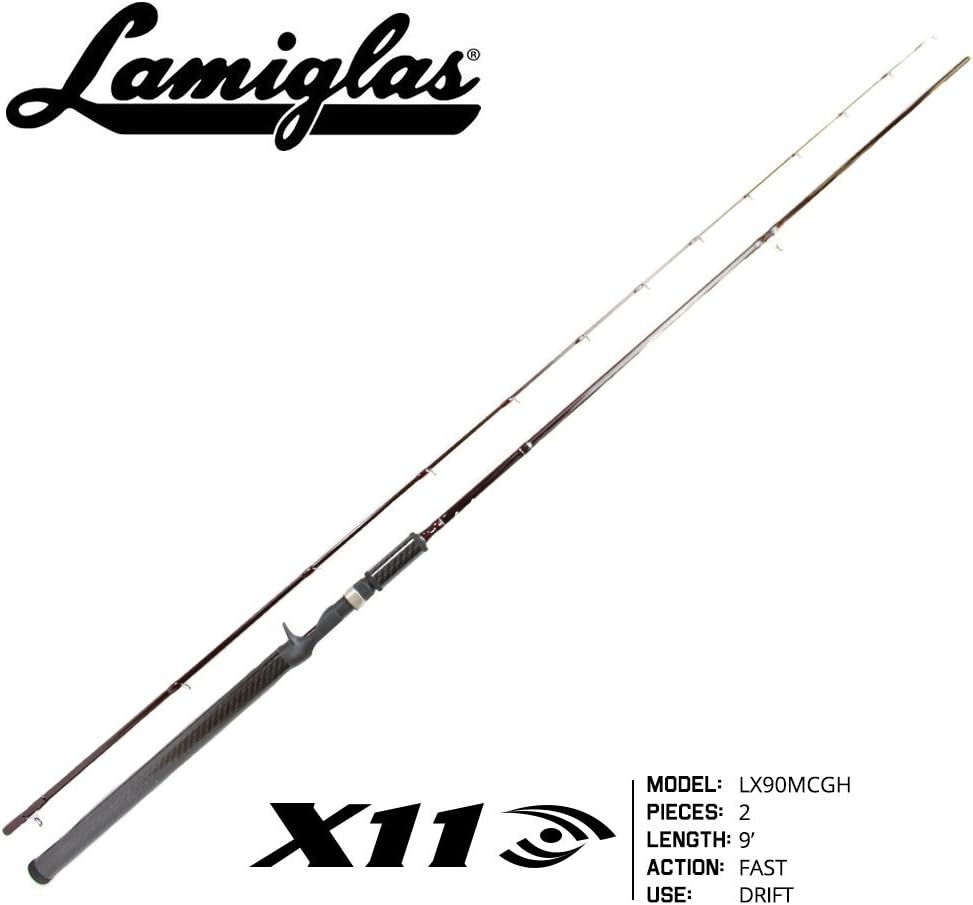
    Lamiglas Kwikfish 10’6″ Salmon Casting Rod
    Buy it on Amazon

    The Lamiglas Kwikfish Series is the rod that defined the back-trolling category. Designed in the Pacific Northwest for back-trolling Kwikfish K-series plugs — the dominant Columbia River and big-water technique for fall Chinook. The 10’6″ length provides leverage for keeping the plug working in current; the medium-heavy power handles the largest Chinook without compromise. The action transmits the distinctive Kwikfish wobble through the rod tip — you can read whether the plug is working correctly without watching the line. Lamiglas is Washington-based, manufactured in the PNW with materials and design tuned for PNW salmon fishing. The brand commands a premium price ($250-400 depending on configuration) but the build justifies it for serious anglers. Best paired with a quality baitcaster like the Shimano Curado 200, or a line-counter reel for trolled applications. The rod is overkill for Coho-only fishing; for mixed Chinook/Coho work it’s the workhorse.

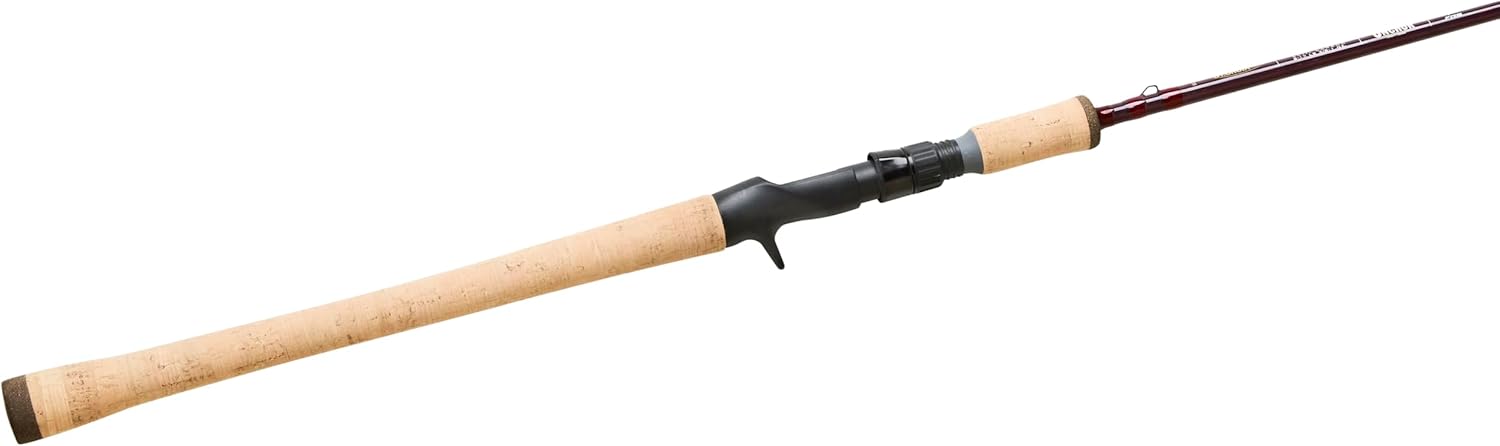
    St. Croix Onchor Salmon Rod
    Buy it on Amazon

    The St. Croix Onchor is the versatile mid-tier rod for PNW salmon fishing. St. Croix’s Wisconsin manufacturing produces consistent build quality across their salmon lineup; the Onchor series specifically targets multi-species and multi-technique salmon applications. The rod handles bobber-doggin’ for Coho, plunking applications, light back-trolling, and even some mooching applications when paired with a single-action reel. Less specialized than the Lamiglas Kwikfish but more versatile — better choice for anglers who want one rod that covers multiple PNW techniques. The transferable St. Croix warranty extends to salmon rods, which matters given the abuse this category sees (rocks, boat handling, bar conditions). Price point around $200-280 makes it accessible without the Lamiglas premium.

    Mooching Rods — The Classic PNW Chinook Setup

    Shimano Technium Salmon Mooching Rod 10’6″

    Buy it on Amazon

    The Shimano Technium is the premium mooching rod that fills the gap left by hard-to-find G. Loomis IMX models. Mooching is the classic PNW Chinook technique — drift fishing whole or cut herring on a long soft rod that telegraphs the subtle bite of a Chinook nosing the bait. The Technium’s blank is purpose-designed for this: ultra-fast tip that detects the lightest pickup, but enough backbone in the lower section to handle a 30-pound king on its first run. The 10’6″ length provides leverage in current and sweep distance for setting the hook on a fish that often takes the bait while moving away from the boat. Best paired with a direct-drive single-action mooching reel (Daiwa Mooching Reel below) for the classic PNW setup. Premium price point ($350-500) reflects the build quality. For serious mooching anglers — particularly Westport, Sekiu, and Buoy 10 Chinook specialists — this is the rod that justifies the investment.

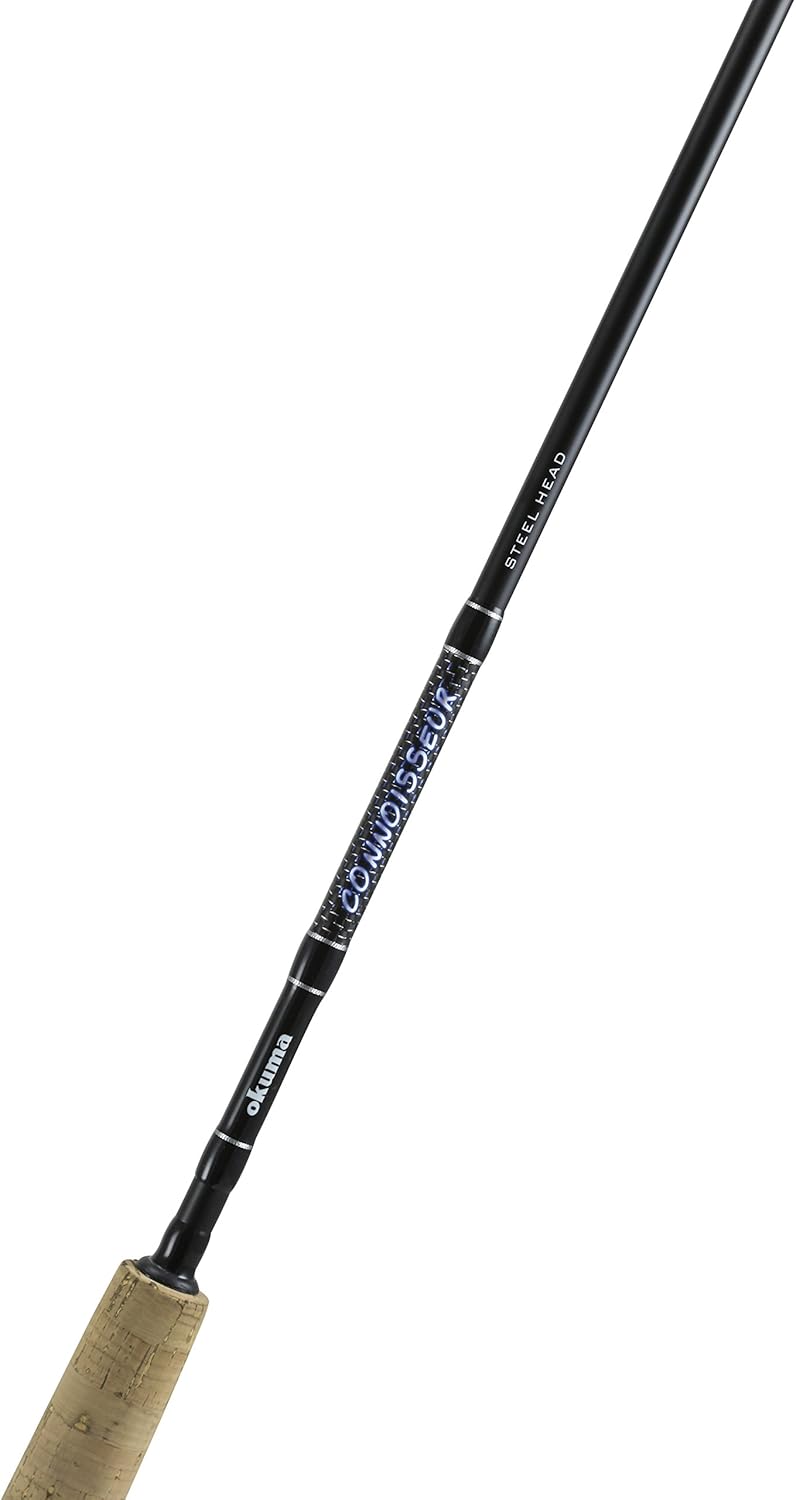
    Okuma Connoisseur Mooching Rod 10’6″
    Buy it on Amazon

    The Okuma Connoisseur is the value alternative to the Shimano Technium in the mooching category. The blank action is comparable — soft tip for bite detection, backbone in the lower section for fish-fighting power. Cosmetics and component quality are a step below the Shimano (lower-grade guides, simpler reel seat) but the functional performance is similar. For anglers entering the mooching technique who don’t want to spend $400+ on a premium rod, the Connoisseur at $150-200 covers the same basic application. The mooching skill set transfers regardless of which rod you start with; many anglers begin with the Okuma and upgrade to a Technium or used Loomis once they’ve committed to mooching as their primary Chinook technique.

    Mooching Reels — Direct-Drive Single-Action

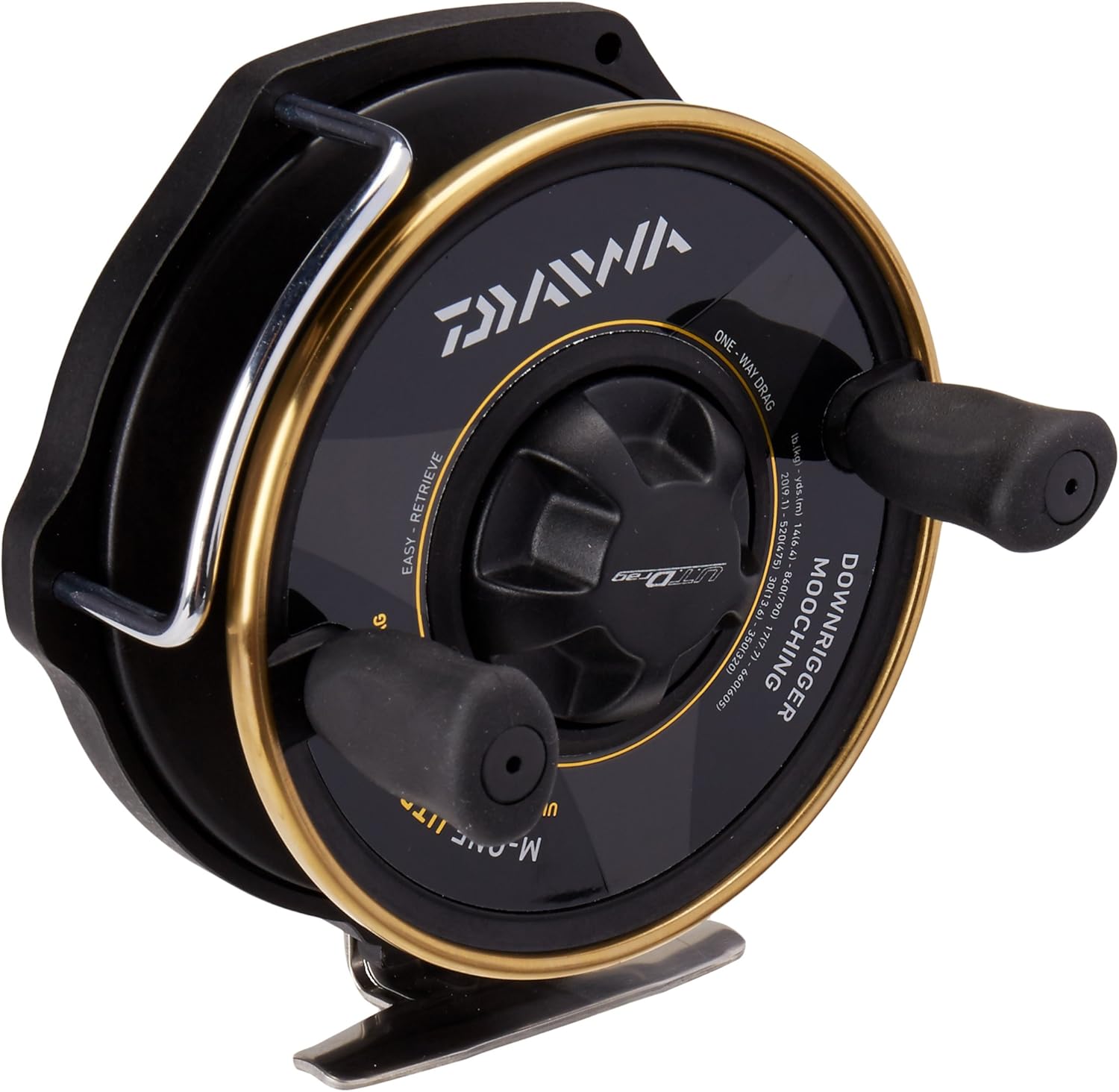
    Daiwa Mooching Reel
    Buy it on Amazon

    Mooching reels are a PNW-specific category that confuses anglers from other regions. Unlike spinning or baitcasting reels, a mooching reel is a direct-drive single-action design — one turn of the handle equals one revolution of the spool. No drag system in the modern sense; the angler controls the fight with palm pressure on the spool. The Daiwa Mooching Reel is the most accessible modern mooching reel option: solid build, smooth bearings, and proper mooching-reel geometry. The direct-drive feel gives anglers immediate connection to the fish — when a 30-pound Chinook surges, you feel every pound of pressure through your palm. This is the iconic PNW Chinook fishing experience that ocean charters and serious river anglers preserve. Best paired with a 10’6″ mooching rod (Shimano Technium or Okuma Connoisseur). The learning curve is real — anglers transitioning from spinning reels need 1-2 trips to develop the palm-control technique — but the connection to the fight justifies the transition for serious anglers.

    Trolling Reels — Line-Counter and Lever Drag

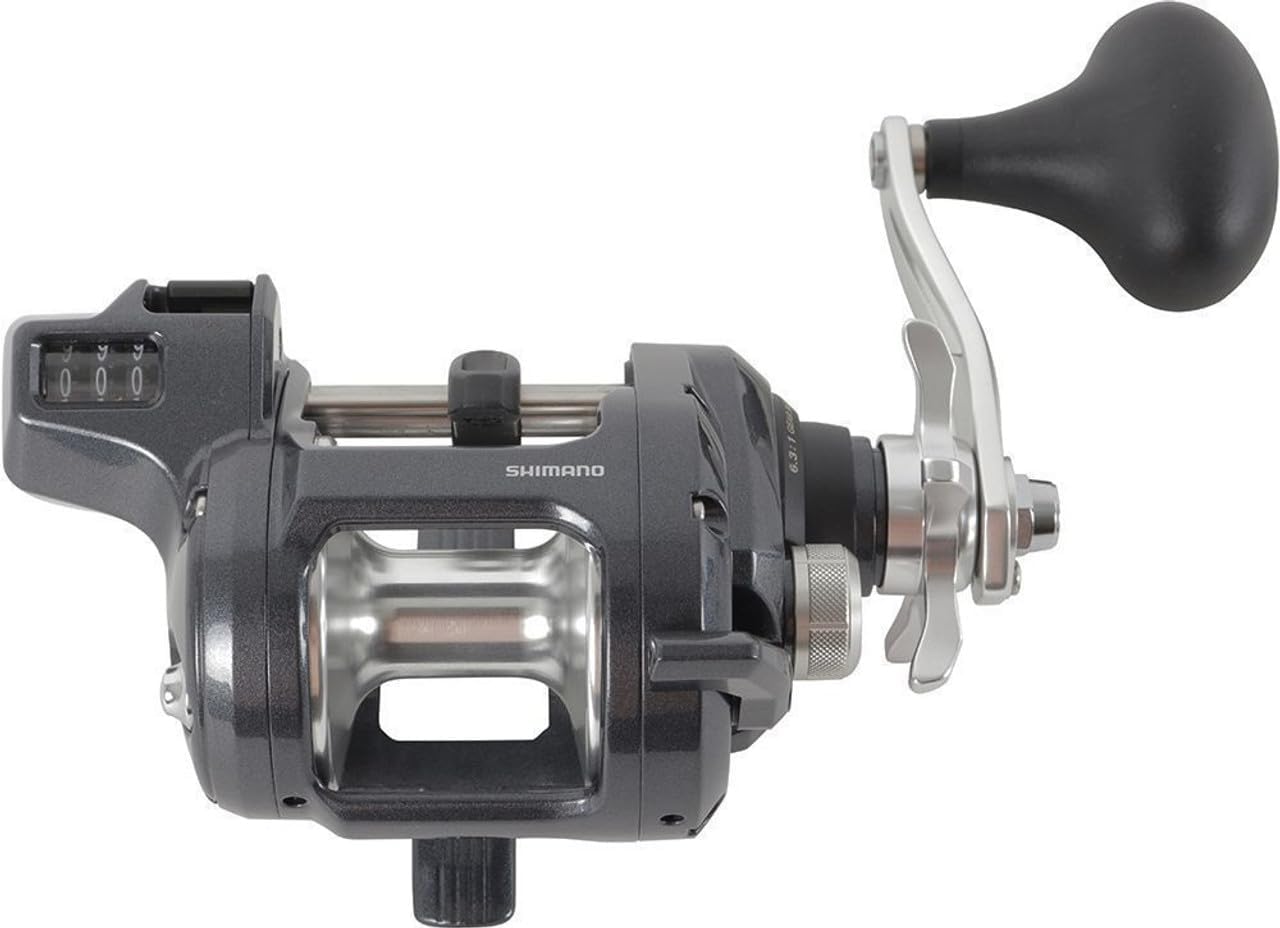
    Shimano Tekota 600 Line-Counter Reel
    Buy it on Amazon

    The Shimano Tekota is the most-used trolling reel in the PNW salmon fishery. Line-counter reels are essential for downrigger and dipsy diver trolling — you need to know exactly how much line is out to position lures at specific depths. The Tekota 600 holds appropriate line capacity for salmon trolling (200+ yards of 30 lb mono or equivalent braid), has the smooth drag necessary for ocean Chinook fights, and the line-counter accuracy is consistent across temperature ranges (some cheaper line-counters drift with temperature changes). Best applications: downrigger trolling with spoons or plugs, dipsy diver fishing with planer boards, and any application where depth-precise lure placement matters. Pair with the Lamiglas Kwikfish casting rod or a dedicated 8’6″-9′ trolling rod. The Tekota family ranges from 300 (lighter applications) to 800 (heavy ocean work); the 600 is the workhorse middle size.

    Penn Squall Lever Drag Reel

    Buy it on Amazon

    The Penn Squall represents the heavier-duty ocean trolling option. Lever drag reels — where you push a lever to engage a calibrated drag setting rather than turning a star wheel — provide more consistent drag pressure during long fights with big fish. Best applications: outer ocean trolling (Westport, Ilwaco) where Chinook over 30 pounds are realistic, deep-line techniques requiring stronger drag pressure for hook setting at distance, and any application where the simpler-but-coarser star drag of a Tekota becomes a limitation. Penn Squall is the value lever drag option; brands like Avet and Shimano TLD compete in similar territory at higher price points. The Squall is also useful for halibut and other heavier saltwater applications, making it a multi-purpose investment for anglers who fish beyond salmon.

    Baitcasting Reels — Versatile and Bobber-Doggin’

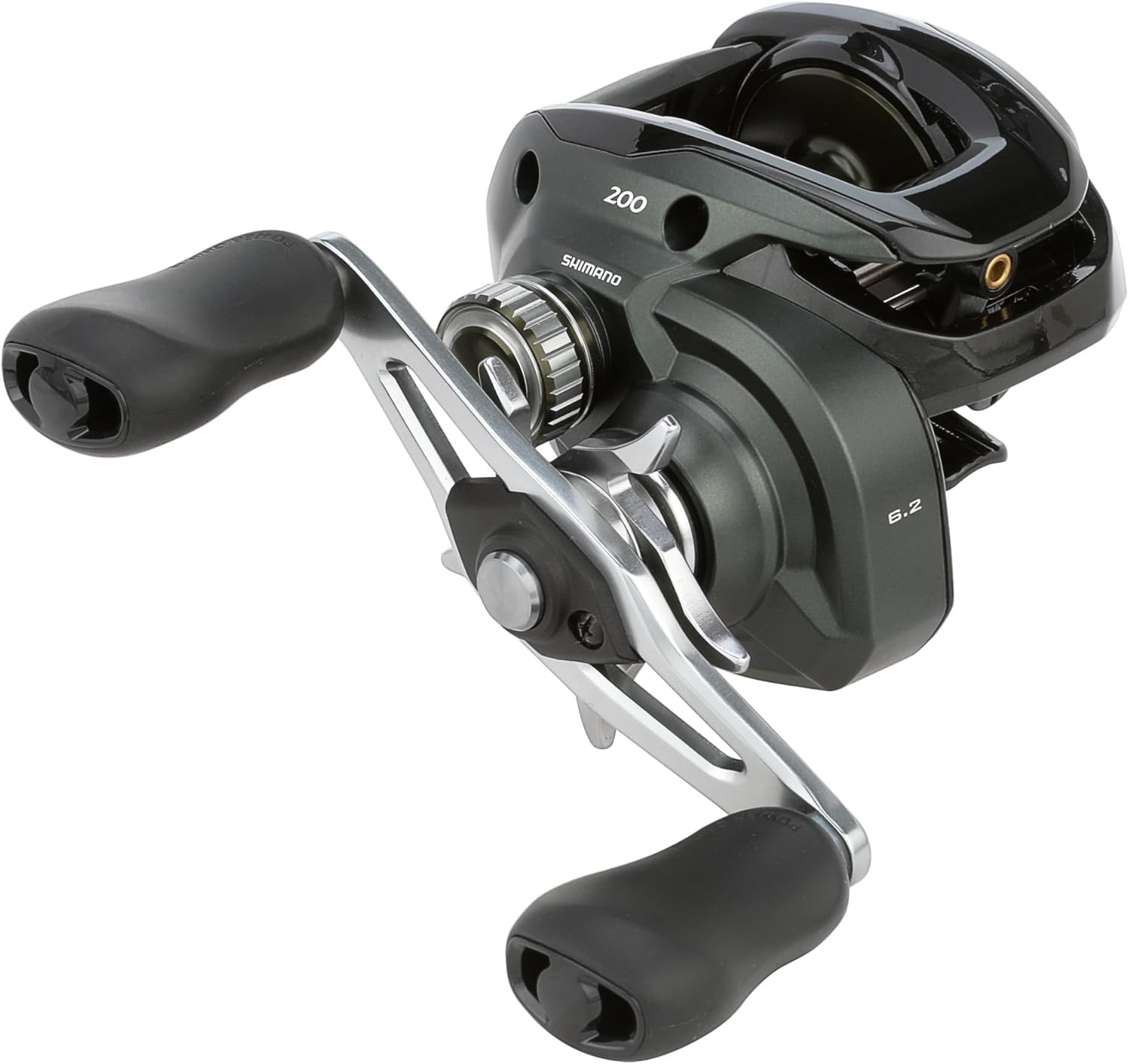
    Shimano Curado 200 Baitcaster
    Buy it on Amazon

    The Shimano Curado 200 is the versatile baitcaster that crosses over from bass fishing into PNW salmon applications. Best uses: bobber-doggin’ (where the smooth drag helps land 8-15 lb Coho on light fluorocarbon leaders), plunking applications, light back-trolling, and any technique that benefits from a baitcaster’s casting accuracy. The 200-size is appropriate for the line capacity needed in salmon applications (150+ yards of 14-20 lb mono); the larger Curado 300 covers heavier applications. The reel’s bass-fishing heritage means smooth operation, good drag, and reliable construction at a reasonable price point ($180-220). Cross-references to the walleye reels guide apply — the Curado is a multi-species workhorse, not a salmon-specific reel.

    Selection by Technique

    Technique Best Rod Best Reel
    Mooching (Chinook) Shimano Technium 10’6″ / Okuma Connoisseur Daiwa Mooching Reel
    Back-trolling Kwikfish Lamiglas Kwikfish 10’6″ Shimano Tekota 600 or Curado 200
    Downrigger trolling Lamiglas Kwikfish or dedicated trolling rod Shimano Tekota 600 (depth-specific)
    Bobber-doggin’ St. Croix Onchor 10’6″ Shimano Curado 200
    Plunking St. Croix Onchor 10’6″ or Lamiglas Shimano Tekota or Penn Squall
    Ocean trolling (offshore) Lamiglas Kwikfish or trolling rod Penn Squall Lever Drag
    Coho-only river casting St. Croix Onchor or lighter rod Shimano Curado 200

    Line Recommendations

    Match line to rod and application:

    • Mooching rod: 15-20 lb monofilament mainline, 12-15 lb fluorocarbon leader
    • Lamiglas Kwikfish: 25-30 lb monofilament for back-trolling, 30-40 lb braid with fluorocarbon leader for distance
    • Trolling reel: 30 lb monofilament or 40 lb braid (the line-counter accuracy is calibrated for specific line types — match what the reel manufacturer specifies)
    • Bobber-doggin’ Curado: 30 lb braid mainline with 12-15 lb fluorocarbon leader
    • Plunking setup: 30-40 lb mono or 50 lb braid (heavy weight requires heavy line)

    See the best fishing line by pound test guide and braid vs mono guide for the underlying principles.

    Common Mistakes

    Wrong rod for the technique. A trolling rod for mooching produces poor bite detection. A mooching rod for plunking lacks the backbone. Match rod to technique.

    Spinning reel on a mooching rod. The PNW mooching tradition uses direct-drive single-action reels for a reason — the connection to the fish is fundamentally different. Spinning reels work mechanically but miss the experience. Try a mooching reel before committing to spinning gear in this category.

    Underpowered line on the Kwikfish rod. The Lamiglas Kwikfish is designed for 25-30 lb line. Lighter line reduces hookset effectiveness on the rod’s heavy backbone.

    Skipping the line-counter for trolling. Standard reels can troll salmon but the precise depth control of line-counter reels improves catch rates noticeably. Worth the investment for serious trolling.

    Buying everything at once. Most PNW salmon anglers build their rod arsenal over multiple seasons, learning what they actually need. Start with one rod matched to your primary technique; expand from there.

    Wrong rod length for the boat. Some smaller boats can’t handle 10’6″ rods inside a cabin or against a windshield. Test the rod length against your fishing vessel before committing.

    Gear Pairings

    Frequently Asked Questions

    What’s the best rod for Pacific salmon?

    It depends on technique. For back-trolling Kwikfish: Lamiglas Kwikfish 10’6″. For mooching: Shimano Technium or Okuma Connoisseur. For versatile use: St. Croix Onchor.

    What’s a mooching reel and do I need one?

    A direct-drive single-action reel used specifically for mooching — drift-fishing whole herring on light leaders. The angler controls the fight with palm pressure on the spool rather than a drag system. PNW Chinook anglers consider it the iconic salmon reel; bass and trout anglers find the learning curve real. You don’t need one to catch salmon, but if you fish mooching seriously, a proper mooching reel changes the experience.

    Spinning or baitcasting reel for PNW salmon?

    Baitcasters (like the Shimano Curado 200) dominate PNW salmon fishing for back-trolling, bobber-doggin’, and plunking applications. Spinning reels work for ocean trolling and some casting applications. Mooching uses dedicated mooching reels. The technique determines the reel category. See spinning vs conventional.

    What length rod for PNW salmon?

    10’6″ is the dominant length across mooching, back-trolling, and most river applications. Shorter rods (8’6″-9′) for downrigger trolling. Longer rods (11′) for specialized mooching. Standard PNW salmon rods cluster around 10’6″ because the length provides leverage for both back-trolling action and hook-setting at distance.

    Can I use bass or trout gear for PNW salmon?

    Not for Chinook. Standard bass rods lack the backbone for 20+ pound salmon. Trout rods bend dangerously under hook-set pressure on heavy hooks. Coho fishing has more flexibility — a heavier bass rod can land Coho on light fluorocarbon leaders. For any Chinook target, invest in proper salmon gear.

    What’s the difference between mooching and trolling?

    Mooching: boat in neutral or slow drift, line vertical or near-vertical, the angler controls the bait’s action through rod movement. Trolling: boat under power at a target speed, lures fish at depth set by downriggers or weight, angler waits for strikes. Mooching is more active and engaging; trolling covers more water. Both produce; many charter operations use a mix of both within a single trip.

    How much should I spend on a salmon rod?

    Quality entry-level: $150-250 (Okuma Connoisseur, St. Croix Onchor). Mid-tier: $250-400 (St. Croix premium, Lamiglas mid-range). Premium: $400-700 (Lamiglas top-tier, Shimano Technium, custom builds). The premium tier matters most for anglers fishing 30+ days per season; casual anglers can fish productively with quality entry-level gear.

    Plan Your Trip

    Related Guides

    Tight lines!

  • Best Pacific Salmon Lures & Plugs: Kwikfish, Spinners & More

    Pacific salmon lures have their own ecosystem of brands, techniques, and regional preferences. The Kwikfish plug is the iconic Columbia River fall Chinook lure. The Spin-N-Glo drift bobber is the bobber-doggin’ standard from California to Alaska. Cut plug herring rigs — wrapped with Brad’s Super Bait or natural — drive the Westport and Sekiu fisheries. Blue Fox Vibrax spinners are the river Coho killer. None of these crosses over directly to Great Lakes or freshwater salmon fishing — the Pacific salmon lure ecosystem is distinctly its own.

    This guide covers the lures and plugs that consistently produce across PNW salmon fishing. Mix and match across categories for your tackle box; each lure has its specific application and conditions. For the rods that deliver these lures, see best Pacific salmon rods. For the technique context, see the Pacific salmon fishing guide.

    ⚡ Quick Picks by Situation

    Best back-trolling plug: Luhr Jensen Kwikfish K15 — the iconic PNW plug.

    Best Chinook plug (cut-plug style): Brad’s Cut Plug Killer 4.0 — wraps with herring.

    Best bobber-doggin’ float: Yakima Spin-N-Glo — PNW river standard.

    Best river Coho spinner: Blue Fox Vibrax Bullet #6 — chrome and orange patterns.

    Alternative plug: Yakima Mag Lip 4.0 — different action than Kwikfish.


    Let’s go Fishing!
    Search for the Perfect Fishing Trip or Charter
    Pacific Northwest Salmon
    Verified reviews · Free cancellation · 90-day price match
    Powered by FishingBooker · Affiliate partner

    The Pacific Salmon Lure Categories

    Category Primary Use Typical Target
    Back-trolling plugs River back-trolling, downstream presentation Chinook (Columbia River, Buoy 10)
    Cut-plug / bait-wrap plugs Trolled with herring wrap Chinook (ocean and estuary)
    Drift bobbers (Spin-N-Glo) Bobber-doggin’ rivers Chinook, Coho, Steelhead
    Spinners River casting and retrieve Coho, Pink salmon
    Spoons Ocean trolling, river casting All species
    Cured roe / eggs Drifted natural bait Chinook, Coho, Steelhead

    Back-Trolling Plugs

    Luhr Jensen Rattling Kwikfish K15 / K16

    K15: Buy K15 on Amazon

    K16: Buy K16 on Amazon

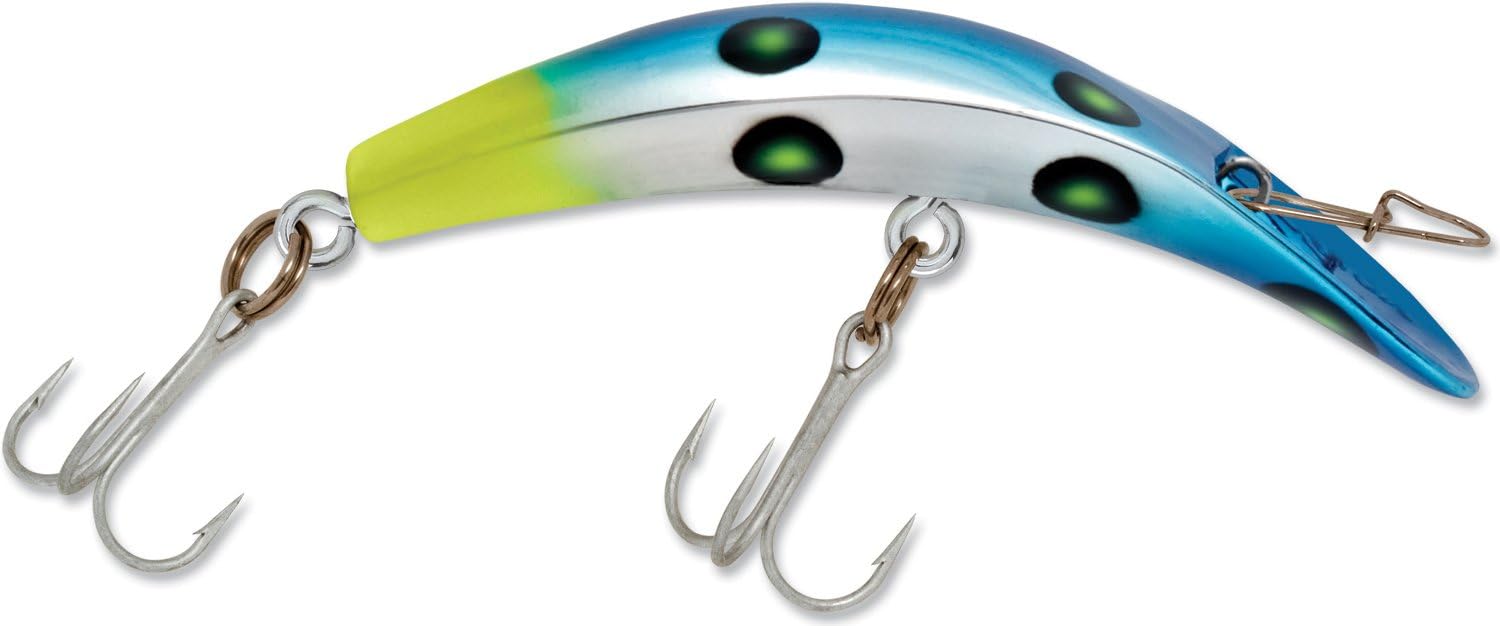
    The Kwikfish is the iconic PNW salmon plug. Developed by Luhr Jensen (now part of Rapala) and refined over 60+ years of PNW salmon fishing, the Kwikfish produces a distinctive wide-wobble action when back-trolled in current. The plug runs at controlled depth, holds position in current, and triggers strikes from staged Chinook holding in river structure. Two sizes cover most applications: the K15 (4 inches) for general Chinook fishing and the K16 (5 inches) for trophy targeting and bigger water. The Rattling version adds internal sound chambers that increase strike frequency in stained water. Color patterns matter — chartreuse, fire tiger, double trouble, and silver patterns dominate the Columbia River. Most anglers wrap the Kwikfish with a strip of cured sardine or herring to add scent; the wrap is held in place with elastic thread. The back-trolling technique requires specific gear (see the Lamiglas Kwikfish rod in the rods guide) and boat positioning skill, but produces fish that other techniques miss. K15 and K16 are essential tackle box items for any serious Chinook angler in the Pacific Northwest.

    Yakima Mag Lip 4.0

    Buy it on Amazon

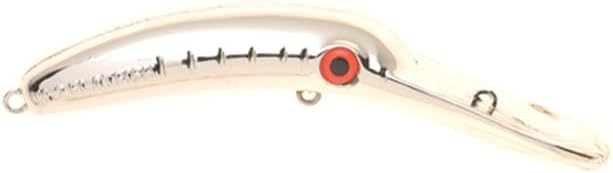
    The Yakima Mag Lip is the Kwikfish alternative — different design, different action, often productive when Kwikfish aren’t. Where the Kwikfish wobbles side-to-side, the Mag Lip has a tighter, more vibration-heavy action. The 4.0 size matches K15 in physical dimensions and target species. Both are competing products from Yakima Bait (which acquired the Luhr Jensen Kwikfish line) — the company sells both as alternatives for different conditions. Anglers typically carry both in their tackle box and switch between them based on what’s producing on a given day. The Mag Lip’s tighter action sometimes outperforms Kwikfish in colder water and pressured fish situations. Same color patterns work for both lines. Mag Lip wraps with sardine or herring the same way Kwikfish does.

    Cut-Plug and Bait-Wrap Plugs

    Brad’s Cut Plug Killer 4.0

    Buy it on Amazon

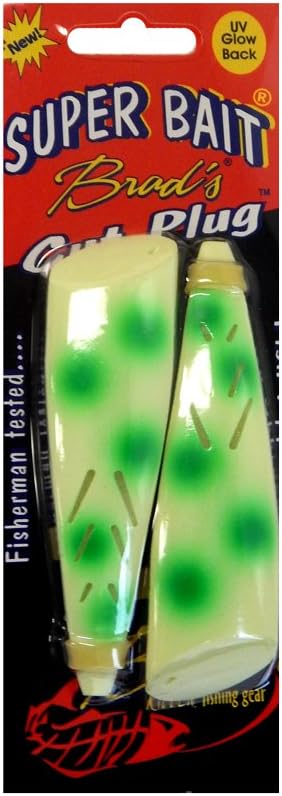
    The Brad’s Cut Plug Killer is the hollow plug that holds bait. Anglers fill the cavity with cured herring, sardine, anchovy, or scented bait, then troll the plug at depth with a downrigger or dipsy diver. The combination of plug action plus natural bait scent triggers Chinook strikes that pure-artificial plugs sometimes don’t. The “Brad’s wrap” — a specific technique of preparing herring fillets and stuffing the Cut Plug — is iconic PNW Chinook fishing. The 4.0 size targets standard Chinook fishing; larger sizes available for trophy applications. Best used in ocean trolling (Westport, Ilwaco, Sekiu) and Columbia River estuary work (Buoy 10). Patterns include the famous “Cookies and Cream” (white with chartreuse), glow patterns for low-light conditions, and natural minnow patterns. The plug requires the Brad’s wrap setup — buy the company’s how-to materials or watch videos before your first use. Once mastered, it’s one of the most productive Chinook techniques in the PNW.

    Drift Bobbers

    Yakima Spin-N-Glo Drift Bobber

    Buy it on Amazon

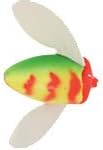
    The Spin-N-Glo is the most-used river salmon and steelhead lure in the PNW. The small foam float has rotating “wings” that spin in current, producing a visual attractor effect that combines with the float’s buoyancy to hold bait at fish-eye level. Spin-N-Glos work with cured salmon eggs, prawns, sand shrimp, or as a stand-alone visual attractor. The lure is the foundation of bobber-doggin’ — the float fishing technique that dominates PNW river salmon and steelhead fishing. Color matters significantly: chartreuse, pink, orange, and red are the producers, with specific local preferences on each river (the Cowlitz has different favorites than the Columbia tributaries). Sizes range from small (#10) for small streams to large (#0) for big-water Chinook. Most anglers carry 10+ colors in 2-3 sizes. Use with appropriate weight (split shot or pencil weight) to get the bobber-and-bait combination to the right depth. See the bobber-doggin’ guide for the full technique.

    Spinners

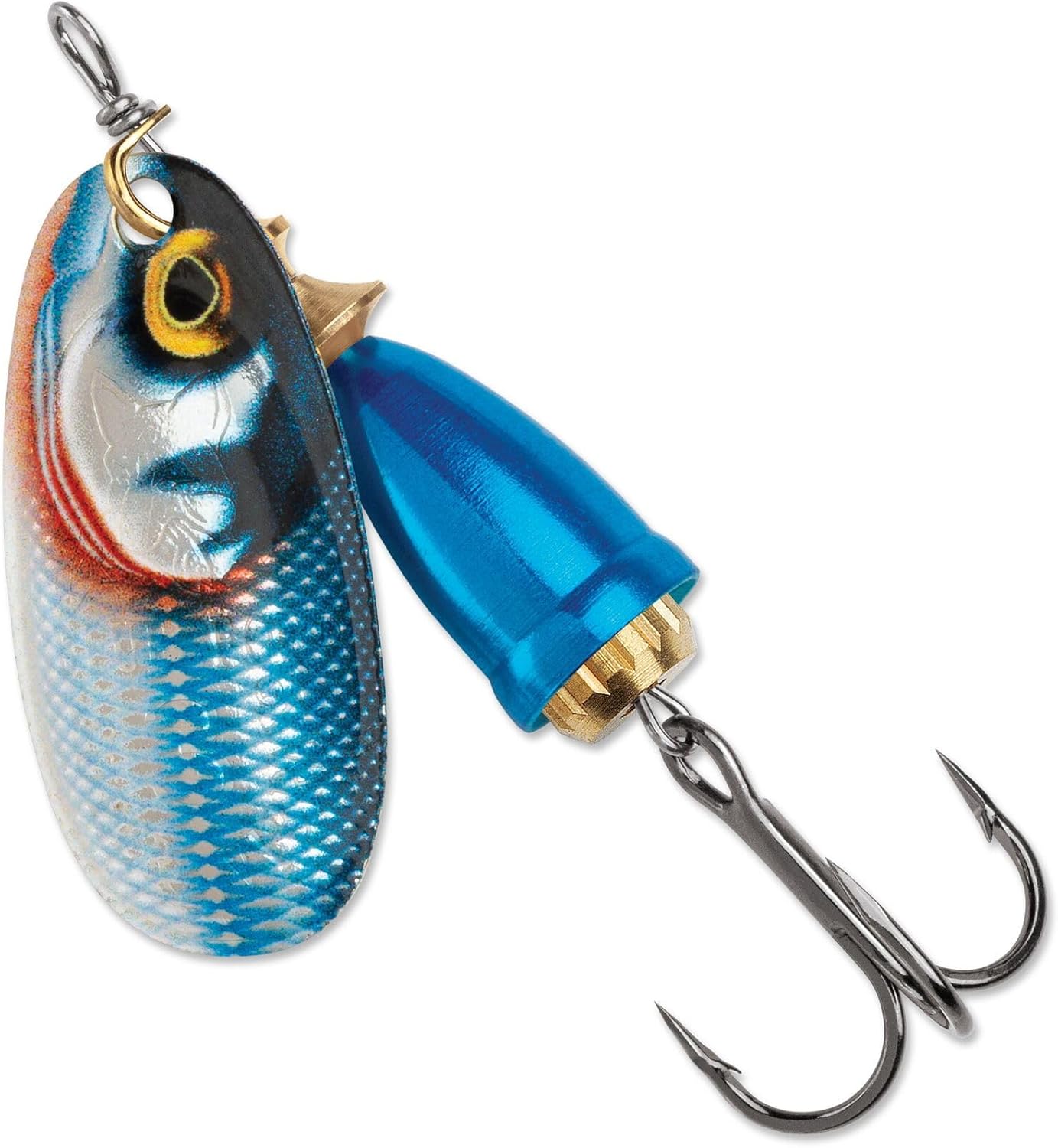
    Blue Fox Vibrax Bullet Spinner #6

    Buy it on Amazon

    The Blue Fox Vibrax Bullet is the river Coho-killer. Cast across the river to reach far structure, retrieve with a moderate-fast cadence, and Coho commit aggressively. The Vibrax design features a sound chamber that produces vibration in addition to the spinning blade’s flash — the combination triggers strike responses from Coho that other spinners miss. Size #6 is the Coho standard; size #5 for smaller water, size #7 for Chinook. Color patterns: chrome (most common), silver/blue, fire tiger, and brass for stained water. Best applications: river casting for Coho, particularly during the August-November Coho run, and shore casting in estuaries. Cross-references for spinners: Mepps Aglia #4-5 from the Great Lakes salmon silo also produces in PNW rivers — the Mepps is the European-design competitor to the Vibrax. Both work; many anglers carry both.

    Mepps Aglia #4 (Cross-Reference)

    Buy it on Amazon

    The classic French-designed spinner that produces Coho and Chinook in PNW rivers. Already featured in the Great Lakes coho lures guide for its Great Lakes performance. Same lure works in PNW rivers — chrome, silver, and fluorescent orange patterns are the producers. The Mepps has a different blade design than the Vibrax (heart-shaped vs Bullet); the action profile is slightly different. Some anglers prefer Mepps in clearer water, Vibrax in stained water. Both belong in a serious PNW salmon spinner box.

    Color Selection by Conditions

    Conditions Best Colors Why
    Clear water, bright sun Natural silver, herring, blue/silver Mimics live bait, less aggressive presentation
    Stained water (post-rain rivers) Chartreuse, fire tiger, fluorescent orange Visible through turbidity
    Low light (dawn, dusk) Glow patterns, chartreuse Self-illuminated, charges with daylight
    Cold water (early season) Brighter patterns generally Cold fish respond to higher-contrast lures
    Pressured fish (late season) Natural patterns, downsized lures Less visually aggressive when fish are educated

    Bait and Scent Considerations

    Most PNW salmon lures perform better with bait or scent additions:

    • Cured herring wraps on Kwikfish and Mag Lip plugs — increases strike rates significantly
    • Sardine wraps as alternative to herring — sometimes preferred for back-trolling
    • Anchovy fillets in Brad’s Cut Plug — the most-used Cut Plug filling
    • Cured salmon eggs on Spin-N-Glos for bobber-doggin’
    • Sand shrimp as Spin-N-Glo dressing — particularly effective for steelhead crossover
    • Pro-Cure brush-on scent on spinners and spoons — adds scent without changing presentation

    The bait-scent combination is essential PNW salmon technique. Pure artificial works occasionally; the scent advantage produces consistently better catch rates.

    Trolling Spoons

    The spoon category for Pacific salmon overlaps significantly with the Great Lakes salmon silo. Rather than duplicate content, see:

    For Pacific-specific spoon brands, Silver Horde and Brad’s are PNW-native. Stillaguamish River clinker spoons have regional followings. Most coastal Washington tackle shops carry localized spoon variations that work for specific rivers — local knowledge matters significantly in spoon selection.

    Lure Selection by Species

    Target Top Lure Choices
    Chinook (Ocean troll) Brad’s Cut Plug w/ herring, trolled spoons (Coyote), Mag Lip with bait wrap
    Chinook (River back-troll) Kwikfish K15/K16 w/ sardine wrap, Mag Lip 4.0 alternative
    Chinook (Plunking) Spin-N-Glo with cured eggs, heavy weight for current
    Coho (Ocean troll) Brad’s Cut Plug, smaller spoons, Mag Lip 3.5
    Coho (River casting) Vibrax #6, Mepps #4-5, smaller Kwikfish
    Coho (Bobber-doggin’) Spin-N-Glo with sand shrimp or eggs
    Pink salmon Small pink spoons, pink jigs, Vibrax #4
    Sockeye Small Kwikfish and Mag Lip variants, specialized sockeye flies

    Common Mistakes

    Wrong size lure for the target. A K15 Kwikfish is overkill for Coho and underpowered for trophy Chinook. Match plug size to target species.

    Skipping the bait wrap. Pure-artificial Kwikfish and Mag Lip plugs work but produce significantly worse than wrapped versions. Learn to wrap before fishing the technique.

    Wrong color for conditions. The lure that works in clear sunny water fails in stained post-rain water. Match color to conditions; carry multiple options.

    One lure brand only. PNW salmon fishing rewards variety. Kwikfish, Mag Lip, Brad’s, spoons, and spinners all produce — different presentations work on different days. Build a multi-brand tackle box.

    Cheap lures for serious fishing. The price differences between premium and bargain lures matter for hook quality, finish durability, and consistent action. Spend the extra few dollars for production lures from established PNW brands.

    Not changing lures regularly. If a lure hasn’t produced in 45-60 minutes, change. Salmon respond to specific presentations on specific days; the lure that worked last trip may fail today.

    Following recipe rather than local knowledge. PNW salmon fishing is hyper-local. Talk to tackle shops on the river you’re fishing; ask what’s producing this week. The lure recipe that works on the Columbia mouth fails on the Hoh River.

    Building a PNW Salmon Tackle Box

    Starter set for serious PNW salmon angler:

    • 4-6 Kwikfish K15 in chartreuse, fire tiger, double trouble, silver
    • 2-3 Kwikfish K16 in chartreuse and double trouble for trophy applications
    • 3-4 Yakima Mag Lip 4.0 for alternatives
    • 2-3 Brad’s Cut Plug Killer in cookies and cream, glow, and natural
    • 10+ Spin-N-Glos in chartreuse, pink, orange, red — multiple sizes
    • 4-6 Blue Fox Vibrax #6 in chrome, silver/blue, fire tiger
    • 2-3 Mepps Aglia #4-5 as Vibrax alternatives
    • Cured herring and sardines (freeze them before trips)
    • Pro-Cure brush-on scent
    • Elastic thread for plug wraps
    • Replacement hooks and split rings

    This starter set covers most PNW salmon situations. Add specialized lures (region-specific brands, brand-new patterns) as you develop preferences and target specific waters.

    Gear Pairings

    Frequently Asked Questions

    What’s the best lure for Pacific salmon?

    Depends on technique. For back-trolling Chinook: Luhr Jensen Kwikfish K15. For ocean Chinook trolling: Brad’s Cut Plug Killer. For river Coho: Blue Fox Vibrax #6. For bobber-doggin’: Spin-N-Glo.

    What size Kwikfish for Chinook?

    K15 (4 inches) for general Chinook fishing. K16 (5 inches) for trophy targeting and big water. Smaller sizes (K13, K11) for smaller streams or steelhead applications.

    How do I wrap a Kwikfish with bait?

    Cut a strip of cured sardine or herring 1-2 inches long. Place it on the belly of the Kwikfish. Wrap with elastic thread (Magic Thread or similar) to hold the bait in place. The wrap keeps the bait scent in the water while preserving the plug’s action. YouTube videos demonstrate the technique; watch several before your first attempt.

    What’s a Spin-N-Glo?

    A small foam float with rotating “wings” that spin in current. Used in bobber-doggin’ — a PNW river technique where the float keeps bait (cured eggs, sand shrimp) at fish-eye level. The spinning wings add visual attraction. The most-used river salmon and steelhead lure in the PNW.

    What color lure for Pacific salmon?

    Chartreuse and fire tiger are universal producers across PNW waters. Natural patterns (silver, herring) for clear water. Glow patterns for low-light or deep water. Match conditions, not personal preference. Most serious anglers carry 6-10 color variations per lure type.

    Do I need to wrap lures with herring?

    For Kwikfish and Mag Lip plugs: yes, the bait wrap significantly improves catch rates. For Brad’s Cut Plug: yes, the lure is designed around bait stuffing. For Spin-N-Glos: yes, fish bait (eggs or shrimp) below the float. For spinners and spoons: not required but scent additions help.

    Are Pacific salmon lures the same as Great Lakes salmon lures?

    Partial overlap. Spoons and some spinners cross over (Mepps Aglia works in both). But the iconic PNW lures (Kwikfish, Brad’s Cut Plug, Spin-N-Glo) are PNW-specific designs that don’t translate directly to Great Lakes fishing. The Great Lakes salmon silo has its own dominant lures — see the Great Lakes king salmon spoons guide.

    Plan Your Trip

    Related Guides

    Tight lines!
  • Best Tip-Ups for Ice Fishing: Pike, Walleye & Lake Trout

    Tip-ups are the patient angler’s ice fishing tool. While active jigging demands constant attention, a tip-up sits silently over a hole with a baited rig, waiting for a fish to commit to running with the bait. The mechanism releases a flag when a fish takes — a visible signal across the ice that says “go set the hook.” Tip-ups are how Upper Midwest anglers catch the biggest pike of the year, and they’re a key part of multi-rod walleye spreads on Mille Lacs and Lake of the Woods.

    This guide covers the three tip-up styles that dominate the category, how they differ, and how to choose. Most serious ice anglers eventually own multiple tip-ups — both because state regulations allow multiple lines per angler and because the patient bait-and-wait approach pairs well with active jigging from a separate hole.

    ⚡ Quick Picks by Situation

    Best classic tip-up: Beaver Dam Original — the wood-frame standard.

    Best thermal (hole-covering): HT Polar Therm — covers the hole, prevents freeze-back.

    Best premium thermal: Frabill Pro-Thermal — refined design with better hardware.

    For pike: Any of the above with a wire leader and 14-30 lb test line.

    Start with: Two Beaver Dams or two HT Polar Therms — most states allow 2-3 lines per angler.


    Let’s go Fishing!
    Search for the Perfect Fishing Trip or Charter
    Upper Midwest Ice Fishing
    Verified reviews · Free cancellation · 90-day price match
    Powered by FishingBooker · Affiliate partner

    How a Tip-Up Works

    The basic mechanism is simple: a spool of heavy line hangs below the ice surface with a baited rig (typically a treble hook with a live shiner or large minnow). The frame sits on or over the hole. A trigger holds a spring-loaded flag down against the frame. When a fish takes the bait and pulls line, the trigger releases and the flag pops up — a visible signal across the ice.

    The angler watches multiple tip-ups across the lake (most states allow 2-3 lines per angler), running to set the hook when a flag deploys. This passive approach works particularly well for predator species (pike, walleye, lake trout) that take their time committing to bait. Tip-ups also let an angler cover more water than active jigging from a single hole.

    The Three Tip-Up Categories

    Style Hole Coverage Best For
    Classic Wood Frame Above hole (open hole) Traditional aesthetic, simplicity, mild weather
    Thermal / Cover Style Covers entire hole Cold weather (prevents freeze-back), most modern use
    Wind Tip-Up Above hole Active wind-driven jigging action

    Classic Wood Frame Tip-Ups

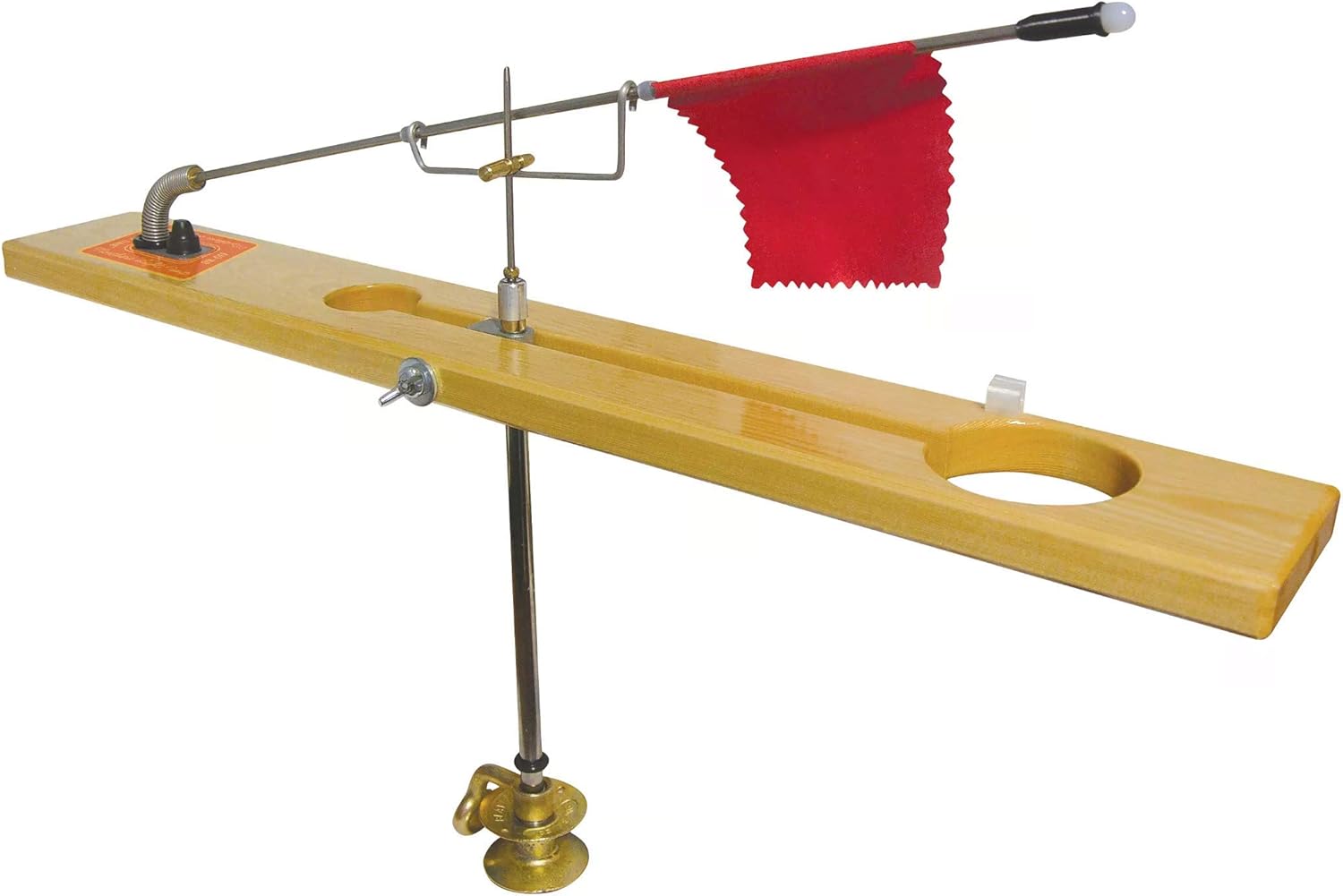
    Beaver Dam Original

    Buy it on Amazon

    The Beaver Dam Original is the wood-frame tip-up that defined the classic style. Hand-made in Vermont since the 1940s, the Beaver Dam uses an oak frame, brass hardware, and a stainless steel spring — components that last decades with basic care. The mechanism is simple, reliable, and replaceable. Setup is straightforward: stake the frame across the hole, set the trigger with the spring-loaded flag down, drop the baited rig. Best for traditional aesthetic-minded anglers and mild-weather fishing where freeze-back of the hole isn’t the limiting factor. The Beaver Dam doesn’t cover the hole, so in extreme cold the hole will freeze around the line and need to be re-drilled. The classic appeal and lifetime durability justify the slightly higher price than modern plastic alternatives.

    Thermal / Hole-Covering Tip-Ups

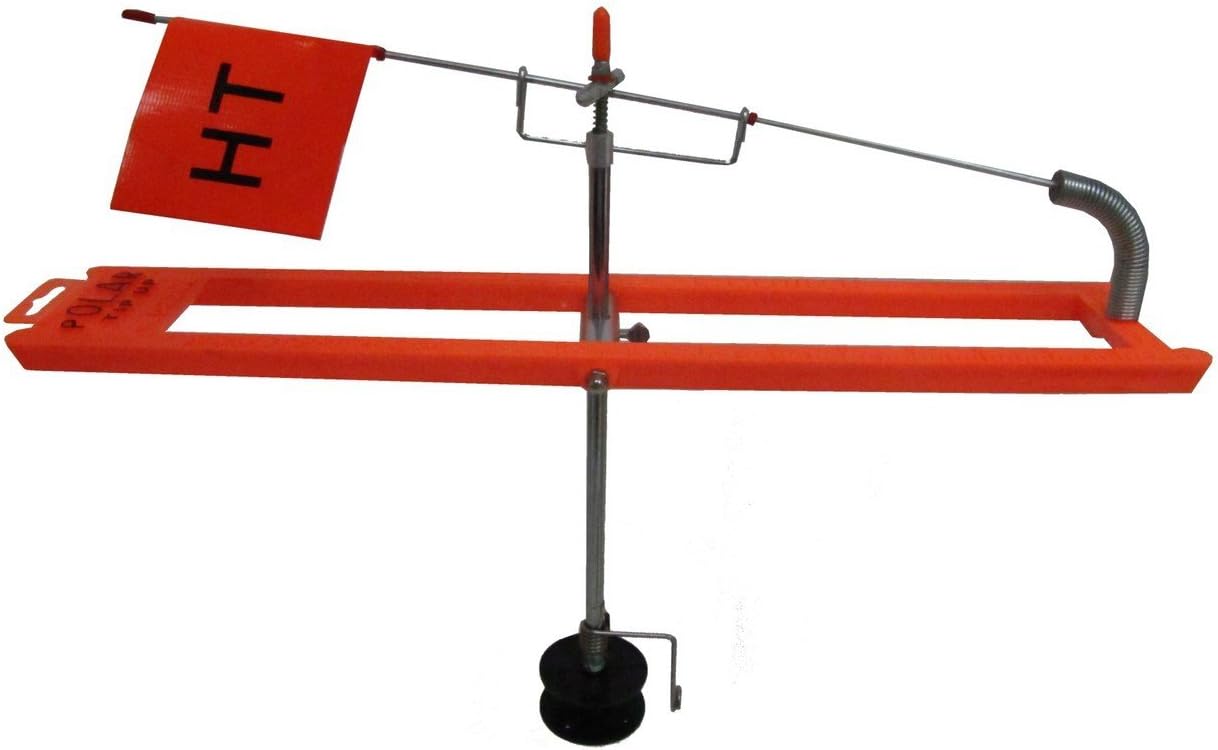
    HT Polar Therm Tip-Up

    Buy it on Amazon

    The HT Polar Therm represents the modern hole-covering thermal tip-up that has become the dominant category for serious ice anglers. The plastic frame extends across the hole, covering it completely. Insulation around the hole-covering portion prevents freeze-back even in deep cold (below 0°F). The mechanism uses the same spring-loaded flag as classic tip-ups but in a more compact frame. Best for serious cold weather fishing where freeze-back is the primary frustration with classic tip-ups. The hole stays open for hours of fishing rather than needing to be re-drilled every hour or two. Price point makes it accessible — typically half the cost of the Beaver Dam Original for a more functional modern design.

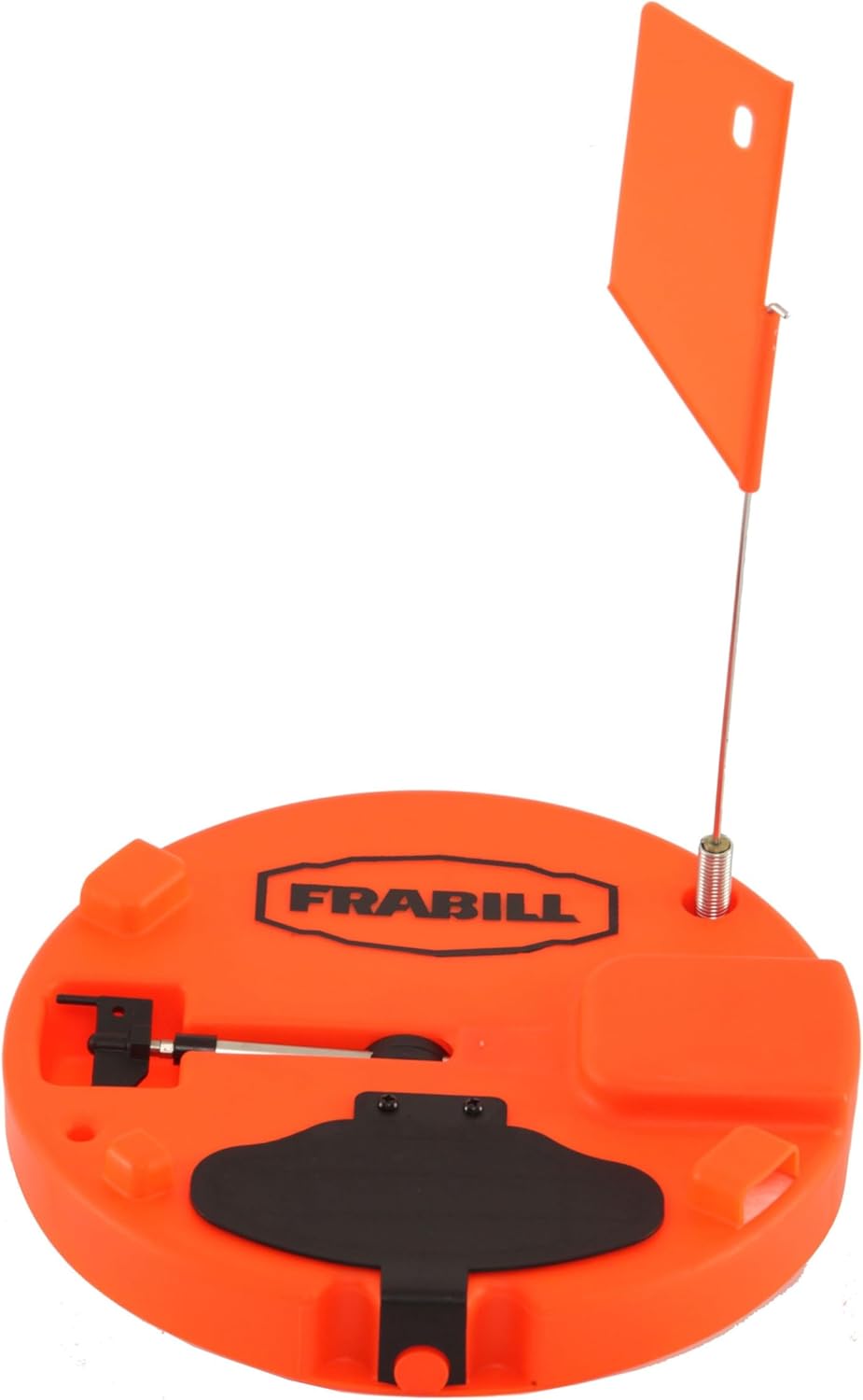
    Frabill Pro-Thermal Tip-Up

    Buy it on Amazon

    The Frabill Pro-Thermal is the premium thermal tip-up. Refined design touches separate it from the HT Polar Therm: better hardware quality (stainless steel components, improved flag spring), more durable plastic frame, and a smoother trigger mechanism that reduces false-flag deployments from wind. Frabill’s brand reputation for ice fishing accessories carries over to their tip-ups. For anglers fishing 30+ days per year or in particularly harsh conditions (Lake of the Woods, Canadian shield), the Pro-Thermal’s refinements pay back over years of use. Pair with quality tip-up line and a wire leader for pike applications.

    Tip-Up Line and Rigging

    Tip-up rigging differs significantly from active rod fishing:

    Mainline: 30-40 lb black dacron tip-up line is the traditional standard. Dacron has minimal stretch (so you feel takes when running to the flag), maintains supple feel in cold, and is highly visible against snow when handling. Most tip-ups come pre-spooled with appropriate line.

    Leader: Fluorocarbon leader (10-20 lb for walleye, 20-30 lb for pike) connecting the dacron to the bait. For pike, add a 12-18″ wire leader (90 lb single-strand) — pike teeth cut fluorocarbon. See the pike lures guide for wire leader options.

    Hook setup: Treble hooks (size 6 for walleye, size 4 for pike) on a quick-strike rig. Live shiner or sucker hooked through the back, allowing it to swim naturally.

    Weight: A small split shot 12-18″ above the hook keeps the bait at depth. For deep water, add additional weight as needed.

    Depth setting: Use a depth weight to find bottom, then set the bait 6-18″ off bottom for walleye and pike. Higher in the water column for lake trout (which suspend).

    Setting and Watching Tip-Ups

    The skill of tip-up fishing:

    Spread tip-ups across productive water. Don’t cluster them in one spot. Use lake structure (depth changes, points, weed edges) to position each tip-up in slightly different water.

    Stay within sight of all your tip-ups. When a flag pops, you have a finite window to set the hook before the fish drops the bait. Fishing from a shelter or vehicle that has clear sight lines to all your tip-ups is important.

    Set the flag tension correctly. Too tight and small fish won’t trip it. Too loose and wind triggers false flags. Adjust based on bait size and species.

    Use a buddy system. Two anglers covering 4-6 tip-ups across more water than one angler can manage. Trade off who runs to which flag.

    Re-bait regularly. Sluggish or dead minnows don’t trigger strikes. Cycle bait every couple of hours.

    Handle the line carefully when setting the hook. When you reach the tip-up, pull line in by hand (not with the spool). When you feel weight, set the hook with a sharp pull. Then play the fish hand-over-hand back to the hole.

    State Regulations

    Most Upper Midwest states allow 2-3 lines per angler under the ice:

    • Minnesota: 2 lines per angler standard; some special-regulation lakes allow more.
    • Wisconsin: 3 lines per angler.
    • Michigan: 3 lines per angler.
    • Ontario: Varies by zone — check current regulations.

    Always verify current regulations at the time of your trip. DNRs update rules periodically.

    Common Mistakes

    Not setting tension correctly. Most missed flags come from incorrect flag tension. Practice setting it before getting on the ice.

    Skipping the wire leader for pike. Pike cut mono and fluoro. Always use wire when pike are possible — even when walleye are the target.

    Tip-ups too close together. Don’t cluster. Spread them across productive water — different depths, different structure.

    Watching from too far away. If you can’t see flags clearly, you can’t react fast enough. Stay within 100-200 yards visually.

    Fishing dead bait too long. Cycle bait every couple hours. Sluggish minnows don’t draw strikes.

    Setting the hook too hard. Tip-up takes can be subtle. A firm but smooth hookset works better than a violent yank that pulls the bait from the fish.

    Gear to Pair with Your Tip-Ups

    Frequently Asked Questions

    What’s the best tip-up?

    The Beaver Dam Original is the classic wood-frame standard. The HT Polar Therm is the best value modern thermal. The Frabill Pro-Thermal is the premium refined alternative.

    How many tip-ups can I use?

    Most Upper Midwest states allow 2-3 lines per angler under the ice. Minnesota: 2. Wisconsin: 3. Michigan: 3. Verify current regulations at the time of your trip.

    What line for tip-ups?

    30-40 lb dacron mainline (typically pre-spooled). 10-30 lb fluorocarbon leader to a treble hook. For pike, add a 12-18″ wire leader. The dacron’s minimal stretch means you feel fish when you reach the tip-up.

    What’s a “thermal” tip-up?

    A tip-up frame that covers the hole rather than sitting across it. The cover insulates the hole from cold air, preventing freeze-back. The hole stays open for hours of fishing rather than re-freezing every couple hours.

    What species are tip-ups best for?

    Pike (the classic tip-up target), walleye (in multi-line spreads), and lake trout. Tip-ups don’t work as well for active panfish (crappie, bluegill) that prefer faster jigging presentations.

    Do I need a wire leader for tip-ups?

    Yes for pike — their teeth easily cut mono and fluoro. For pure walleye fishing (no pike in the lake), heavy fluoro is sufficient. When in doubt, use wire. See the best fishing knots guide for the Albright knot used to connect dacron to wire.

    Plan Your Trip

    Related Guides

    Tight lines!
  • Best Ice Shelters: Flip-Over & Hub Buying Guide

    An ice shelter transforms ice fishing from a tolerance exercise into an enjoyable one. Without shelter, ice fishing on a 10°F day with wind quickly becomes about managing cold rather than catching fish. With shelter, the same conditions become genuinely comfortable — heated interior, wind block, room to fish multiple holes, and protection that extends the fishing day to its productive maximum. The shelter is often the gear item that separates serious ice anglers from casual ones.

    This guide covers the three shelter categories — flip-overs, hub-style shanties, and wheelhouses — and the specific products that consistently perform across Upper Midwest conditions. Pair with the ice fishing safety guide for the cold-weather context and the augers guide for the equipment that creates the holes you’ll fish from inside.

    ⚡ Quick Picks by Situation

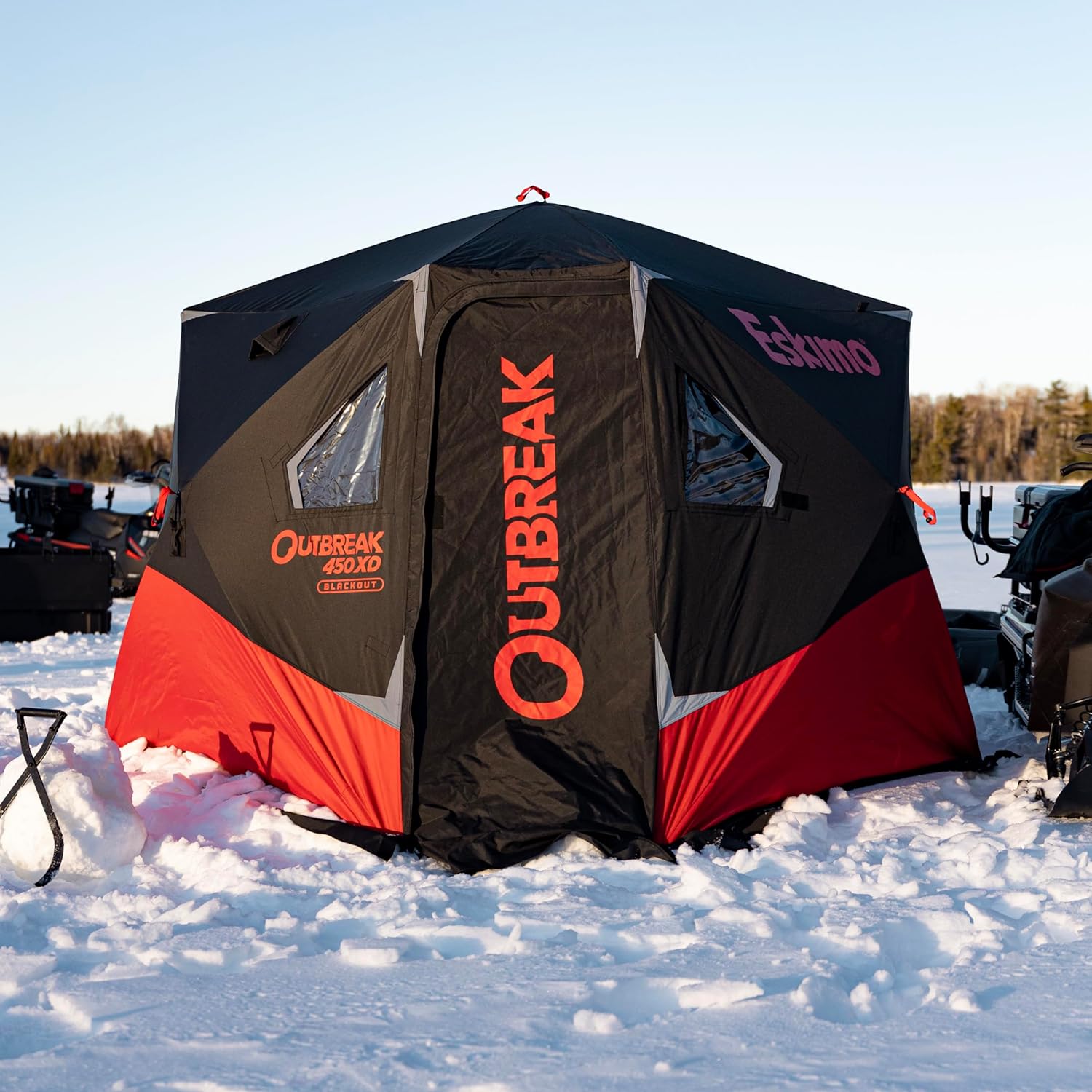
    Best flip-over (4-5 person): Eskimo Outbreak 450XD — the workhorse flip-over.

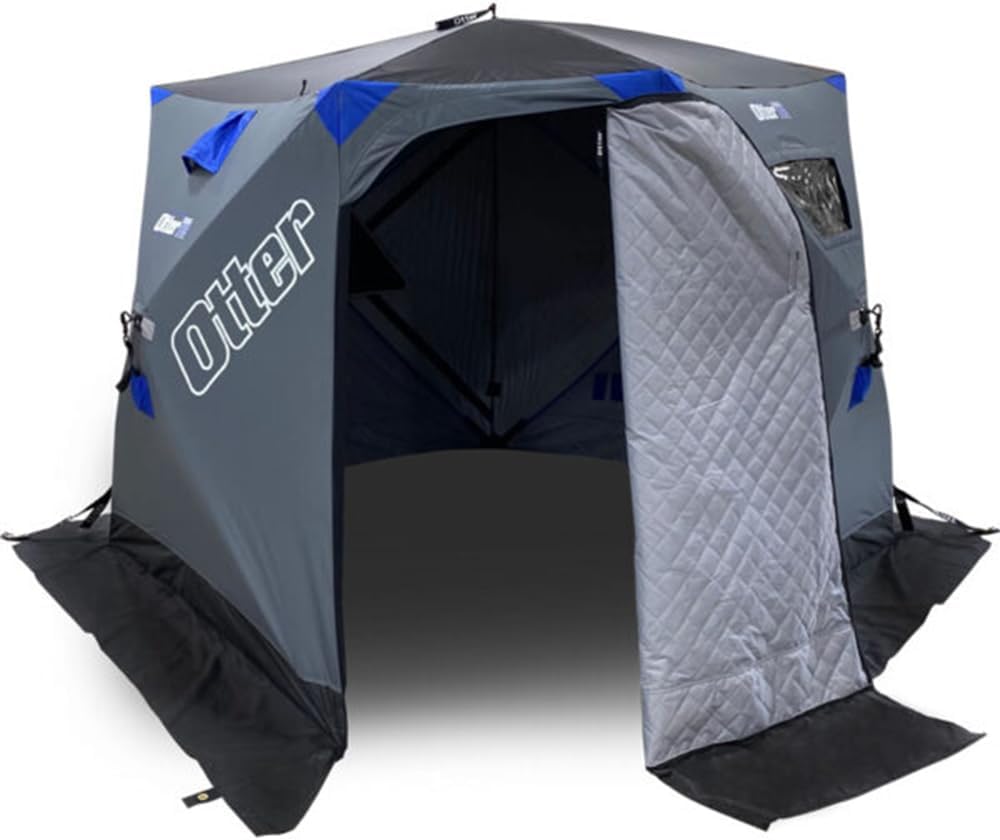
    Best premium flip-over: Otter Vortex Pro Cabin — refined build, better insulation.

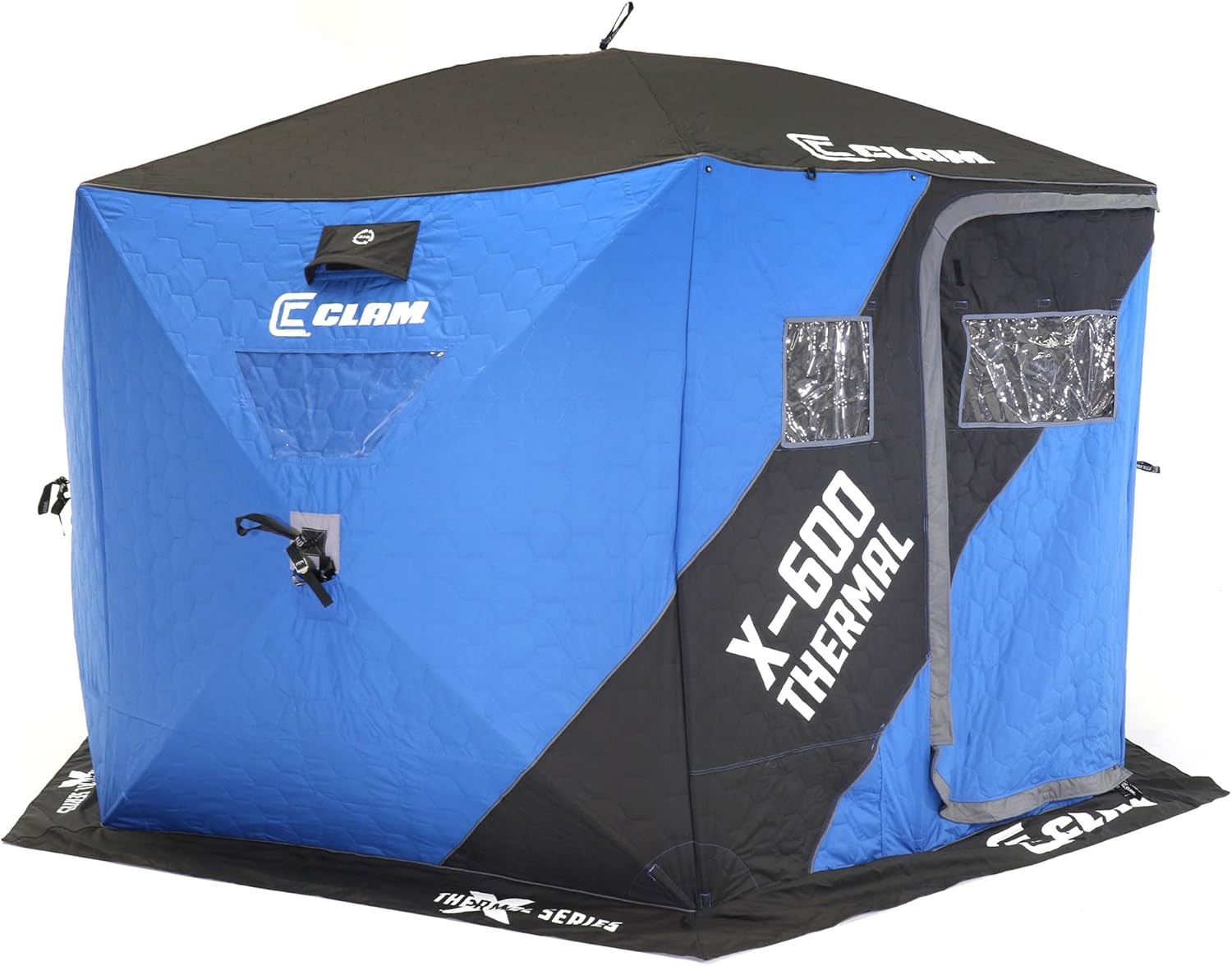
    Best hub for groups: Clam X-600 Thermal Hub — sets up larger than flip-overs.

    Best for mobile fishing: Smaller flip-overs (2-3 person Eskimo or Otter).

    Best for multi-day stays: Wheelhouse rental at a destination resort — see Lake of the Woods guide.


    Let’s go Fishing!
    Search for the Perfect Fishing Trip or Charter
    Upper Midwest Ice Fishing
    Verified reviews · Free cancellation · 90-day price match
    Powered by FishingBooker · Affiliate partner

    Shelter Category Overview

    Category Setup Speed Mobility Best For
    Flip-Over 30 seconds High (sled mounted) Mobile fishing, 1-5 anglers, day trips
    Hub Shanty 2-5 minutes Medium (pop-up, carry to ice) Group fishing, semi-permanent setup
    Wheelhouse 15-30 min (parking) Low (towed onto ice) Multi-day stays, overnight fishing
    Permanent Shack Days/weeks setup None (left on lake all season) Local anglers with year-after-year use

    Flip-overs dominate the recreational ice fishing market. They strike the best balance between speed of setup, mobility across the lake, and protection from cold. Hub shanties serve groups and longer sessions. Wheelhouses are the premium destination ice fishing experience.

    Flip-Over Shelters

    Eskimo Outbreak 450XD

    Buy it on Amazon

    The Eskimo Outbreak 450XD is the workhorse flip-over shelter for groups of 4-5 anglers. The “flip-over” design integrates the shelter into a sled: the sled hauls gear across the ice, and when you reach your spot, the shelter flips up and over the sled to create an enclosed fishing space. Setup takes about 30 seconds from arrival to fishing. The 450 series provides 65 sq ft of fishing space (5 fishable holes typically), 600-denier insulated fabric for cold weather, and aluminum framework that handles wind. The XD designation adds insulation and durability over the base 450 model — worth the premium for serious users. Best applications: family ice fishing trips, group walleye fishing on Mille Lacs and Lake of the Woods, mobile fishing where you’ll relocate during the day. Eskimo’s brand reputation in the category is well-established; replacement parts and warranty support are accessible. Price point around $700-900 depending on configuration.

    Otter Vortex Pro Cabin

    Buy it on Amazon

    The Otter Vortex Pro Cabin is the premium flip-over option. Otter Outdoors (Minnesota-based) has a reputation for the most refined flip-over builds in the category: heavier sled material that handles rough ice better, more durable fabric with better cold-weather performance, more comfortable interior design with better storage organization, and refined hardware throughout. The Pro Cabin specifically provides cabin-style standing room — a comfort advantage that matters during multi-hour sessions. The trade-off is significantly higher cost ($1,200-1,800 depending on size and configuration) and slightly more weight than competing flip-overs. For anglers who fish 30+ days per year, the refinements pay back in comfort and durability. For occasional anglers, the Eskimo Outbreak delivers the core flip-over benefits at lower cost.

    Hub-Style Shanties

    Clam X-600 Thermal Hub

    Buy it on Amazon

    The Clam X-600 Thermal Hub represents the hub-style shanty alternative to flip-overs. Hubs use a pop-up tent design: collapsed for transport, then expanded into a freestanding structure on the ice. The X-600 provides 60 sq ft of fishing space — comparable to a large flip-over — but in a different form factor. The hub doesn’t roll on a sled; you carry it to the ice in a duffel-style bag, then set it up where you want to fish. The thermal insulation in the X-600 is significant — 90-gram thermal fabric, sealed window flaps, and floor coverage that prevents drafts. Best for: groups of 4-6 anglers, semi-permanent setups where you’ll fish the same spot all day, and situations where the flip-over’s sled-based mobility isn’t needed. The Clam hub category also has smaller (X-200, X-300, X-400) and larger (X-800) options to match group size. Clam is the dominant brand in the hub category — alternative brands exist but Clam has the most refined product line.

    Wheelhouses

    Wheelhouses are the premium ice fishing experience but operate on a different scale than purchasable shelters. A wheelhouse is essentially a small RV or trailer built for ice fishing — heated cabin with sleeping quarters, kitchen, propane heat, holes in the floor for fishing, and lighting for overnight sessions. Costs run $15,000-50,000+ to purchase, plus tow vehicle, plus storage during the off-season.

    For most anglers, wheelhouse rental at a destination resort is the way to experience this category:

    • Lake of the Woods (Baudette, Wheelers Point): Multiple resorts offer wheelhouse rentals. $300-600 per night with bedding, heat, and fishing gear included.
    • Mille Lacs: Garrison and Isle area resorts. Similar pricing and inclusion.
    • Upper Red Lake: Wheelhouse rental destination for serious crappie and walleye fishing.

    The wheelhouse experience justifies the destination-trip cost for serious ice anglers. See the Lake of the Woods guide and Mille Lacs guide for destination details.

    Choosing a Shelter Size

    Anglers Recommended Shelter Sq Ft
    Solo angler, mobile fishing 1-2 person flip-over (Eskimo or Otter) 30-45
    2-3 anglers, day trip 2-3 person flip-over 45-60
    4-5 anglers, family trip Eskimo Outbreak 450XD or Otter Vortex Pro Cabin 60-70
    5-6+ anglers, group Clam X-600 Hub or larger 60-100+
    Multi-day stays Wheelhouse (rent or buy) 80-200+

    Err on the side of slightly larger than you think you need. Anglers spread out, gear accumulates, heat sources need space — too-small shelters become cramped quickly.

    Heating Your Shelter

    Propane heat is the standard. Three options:

    Mr. Heater Buddy series. The category benchmark. Portable propane heaters that warm a flip-over in minutes. 4,000-12,000 BTU options cover most shelter sizes. Includes low-oxygen shutoff for safety.

    Catalytic heaters. Use a chemical catalyst rather than open flame. Lower CO output but slower heating. Less common in modern ice fishing.

    Wheelhouse furnaces. Built-in forced-air systems on wheelhouses. Most reliable heat but only available in permanent installations.

    Critical safety note: propane combustion produces carbon monoxide. CO is odorless and colorless. In an enclosed shelter, CO can build to dangerous levels within hours. Always ventilate when using propane heat — crack a window or vent. Carry a CO detector for overnight wheelhouse stays. See the ice fishing safety guide for detailed CO awareness.

    Common Mistakes

    Undersizing the shelter. Buying a 2-person shelter for a 3-person family means cramped quarters and inadequate hole access. Match shelter size to your actual group + a margin.

    Skipping the insulated upgrade. Base shelter fabric is functional in mild weather. Insulated upgrades (XD versions, thermal hubs) provide significant warmth advantage in deep cold. Worth the investment for Upper Midwest conditions.

    Improper ventilation with propane heat. CO from propane heaters kills. Always vent. Don’t sleep in shelters with running heaters unless you have CO detection and adequate ventilation.

    Wrong shelter category for your fishing style. If you’ll relocate during the day, get a flip-over (mobility). If you’ll set up and stay, a hub works. If you want overnight, look at wheelhouses (rent first).

    Skipping accessories. Heater, ice anchors (secure the shelter against wind), interior light, hole sleeves to keep holes from freezing back — these accessories make the shelter functional. Budget for them as part of the overall shelter cost.

    Buying without seeing it set up. Shelters are bigger than they look in product photos. If possible, see a setup at a sporting goods store or borrow a friend’s before committing.

    Gear to Pair with Your Shelter

    Frequently Asked Questions

    What’s the best ice fishing shelter?

    The Eskimo Outbreak 450XD is the best value flip-over. The Otter Vortex Pro Cabin is the premium flip-over. The Clam X-600 Thermal Hub is the best hub for groups.

    Flip-over or hub shelter?

    Flip-over for mobility (sled-mounted, fast setup, relocate during the day). Hub for stationary fishing (longer setup but larger interior, better for groups). Most recreational anglers start with flip-overs and add hubs for specific group fishing trips later.

    What size ice shelter do I need?

    1-2 person for solo/duo fishing. 3-person flip-overs for casual day trips. 4-5 person (Eskimo Outbreak 450XD) for family/group trips. 6+ person (Clam X-600 Hub) for larger groups. Err larger — too-small shelters become cramped fast.

    How do I heat my ice shelter?

    Propane heaters from the Mr. Heater Buddy family are the standard. 4,000-12,000 BTU based on shelter size. Always ventilate when running propane heat — carbon monoxide is the major risk. See the ice fishing safety guide for CO awareness.

    Are wheelhouses worth buying?

    For most anglers, no. Wheelhouse rental at destination resorts ($300-600/night) gives you the experience without the $15,000-50,000+ ownership cost. Buy a wheelhouse only if you fish 50+ days a year on ice and have storage/transport infrastructure.

    What’s the lifespan of an ice shelter?

    Quality flip-overs (Eskimo, Otter) typically last 5-10+ years with normal use. The sled bottom wears first; fabric and frame last longer. Hubs (Clam) similar. Wheelhouses last decades with maintenance. The XD/Pro upgrades extend lifespan significantly.

    Plan Your Trip

    Related Guides

    Tight lines!
  • Best Ice Fishing Rods: Walleye, Pike & Panfish Guide

    Ice fishing rods exist on a different scale than open-water rods. Where a walleye spinning rod runs 6’8″ to 7′, an ice fishing rod runs 24″ to 36″. Where a saltwater rod’s blank tapers across multiple feet of action, an ice rod’s blank is doing all its work in 24 inches of length. The compressed scale demands purpose-built design — ice rods aren’t just shortened versions of summer rods, they’re a distinct category with their own engineering.

    This guide covers what makes a good ice rod, the species-matched lengths and powers, and the specific rods that consistently produce. For background on rod construction, the graphite vs fiberglass guide applies to ice rods just as it does saltwater rods — though ice rods lean heavily toward graphite for the sensitivity required to detect light winter bites.

    ⚡ Quick Picks by Situation

    Best all-around walleye/pike: St. Croix Mojo Ice 34″ Medium-Heavy — the workhorse ice rod.

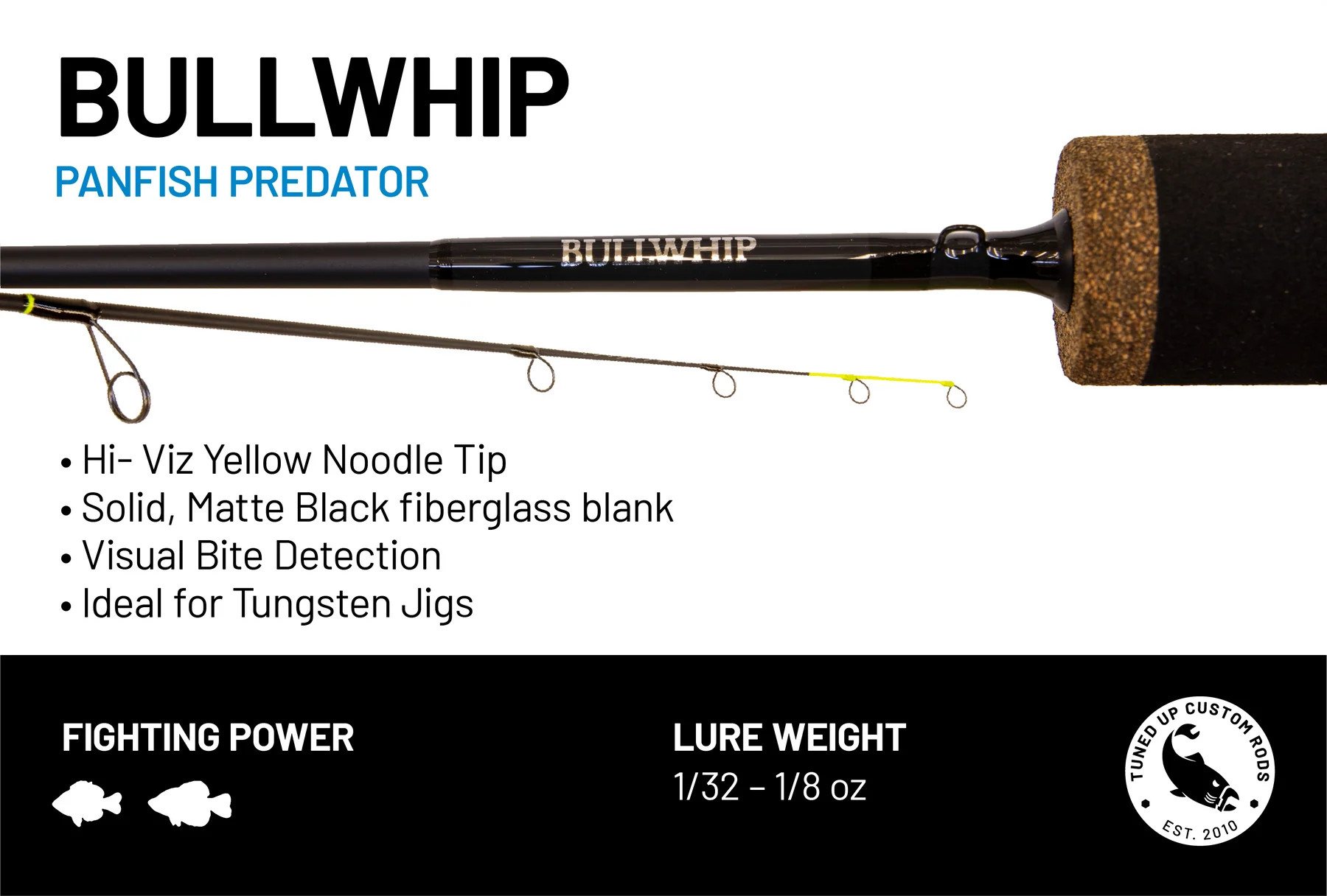
    Best premium specialty: TUCR Bullwhip — custom Tuned Up Custom Rods build.

    Best for panfish: Light or ultralight 28″ rod with extra-fast tip — sensitivity matters most.

    Best for pike on tip-down: Heavy power 36″+ rod — needs backbone for big fish.

    Pair with: Best Ice Fishing Reels and specialty ice line.


    Let’s go Fishing!
    Search for the Perfect Fishing Trip or Charter
    Upper Midwest Ice Fishing
    Verified reviews · Free cancellation · 90-day price match
    Powered by FishingBooker · Affiliate partner

    What Makes a Good Ice Rod

    Ice rods have their own specification set:

    Length: 24″ to 36″. The short length is for working over a hole without flexing the rod against the ice edge. Panfish rods run shorter (24-28″); walleye rods medium (28-32″); pike and lake trout rods longer (34-40″). Length affects leverage during the fight more than casting (you’re not casting under ice).

    Action: Fast to Extra-Fast. Ice fishing demands sensitivity for the light bites typical of winter feeding. Fast-action rods (bending in the top third) transmit subtle taps; extra-fast (top quarter) provides maximum bite detection at the cost of some hookset cushion.

    Power: Ultralight to Heavy. Match power to target species. Panfish: ultralight or light. Walleye/perch: light to medium. Pike/lake trout: medium-heavy to heavy.

    Material: Graphite or graphite composite. Pure graphite for maximum sensitivity. Composite blends add durability at the cost of some sensitivity. The graphite vs fiberglass guide covers the trade-offs — for ice fishing where bite detection is critical, graphite wins.

    Guides: Premium aluminum oxide or titanium. Cold weather doesn’t matter to guide material but line freezes can — guides with smooth interior surfaces handle ice buildup better than rough guides.

    Handle: Cork or EVA, short. The handle on an ice rod is much shorter than a summer rod — usually 5-8 inches. Tucked under your arm or held in one hand while jigging with the other.

    The Workhorse Ice Rod

    St. Croix Mojo Ice 34″ Medium-Heavy

    Buy it on Amazon

    The St. Croix Mojo Ice in 34″ Medium-Heavy is the workhorse ice rod for walleye and pike anglers in the Upper Midwest. St. Croix’s Wisconsin manufacturing tradition extends to their ice rods — these aren’t summer rods cut short, they’re purpose-designed for ice fishing conditions. The Medium-Heavy power handles 1/8 to 1/2 oz jigs and spoons, 8-15 lb line, and walleye through the 8-pound class without compromise. The 34″ length gives leverage for fighting bigger fish while remaining short enough for hole-fishing comfort. The blank’s extra-fast action transmits the subtle weight changes that walleye bites produce in cold water — a critical advantage when fish are sluggish. Best paired with a quality inline reel or small spinning reel. For panfish-focused fishing, the same Mojo Ice family offers lighter power options (Light, Ultralight) in shorter lengths (28″, 24″) — same blank quality, smaller scale. St. Croix’s transferable warranty extends to ice rods — worth knowing for a category where blanks occasionally break against ice edges.

    Premium Specialty Builds

    Tuned Up Custom Rods (TUCR) Bullwhip

    Buy it from TUCR

    Tuned Up Custom Rods (TUCR) is the Minnesota-based custom ice rod builder that has earned a serious following among Upper Midwest ice fishing specialists. The Bullwhip is one of their signature builds — a 32-36″ rod with refined action and components that step beyond what production rods offer. TUCR builds each rod custom to the angler’s specifications: length, action, power, handle configuration, guide selection. The result is a rod precisely tuned to your fishing style. The trade-off: longer lead time (typically several weeks) and significantly higher cost ($250-400 depending on configuration) than mass-produced rods. For anglers who fish 30+ days per year and want premium gear, TUCR Bullwhips justify the cost. For occasional ice anglers, the St. Croix Mojo Ice covers the same ground at lower cost. TUCR also builds rods for walleye-specific applications, panfish, and pike — if the Bullwhip isn’t quite right, browse their full lineup.

    Ice Rod Selection by Species

    Species Length Power Action
    Bluegill, Crappie 24-28″ Ultralight Extra-Fast
    Yellow Perch 26-30″ Light Extra-Fast
    Walleye (general) 28-34″ Medium-Light to Medium Fast to Extra-Fast
    Walleye (large/trophy) 32-36″ Medium Fast
    Pike (jigging) 34-40″ Medium-Heavy to Heavy Fast
    Lake Trout 32-36″ Medium-Heavy Fast
    Deadstick (any species) 24-28″ Light or Medium-Light Slow (visible tip)

    Inline Reels vs Spinning

    The rod is half the equation; the reel determines what line management options you have. Two reel categories:

    Inline reels — designed specifically for ice fishing. The line spools straight off the front without the rotation that twists line on spinning reels. Inline reels are the modern serious-angler standard. See the ice fishing reels guide.

    Small spinning reels — work well for general ice fishing. Less expensive than inline reels. Line twist becomes a problem over multiple fishing days as the spool rotation twists the line. Manageable but a known limitation.

    The spinning vs conventional guide covers the underlying principles. For ice fishing, the choice is between inline (purpose-built) and spinning (general-purpose at lower cost).

    Common Mistakes

    Buying summer rods cut down. Some anglers cut down old summer rods to use as ice rods. Sometimes it works; usually the action doesn’t translate properly. Purpose-built ice rods are tuned for the species, length, and conditions of ice fishing.

    Wrong action for the technique. Slow-action rods are for deadstick presentations where the rod tip flexes to show bites. Fast-action rods are for active jigging where you need bite detection through your hand. Match action to technique.

    Underpowered for trophy fish. A light-action panfish rod can’t land a 10-pound walleye through an 8-inch hole. Match power to the largest fish you might hook.

    Skipping the warranty consideration. Ice rods break occasionally — flexing against ice edges, being stepped on in the shelter, getting slammed in the truck door. St. Croix and similar manufacturers offer transferable warranties that pay back across many seasons.

    Using non-ice line on ice rods. Cold stiffens standard mono and braid. Use ice-specific line — see the ice line guide.

    Wrong rod length for the shelter. A 36″ rod is awkward in some flip-over shelters. Test the rod in the space you’ll actually fish before committing. Some anglers use shorter rods inside shelters and longer rods outside.

    Gear to Pair with Your Ice Rod

    Frequently Asked Questions

    What’s the best ice fishing rod?

    The St. Croix Mojo Ice in 34″ Medium-Heavy is the most-recommended walleye/pike ice rod. The TUCR Bullwhip is the premium custom option. For panfish, lighter and shorter (28″ Light) Mojo Ice rods.

    How long should an ice fishing rod be?

    24-28″ for panfish, 28-34″ for walleye, 34-40″ for pike. Shorter rods give better hole work; longer rods give more leverage during the fight. Match length to species and fishing style.

    What action for ice fishing?

    Fast to extra-fast action for active jigging — maximum bite sensitivity. Slow (moderate) action for deadstick presentations where you want a visible tip flex on bites.

    Can I use a summer rod for ice fishing?

    Possible but suboptimal. Summer rods are 6+ feet long, awkward in a fishing hole. The action is calibrated for open-water casting, not vertical ice fishing. Purpose-built ice rods perform significantly better.

    Should I cut down an old summer rod?

    Not recommended. Cutting changes the action in unpredictable ways — usually making it stiffer and less sensitive than intended. Buy a purpose-built ice rod instead.

    Are custom ice rods worth the price?

    For serious ice anglers (30+ days/year), yes — custom rods like the TUCR Bullwhip are tuned precisely to your preferences. For casual anglers, the St. Croix Mojo Ice covers the same use cases at lower cost.

    Plan Your Trip

    Related Guides

    Tight lines!
  • Best Ice Fishing Reels: Inline vs Spinning Guide

    The ice fishing reel category divides cleanly into two approaches: inline reels designed specifically for ice fishing, and small spinning reels adapted from open-water use. The inline category has grown significantly over the past decade as ice anglers discovered the line-twist advantages. Spinning reels remain the budget-friendly entry point and work well for most general ice fishing. Knowing which category fits your fishing comes down to how seriously you fish and how often.

    This guide covers both categories, the specific reels that consistently perform, and how to match the reel to your rod and species. For the underlying reel principles, the spinning vs conventional guide applies — inline ice reels share design principles with conventional reels (no rotating spool to twist line) but at a much smaller scale.

    ⚡ Quick Picks by Situation

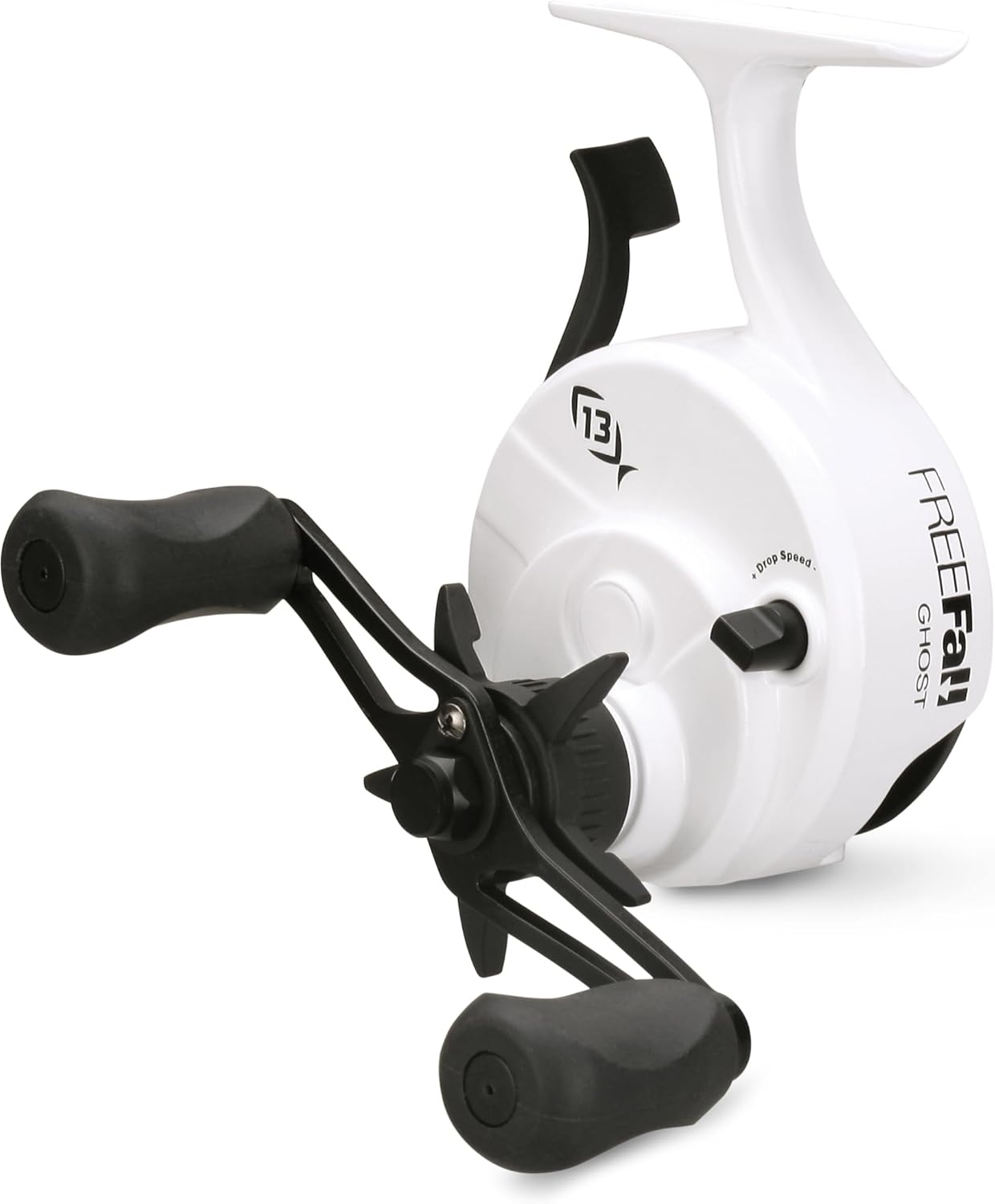
    Best inline reel: 13 Fishing FreeFall Ghost — the inline standard.

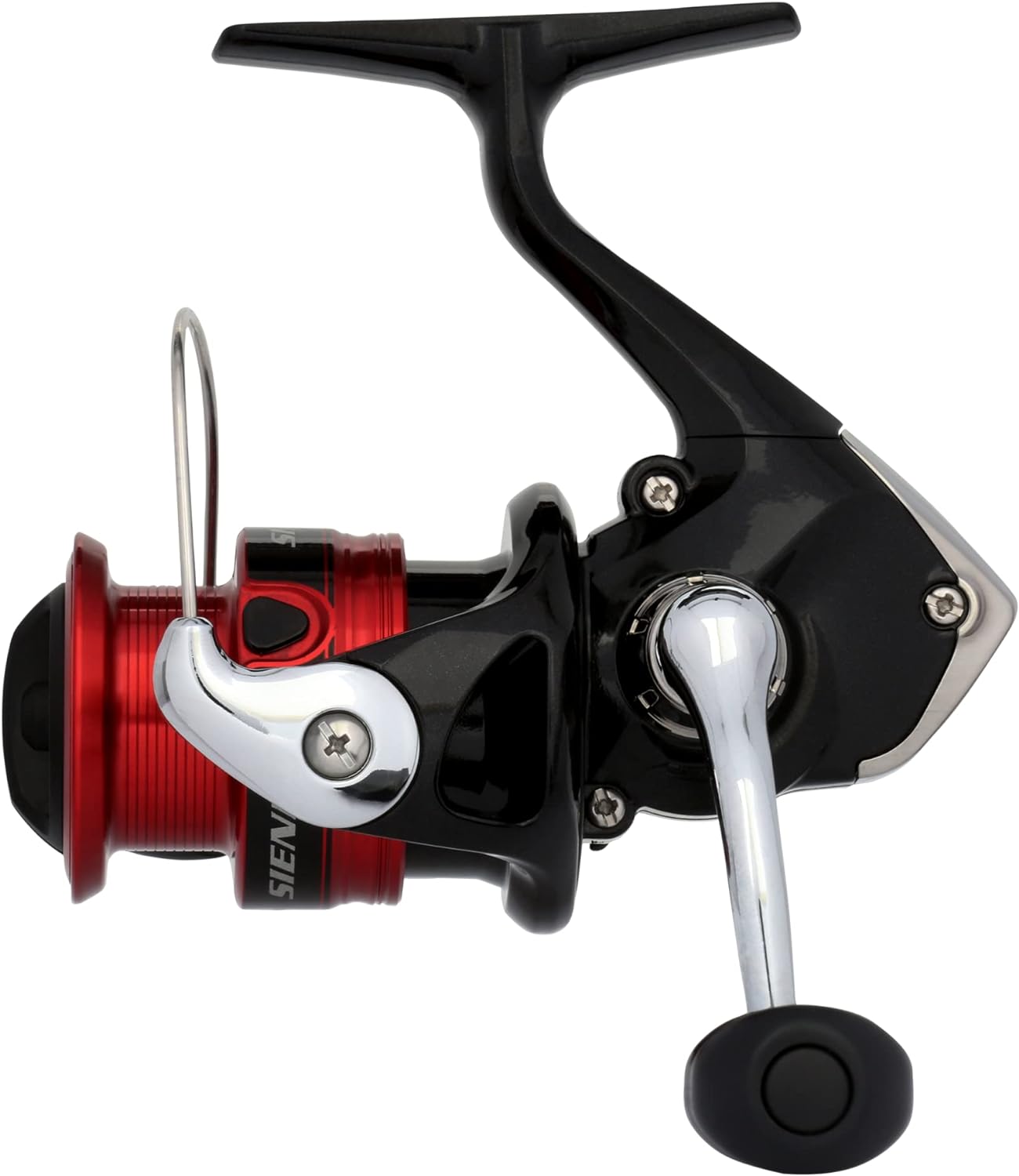
    Best budget spinning: Shimano Sienna 1000 — quality small spinning at low cost.

    For serious walleye anglers: 13 Fishing FreeFall Ghost paired with a Mojo Ice rod.

    For panfish: Either category works — choose based on budget.

    Most flexible budget setup: Shimano Sienna 1000 — works for ice and crosses over to summer panfishing.


    Let’s go Fishing!
    Search for the Perfect Fishing Trip or Charter
    Upper Midwest Ice Fishing
    Verified reviews · Free cancellation · 90-day price match
    Powered by FishingBooker · Affiliate partner

    Inline vs Spinning: The Core Trade-Off

    The fundamental difference between inline and spinning ice reels is how the line leaves the spool:

    Aspect Inline Reels Spinning Reels
    Line management Line leaves spool straight — no twist accumulates Spool rotation twists line slightly each retrieve
    Light bait drop Free-spool mode lets jig descend on its own weight Spool spins as the bail is opened — less controlled
    Bite detection Direct line connection feels every tap Adequate but slightly muted by bail mechanism
    Cost $100-200 for quality models $30-100 for budget-to-mid spinning reels
    Learning curve New mechanism for spinning-reel anglers Familiar to most anglers
    Best for Serious ice anglers, multi-day trips, line-sensitive species Casual anglers, budget setups, beginners

    The inline reel’s advantage compounds over time — line twist builds up across a fishing day, then a week, then a season. For anglers who fish 20+ days per year, the inline’s reduced twist saves frustration and missed strikes. For occasional anglers, the spinning reel’s familiarity and lower cost win.

    Premium Inline Reels

    13 Fishing FreeFall Ghost

    Buy it on Amazon

    The 13 Fishing FreeFall Ghost is the inline reel that defined the modern category. The signature feature is the “free fall” mechanism — a finger trigger releases the spool, allowing the jig to descend on its own weight at controlled speed. The angler controls the descent precisely (fast for searching, slow for finesse work) without the resistance of standard reel drag. This is the technique advantage that drove inline reels to category dominance. Beyond the free fall function, the FreeFall Ghost handles 2-12 lb line, provides smooth drag for walleye and pike fights, and has a magnesium frame that resists corrosion. The price point ($120-150) makes it accessible to serious anglers without the premium of custom-build reels. Best paired with a quality ice rod like the St. Croix Mojo Ice. 13 Fishing also offers higher-end Black Betty variants for anglers wanting the next tier; the FreeFall Ghost remains the value sweet spot.

    Budget and General-Purpose Spinning Reels

    Shimano Sienna 1000

    Buy it on Amazon

    The Shimano Sienna 1000 is the budget spinning reel that punches well above its price point. At around $30-50, it costs a fraction of the inline reels but delivers reliable performance for general ice fishing. The 1000 size is appropriate for ice fishing — small enough to feel right on a 28-34″ ice rod, with enough line capacity for any ice fishing scenario. Shimano’s gear and drag systems even at the entry level are noticeably smoother than competing budget reels. Best applications: anglers building their first ice fishing setup, panfish-focused fishing where line twist is a minor concern, or as backup reels for serious anglers running inline as their primary. The cross-over advantage: the Sienna 1000 also works for open-water panfishing and ultralight applications — getting double-duty out of a single reel investment. The same Shimano family at higher price points (Sahara, Stradic) offers refinements but the Sienna covers the basic requirements.

    Reel Sizing for Ice Fishing

    Target Species Inline Size Spinning Size Line Capacity
    Bluegill / Crappie Small (2-4 lb line) 500-1000 size 50-100 yds of 2-4 lb
    Perch Small (2-6 lb line) 1000-2000 size 100 yds of 4-6 lb
    Walleye Medium (6-10 lb line) 1000-2500 size 100-150 yds of 6-10 lb
    Pike (jigging) Large (10-20 lb line) 2500-3000 size 150 yds of 15-20 lb
    Lake Trout Large (10-15 lb line) 2500-3000 size 200 yds of 10-15 lb

    Don’t oversize. A 3000-size reel on a 28″ panfish rod looks and feels wrong — the balance is off, the reel adds unnecessary weight, and the line capacity is far beyond what ice fishing requires. Match size to species.

    Pairing Rod to Reel

    Balance matters as much for ice fishing combos as for open-water gear. The combination should feel light and balanced when you hold it for hours of jigging.

    Standard pairings:

    • 13 Fishing FreeFall Ghost + St. Croix Mojo Ice 34″ Medium-Heavy — premium walleye/pike combo
    • Shimano Sienna 1000 + St. Croix Mojo Ice 28″ Light — budget panfish combo
    • 13 Fishing FreeFall Ghost + TUCR Bullwhip — custom-tier serious walleye combo
    • Shimano Sienna 1000 + St. Croix Mojo Ice 34″ Medium-Heavy — mid-tier walleye combo

    See the ice fishing rods guide for the rod side of the equation.

    Line for Ice Fishing Reels

    Cold weather is the main line challenge. Standard mono and braid stiffen and coil in subzero temperatures. Ice-specific line stays supple in cold:

    For inline reels: 4-10 lb ice-specific monofilament or fluorocarbon is the standard. Premium line stays cold-tolerant down to subzero temperatures. See the ice fishing line guide for product specifics.

    For spinning reels: Same ice-specific options apply. Spinning reels can also use light braid (PowerPro Ice-Tec) with a fluoro leader for the most sensitive setup, though this adds complexity.

    For broader line principles, the braid vs mono guide and fishing line by pound test guide apply.

    Common Mistakes

    Buying inline expecting it to feel like spinning. The inline operation is different — free fall mechanism, line straight off the spool. Allow time to learn the new mechanism before judging the reel.

    Oversizing the reel. A 3000 spinning reel on a panfish rod is too heavy. Match size to species.

    Wrong line for cold weather. Standard mono stiffens in cold. Use ice-specific line — see the ice line guide.

    Skipping inline because of cost. The line-twist savings compound over time. Serious ice anglers (30+ days per year) usually benefit from inline within 1-2 seasons even at the higher upfront cost.

    Not maintaining the reel through the season. Cold and moisture take a toll. Wipe down after each trip; lubricate bail mechanisms periodically.

    Gear to Pair with Your Reel

    Frequently Asked Questions

    What’s the best ice fishing reel?

    The 13 Fishing FreeFall Ghost is the best inline reel and the most-recommended option for serious ice anglers. The Shimano Sienna 1000 is the best budget spinning reel.

    Inline or spinning for ice fishing?

    Inline reels reduce line twist that builds up over multiple fishing days. They cost more but pay back for serious ice anglers. Spinning reels work fine for casual or beginner ice fishing at lower cost. See the spinning vs conventional guide for underlying principles.

    What size reel for walleye ice fishing?

    1000-2500 size spinning, or medium-sized inline (handling 6-10 lb line). Avoid oversizing — bigger reels add unnecessary weight without benefits.

    What’s the FreeFall mechanism?

    A trigger on the 13 Fishing FreeFall reels releases the spool, letting the jig descend on its own weight at controlled speed. The angler controls the descent without standard reel drag resistance. This is the technique advantage that made inline reels popular.

    Can I use my summer reel for ice fishing?

    Small spinning reels (1000-2500 size) from your summer setup work for general ice fishing. Avoid larger reels — they’re too heavy for ice rods. Dedicated ice reels perform better but aren’t strictly required for occasional fishing.

    What line should I spool on an ice fishing reel?

    Ice-specific monofilament or fluorocarbon (4-10 lb for walleye/perch, lighter for panfish). Avoid standard mono — it stiffens in cold weather. See the ice line guide.

    Plan Your Trip

    Related Guides

    Tight lines!
  • Best Ice Fishing Line: Mono, Fluoro & Braid Buying Guide

    Ice fishing line is one of the most underrated gear categories in winter fishing. The same fishing line that works in 70°F summer water behaves completely differently in 33°F under-ice water — standard monofilament stiffens, develops memory coils, and loses sensitivity. Ice-specific line is engineered to remain supple, abrasion-resistant, and sensitive at temperatures that destroy regular line performance. The investment is small (typically $10-20 per spool), but the difference in bite detection and fish-fighting is significant.

    This guide covers the three line categories used for ice fishing — monofilament, fluorocarbon, and braid — and the specific products that consistently perform across Upper Midwest conditions. For broader line principles, see the braid vs mono guide and the fishing line pound test guide. Both apply to ice fishing with cold-weather modifications.

    ⚡ Quick Picks by Situation

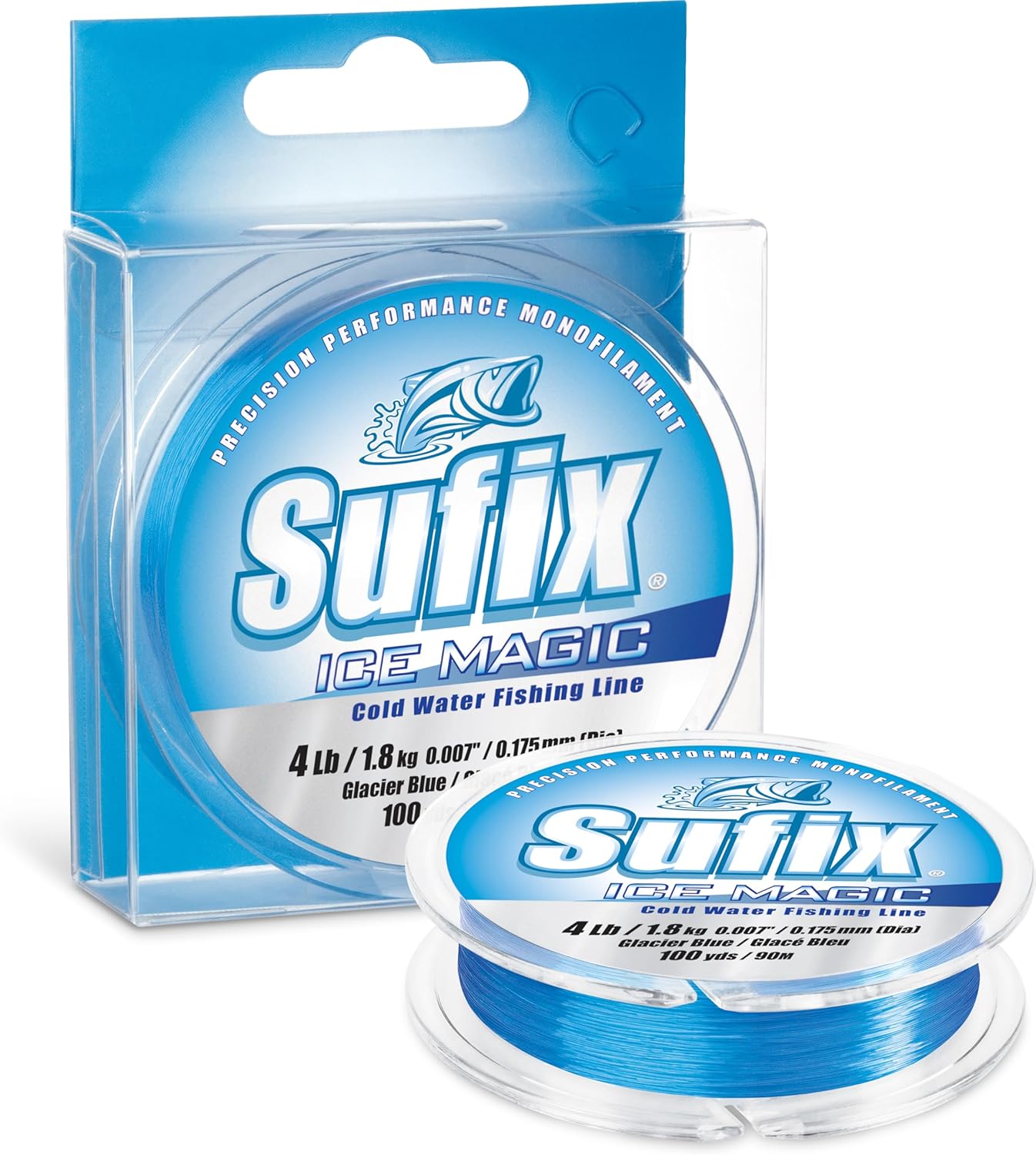
    Best mono for walleye: Sufix Ice Magic in 4-6 lb — the panfish/walleye standard.

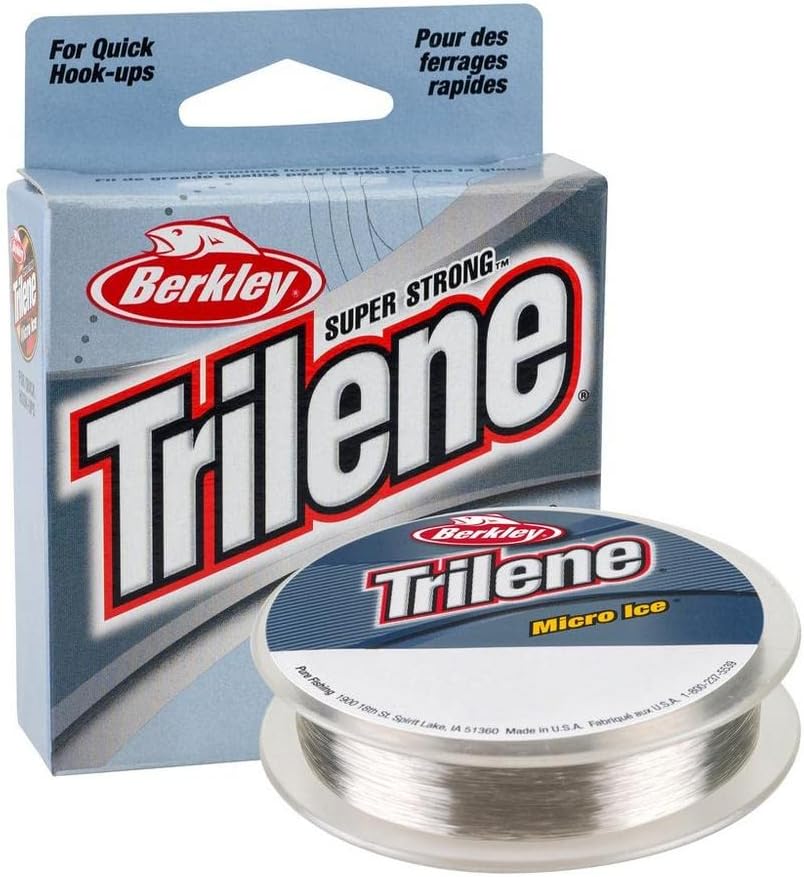
    Best mono for trophy: Berkley Trilene Cold Weather in 6-10 lb.

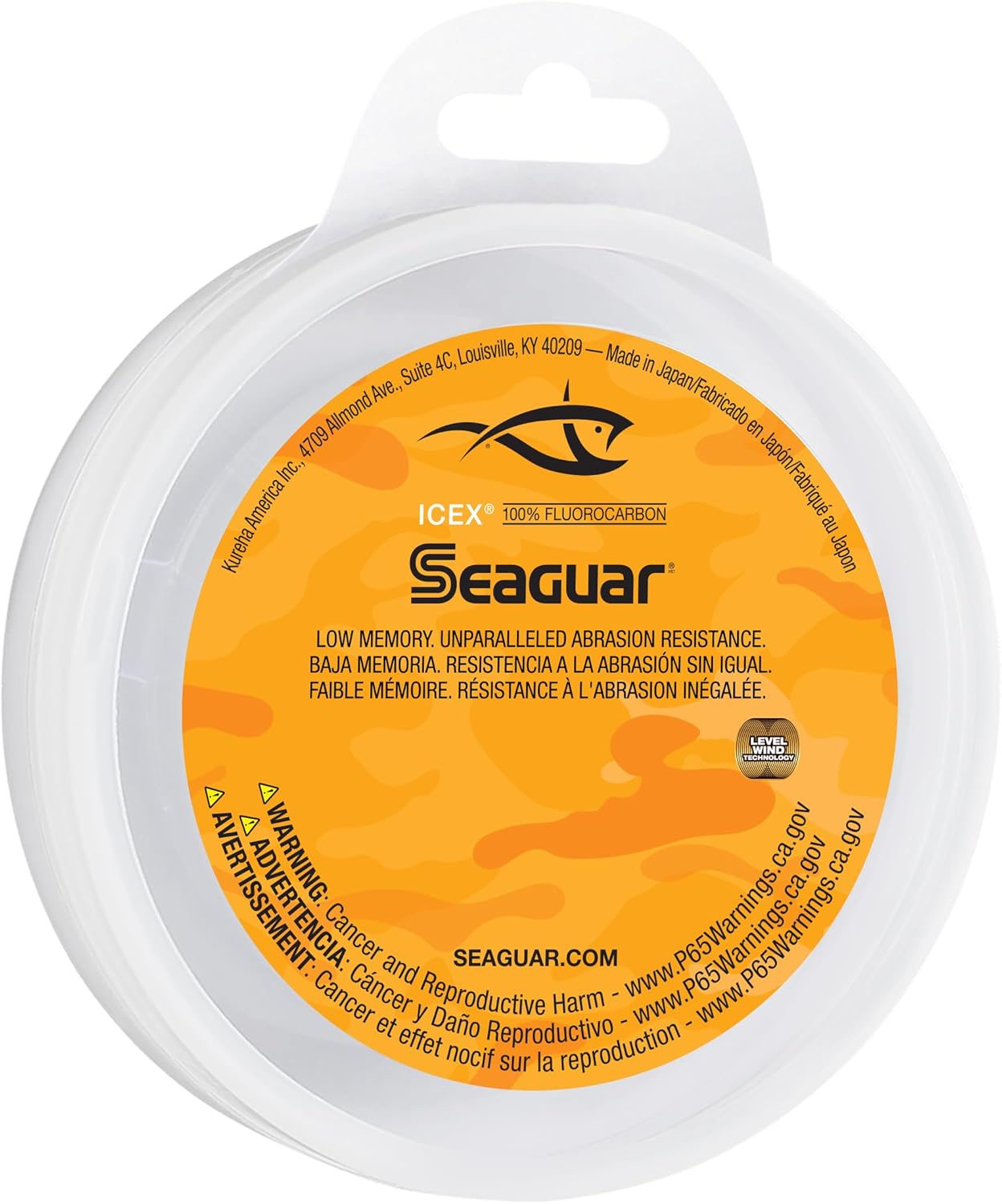
    Best fluorocarbon leader: Seaguar IceX in 4-8 lb.

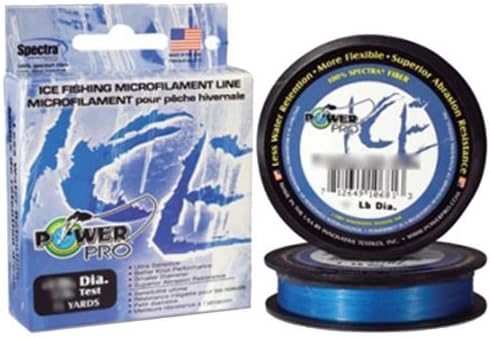
    Best braid for ice: PowerPro Ice-Tec in 10-15 lb.

    Best for panfish finesse: 2-4 lb Sufix Ice Magic or Berkley FireLine Crystal as ultra-light braid.


    Let’s go Fishing!
    Search for the Perfect Fishing Trip or Charter
    Upper Midwest Ice Fishing
    Verified reviews · Free cancellation · 90-day price match
    Powered by FishingBooker · Affiliate partner

    How Cold Weather Affects Fishing Line

    Standard fishing line is engineered for warm-water performance. Under ice fishing conditions (33-39°F water, ambient air 0-25°F, exposed line at even colder temperatures), several problems emerge:

    Line memory and coiling. Mono and fluoro line “remembers” the shape of the spool when cold. Pulled off the reel, the line forms tight coils that don’t straighten in the water. The result: missed strikes (coils mask subtle bites), poor presentations (coils create slack between rod and lure), and frustration.

    Reduced sensitivity. Stiff line transmits bites poorly. A subtle perch tap that you’d feel clearly on warm-weather line becomes invisible on cold-stiffened line.

    Increased abrasion vulnerability. The hole edge is sharp ice. Line dragged across ice edges takes damage faster than line dragged across boat gunwales. Cold line is more brittle and breaks more easily.

    Knots fail more often. Cold line is less elastic. Knots that hold reliably in warm conditions sometimes slip or break in cold. Re-tie knots more often in cold weather.

    Ice-specific line addresses these issues with cold-tolerant formulations — more supple polymers, treated surfaces, and engineered cold-weather behavior.

    Monofilament Ice Line

    Mono is the most-used ice fishing line. Affordable, easy to handle, and forgiving for most species.

    Sufix Ice Magic

    Buy it on Amazon

    Sufix Ice Magic is the most-recommended ice fishing monofilament for general use. The specifically-formulated polymer stays supple at sub-zero temperatures — line that coils heavily on standard mono lays straight on Ice Magic. Available in 2-10 lb test, with 4-6 lb covering walleye and perch and 2-4 lb for panfish. Highly visible “Ice Magic” green color makes line management easier in the field. The standard ice fishing mono that most Upper Midwest anglers settle on after trying others.

    Berkley Trilene Cold Weather

    Buy it on Amazon

    Berkley Trilene Cold Weather is the major competitor to Sufix Ice Magic in the cold-weather mono category. Same general approach — formulated polymer for cold tolerance — with Berkley’s standard quality control. Available in test weights ranging from 2-15 lb, with the heavier options covering pike and lake trout applications. Berkley’s brand familiarity and wide availability make this a strong alternative for anglers who already trust the brand from open-water fishing.

    Fluorocarbon Ice Line

    Fluorocarbon shines as leader material for ice fishing. Less commonly used as mainline due to higher cost, but the leader application is significant.

    Seaguar IceX Fluorocarbon

    Buy it on Amazon

    Seaguar IceX is the cold-water fluorocarbon designed specifically for ice fishing. Fluoro’s near-invisibility underwater matters for clear-water lakes and selective fish. The cold-weather formulation maintains the suppleness that standard fluorocarbon loses in extreme cold. Best applications: 4-6 ft leaders connecting braid mainlines to lures, full-spool use for finicky walleye fishing in clear water, and pike applications where moderate strength meets near-invisibility. The brand commands a premium price but the performance justifies it for serious anglers.

    Braided Ice Line

    Braid offers the highest sensitivity at depth — minimal stretch means you feel everything. Best for deeper-water fishing and applications where bite detection matters most.

    PowerPro Ice-Tec

    Buy it on Amazon

    PowerPro Ice-Tec is the braid designed for ice fishing applications. Standard PowerPro braid works at temperature but Ice-Tec uses a treated outer surface that resists icing — braid mainlines tend to absorb water that freezes in the rod guides, causing line management problems. Ice-Tec minimizes this issue. Available in 8-30 lb test. Best applications: deep-water lake trout fishing, sensitive walleye work at 30+ feet, and any application where mono’s stretch reduces bite detection. Pair with a fluorocarbon leader (Seaguar IceX) for the best combination of sensitivity and presentation.

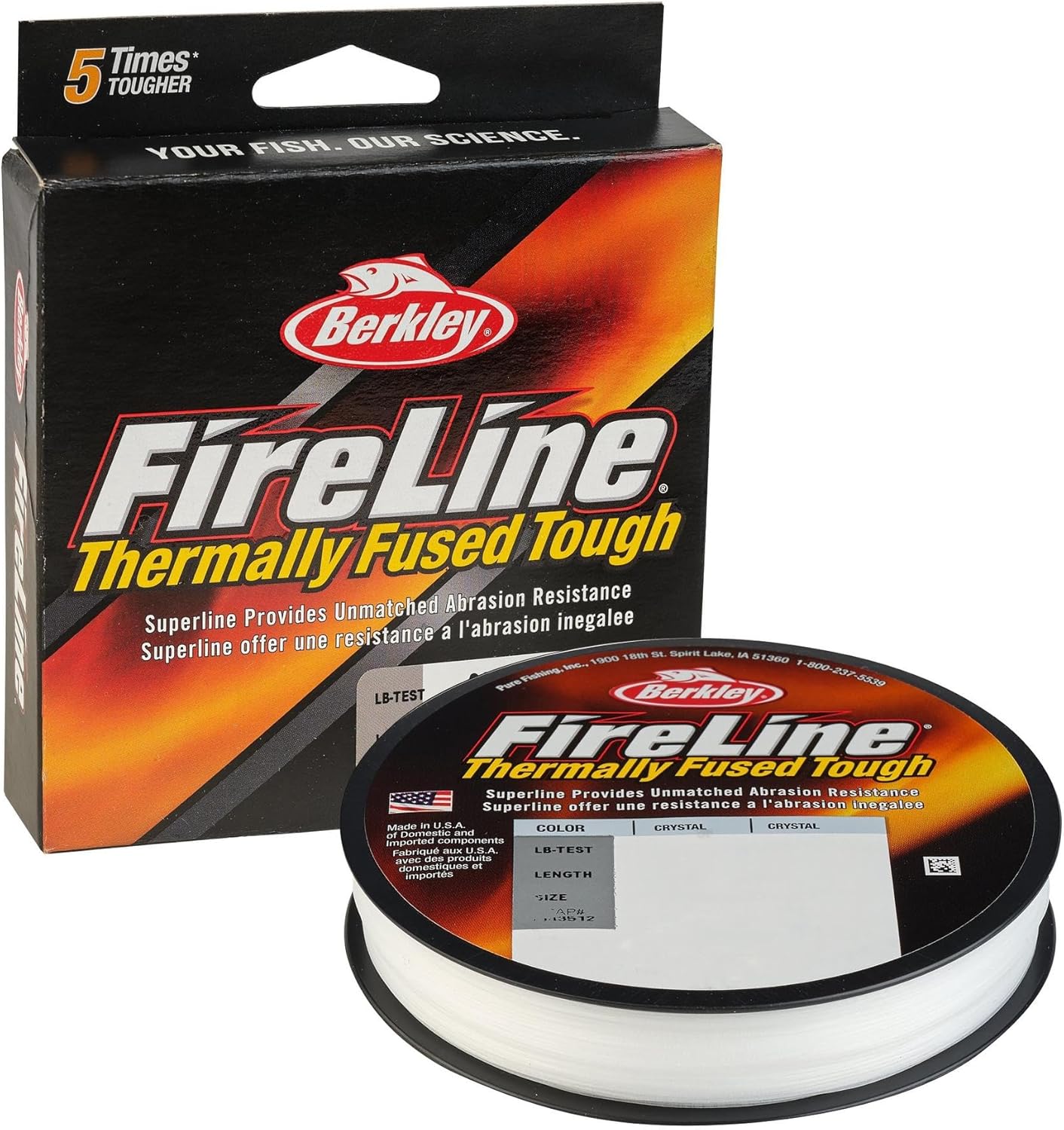
    Berkley FireLine Crystal

    Buy it on Amazon

    Berkley FireLine Crystal is the alternative ice fishing braid in lighter test weights for panfish and walleye. The “Crystal” version is nearly transparent — useful for clear-water situations where line visibility matters. Available in 2-8 lb test. Best for ultralight panfish work where the no-stretch sensitivity advantage of braid matters. Pair with a short fluoro leader for best presentation.

    Line Selection by Species

    Target Species Recommended Line Test Weight
    Bluegill / Sunfish Sufix Ice Magic mono 2-3 lb
    Crappie Sufix Ice Magic mono or FireLine Crystal 2-4 lb
    Yellow Perch Sufix Ice Magic mono 3-4 lb
    Walleye (general) Sufix Ice Magic mono or PowerPro Ice-Tec 6-8 lb
    Walleye (deep water) PowerPro Ice-Tec + Seaguar IceX leader 10 lb braid / 6 lb leader
    Northern Pike (jigging) Braid mainline + wire leader 20-30 lb braid / 90 lb wire
    Northern Pike (tip-up) 40 lb dacron + 20 lb fluoro + 90 lb wire (per tip-up guide)
    Lake Trout PowerPro Ice-Tec + Seaguar IceX leader 15 lb braid / 12-15 lb leader

    Spooling and Maintenance

    Cold-weather line behavior is affected by how the line is spooled and maintained:

    Spool in warm conditions. Line goes onto the reel best at room temperature when it’s most flexible. Don’t try to re-spool on the ice — the line will hold the original spool memory more aggressively.

    Fill to capacity. Under-filled spools cause more memory issues than full spools. Larger loops mean less coiling.

    Replace annually. Ice fishing line takes a beating from hole edges, ice abrasion, and UV exposure on the spool. Annual replacement is good practice for serious anglers; every other year minimum.

    Pre-trip stretching. Pull off 30-50 feet of mono line, hold both ends, and stretch firmly for 5-10 seconds. This breaks the spool memory before the first cast.

    Apply line conditioner. KVD line conditioner or similar applied to the reel before each trip helps mono and fluoro stay supple at temperature.

    Line Color Considerations

    Two contradictory considerations: visibility above water (you want to see your line) vs invisibility below water (fish shouldn’t see your line). The compromise:

    High-vis mainline + fluoro leader. Use a colored mainline (Ice Magic green, FireLine Crystal yellow) that you can see clearly. Connect a 3-6 ft fluorocarbon leader for the underwater presentation. The leader knot transitions from visible to invisible.

    Clear mono throughout. Simple approach for general fishing. Sacrifices line visibility for simpler rigging.

    Braid + fluoro leader. The serious-angler approach. Braid provides sensitivity and visibility above water; fluoro leader provides invisibility below.

    Common Mistakes

    Using summer line for ice fishing. Standard mono and braid stiffen in cold. The performance loss is significant. Switch to ice-specific line.

    Old line. Line that’s been on the reel for 2+ years degrades, especially with cold-weather exposure. Replace at least every other season.

    Wrong test weight. Heavy line reduces sensitivity. Light line breaks against big fish. Match test to species using the table above.

    Skipping the leader. Direct connections of braid to lures look natural in clear water. Adding a fluorocarbon leader 4-6 feet long produces more strikes.

    Bad knots. Cold-weather line slips more easily. Use proven cold-weather knots — Palomar for terminal connections, Albright for line-to-line, FG for braid-to-fluoro. See the best fishing knots guide.

    Re-spooling on the ice. Cold line takes spool memory aggressively. Always re-spool in warm conditions before the trip.

    Gear to Pair with Your Line

    Frequently Asked Questions

    What’s the best ice fishing line?

    Sufix Ice Magic in 4-6 lb is the most-recommended mono. PowerPro Ice-Tec in 10-15 lb is the best braid. Seaguar IceX is the premium fluorocarbon leader.

    Can I use regular fishing line for ice fishing?

    Yes, but performance suffers significantly in cold conditions. Standard mono stiffens and coils. Standard braid absorbs water that ices in rod guides. Ice-specific line addresses both issues. The cost difference is minimal ($10-20 per spool) and the performance gain is substantial.

    Mono, fluorocarbon, or braid for ice fishing?

    Mono for general use — affordable, forgiving, sensitive enough for most fishing. Fluorocarbon as leader material for stealth in clear water. Braid for deep-water fishing where stretch reduces bite detection. Most ice anglers use mono mainline with occasional fluoro leaders; deep-water specialists run braid + fluoro leader.

    What test weight for walleye ice fishing?

    6-8 lb mono covers most walleye situations. Step up to 10 lb mono or braid with fluoro leader for deep-water trophy work. Lighter line (4-6 lb) for finesse situations on pressured fish.

    How often should I replace ice fishing line?

    Annually for serious anglers (30+ days per season). Every other season for occasional fishing. Line degrades from cold exposure, ice abrasion, and UV. Old line breaks more often and has more memory issues.

    Why does fishing line coil in cold weather?

    Standard mono and fluoro polymer formulations stiffen in cold temperatures, retaining the spool’s shape rather than relaxing. Ice-specific line uses different polymer formulations that stay supple at sub-zero temperatures, reducing the memory coiling problem.

    Should I use a leader with ice fishing line?

    For braid mainlines: yes — add a 3-6 ft fluorocarbon leader for stealth. For mono mainlines: optional — leaders add invisibility but also a knot that can fail. For pike: always wire leader. For clear water selective fish: fluoro leader improves catch rates.

    Plan Your Trip

    Related Guides

    Tight lines!
  • Best Ice Fishing Jigs: Tungsten, Spoons & Plastics Guide

    The ice fishing jig is the working end of the entire ice fishing system. Augers create the hole, flashers show you the fish, rods deliver the action — but the jig is what triggers the strike. The jig category for ice fishing has evolved dramatically over the past decade: tungsten has largely replaced lead as the premium material (denser, smaller profile, more sensitive feel), and specialized vertical jigging spoons have refined what was once a generic category.

    This guide covers the jig categories that consistently produce Upper Midwest ice fishing catches — tungsten panfish jigs, jigging spoons, vertical lures, and soft plastic tip baits. Some lures cross over directly from open-water fishing (the Rapala Jigging Rap covered in the walleye silo dominates ice fishing too). Others are ice-specific. Match your tackle box to the species you’re targeting.

    ⚡ Quick Picks by Situation

    Best tungsten panfish jig: VMC Tungsten Tubby — small, dense, sharp hooks.

    Best walleye spoon: Northland Forage Minnow Spoon — proven Upper Midwest walleye producer.

    Best vertical jig: Rapala Jigging Rap W3 — open-water producer that owns ice fishing too.

    Best heavy spoon: Acme Kastmaster Tungsten — deep water and bigger fish.

    Best soft plastic tip: Maki Plastics Polli — modern ice plastic standard.

    Let’s go Fishing!
    Search for the Perfect Fishing Trip or Charter
    Upper Midwest Ice Fishing
    Verified reviews · Free cancellation · 90-day price match
    Powered by FishingBooker · Affiliate partner

    Tungsten Jigs

    Tungsten has displaced lead as the premium ice fishing jig material. Tungsten is roughly 1.7x denser than lead, which means a tungsten jig of equivalent weight is significantly smaller than a lead equivalent. The smaller profile produces more strikes from finicky winter fish, drops faster through the water column (which reaches feeding depth faster), and provides better feel through the line because the same weight presents more concentrated mass.

    VMC Tungsten Tubby Jig

    Buy it on Amazon

    The VMC Tungsten Tubby is the panfish-targeted tungsten jig that produces consistent crappie, bluegill, and perch under the ice. The compact “tubby” body shape gives the jig a wider profile than typical pencil-shaped tungsten — the silhouette mimics small baitfish more effectively than streamlined designs. VMC’s hook quality is exceptional in this category (the company is part of Rapala’s premium hook division), and the sharp out-of-package hooks penetrate the bony mouths of winter panfish reliably. Available in multiple sizes (1/32 oz, 3/32 oz, 1/8 oz) and color patterns (chartreuse, glow, perch, multi-color). The 1/16 oz to 3/32 oz range covers most panfish ice fishing. Tip with a wax worm, spike, or small soft plastic for best results.

    Custom Jigs & Spins Ratfinkee

    Buy it on Amazon

    The Custom Jigs & Spins Ratfinkee is the panfish jig that has earned a cult following in the Upper Midwest ice fishing community. The hand-tied marabou-style dressing creates micro-action even at slow jigging speeds — the kind of subtle movement that triggers strikes from inactive panfish when more aggressive presentations fail. CJS is a Wisconsin-based small manufacturer with deep expertise in panfish-specific designs. The Ratfinkee works particularly well during mid-winter when fish are most lethargic. Best paired with light or ultralight ice rods and 2-4 lb line. Often productive without bait additions — the marabou dressing provides the action that maggots or wax worms would on a bare hook.

    Jigging Spoons

    Northland Forage Minnow Spoon

    Buy it on Amazon

    The Northland Forage Minnow Spoon is the proven walleye spoon for ice fishing. Northland (a Minnesota company with deep walleye fishing roots) designed this spoon specifically for the Upper Midwest walleye fishery — the proportions, action, and color patterns match what Mille Lacs and Lake of the Woods walleye respond to. The spoon’s wobble on the drop triggers reaction strikes, while the realistic minnow profile holds attention from following fish. Available in 1/4 oz to 1/2 oz sizes (1/4 oz is the most-used for walleye), in color patterns ranging from natural (silver shiner, perch) to attractor (chartreuse, glow). Tip with a fathead minnow head for added scent and natural movement. Often productive when the Jigging Rap isn’t — different action profile triggers different fish.

    Acme Kastmaster Tungsten

    Buy it on Amazon

    The Acme Kastmaster Tungsten is the heavy spoon option for deep water and bigger fish. The tungsten construction gives the spoon a small profile relative to weight — important for reaching deep walleye and lake trout quickly without the spoon spinning out on the fall. The Kastmaster’s tight wobble suits faster jigging cadences than the Northland Forage Minnow’s wider action. Excellent for deep-basin walleye on Mille Lacs (20-35 feet depths), lake trout on Lake of the Woods, and any deep-water vertical jigging application. Chrome and gold finishes are the standards; glow patterns for low-light conditions. The same Kastmaster brand crosses over to salmon pier fishing in regular weight (not tungsten) — a versatile lure family.

    Northland Buck-Shot Rattle Spoon

    Buy it on Amazon

    The Northland Buck-Shot Rattle Spoon adds sound to the spoon category — internal rattles create vibration and noise that attract fish from longer distances than silent spoons. Particularly effective in stained water (Upper Red Lake, certain Mille Lacs sections in low-light conditions) where visual presentation matters less and audio attraction matters more. The Buck-Shot crosses over to open-water vertical jigging for lake trout — same lure works in summer at depth. The rattle is the defining feature; pair with bait (minnow head, eye, or small soft plastic) for combined audio-visual-scent attraction.

    Vertical Jigs

    Rapala Jigging Rap W3 (Cross-Reference)

    Buy it on Amazon

    The Rapala Jigging Rap is the most-effective walleye lure ever made — under ice or in open water. The horizontal swimming action on the drop, the circling motion when jigged, and the realistic minnow profile combine to produce walleye when nothing else will. The W3 size (smallest, 2.5″) is the ice fishing standard — smaller profile matches winter walleye’s selective feeding mode. The W5 produces too in slightly deeper water. Glow patterns dominate for ice fishing (fish electronics show low-light conditions even mid-day under thick ice and snow cover). Pair with a sharp jigging cadence — sharp upward snaps (12-18 inches) followed by controlled falls. Most strikes happen on the fall. See the full coverage in the walleye jigs guide for technique details.

    Soft Plastic Tip Baits

    Maki Plastics Polli

    Buy it on Amazon

    Maki Plastics has become a standout name in modern ice fishing plastics. The Polli is their most-used pattern — a small, ribbed soft plastic that pairs with tungsten jigs for panfish (crappie, bluegill, perch). The plastic material stays supple in extreme cold (where lesser plastics stiffen), which preserves the subtle movement that triggers winter panfish. Best applications: thread the Polli onto a tungsten jig like the VMC Tubby, with a wax worm or maggot for additional scent. The combination provides visual attraction (the plastic), scent (the live bait), and the right profile (the jig + plastic combination) for selective winter panfish. Available in multiple colors — chartreuse, motor oil, glow, natural — to match conditions.

    Ice Jig Sizing

    Target Tungsten Jig Spoon Vertical Jig
    Bluegill / Crappie 1/32 – 1/16 oz 1/16 – 1/8 oz Small (W3)
    Yellow Perch 1/16 – 3/32 oz 1/8 – 1/4 oz W3 – W5
    Walleye 1/8 – 3/16 oz 1/4 – 3/8 oz W3 – W5
    Pike (jigging) 3/16 – 1/4 oz 3/8 – 1/2 oz W5 – W7
    Lake Trout 1/4 oz + 1/2 oz + W5 – W7

    Color Selection

    Conditions Best Colors Why
    Clear water, bright sun Natural minnow, perch, silver Mimics live bait, less aggressive
    Stained water (Upper Red, Mille Lacs) Chartreuse, orange, fire tiger High visibility through turbidity
    Low light (dawn, dusk, deep water) Glow patterns Self-illuminated, charges with flashlight
    Under thick snow cover Glow patterns, bright contrasting colors Light barely penetrates ice + snow
    Pressured fish Natural patterns, neutral colors Less visually aggressive when fish are educated

    Glow paint matters more for ice fishing than open-water fishing. Charge glow jigs with a flashlight before lowering — they’ll continue glowing in the cold water for 10-30 minutes depending on paint quality.

    Live Bait Pairing

    Most ice fishing jigs perform better tipped with live bait. Standard pairings:

    • Wax worms — universal panfish bait. Thread one or two onto a tungsten jig hook.
    • Maggots (spikes) — alternative panfish bait. Tougher than wax worms, last longer.
    • Eurolarvae — small panfish bait, particularly effective for bluegill.
    • Crappie minnows — small live minnows for crappie. Hook through the lips.
    • Fathead minnows — walleye standard. Hook lightly through the back for natural swimming action.
    • Shiners — larger walleye and pike bait. Hook through the back or use on tip-up rigs.

    For pure-artificial fishing (no live bait), small soft plastics like the Maki Polli serve as the bait substitute.

    Common Mistakes

    Lead jigs in 2024. Tungsten has replaced lead for serious ice anglers. Lead jigs work but are larger for equivalent weight and less sensitive. Step up to tungsten if you fish more than occasionally.

    Wrong jig weight for depth. Too light and the jig doesn’t reach bottom in a reasonable time. Too heavy and the action is sluggish. Match weight to depth and conditions.

    Skipping glow paint charging. Glow paint must be charged before lowering. Carry a small flashlight to recharge between drops.

    Not pairing with appropriate bait. Pure artificial works sometimes but live bait significantly increases catch rates for most species. Add wax worms, maggots, or minnow heads.

    Using the same lure all day. Switch between categories (tungsten jig → spoon → Jigging Rap) when one isn’t producing. Different fish respond to different presentations.

    Skipping the hook check. Ice fishing hooks dull quickly against the ice on retrieval. Touch up or replace hooks regularly during a fishing day.

    Gear to Pair with Your Jigs

    Frequently Asked Questions

    What’s the best ice fishing jig?

    For panfish: VMC Tungsten Tubby. For walleye spoons: Northland Forage Minnow Spoon. For vertical jigging: Rapala Jigging Rap W3. Most ice anglers carry multiple categories.

    Tungsten or lead ice jigs?

    Tungsten is denser (1.7x lead density), which means smaller profile for equivalent weight. Smaller jigs catch more selective winter fish. Tungsten costs more but the performance advantage justifies it for serious anglers.

    What jig size for walleye ice fishing?

    1/8 to 3/16 oz tungsten jigs for active jigging. 1/4 to 3/8 oz spoons for spoon fishing. W3 or W5 Rapala Jigging Rap for vertical reaction fishing. Match weight to depth and conditions.

    What color jig under ice?

    Glow patterns for low light (dawn, dusk, deep water, under snow). Chartreuse and orange for stained water. Natural patterns (perch, silver shiner) for clear bright conditions. Most ice anglers carry 4-6 color variations and switch based on conditions.

    Do I need to tip jigs with bait?

    Most ice fishing jigs work better with live bait (wax worms, maggots, minnows). Pure artificial works in some situations but the scent and natural movement of live bait significantly increases catch rates. Soft plastic tips (Maki Polli) substitute when live bait isn’t available.

    How do glow jigs work?

    Glow paint absorbs light energy when charged with a flashlight, then releases it gradually in dark conditions. Charge for 30 seconds before lowering and the jig will glow for 10-30 minutes underwater depending on paint quality. Recharge between drops.

    Plan Your Trip

    Related Guides

    Tight lines!
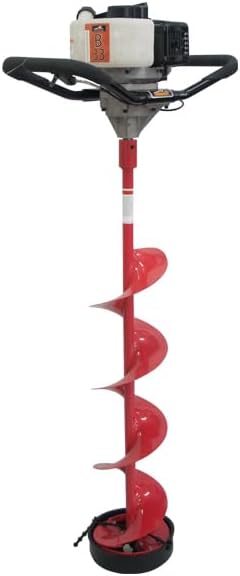
  • Best Ice Fishing Flashers: Vexilar, MarCum & Humminbird Guide

    The flasher is the single most impactful piece of ice fishing electronics. Drilling holes randomly across a lake and hoping for fish produces frustrating days. Drilling holes with a flasher in hand — seeing immediately whether fish are present, how deep they’re holding, and how they’re reacting to your jig — transforms ice fishing into a methodical hunting exercise. Experienced ice anglers consistently rank the flasher as the equipment with the highest impact on catch rates, after the auger that lets you make the hole in the first place.

    This guide covers the three flasher brands that dominate the Upper Midwest ice fishing market — Vexilar, MarCum, and Humminbird — and the specific models that consistently perform. The flasher market is dominated by Vexilar, but MarCum has real strengths for some use cases, and Humminbird’s color screen alternative appeals to anglers who want a more modern display. Pair with the ice fishing guide for the broader gear context and the augers guide for the hole-drilling companion.

    ⚡ Quick Picks by Situation

    Best overall: Vexilar FLX-28 Pro Pack II — the gold standard for ice fishing flashers.

    Best alternative: MarCum LX-7L — Vexilar’s main competitor with strong features.

    Best color screen: Humminbird ICE HELIX 7 — modern color display alternative.

    Best for beginners: Vexilar FLX-28 — easiest to read, most documentation available.

    Best for serious anglers: Vexilar FLX-28 or MarCum LX-7L based on personal preference.


    Let’s go Fishing!
    Search for the Perfect Fishing Trip or Charter
    Upper Midwest Ice Fishing
    Verified reviews · Free cancellation · 90-day price match
    Powered by FishingBooker · Affiliate partner

    What a Flasher Does

    A flasher is a real-time sonar unit designed specifically for vertical ice fishing applications. Unlike scrolling fish finders that display history across the screen, flashers show a single moment in time — what’s directly below the transducer right now — on a circular dial or vertical bar display. The display updates many times per second, creating a real-time view of:

    • The bottom of the lake — appears as a strong return at the depth where the sonar hits hard structure
    • Your jig — shows as a thin mark in the water column, moving up and down as you jig
    • Fish in your cone — additional marks at various depths, often changing color or thickness based on size and proximity
    • Bait clouds — diffuse returns showing schools of small baitfish
    • Vegetation — wispy returns near bottom showing weeds or grass

    The skill develops over time but the basics come quickly: you learn to see your jig, watch fish come into view, see them approach the jig, and trigger strikes by jigging motion. This real-time feedback is what makes the flasher transformative compared to fishing blind.

    Vexilar Flashers

    Vexilar FLX-28 Pro Pack II

    Buy it on Amazon

    The Vexilar FLX-28 is the modern Vexilar flagship and the de facto gold standard of the ice fishing electronics category. Vexilar invented the modern ice fishing flasher format in the early 1980s and has held the market lead since. The FLX-28 represents the current high-end model with several refinements over previous generations: 525-foot maximum depth (more than enough for any Great Lakes ice fishing), 1500 watts of power (clean signal even in challenging conditions), multiple zoom modes (zoom into a specific 5-foot window for detailed presentation), and weather-resistant construction designed for sub-zero conditions. The Pro Pack II configuration includes the head unit, transducer, soft case, and battery — a complete out-of-box setup. Most Upper Midwest ice anglers settle on a Vexilar within their first one or two seasons. The Vexilar dealer network is dense across Minnesota and Wisconsin — replacement parts and repair are easy to source. Price point around $700-800 reflects the category benchmark; cheaper Vexilar models (FLX-20, FL-8) offer entry-points at lower cost while maintaining the brand reliability.

    MarCum Flashers

    MarCum LX-7L

    Buy it on Amazon

    MarCum is Vexilar’s primary competitor and has been gaining market share over the past decade with features that some ice anglers prefer. The LX-7L combines a traditional flasher dial display with a digital LCD screen, providing both the real-time circular feedback that flasher anglers prefer and additional information (depth, temperature, battery, settings) on the screen. The dual-display approach is the MarCum advantage. Sonar performance is competitive with Vexilar; the difference is in the user interface preference. The LX-7L’s beam choices (8-degree narrow or 20-degree wide) give better flexibility than fixed-beam Vexilar models. Anglers who fish multiple species and varying conditions often prefer the MarCum’s adjustability. The dealer network is less dense than Vexilar’s but still adequate in major Upper Midwest markets. Best for anglers who want the modern features and don’t have brand loyalty to Vexilar.

    Color Screen Alternatives

    Humminbird ICE HELIX 7

    Buy it on Amazon

    The Humminbird ICE HELIX 7 represents the modern alternative to traditional flasher displays. Instead of a circular dial, the HELIX uses a 7-inch color LCD screen that can display traditional sonar (scrolling history), CHIRP sonar (better target separation), DownScan (clear bottom imaging), and GPS mapping all in one unit. Some Upper Midwest ice anglers have moved entirely to color screen units; others find the traditional flasher dial more intuitive for real-time fish-watching. The HELIX wins for anglers who already use Humminbird units on their boat — same interface, transferable understanding. The unit also bridges open-water and ice fishing — the same head unit works as a boat fish finder in summer with appropriate transducer mounting. Price point around $500-700 depending on package. For anglers building a unified electronics ecosystem (boat + ice), the HELIX provides continuity that single-purpose flashers don’t.

    How to Read a Flasher

    The basic skill develops over a season:

    1. Identify the bottom. The strongest, most consistent return — typically the thickest band on the dial. This tells you the water depth.

    2. Identify your jig. Lower your jig to the bottom, then lift slightly. The mark that moves up and down with your rod motion is your jig.

    3. Watch for fish marks. Additional marks appearing at various depths between your jig and bottom. Thicker marks indicate larger fish or fish closer to the transducer.

    4. Read fish reactions. A fish that rises to look at your jig is interested. A fish that follows your jig up is committed. A fish that backs away from your jig has rejected it — change presentation.

    5. Watch for “gibbing” — short marks that quickly appear and disappear. Often indicate fish moving through the sonar cone rather than holding in your area. A high-frequency gib pattern means active feeding fish in the area.

    The transition from beginner to confident flasher user usually takes 5-10 fishing days. After that, reading the screen becomes second nature.

    Cone Width and Beam Angles

    The transducer’s beam width determines how much area the flasher “sees” below the ice. Wider beams cover more area but lose precision. Narrower beams give precise target separation but cover less.

    Beam Width Best For Trade-Off
    8°-10° (narrow) Targeting individual fish at depth, vertical jigging Misses fish off to the side; small effective area
    15°-20° (medium) General-purpose ice fishing Balanced coverage and precision
    25°-30° (wide) Finding schools of fish, surveying area Multiple fish in cone confuse interpretation

    Most Upper Midwest ice anglers use 15-20° beams for general fishing. Anglers targeting specific suspended fish (lake trout, deep walleye) sometimes switch to narrower beams. MarCum units offer beam choice between 8° and 20°; Vexilar units typically run fixed beam widths matched to their model.

    Battery and Cold Weather Performance

    Flashers run on lead-acid or lithium battery packs. Battery life and cold weather behavior matter:

    Lead-acid batteries — traditional flasher power source. Heavy (4-7 lbs), but durable in cold and inexpensive to replace. Typical 12V 9Ah pack runs a flasher 8-15 hours per charge depending on screen brightness and ambient temperature.

    Lithium battery packs — modern option, lighter (1-2 lbs), longer effective life. Vexilar, MarCum, and aftermarket suppliers all offer lithium replacements. Higher cost but the weight savings matter when carrying the flasher pack between holes.

    Cold weather drain — both battery types perform worse in cold. Plan for 50-70% of rated battery life in 0°F conditions. Carry a backup or charge between sessions.

    Battery charging — never charge a frozen battery. Bring it indoors first, let it warm to room temperature, then charge.

    Mounting and Setup

    How you position the transducer affects how the flasher works:

    In-hole mounting. The transducer hangs into the fishing hole at a fixed depth (usually just below the ice). This is the standard setup — fast, simple, and provides the clearest signal.

    Separate cone hole. Drill a second smaller hole next to your fishing hole and put the transducer there. This separates the transducer from line tangles and removes signal interference from your jig motion.

    Transducer ice melt. Some anglers heat the ice slightly to ensure good acoustic coupling between transducer and water. Less critical with modern units but worth knowing about for marginal conditions.

    Float setup. The transducer hangs from a foam float in the hole, keeping it at consistent depth and preventing it from tangling with line.

    Modern Live Sonar Alternatives

    The flasher category has been challenged in the past few years by “live sonar” units like Garmin LiveScope, Lowrance ActiveTarget, and Humminbird MEGA Live. These show a continuously scrolling 2D image of the water column with much more visual information than flashers. They’re more expensive ($1,500-3,000 for full setups) and have a steeper learning curve. Most Upper Midwest ice anglers continue to prefer traditional flashers for the simplicity and proven reliability. Live sonar is the technology to watch — it may eventually replace traditional flashers — but the flasher category remains the established standard.

    Common Mistakes

    Buying too cheap. Bargain flashers ($150-300 range) generally lack the signal processing of premium units. Marks are harder to read; fish are harder to distinguish from interference. The category benefit is in the high-end Vexilar / MarCum / Humminbird tier.

    Skipping the user manual. Each flasher has unique features (zoom modes, sensitivity adjustments, interference reduction). Reading the manual once before your first trip pays back in fish caught.

    Not learning to read marks. The flasher is only as useful as your ability to interpret what it shows. Spend a few hours practicing on familiar water before relying on it during a destination trip.

    Wrong battery for the trip. Lead-acid batteries get heavy on long walking trips. Lithium batteries are worth the upgrade for anglers who travel light. Match battery to use.

    Setting sensitivity too high or low. Sensitivity controls how much signal noise vs fish marks appear on screen. Too high produces noise; too low misses fish. Adjust to current conditions — every lake and depth requires slight tweaks.

    Comparing brands without trying both. Vexilar and MarCum have distinct interfaces. Most ice anglers develop a preference and stick with it. Try a friend’s unit (or rent at a resort) before committing if possible.

    Gear to Pair with Your Flasher

    Frequently Asked Questions

    What’s the best ice fishing flasher?

    The Vexilar FLX-28 Pro Pack II is the gold standard. The MarCum LX-7L is the strongest alternative. The Humminbird ICE HELIX 7 appeals to anglers who want color screen displays.

    Do I need a flasher to ice fish?

    No, but you’ll catch significantly more fish with one. The flasher transforms ice fishing from “drop bait, hope for the best” to “actively hunt fish, present to them when they appear.” Most anglers consider it the most impactful single piece of equipment after the auger.

    What’s the difference between Vexilar and MarCum?

    Vexilar invented the modern flasher category and dominates market share. MarCum competes with newer features like dual flasher/digital displays and adjustable beam angles. Both work — the choice often comes down to brand loyalty and interface preference.

    Color screen or traditional flasher dial?

    Traditional flasher dial: faster real-time feedback, simpler to learn, proven reliability. Color screen (HELIX): more information, transferable to summer boat use, modern interface. Most experienced ice anglers prefer the traditional flasher for its real-time visualization advantages.

    How long does flasher battery last?

    Lead-acid: 8-15 hours in mild conditions. Lithium: 12-20+ hours. Both drop 30-50% in extreme cold (below 0°F). Carry a backup battery for serious trips, or charge between sessions.

    Do I need a special transducer for ice fishing?

    Ice fishing flashers come with transducers designed for vertical use. The transducer cable is typically 25 feet, long enough to hang into the deepest holes. The ice-specific cone angle is optimized for vertical presentation — don’t try to substitute a boat transducer.

    Can I use a fish finder for ice fishing?

    Yes — units like the Humminbird ICE HELIX 7 are specifically designed for ice use. Standard boat fish finders can be adapted with the right transducer mounting (a “ice-bird” or similar adapter), but dedicated ice units perform better and require less setup.

    Plan Your Trip

    Related Guides

    Tight lines!
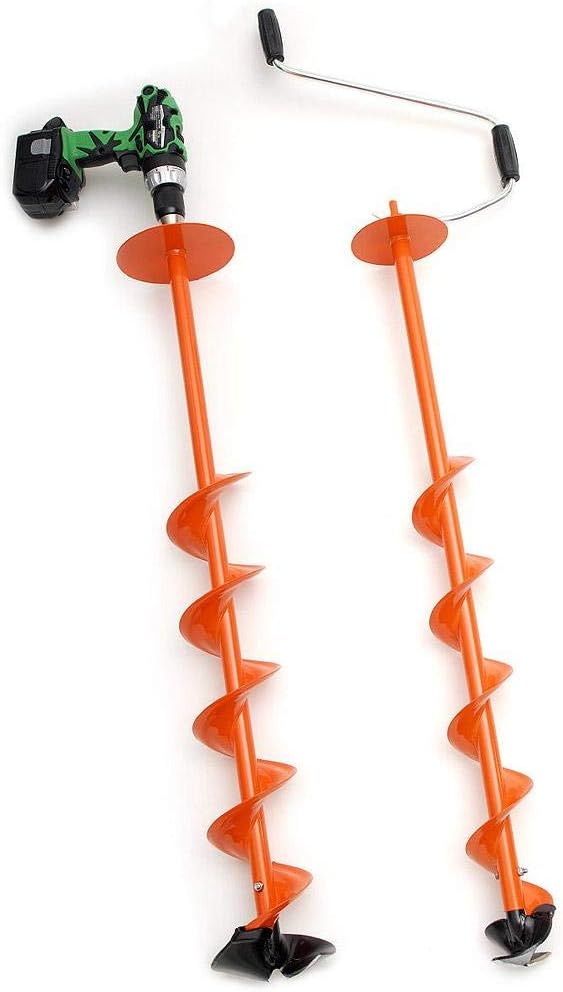
  • Best Ice Augers: Electric, Gas & Hand Buying Guide

    The ice auger is the single most-used piece of ice fishing equipment after the rod itself. Every fishing day starts with drilling holes. Every move on the lake means drilling more holes. A poor auger turns a productive 50-hole day into a frustrating 15-hole day. A good auger lets you stay mobile, search structure systematically, and fish multiple spots before settling. The right auger pays for itself in fish caught within the first season.

    The ice auger market has shifted dramatically in the past five years. Lithium-electric augers have largely replaced gas augers as the modern standard — quieter, lighter, faster, and with battery life that handles a full day of fishing on a single charge. Gas augers retain a place for heavy users and extreme cold conditions, but they’re no longer the default choice. This guide covers the four auger categories and the specific products that consistently perform across Upper Midwest ice fishing conditions.

    ⚡ Quick Picks by Situation

    Best overall electric: ION Alpha 8″ Electric Auger — the modern Upper Midwest standard.

    Best lightweight electric: StrikeMaster Lithium 24v Lite 6″ — portable, fast, panfish-focused.

    Best gas: Thunderbay 33cc 8″ Power Ice Auger — traditional power for heavy users.

    Best hand / drill-driven: NILS Convertible 8″ Hand Auger — converts to cordless drill use.

    Best budget approach: Buy a NILS hand auger and a quality cordless drill — covers most needs at half the price.


    Let’s go Fishing!
    Search for the Perfect Fishing Trip or Charter
    Upper Midwest Ice Fishing
    Verified reviews · Free cancellation · 90-day price match
    Powered by FishingBooker · Affiliate partner

    The Four Auger Categories

    Modern ice augers split into four categories, each with distinct trade-offs:

    Category Best For Trade-Offs
    Lithium / Electric Most anglers, mobility, all-day use Battery cost, cold-weather battery drain
    Gas Extreme cold, very heavy use, deep ice Weight, noise, fuel handling
    Hand (manual) Light ice, occasional fishing, budget Slow on thick ice, physical effort
    Drill-driven Anglers who already own quality cordless drills Drill battery life, two-tool requirement

    Lithium augers have become the dominant category over the past five years. Modern lithium batteries handle Upper Midwest cold (down to about -10°F before significant performance drop), drill 30-50+ holes per charge through typical mid-winter ice, and weigh roughly half what gas augers weigh. For most anglers, the answer is a lithium electric.

    Lithium / Electric Augers

    ION Alpha 8″ Electric Auger

    Buy it on Amazon

    The ION Alpha is the lithium auger that defined the modern category. ION (a Minnesota company) was an early entrant into lithium ice augers and has refined the design over multiple generations. The Alpha runs a brushless motor with a 40V lithium battery, drives an 8-inch blade through up to 12 inches of ice in about 8-10 seconds per hole, and gets 30-50+ holes per charge in typical mid-winter conditions. Weight is approximately 22 pounds — significantly lighter than equivalent gas augers, which run 30-35 pounds. The reverse function helps clear slush from the hole without lifting the auger. Battery life degrades in extreme cold (below -10°F), but typical Minnesota and Wisconsin January conditions don’t push the battery to that limit. The 8-inch hole size is the most common Upper Midwest standard — large enough for trophy walleye and pike, small enough that drilling is fast and the hole freezes back manageable in cold conditions. Best for most ice anglers; the $600-650 price point reflects the modern category benchmark.

    StrikeMaster Lithium 24v Lite 6″

    Buy it on Amazon

    The StrikeMaster Lite represents the panfish-focused lithium auger. The 6-inch blade drills faster than 8-inch blades through equivalent ice (smaller hole, less ice volume to remove), and the lighter overall package — about 15-17 pounds — makes it the choice for anglers who walk extensively across the ice or fish from sleds rather than vehicles. The 24V battery system trades some thick-ice drilling capability for reduced weight and faster recharge. Best applications: panfish-focused fishing (perch, crappie, bluegill), light early-season ice when speed matters, and anglers who prefer the lighter package even at the cost of some power. Many anglers own both an 8-inch general-purpose auger and a 6-inch panfish auger for different situations. The 6-inch hole isn’t large enough for trophy pike or large walleye, so it’s not a universal answer — but for its intended use, it excels.

    Gas Augers

    Thunderbay 33cc 8″ Power Ice Auger

    Buy it on Amazon

    Gas augers retain a place in the ice fishing world despite the lithium revolution. The Thunderbay 33cc handles the situations where electric augers struggle: extreme cold (below -15°F) that drains lithium batteries, very thick mid-season ice (20+ inches), and heavy-use scenarios where you might drill 60-100+ holes in a day. The 33cc two-stroke engine produces enough torque to power through any reasonable ice thickness without bogging down. Weight is approximately 32-35 pounds, noticeably heavier than electric. Refueling at the lake requires carrying a small fuel container — manageable but an extra logistics consideration. The category traditionally was dominated by Jiffy and Eskimo; Thunderbay has emerged as the value-priced gas alternative with strong build quality. For anglers who fish in extreme cold or drill very heavy hole counts, gas remains relevant. For everyone else, lithium has won.

    Hand & Drill-Driven Augers

    NILS Convertible 8″ Hand Auger

    Buy it on Amazon

    NILS hand augers are the premium hand auger choice, manufactured in Finland with precision-machined blades that hold an edge dramatically longer than commodity hand augers. The Convertible model adapts to use with a cordless drill — drill the first hole or two by hand, then attach a quality cordless drill for additional holes. This versatility makes it the smart choice for anglers who want to keep options open: full hand use when batteries die or cold limits electric options, drill-driven when speed matters. The 8-inch hole size matches the lithium auger standard. Weight is about 9 pounds — substantially lighter than any powered auger. For anglers fishing 1-5 holes per day on first ice (when ice is thinner and hand drilling is fast), the NILS handles the situation better than carrying a heavy lithium auger out for limited use. For anglers fishing 20+ holes per day in mid-season, attach a cordless drill — a quality 18V drill drives the auger through 12 inches of ice in 15-20 seconds per hole. Best paired with a high-quality drill like a Milwaukee M18 Fuel or DeWalt 60V Max for best results.

    Sizing: 6″ vs 7″ vs 8″ vs 9″ vs 10″

    Hole size matters in ways most beginners underestimate:

    Size Target Trade-Offs
    6″ Panfish, smaller walleye, perch Fast to drill, narrow for big fish, freezes back fast in cold
    7″ General-purpose walleye Compromise size, less common
    8″ Walleye, large perch, smaller pike The Upper Midwest standard. Balance of size and drilling speed.
    9″ Large walleye, pike, lake trout Slower to drill, accommodates bigger fish
    10″ Trophy pike, large lake trout, ice spearing Significantly slower to drill, requires more power

    The 8-inch size is the Upper Midwest standard for good reason — it handles 90%+ of fish anglers target, drills reasonably fast, and freezes back slowly enough in cold weather to maintain a fishable hole for hours. Step up to 9″ or 10″ only if specifically targeting trophy pike or lake trout. Step down to 6″ only for panfish-focused fishing where drilling speed and hole count matter more than fish size.

    Battery Life and Cold Weather Performance

    Lithium battery performance is the limiting factor in modern electric augers:

    Typical mid-winter performance (10-25°F): A 40V battery in an 8-inch auger drills 30-50 holes through 8-12 inches of ice. The variability comes from ice thickness — thicker ice means more energy per hole.

    Extreme cold (below 0°F): Battery capacity drops 20-30%. Plan for fewer holes per charge in deep January cold. Keep batteries warm (inside a heated vehicle or shelter) between uses.

    Extreme cold (below -10°F): Battery performance degrades significantly. Some anglers carry batteries inside coat pockets to keep them warm. Gas augers become more competitive in this temperature range.

    Strategy: Carry a second battery. Most lithium auger manufacturers sell additional batteries; the cost is roughly $150-200 per battery. With two batteries, you essentially have unlimited drilling capacity for a typical day, with the second battery always charging in a vehicle while the first is in use.

    Drilling Technique

    Even the best auger benefits from correct technique:

    Apply steady downward pressure. Don’t push too hard — the blade does the work. Lean about 10-15 pounds of body weight onto the auger as it drills. Forcing the auger slows it down (the blade can’t clear chips fast enough) and wears the motor harder.

    Let the auger work. Once it engages the ice and starts producing chips, don’t change pressure. Maintain consistent feed rate.

    Use reverse to clear slush. Once you’ve drilled through to water, run the auger in reverse briefly to clear slush from the hole. This makes the next jig drop cleaner.

    Keep the auger vertical. A canted auger drills a tapered hole that’s harder to fish from. Keep the auger plumb.

    Listen to the motor. If the motor sounds labored, you’re probably pushing too hard. Ease off.

    Maintenance

    Augers are mechanically simple but require basic care:

    • Inspect blades before each trip. Sharp blades drill fast and clean. Dull blades drill slow and create gummy holes.
    • Replace blades when chipped or excessively dull. Replacement blades cost $30-80 depending on brand.
    • Drain fuel from gas augers at season end. Old fuel gums up carburetors. Pour out remaining fuel or run the auger until it runs dry.
    • Charge lithium batteries to 50% for storage. Full-charge or full-discharge storage degrades batteries faster. 50% is the sweet spot.
    • Store augers indoors or in dry sheds. Moisture corrodes blade edges and motor housings.
    • Clean ice and slush from the blade housing after each trip. Frozen accumulation interferes with subsequent drilling.

    Common Mistakes

    Wrong size for your fishing. Buying a 10″ auger for general walleye fishing means slower drilling for no benefit. Buying a 6″ auger and trying to land a 20lb pike means the hole is too small. Match size to species.

    Single battery only. One battery limits you to that battery’s capacity. Carry a second; the cost difference is small relative to losing a fishing day to dead batteries.

    Skipping blade sharpness check. Dull blades drill slower and harder. Inspect blades before each trip and after rocky bottoms (which can chip blades if you over-drill into the ice’s bottom edge).

    Gas auger in extreme cold without preparation. Gas augers need to be warmed up properly in cold. Letting them sit in -10°F for hours means a 5-10 minute warm-up before they’ll run smoothly.

    Carrying a heavy auger when you don’t need to. A NILS hand auger with a cordless drill is sufficient for many anglers and weighs half what a lithium auger weighs. Be honest about your usage — do you really drill 30+ holes per day? If not, the lighter package is the smarter choice.

    Not pre-warming batteries. Cold lithium batteries deliver less power. Bring batteries into a warm vehicle or shelter before going onto the ice when temperatures are below 10°F.

    Gear to Pair with Your Auger

    Frequently Asked Questions

    What’s the best ice auger?

    For most ice anglers, the ION Alpha 8″ Electric is the modern standard. The StrikeMaster Lithium 24v Lite 6″ is the panfish-focused alternative. For gas, the Thunderbay 33cc 8″. For hand/drill use, the NILS Convertible 8″.

    Electric or gas ice auger?

    Electric for most anglers. Modern lithium augers match or exceed gas performance in mid-winter conditions while being lighter, quieter, and lower-maintenance. Gas retains advantages in extreme cold (below -10°F) and very high hole counts (100+ per day). For the typical Upper Midwest weekend angler, electric is the right choice.

    What size ice auger should I buy?

    8 inches is the Upper Midwest standard — handles walleye, perch, smaller pike, and lake trout while drilling fast enough to be practical. Step down to 6″ only for panfish-focused fishing. Step up to 9″ or 10″ only for trophy pike, large lake trout, or ice spearing applications.

    How many holes can a lithium ice auger drill on one charge?

    Typical mid-winter conditions: 30-50 holes per charge through 8-12 inches of ice. Battery life decreases in extreme cold (below 0°F) and with thicker ice. Most anglers carry a second battery for unlimited drilling on a typical day.

    Are hand ice augers worth it?

    Yes for specific use cases. Anglers who fish only a few holes per day, who hike to remote ice, who fish first-ice when ice is thinner and hand-drilling is fast, or who want a backup option will all benefit from a quality hand auger. The NILS Convertible bridges hand and drill-driven use.

    What’s a drill-driven ice auger?

    A hand auger adapted to attach to a cordless drill (usually 18V or 20V Max class). The drill replaces the manual hand crank. Effective drilling speed approaches lithium auger performance at lower cost — assuming you already own a quality cordless drill. The NILS Convertible and similar designs support this approach.

    Plan Your Trip

    Related Guides

    Tight lines!