Walleye reels split into two distinct categories that serve different parts of the same fishery. Spinning reels handle the finesse work — jigging, casting, live bait rigging — that produces 70% of walleye catches. Line counter conventional reels handle the trolling work — crankbaits, planer boards, deep summer fish — that fills out the remaining 30%. Most serious walleye anglers own both types and switch based on the day’s plan.
This guide covers the reel categories, the specific models that consistently perform, and how to match the reel to your technique. For background on the spinning vs conventional decision, the spinning vs conventional reels guide covers the trade-offs in depth. Many of the same principles that govern saltwater reel selection (covered in best 30lb reels and best 20lb reels) apply to walleye work — just at a smaller scale.
⚡ Quick Picks by Situation
Best overall spinning reel: Shimano Stradic FL 4000 — the walleye spinning standard.
Best mid-tier spinning: Daiwa BG MQ 4000 — value-priced alternative.
Best line counter (trolling): Okuma Convector CV-30DLX — proven Great Lakes/walleye standard.
Best premium line counter: Daiwa Lexa LC — top-tier construction.
Budget line counter: Penn Warfare 20LC — entry-point for serious trolling.
Walleye Spinning Reels
Spinning reels handle the majority of walleye applications. The 3000-4000 size class covers most needs — light enough for sensitivity, large enough for line capacity and drag.
Shimano Stradic FL 4000

The Shimano Stradic FL 4000 is the premium walleye spinning reel that most serious anglers settle on. The drag is smooth out of the box and stays smooth through years of hard use. The CI4+ frame construction is light enough that you can jig all day without fatigue. The 4000 size holds plenty of line for any walleye situation — 200+ yards of 8lb braid is enough for the longest runs walleye produce. Pair with a St. Croix Eyecon rod and you have a setup that competes at any level. The price point ($180-220) is the gateway to “serious” walleye gear — anything cheaper is starter equipment, anything more expensive is diminishing returns for freshwater work. Worth the investment if you fish walleye more than 10 days a year.
Daiwa BG MQ 4000

The Daiwa BG MQ 4000 is the value alternative that competes directly with the Stradic at a lower price point. Daiwa’s “Monocoque” body design produces a strong, light reel without the price tag of premium models. The drag isn’t quite as smooth as the Stradic but is more than adequate for typical walleye applications. Best use case: anglers building out a 2-3 reel walleye setup who want to spend $250 total across two reels rather than $400 on one premium reel. For occasional walleye fishing or as backup reels, the BG MQ delivers more than its price suggests. Daiwa’s brand has long had a strong reputation in saltwater (see the best 30lb reels guide for the saltwater Daiwa pedigree), and that construction quality carries into their freshwater lines.
Walleye Line Counter Reels (Trolling)
Line counter reels track exactly how much line is out — critical for trolling crankbaits at specific depths. The salmon trolling reels covered in detail in the salmon trolling reels guide all work for walleye trolling, just typically in smaller sizes.
Okuma Convector CV-30DLX
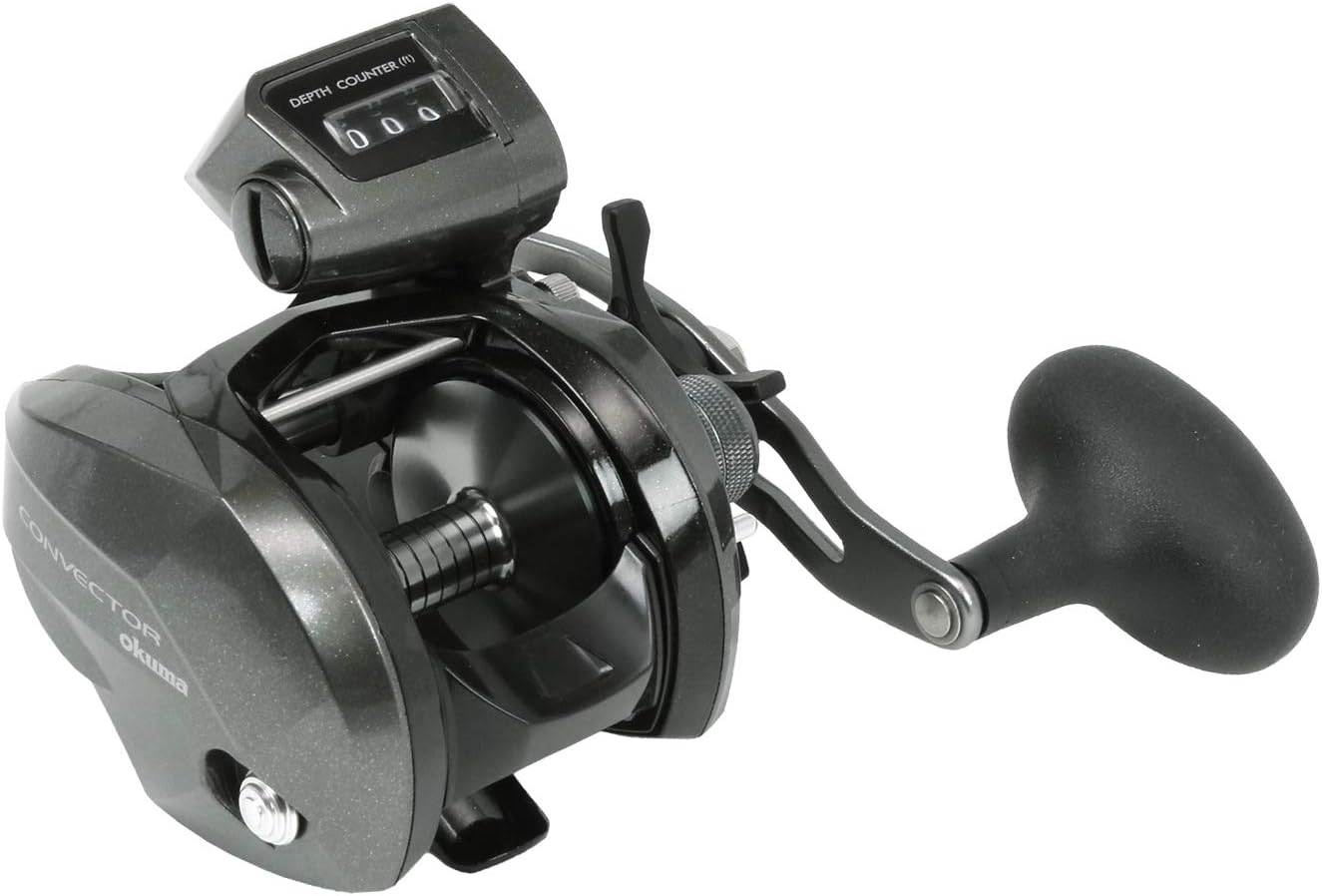
The Okuma Convector CV-30DLX is the walleye trolling standard — same reel that anchors Great Lakes salmon trolling spreads. The 30 size is appropriate for walleye work (the salmon guide covers larger sizes for kings). The mechanical line counter is accurate enough for typical walleye trolling depths, the drag handles 10-20lb walleye without issues, and the construction lasts through seasons of heavy use. Most Lake Erie walleye charter boats run Convector-class reels in some form. The CV-15D is the smaller alternative for ultralight walleye trolling or for anglers who prefer a lighter package.
Daiwa Lexa LC Line Counter
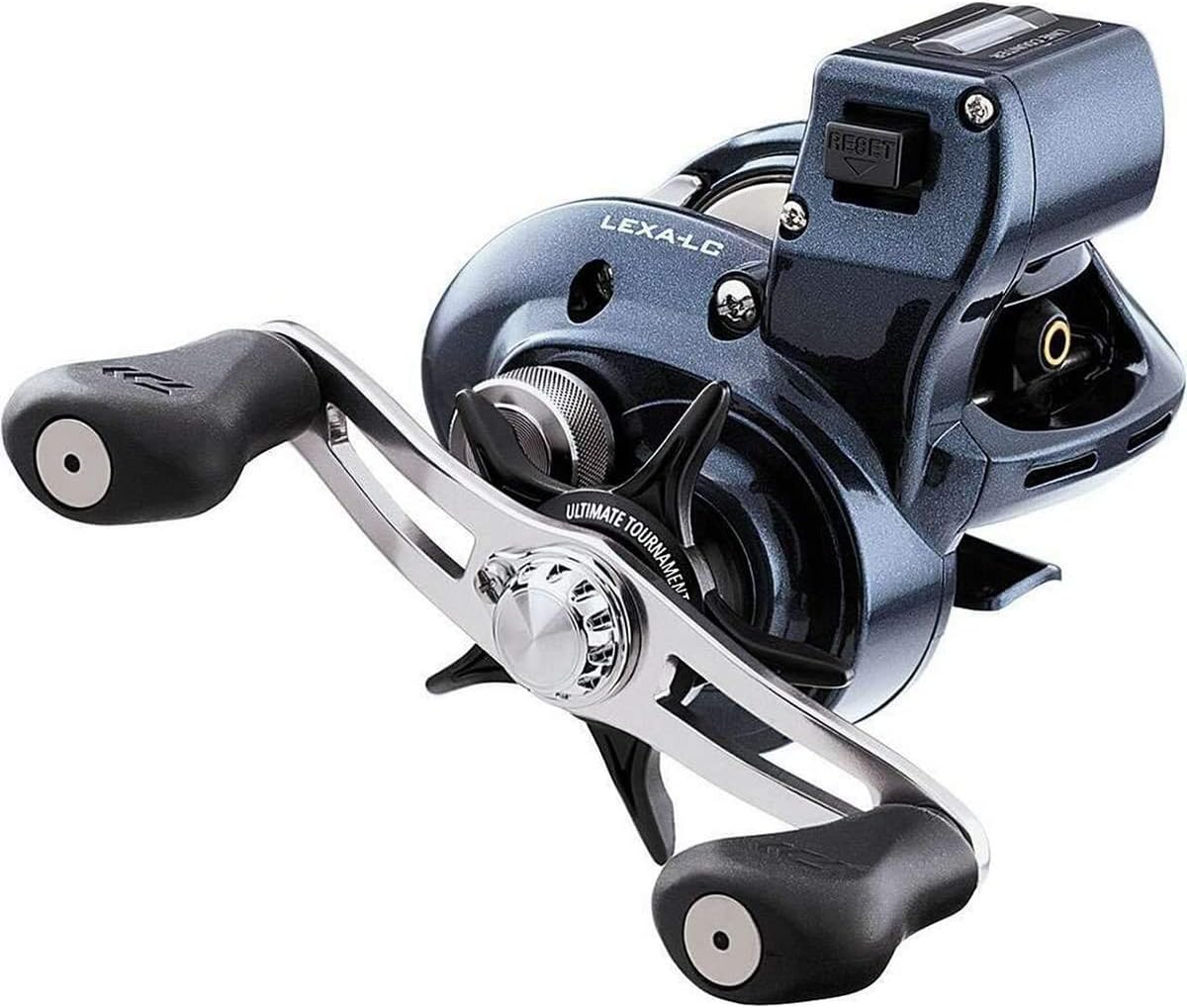
The Daiwa Lexa LC is the premium walleye line counter. Daiwa’s engineering on the line counter mechanism produces noticeably more precise depth readings than competing brands. The drag is smoother out of the box than the Okuma Convector. The construction is heavier — important for trolling reels that see constant exposure to wind, sun, and water. The Lexa LC is the reel for anglers who fish walleye trolling consistently and want premium feel and durability. Priced higher than the Convector but in the same value range as the Shimano Tekota covered in the salmon guide.
Penn Warfare 20LC
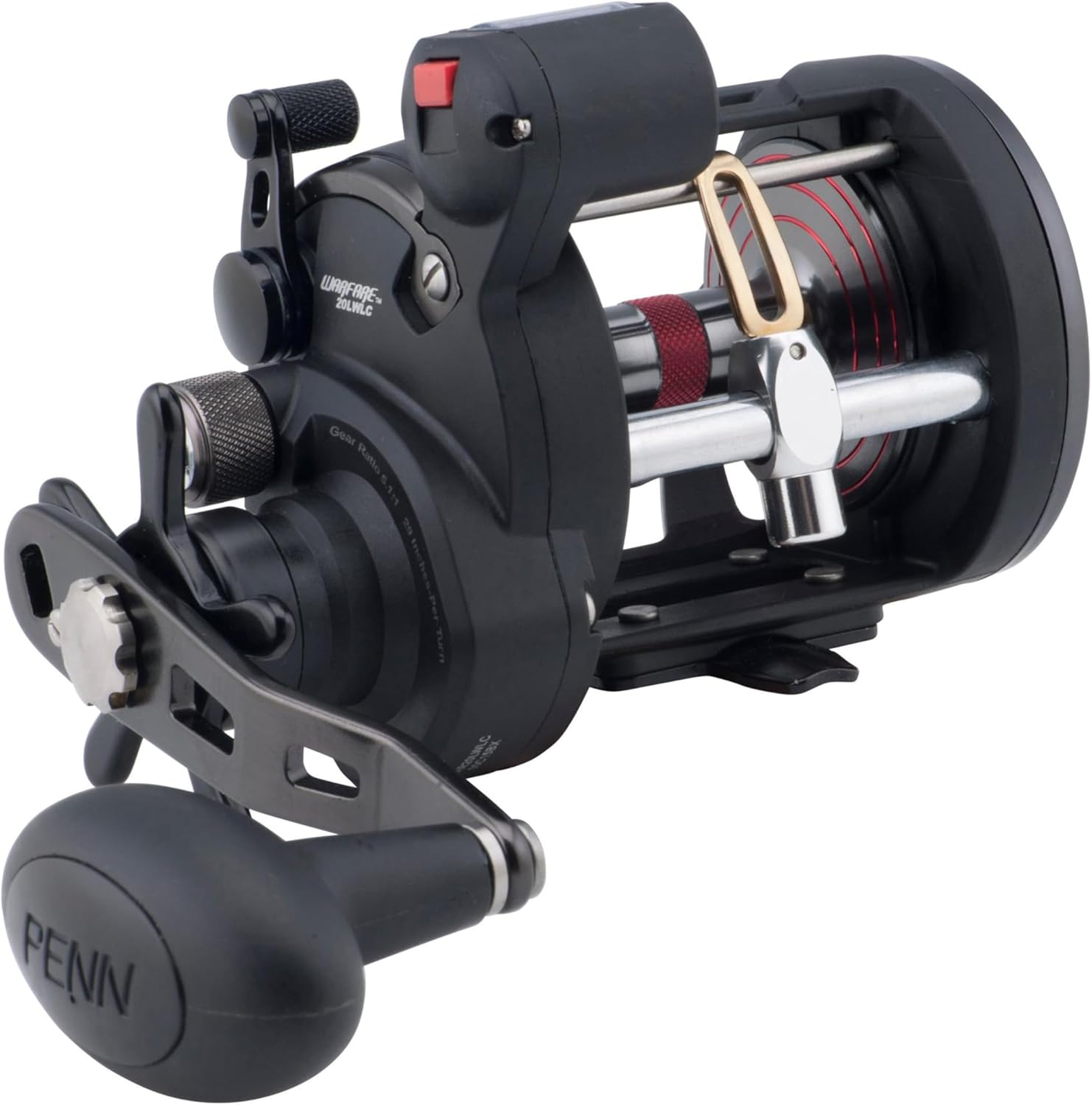
The Penn Warfare 20LC is the budget entry-point for walleye line counter trolling. Around $90-120, it’s the reel most walleye anglers buy when they’re moving from non-line-counter trolling to precise depth-controlled trolling without committing to premium prices. The Warfare’s drag and gearing aren’t refined enough for long-term hard use, but for occasional walleye trolling or as backup reels in a multi-rod spread, it works fine. Penn’s HT-100 carbon fiber drag system handles walleye fishing easily. The salmon trolling reels guide covers the Warfare in detail at saltwater scale; the same considerations apply at the walleye scale.
Reel Sizing for Walleye
| Application | Spinning Size | Line Counter Size |
|---|---|---|
| Light jigging, finesse | 2500-3000 | – |
| Standard jigging, casting | 3000-4000 | – |
| Heavy casting, big crankbaits | 4000-5000 | – |
| Walleye trolling (standard) | – | 15-30 size |
| Heavy walleye trolling (Lake Erie) | – | 30 size |
| Lead core / copper line work | – | 30-45 size |
Line Capacity and Selection
The 4000 size walleye spinning reel handles 150-200 yards of 8-10lb mono or 200+ yards of 10-15lb braid. The 30 size line counter trolling reel handles 200-300 yards of similar line. Both are plenty for walleye — fish rarely run more than 80 yards on a fight.
Line selection trade-offs:
Spinning reel mainline: Most walleye anglers run 10-15lb braid (PowerPro, J-Braid) with a 6-10lb fluorocarbon leader. The braid provides sensitivity; the fluorocarbon provides invisibility near the lure. Some traditional anglers stick with 6-10lb monofilament for the simplicity and stretch.
Line counter mainline: 10-15lb monofilament for traditional walleye trolling. Some modern setups use 30lb braid with 12-15lb mono leader (10-15 feet long). The braid vs mono guide explains the trade-offs that apply to trolling.
For broader background, see best fishing line by pound test.
Drag Settings for Walleye
Walleye don’t make screaming runs like saltwater fish — drag settings are more about avoiding hook-pulls than handling long fights:
- Spinning reel for jigging: Set drag to 25-30% of line break strength. Tight enough to set hooks, loose enough to let fish run when they need to.
- Line counter for trolling: Set drag to 25% of line break strength. Trolling drag should be lighter than fighting drag — a strike at trolling speed needs to give line, not snap it.
- Ice fishing: Set drag light — 2-3 lbs maximum. Heavy drag in cold conditions pulls hooks from walleye’s bony mouths.
Pairing Reel to Rod
Balance matters. Standard pairings:
- Shimano Stradic 4000 + St. Croix Eyecon 6’8″ Medium — premium jigging combo
- Daiwa BG MQ 4000 + Fenwick Eagle Medium — solid mid-tier setup
- Okuma Convector CV-30DLX + Okuma Classic Pro GLT Medium — trolling combo
- Daiwa Lexa LC + Shimano Talora trolling rod — premium trolling combo (see salmon trolling rods guide)
- Penn Warfare 20LC + Okuma Classic Pro GLT Medium — budget trolling setup
The walleye rods guide covers rod pairings in detail. For broader rod-and-reel principles, the SoCal rod and reel combos guide applies many of the same balance considerations.
Common Mistakes
Wrong reel size for the technique. A 5000-size spinning reel is too heavy for vertical jigging. A 2500-size is too small for line capacity. 3000-4000 hits the sweet spot for most walleye applications.
Skipping line counters on trolling rods. Without a line counter, you’re guessing how deep your crankbait runs. The crankbait depth chart only works if you know how much line is out. Line counters are required for serious walleye trolling.
Over-spec’ing line capacity. 300 yards of line is plenty for walleye. A 5000-size reel with 300 yards of 15lb braid is heavier and more expensive than necessary. Buy reels sized to the application.
Cheap drag systems. Cheap reels have cheap drags that grab and release unevenly. This causes hook-pulls during fights — particularly painful with trophy walleye. The Stradic and BG drags hit a sweet spot of price and quality.
Mismatched gear. A Shimano Stradic on a budget Walmart rod looks and feels wrong. A Penn Warfare on a Shimano Talora is overkill. Match the reel tier to the rod tier — they should feel like they belong together.
Gear to Pair with Your Reels
- Best Walleye Rods — matched rod pairings
- Best Walleye Jigs — what to throw on the spinning reels
- Best Walleye Crankbaits — what to troll on the line counters
- Walleye Jigging Guide
- Walleye Trolling Guide
- Best Salmon Trolling Reels — line counter cross-reference
- Spinning vs Conventional
- Braid vs Mono vs Fluorocarbon
- Best Fishing Line by Pound Test
Frequently Asked Questions
What’s the best walleye reel?
The Shimano Stradic FL 4000 is the standard premium walleye spinning reel. The Daiwa BG MQ 4000 is the value alternative. For trolling, the Okuma Convector CV-30DLX line counter.
What size spinning reel for walleye?
3000-4000 size is the standard. 4000 is the most versatile — handles jigging, casting, and live bait rigging. 3000 for ultralight finesse work. 5000 only for heavy casting or pike crossover situations.
Do I need a line counter reel for walleye trolling?
Yes for serious trolling. Without a line counter, you can’t repeat the exact depth that’s producing — meaning when you find the fish, you can’t replicate that depth on other rods or in subsequent passes. Line counters are essential.
What’s the difference between spinning and line counter reels for walleye?
Spinning reels handle jigging, casting, and finesse work. Line counter conventional reels handle trolling. Different techniques, different reels. Most serious walleye anglers own both. The spinning vs conventional guide covers the underlying principles.
What line should I use on a walleye reel?
Spinning: 10-15lb braid with 6-10lb fluoro leader is the modern standard. Pure mono (8-10lb) is the traditional approach. Line counter: 10-15lb monofilament or 30lb braid with mono leader. See the best fishing line guide.
How do I set the drag on a walleye reel?
For spinning jigging: 25-30% of line break strength. For trolling: 25% of line break strength (trolling drag should be lighter). For ice fishing: 2-3 lbs maximum. Set drag with the line pulled in the direction the fish will pull, not by spinning the reel.
Plan Your Trip
- SST Charts
- Chlorophyll Maps
- Fleet Tracker
- Marine Weather
- AI Fishing Predictions
- Minnesota Fishing Season Calendar
- Upper Midwest Fishing Trips
Related Guides
- Best Water Temp for Walleye
- Best Walleye Jigs
- Best Walleye Crankbaits
- Best Walleye Rods
- Walleye Jigging Guide
- Walleye Trolling Guide
- Best Salmon Trolling Reels
- Best 30lb Reels (SoCal)
- Best 20lb Reels (SoCal)
- Spinning vs Conventional Reels
- Braid vs Mono vs Fluorocarbon
- Best Fishing Line by Pound Test
- Best Rod & Reel Combos (SoCal)
- Minnesota Fishing Season Calendar
- Mille Lacs Fishing Guide
Tight lines!
Affiliate Disclosure: As an Amazon Associate, fishing-reports.ai earns from qualifying purchases. Links to Amazon on this page are affiliate links — if you click and buy, we may earn a small commission at no extra cost to you.